
Film
Roberta
- Screwball comedy
- Light-hearted
A 1935 musical comedy where a football player inherits a Parisian fashion house and must navigate romance, business, and jazz-age glamour alongside a tap-dancing bandleader. It's a glittering, lightweight confection—all Astaire's impeccable footwork, charm that floats like champagne, and the kind of romantic entanglement that resolves with a knowing smile. Made for anyone who wants to feel elegant while being thoroughly entertained.
Should you watch it?
Watch it if you find pleasure in old-fashioned musicals where the songs slip into conversation and the romance is conducted through quick banter, lavish costumes and gliding dance numbers.
Skip it if you need brisk modern pacing, since the middle stretches sag with fashion-house chatter and the comedy can feel stagey and dated to contemporary ears.
What it asks of you: Settle in for just under two hours of unhurried, sunny escapism, with light comedy that rarely darkens and dancing you should give your full attention to.
Not sure? Find tonight's pick in a minute.
If you liked this
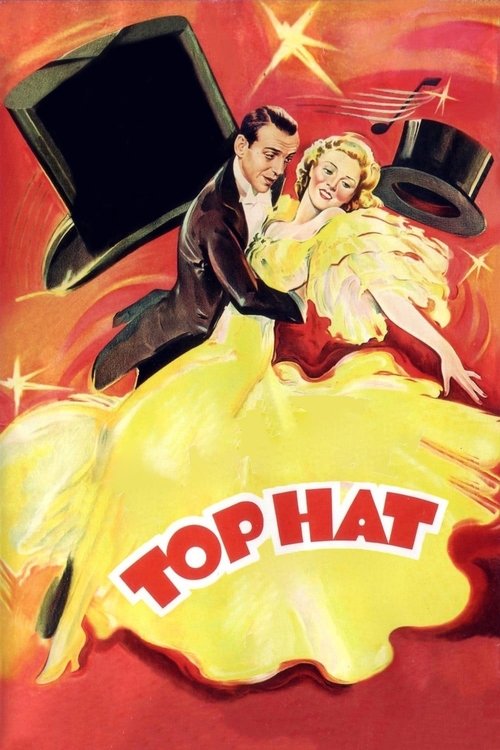
Top Hat1935
The same year, same magic: Astaire and Rogers at their most ravishing, dancing through Depression-era fantasy with effortless sophistication and real chemistry. A masterclass in what musical cinema could be.
But If you need plot to care, you'll find yourself waiting between numbers. The romance is as delicate as spun sugar—which some find insubstantial.
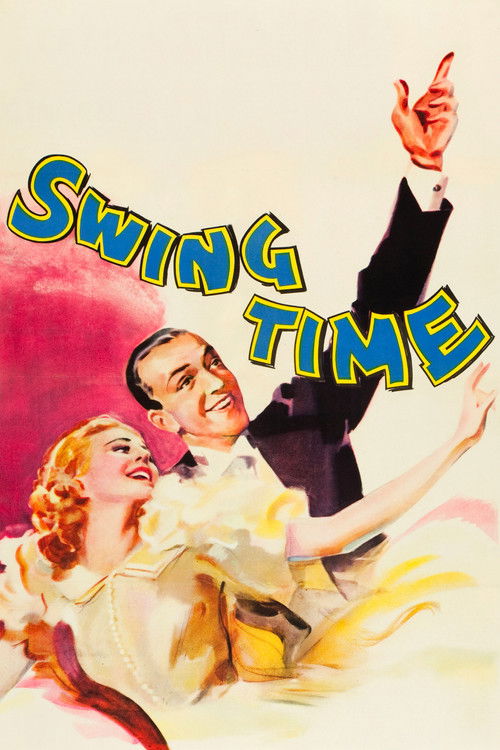
Swing Time1936
Astaire's technical peak meets genuine warmth. The dancing is so inventive it feels like watching someone think in movement. Rogers holds her own completely, and the story actually matters.
But At nearly two hours, it's longer than you'd expect, and some of the early plot business feels padded before the real magic starts.
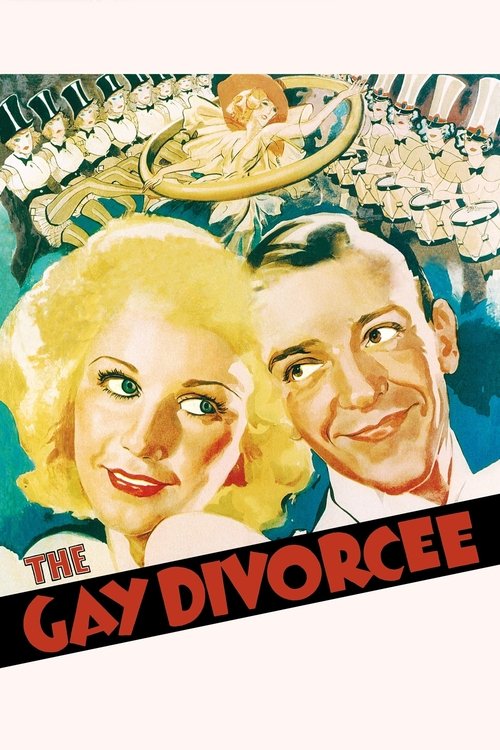
The Gay Divorcee1934
Their first pairing, and it crackles with discovery. The choreography is looser, funkier, more playful than what came after. You feel the joy of two dancers finding their rhythm together.
But The plot about mistaken identity occasionally lurches to a halt. Some comedy bits haven't aged as gracefully as the dancing.
Not sure tonight? Get a pick in a minute, starting from Roberta
The wildcard
Something you would not have found on your own.
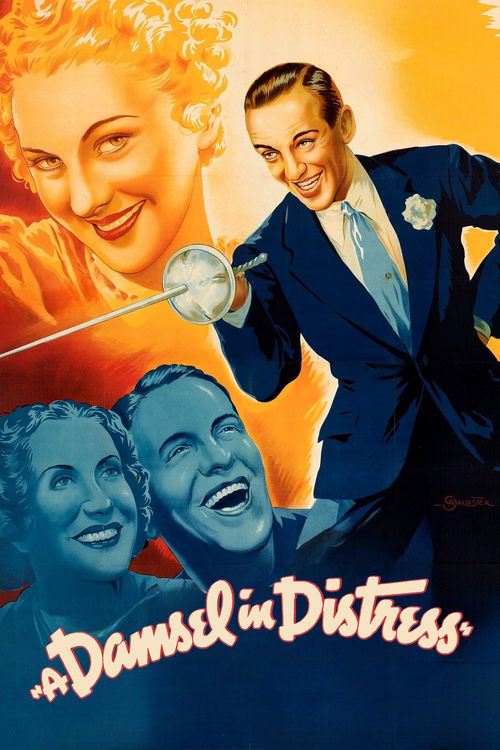
A Damsel in Distress1937
Both films use romance and dance as scaffolding for the real pleasure: watching virtuosos play in a world where music and movement solve everything. Roberta is the version that works as both romance and spectacle; this is the version that prioritizes the spectacle.
Astaire without Rogers, paired instead with Joan Fontaine in a story that's admittedly thin but serves as a vehicle for some of his most experimental and joyful dancing. He dances with a haystack, an armchair, a suit of armor—pure invention.
But The story is gossamer-thin and Fontaine doesn't dance, so long stretches feel unmoored. Some viewers find the whimsy cloying rather than charming.
More like this (8)
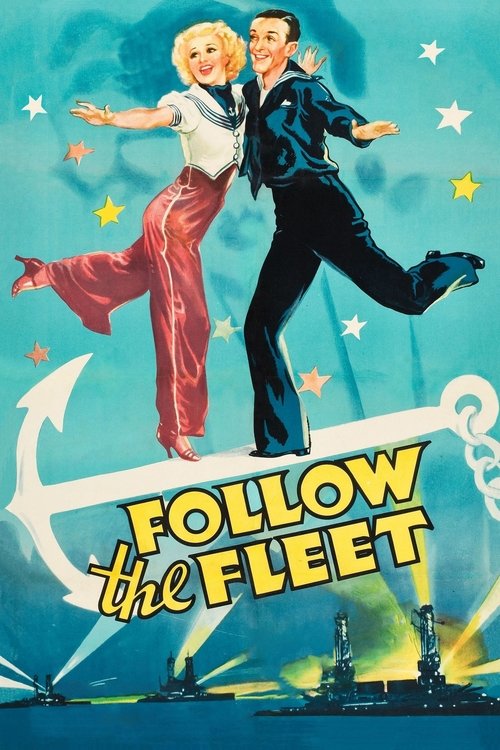
Follow the Fleet1936
Sailors on shore leave, jazz, romance, and a sequence where Astaire dances on a battleship. It's lighter than Top Hat but stuffed with invention and unexpected tenderness between the two leads.
But The naval setting sometimes feels like an excuse for patriotic filler rather than genuine story scaffolding.
Singin' in the Rain1952
The apotheosis of Golden Age musicals. Every element—dancing, singing, comedy, romance—works in perfect concert. Gene Kelly's infectious joy is contagious, and the pure spectacle is breathtaking.
But It's so beloved and so frequently screened that it can feel a bit inevitable. Some find the self-aware Hollywood backstage plot thin.

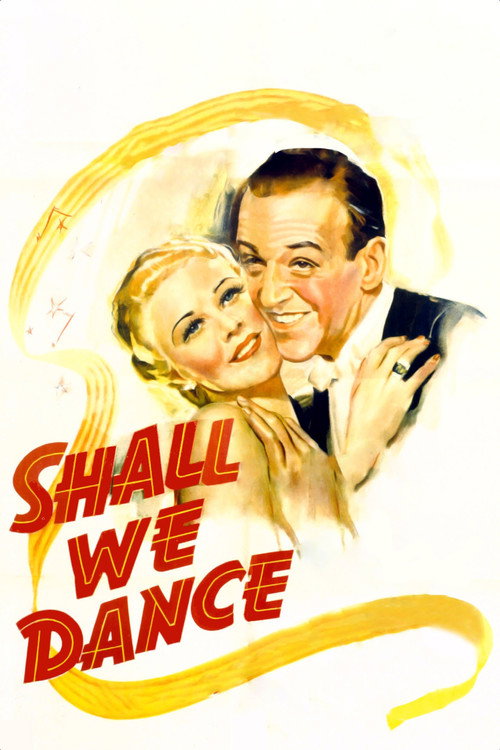
Shall We Dance1937
Astaire and Rogers return to form after a brief separation. The dancing is sophisticated, the romance has real stakes, and there's genuine wit underneath the glamour. A perfect synthesis of their style.
But By their seventh pairing, the formula is well-worn. If you've seen several already, this won't feel revelatory.
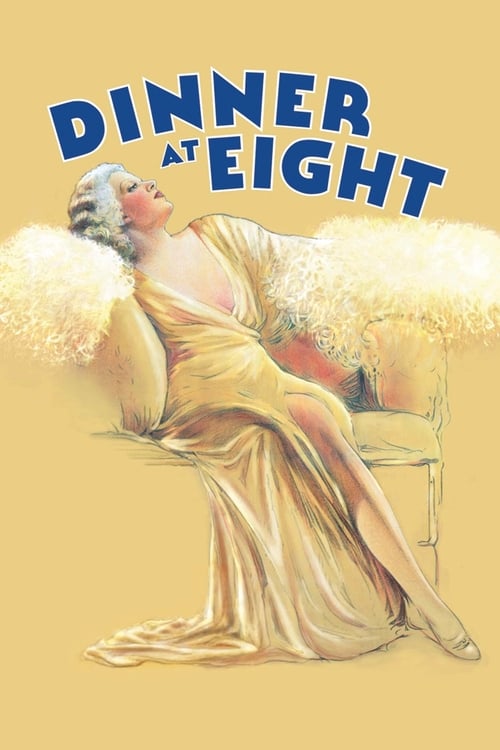
Dinner at Eight1933
A grand-ensemble comedy where every scene crackles with wit and star power. It moves at a pace that feels thrilling now and shows you exactly what 1930s sophistication felt like.
But It's plot-heavy with many characters to track, and the tone shifts unpredictably between satire and genuine drama in ways that occasionally jar.
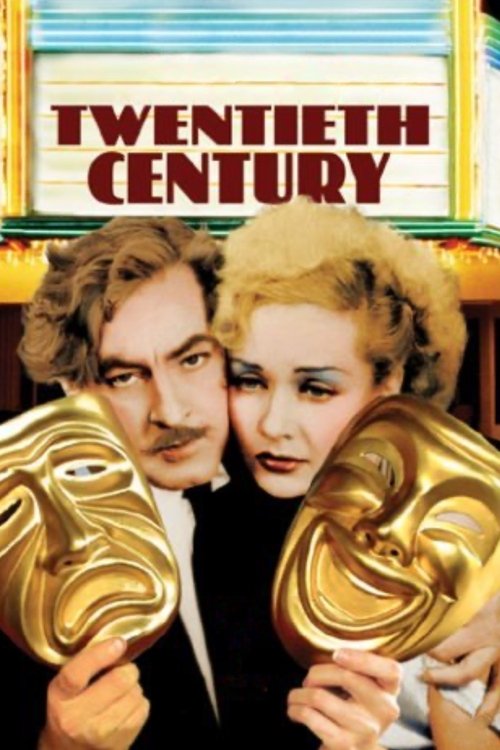
Twentieth Century1934
John Barrymore and Carole Lombard in screwball perfection: theatrical, manic, utterly alive. It moves like a vaudeville act and feels both wildly modern and timeless.
But The screwball energy is relentless and can exhaust rather than delight. If you prefer subtlety, this will feel exhausting and show-offy.
It Happened One Night1934
The film that defined the romantic comedy template. Clark Gable and Claudette Colbert have an ease together that feels almost improvised. Smart, warm, endlessly rewatchable.
But Knowing its influence can make it feel familiar even on first viewing. Some plot points feel dated or convenient by modern standards.

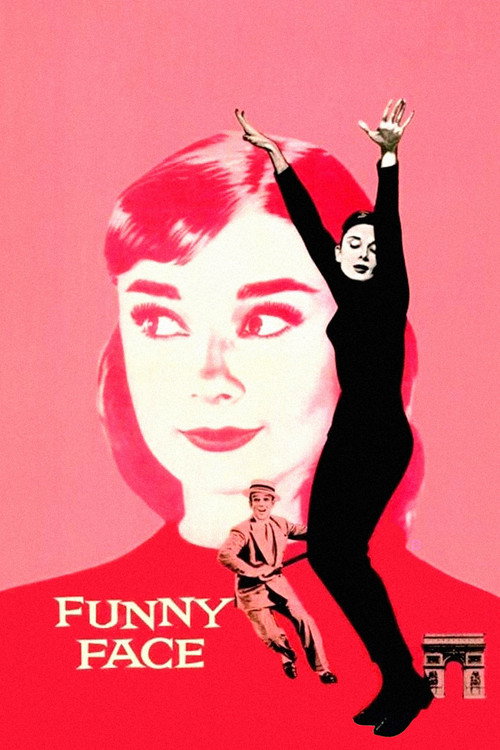
Funny Face1957
Both use the world of Paris fashion as a playground for romance and music, but Funny Face arrived at the tail end of the studio era with Technicolor, deeper character work, and a self-aware sophistication Roberta hasn't quite reached.
Audrey Hepburn and Fred Astaire (22 years after Roberta) in a film where fashion and Paris collide with jazz, philosophy, and genuine emotion. It's frothy but shot through with real artistry and an underlying melancholy that deepens it.
But The power dynamics between an older man and much younger woman haven't aged well. The fashion-world satire can feel slight and the mood tonal shifts abrupt.
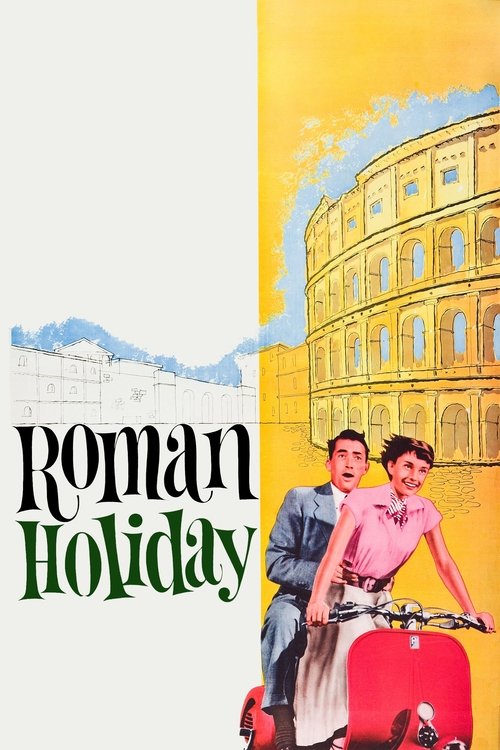
Roman Holiday1953
Like Roberta, it's fundamentally about the pleasure of watching beautiful, talented people navigate attraction amid glamorous settings. But where Roberta is weightless and dazzling, this carries genuine emotional stakes—it's Roberta's great-great-grandchild, grown up and aware of what it's losing.
Audrey Hepburn and Gregory Peck in a film that seems to float above its plot on pure charm and chemistry. It's romantic without being saccharine, comic without forcing it, and shot through with an almost heartbreaking tenderness about transience.
But The political setup (royal escape) is essentially decoration. Some find it too delicate, and the ending will devastate anyone who needs happy resolutions.
People
Cast
 Irene DunneStephanie
 Fred AstaireHuck Haines
 Ginger RogersScharwenka
 Randolph ScottJohn Kent
 Helen WestleyRoberta
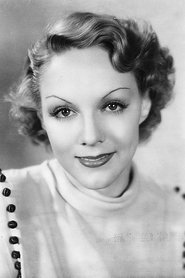 Claire DoddSophie
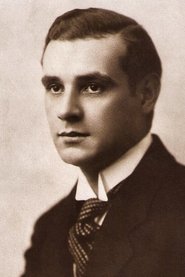 Victor VarconiLadislaw
 Luis AlberniVoyda
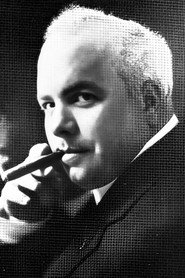 Ferdinand MunierLord Delves
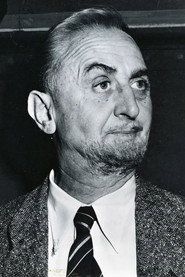 Torben MeyerAlbert
- Adrian RosleyProfessor
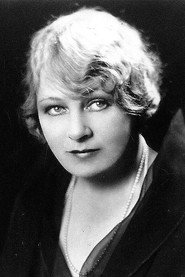 Bodil RosingFernande
Directing
- William A. SeiterDirector
Writing
- Otto A. HarbachBook
- Dorothy FieldsLyricist
- Jimmy McHughLyricist
- Otto A. HarbachLyricist
- Alice Duer MillerNovel
- Allan ScottScreenplay
- Jane MurfinScreenplay
- Sam MintzScreenplay
Production
- Pandro S. BermanProducer
Recommended by
Pot o' Gold, Follow the Fleet, Pigskin Parade, Dames, Bitter Sweet, Flying Down to Rio, Gold Diggers of 1935, Here Comes the Band, The Great Victor Herbert, Poor Little Rich Girl, Springtime in the Rockies, The Cat and the Fiddle, King of Burlesque, Let's Make Music, Sweet Adeline, Cab Calloway's Hi-De-Ho, Metropolitan, Viennese Nights, Sing, Baby, Sing, Music in My Heart, Dance Hall, New Moon, The Story of Vernon and Irene Castle, Coney Island, If You Could Only Cook, Sing Me a Love Song