
Film
Cab Calloway's Hi-De-Ho
- Comedy
- Light-hearted
A 1934 jazz short that pairs Cab Calloway at peak charisma with a flimsy marital comedy plot. It's a ten-minute showcase for one of swing's greatest entertainers and his orchestra tearing through Cotton Club numbers. You're here for Calloway's magnetism and the music, not the narrative framing.
If you liked this
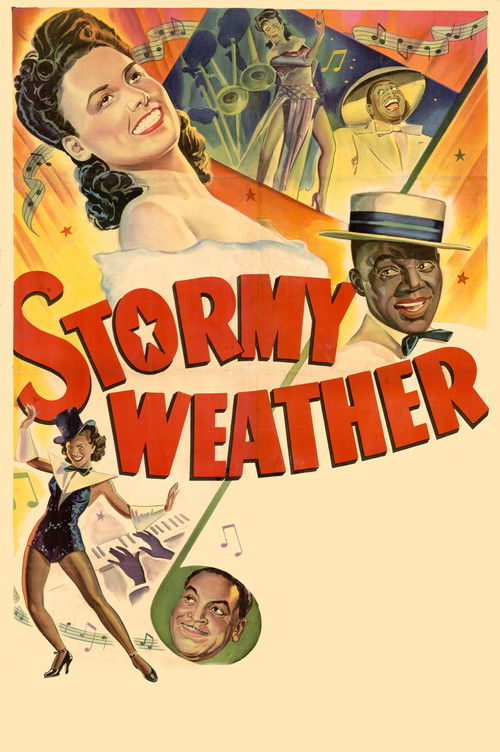
Stormy Weather1943
Lena Horne and Bill Robinson in a musical built around their talents rather than a plot that matters. Like Calloway's short, it's a vehicle for Black excellence when Hollywood barely knew what to do with it except film it.
But The story is paper-thin and the film occasionally feels like a historical document of its own racism, which can be distracting.
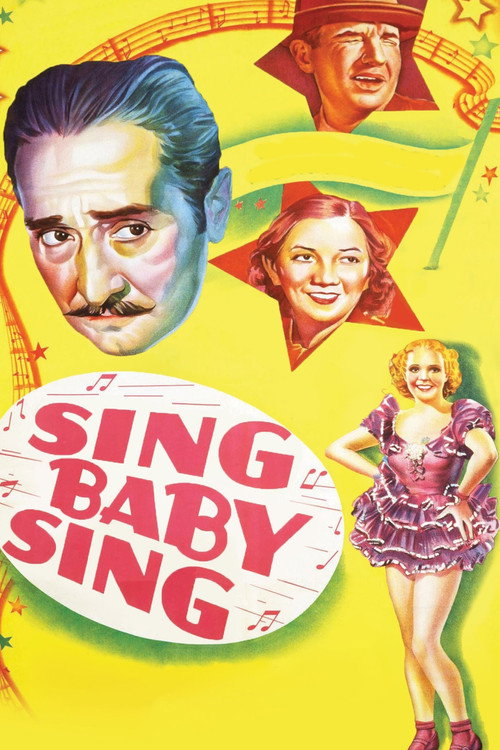
Sing, Baby, Sing1936
Alice Faye and Adolphe Menjou in a backstage comedy-musical with the same light, anything-goes energy. Quick paced, genuinely funny, and the musical numbers arrive without apology.
But The plot is inconsequential even by 1930s standards, and some of the comedy feels dated beyond the era's usual margin.
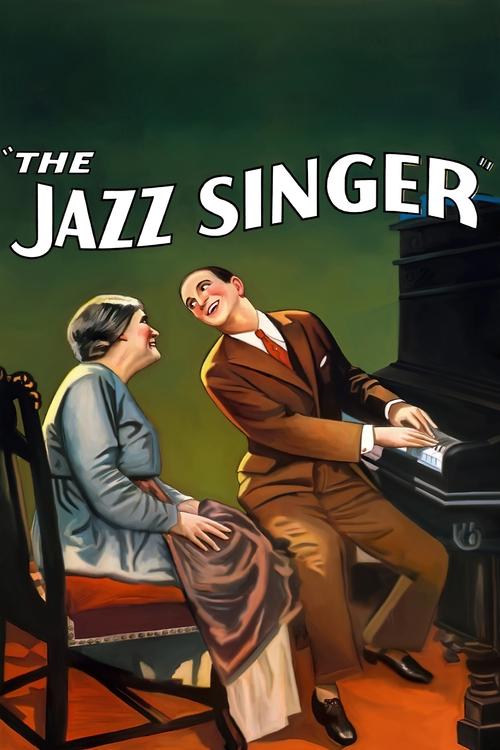
The Jazz Singer1927
The first talkie, and it's actually a musical about a young man caught between his father's world and the stage. Groundbreaking technically, surprisingly moving about heritage and ambition, with real energy to the musical sequences.
But It's heavy-handed about its themes and the blackface number will make you uncomfortable—it's a historical document you need to sit with.
Not sure tonight? Get a pick in a minute, starting from Cab Calloway's Hi-De-Ho
The wildcard
Something you would not have found on your own.
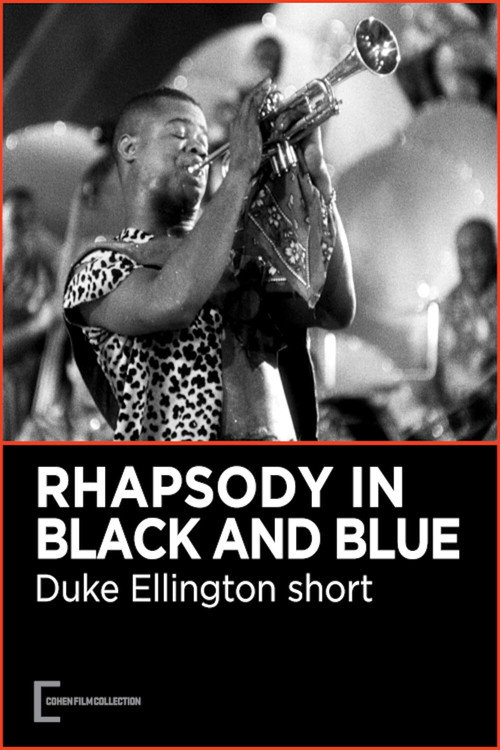
A Rhapsody in Black and Blue1932
Calloway's performance dominates both. But here he gets to be a visualization of pure jazz energy rather than a frame for a story—animation freed him from the constraints that bound Black performers to thin plots.
Cab Calloway himself in a five-minute animated jazz fantasia. It's trippy, delirious, and contains perhaps the greatest performance of his voice and energy, captured in a form that lets him be pure entertainment without plot friction.
But It's a brief cartoonish fever dream, not a traditional narrative, and the psychedelic vibes might feel alienating if you wanted something grounded.
More like this (7)
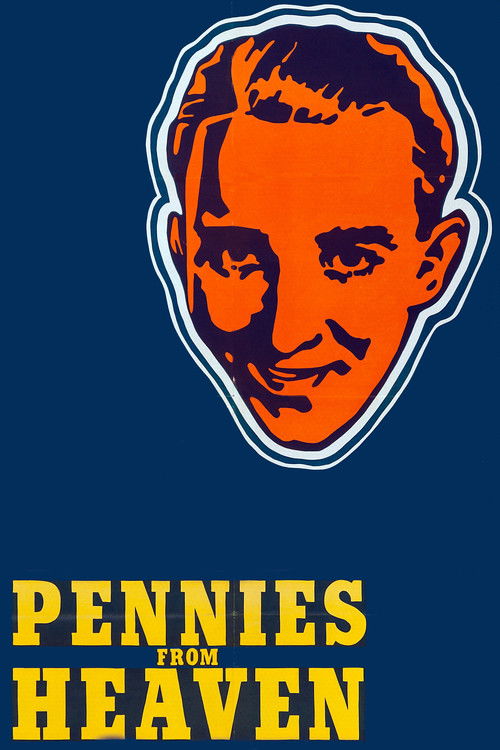
Pennies from Heaven1936
Bing Crosby and Barbara Stanwyck in a Depression-era musical that balances comedy, romance, and genuine pathos. The songs arrive organically and the film trusts its audience with real emotion beneath the entertainment.
But It pivots toward sentimentality in the second half, and the Depression setting means the lightness never quite stays light.
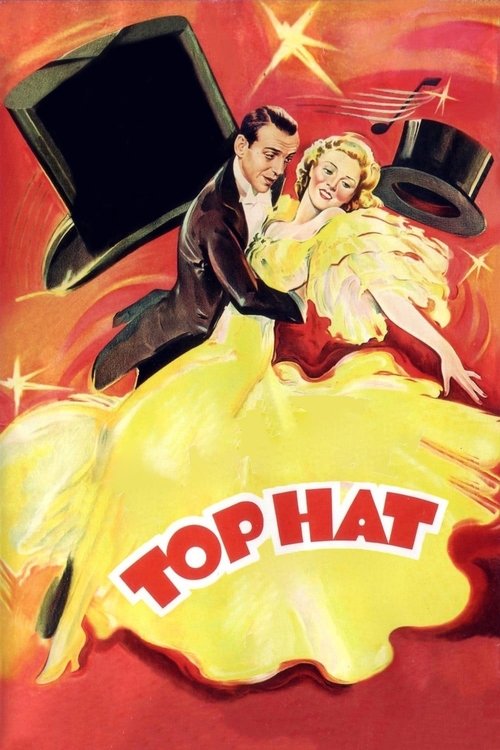
Top Hat1935
Fred Astaire and Ginger Rogers at their peak, dancing through a plot so transparent it barely exists. Pure movement, charm, and the visual confidence that made the 1930s musical magical.
But The story really is almost nothing, and if dance isn't your language, the middle section might feel padded.
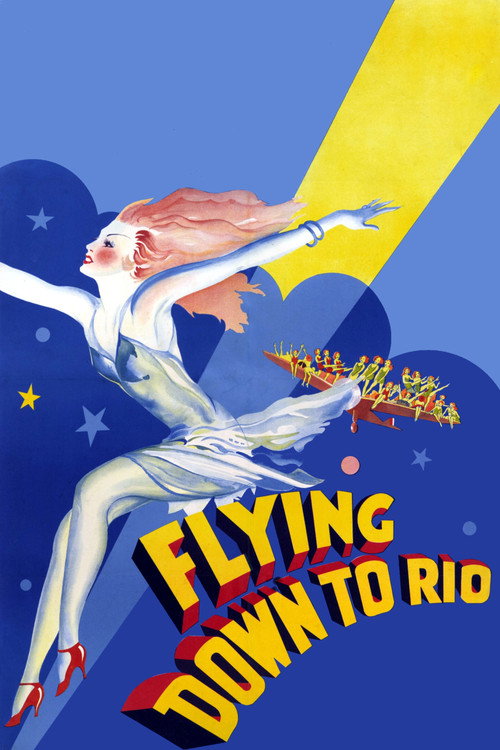
Flying Down to Rio1933
The first Astaire-Rogers pairing, with technicolor extravagance and a plot that moves at breakneck speed. The novelty numbers are wonderfully strange, and watching them discover their chemistry is its own pleasure.
But It's aesthetically dated in ways that go beyond period charm, and some of the musical moments are genuinely bizarre.
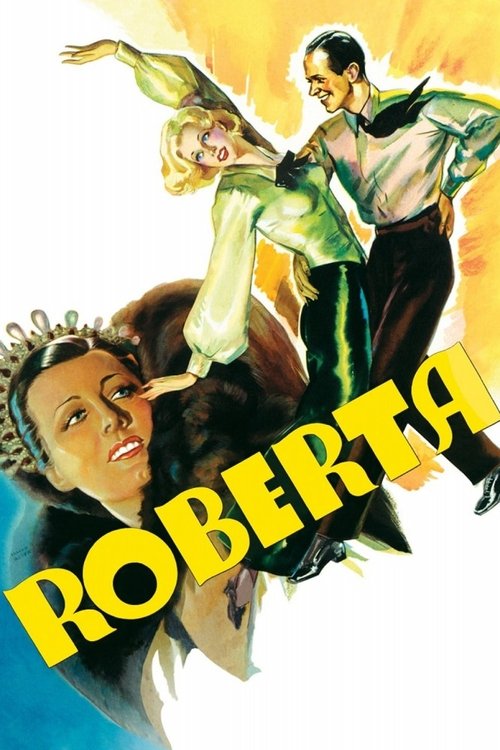
Roberta1935
Fred Astaire and Ginger Rogers in a musical that actually bothers with a coherent story—a man inherits a fashion house and romance blooms. The dancing is superb and the film moves with real narrative momentum.
But The fashion-house plot can feel like it's getting in the way of what you actually came for, and it drags slightly in the middle.
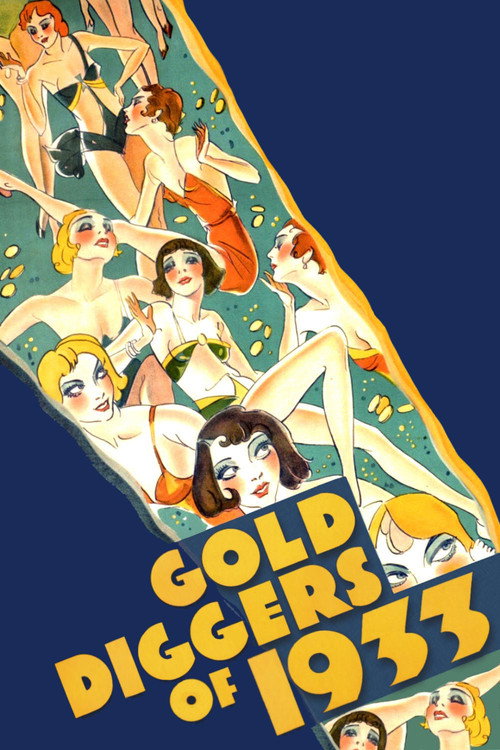
Gold Diggers of 19331933
Ruby Keeler, Dick Powell, and a chorus that makes you understand why people went to musicals. The numbers are inventive and sometimes genuinely surreal; Busby Berkeley was genuinely strange.
But The dialogue comedy is labored and feels tedious between numbers, and the sexual politics are pretty grim.
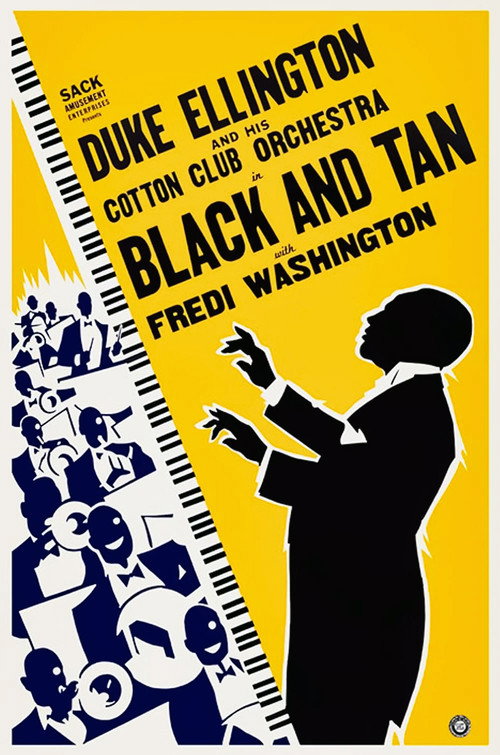
Black and Tan1929
Both are short-form jazz performance documents from the early 1930s where the musicians ARE the point. But Ellington's is more austere and architectural; Calloway's is showmanship. Same purpose, opposite temperatures.
Duke Ellington in a ten-minute short that's essentially an excuse to film him conducting and performing 'Black and Tan Fantasy.' Like Calloway's film, it's a genius musician given just enough narrative to justify filming, then getting out of the way.
But Even less plot than Calloway's short—it's almost a music video, and if you need story structure you'll be frustrated.
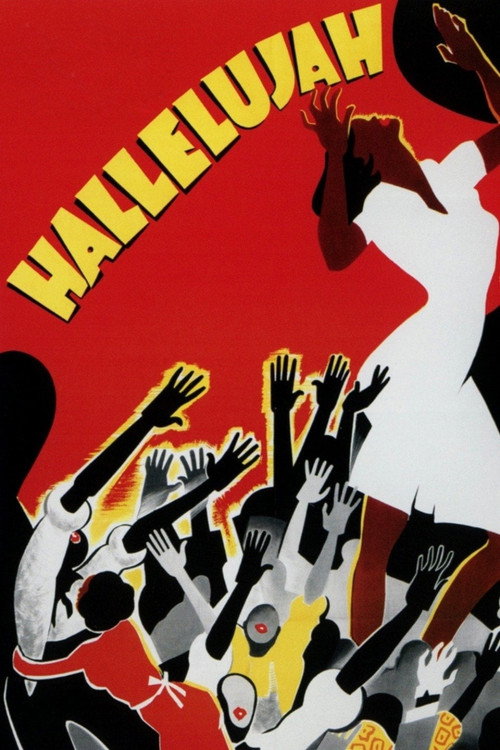
Hallelujah1929
Both films capture 1920s-early 1930s Black culture on screen, but 'Hallelujah!' insists on drama and consequence while Calloway's short is pure joy and performance. They're the same historical moment arguing about what cinema should do with Black art.
King Vidor's all-Black cast drama about sin, redemption, and love in the South. It's serious, formally ambitious, and full of genuine music woven into genuine emotional stakes. A different register entirely from Calloway's entertainment.
But The racial politics are complicated—a white director using racial stereotypes even while centering Black stories. You need to engage critically, not passively.
People
Cast
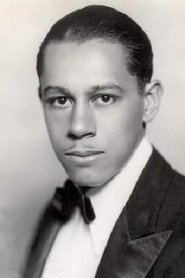 Cab CallowayCab Calloway
- Sidney EastonSam, train porter
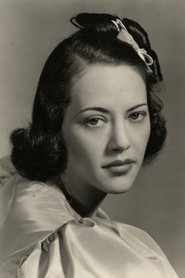 Fredi WashingtonSam's wife
 Ethel MosesCotton Club Performer (uncredited)
Directing
- Fred WallerDirector
Writing
- Fred RathStory
- Milton HockeyStory