
Film
A Rhapsody in Black and Blue
A 1932 animated short where a man daydreams himself into the King of Jazzmania after his wife hits him with a mop. Louis Armstrong performs two numbers in this surreal, gorgeously drawn fantasy. It's a brief burst of early animation, genuine artistry, and jazz at its most joyful—essential viewing for anyone who loves the music or the era.
If you liked this
Singin' in the Rain1952
A musical masterpiece about the birth of sound cinema, where the joy of performance and innovation shine through every frame. Gene Kelly's athleticism, the Freed-Brown songs, the sheer technical ambition.
But At nearly two and a half hours, it's a commitment, and the plot (man romances woman, studio politics intrude) is thin scaffolding for the musical numbers.

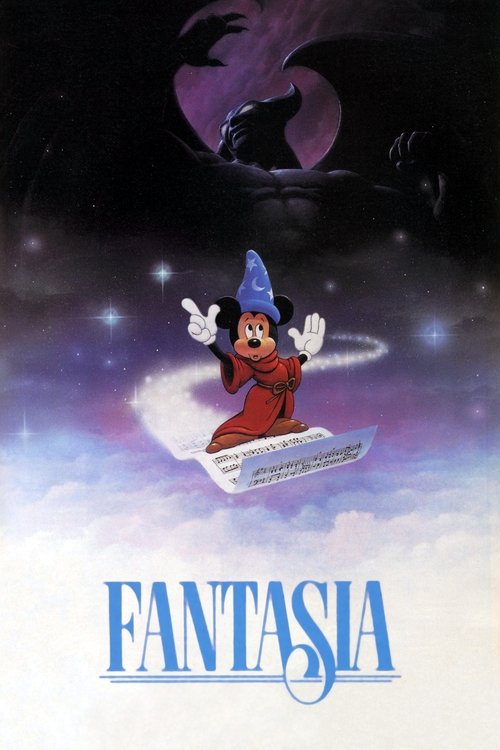
Fantasia1940
Disney's audacious attempt to marry animation with classical music. Each segment is visually inventive and the ambition is breathtaking—this is what animation could be when artists aren't bound by realism.
But The pacing is deliberate and some segments feel dated; the Hippo Ballet in particular hasn't aged well by modern sensibilities.
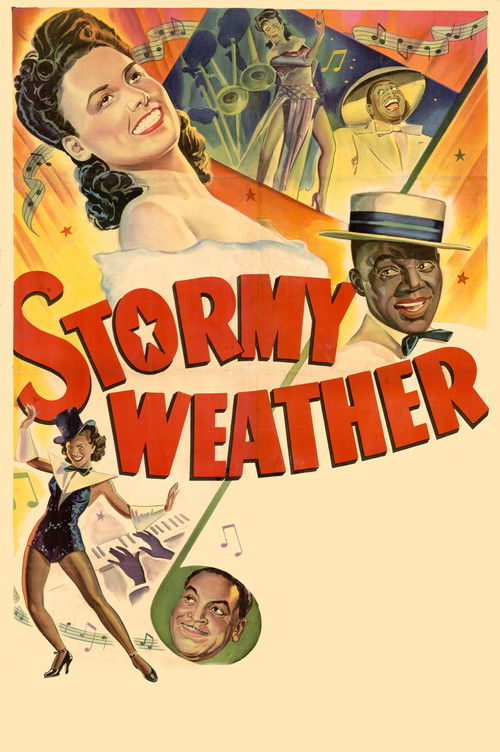
Stormy Weather1943
Lena Horne's film debut, a musical revue built around her radiance and the incomparable talents of Bill Robinson, Cab Calloway, and Katherine Dunham. Pure entertainment and a crucial record of Black artistry in Hollywood.
But The plot is negligible—it's really just pretexts for musical numbers—and some Hollywood race attitudes of the era linger in the framing.
Not sure tonight? Get a pick in a minute, starting from A Rhapsody in Black and Blue
The wildcard
Something you would not have found on your own.
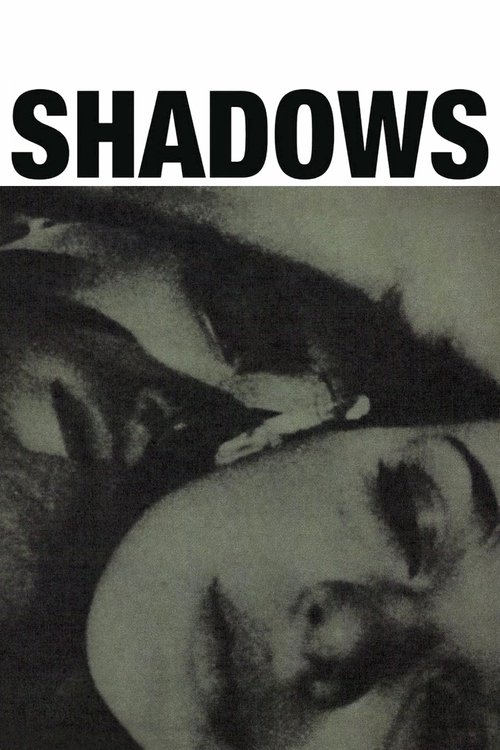
Shadows1960
Both use jazz as a spiritual language rather than background—it's the film's heartbeat, not decoration. Both capture a moment where Black performance and artistic freedom feel inseparable.
John Cassavetes' groundbreaking improvised film about race, identity, and family in New York City. Jazz on the soundtrack, lived-in performances, and a rawness that predates cinéma vérité. It feels like watching something being discovered.
But The grainy black-and-white image and loose structure mean it feels unfinished; there's no plot in the traditional sense, which frustrates viewers looking for narrative.
More like this (8)
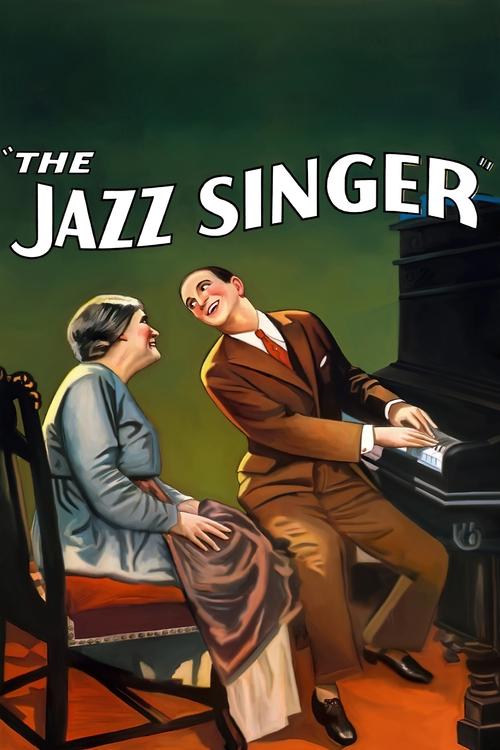
The Jazz Singer1927
The film that brought sound to cinema, starring Al Jolson. Witnessing the moment talking pictures arrived is historically electric, and the musical numbers are genuinely powerful.
But Jolson performs in blackface, which is unbearable to watch today. The melodrama is overwrought and the pace sluggish by modern standards.
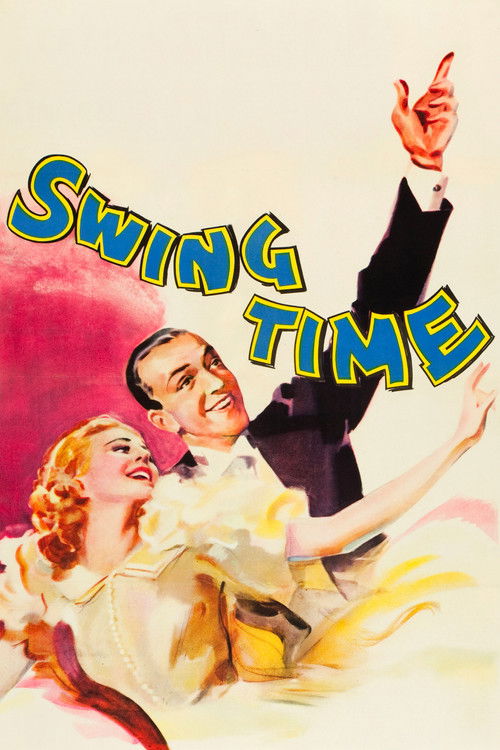
Swing Time1936
Fred Astaire and Ginger Rogers at their peak, dancing to Jerome Kern's elegant score. The choreography is inventive and the chemistry between them effortless—pure cinema magic.
But The romantic plot is forgettable and exists only to justify the musical numbers; some may find the pacing of '30s musicals frustratingly slow.
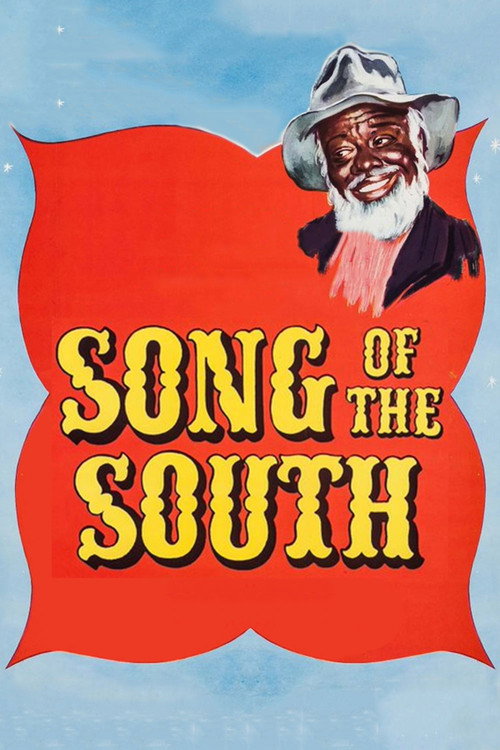
Song of the South1946
Beautifully animated sequences wrapped around the Uncle Remus stories. James Baskett's voice work and the visual inventiveness of the cartoon interludes are genuinely impressive.
But The film's romanticization of the antebellum South and its racial politics are deeply troubling and indefensible, which overshadows everything else.
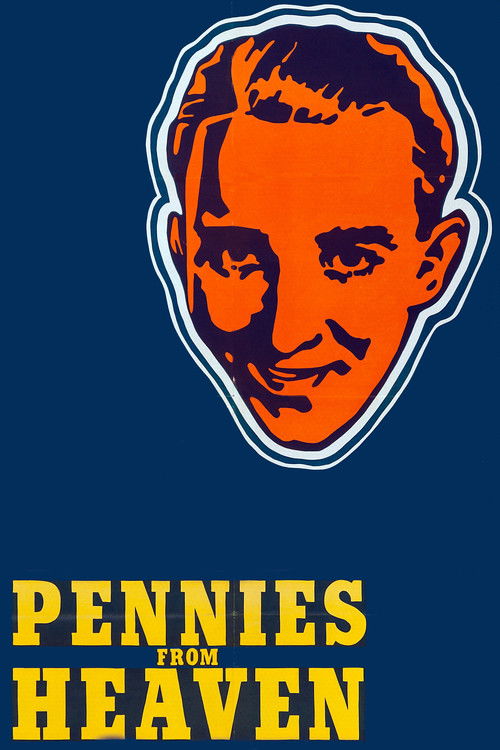
Pennies from Heaven1936
A Depression-era musical that finds genuine poignance in hard times. Bing Crosby and Edith Fellows shine, and the film balances entertainment with real human struggle.
But The sentimental tone can feel saccharine, and the plot resolves with convenient fortune rather than earned character growth.
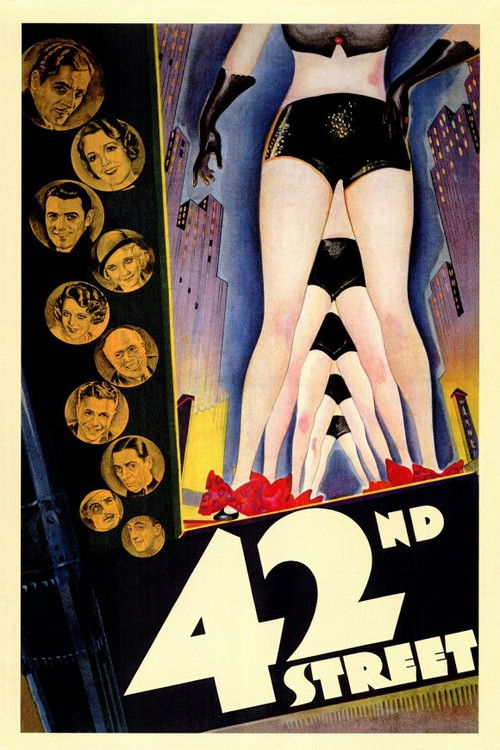
42nd Street1933
A backstage musical with Busby Berkeley's revolutionary choreography. The dance numbers are intricate, surprising, and visually daring—worth watching just for how they reinvented what film musicals could do.
But The plot is deeply cynical about women and sex in ways that feel unpleasant today; the pacing can drag between numbers.
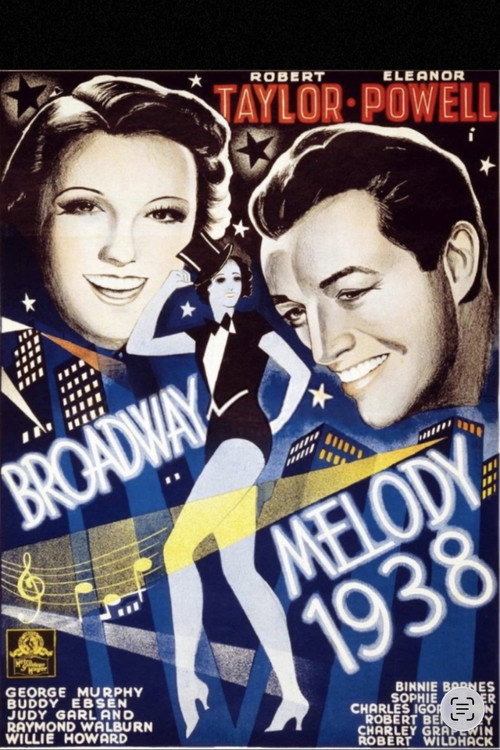
Broadway Melody of 19381937
A dizzy, energetic revue with Eleanor Powell's spectacular tap dancing and a soundtrack full of standards. It's lightweight but genuinely fun, a snapshot of MGM's musical confidence at its height.
But The plot is forgettable filler, the comedy timing feels off, and some sequences haven't worn well—it's essentially a loose string of musical numbers.
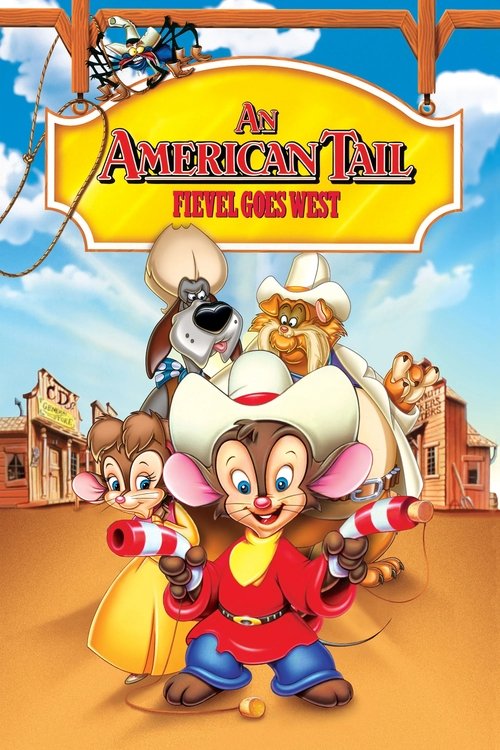
An American Tail: Fievel Goes West1991
Both are short animated fantasies that use music not as interruption but as the film's reason to exist. Both trust that beautiful animation and great performances are enough—no cynicism, no irony.
A gorgeously animated musical with Don Bluth's classical draftsmanship. The score by James Horner is lush, and the film manages to be both a children's entertainment and a work of genuine artistry—hand-drawn animation at its swan song.
But It's a sequel to a film most people forget about; the emotional beats are predictable and the plot thin compared to its visual ambitions.
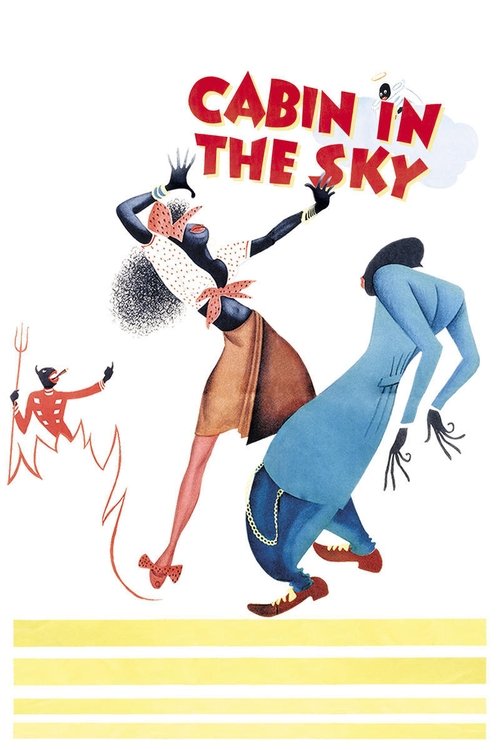
Cabin in the Sky1943
Like Armstrong's short, it's a portrait of Black artistry given rare space to flourish within studio constraints. Both are dreams—one literal, one spiritual—where performance becomes the truest language available.
An all-Black musical directed by Vincente Minnelli, featuring Lena Horne, Ethel Waters, and an extraordinary array of talent. It's both a spiritual and a musical revue, ambitious and beautiful in ways Hollywood rarely permitted.
But The religious allegory (heaven versus hell over a man's soul) feels dated and preachy; the stereotyping present in even well-intentioned 1943 cinema will make you wince.
People
Cast
 Louis ArmstrongHimself
- Fanny Belle DeKnightWife (uncredited)
- Sidney EastonHusband (uncredited)
Directing
- Aubrey ScottoDirector
Writing
- Phil CohanStory