
Film
Pot o' Gold
- Comedy
- Light-hearted
A 1941 romantic comedy where James Stewart's failed music-shop owner tries to help a talented Irish family band while working for his uncle—who happens to be their sworn enemy. It's a slight, cheerful film about music, friendship, and small-town life, with the ease of a Saturday matinee. Perfect if you like your comedies warm and harmless, your romance uncomplicated, and your songs frequent.
Should you watch it?
Watch it if you want a light, old-fashioned musical comedy where the charm comes from warm banter, a scrappy band and the sheer good nature of its leads rather than from plot twists or big production numbers.
Skip it if you are impatient with sentimental Hollywood comedies of the period, since the story is slight, the jokes are gentle and the musical interludes can feel like they stop the story dead.
What it asks of you: It runs a brisk eighty-six minutes and asks only that you sit back and enjoy an easygoing, breezy tone with a warm, unhurried rhythm throughout.
Not sure? Find tonight's pick in a minute.
If you liked this
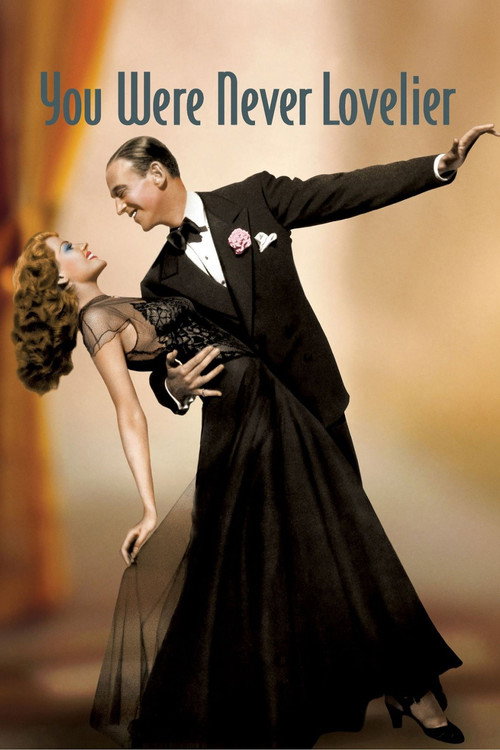
You Were Never Lovelier1942
Fred Astaire and Rita Hayworth in a musical romance about a father testing a suitor's worthiness. Effervescent, beautifully danced, with Cole Porter songs that lodge in your head for days.
But The plot is threadbare and the premise—a woman's father deceiving her—hasn't aged gracefully. It's all gloss and pirouettes, which is the point, but not everyone wants that point.
The Philadelphia Story1940
James Stewart opposite Cary Grant and Katharine Hepburn in a comedy about a society wedding that somehow never feels cheap. Witty, romantic, and proof that three charismatic people can make sophistication look effortless.
But It's aggressively charming and knows it. If you're in the mood to resist charm, this will feel like being lectured by a very attractive person about why you should smile more.

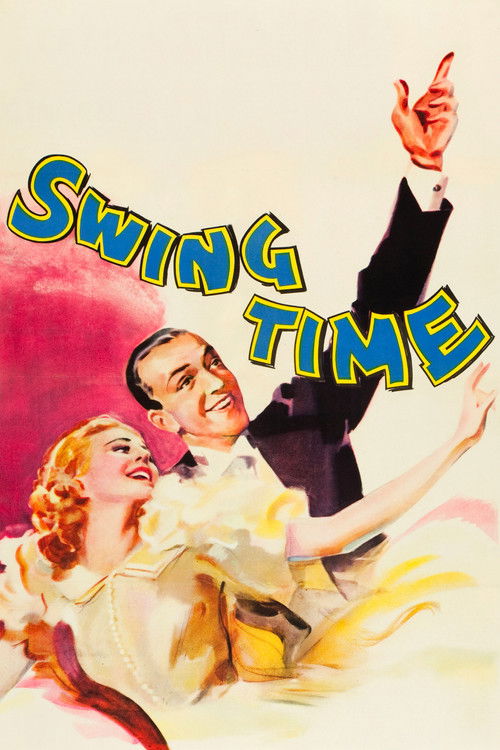
Swing Time1936
Fred Astaire and Ginger Rogers at their absolute peak, dancing through depression-era New York with a plot that barely matters because the dancing is all. Pure joy on celluloid.
But The racial subplot is uncomfortable. Also, if dancing doesn't move you, you're just watching two people figure out their footwork for an hour and a half.
Not sure tonight? Get a pick in a minute, starting from Pot o' Gold
The wildcard
Something you would not have found on your own.
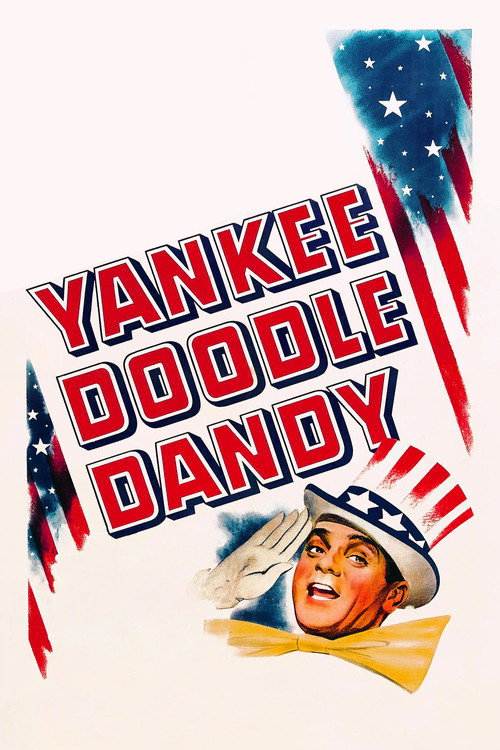
Yankee Doodle Dandy1942
Both are about struggling performers trying to make it with the help of true believers. Both trust that talent and determination and good people matter. Both believe in music as salvation.
James Cagney as George M. Cohan, a tap-dancing, song-writing force of nature. It's a biopic made of pure energy and joy, shot like a stage show and impossible to resist. Cagney dances like he invented dancing.
But It's a hagiography—no real flaws, just triumph and charm. Also, if you don't have patience for backstage musicals, this will feel like two hours of a man in a straw hat.
More like this (8)
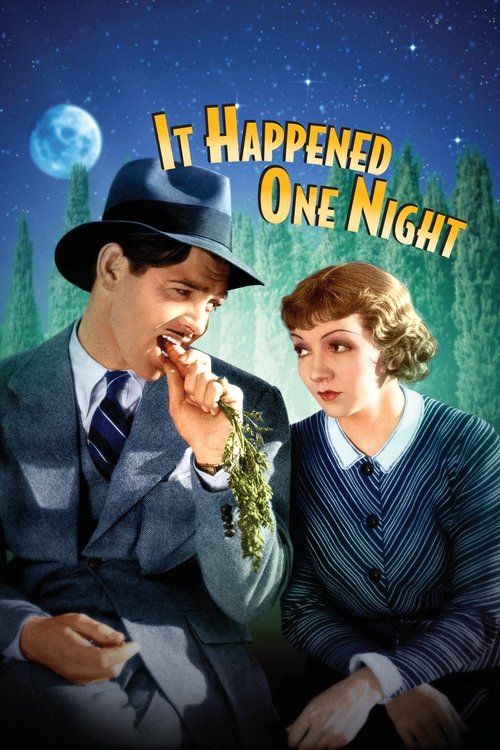
It Happened One Night1934
Claudette Colbert and Clark Gable stranded together, sparring and falling in love. Funny, fast, and invented the template for the romantic comedy. Still works because the banter is genuinely clever.
But It's very old Hollywood—some of the gender dynamics feel antique, and the screwball pacing can feel exhausting if you're not in sync with it.
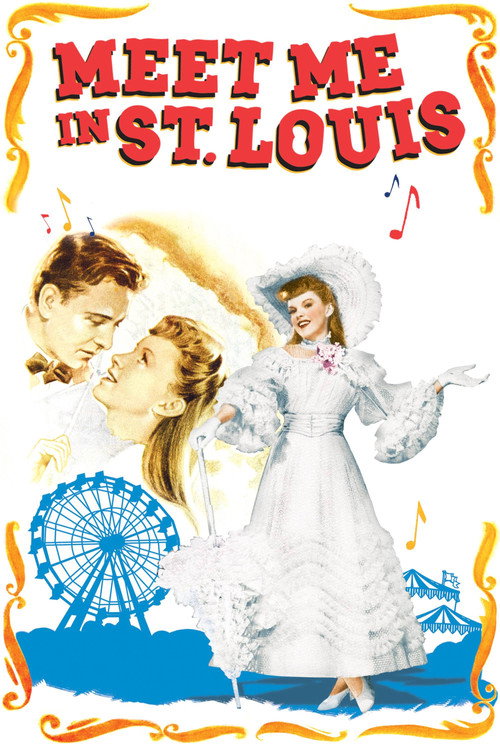
Meet Me in St. Louis1944
Judy Garland, a family, the 1904 World's Fair, and songs by Rodgers and Hammerstein. Warm and nostalgic without being cloying. A movie that makes you feel something without apologizing for it.
But It's sentimental about small-town Americana. If that aesthetic doesn't speak to you, the whole thing can feel like moving through honey.
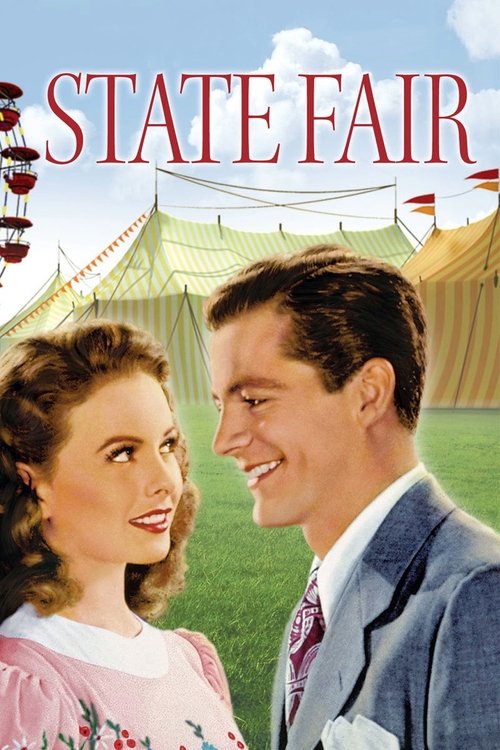
State Fair1945
A family goes to the Iowa State Fair, things happen, Rodgers and Hammerstein songs appear. It's gentle, earnest, and genuinely interested in its characters' small joys and disappointments.
But Small joys and disappointments is all there is. No plot, really, just a family at a fair. If you need narrative momentum, you'll be frustrated by the second reel.
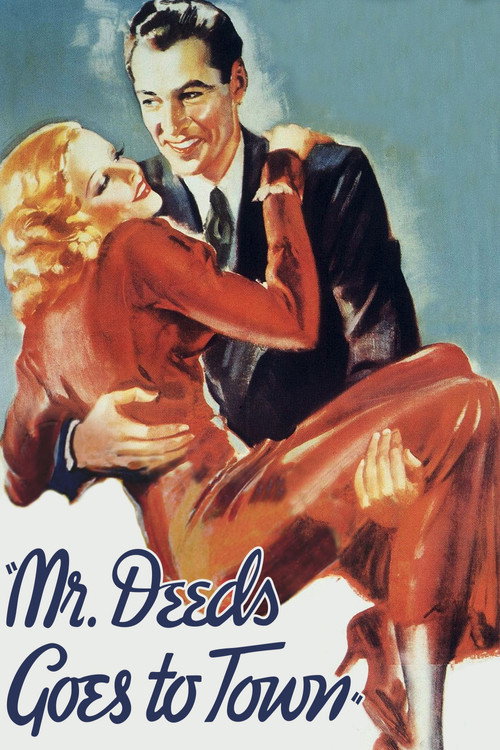
Mr. Deeds Goes to Town1936
Gary Cooper as a small-town guy suddenly rich in New York City. Frank Capra's faith in ordinary decency feels naïve now, but the charm is real and the comedy lands.
But The sentimentality about rural virtue versus city corruption is heavy-handed. Also, Cooper's character wins by being stubborn and refusing to change, which works better in 1936 than today.
Pennies from Heaven1936
Bing Crosby and Madge Evans in a Depression-era romance with the most wonderful songs. Crosby in his prime, the orchestra lush, the whole thing impossibly comforting.
But The plot is thin and the Depression setting is mostly painted on. If you need more than music and likability, you'll feel the scaffolding creaking.
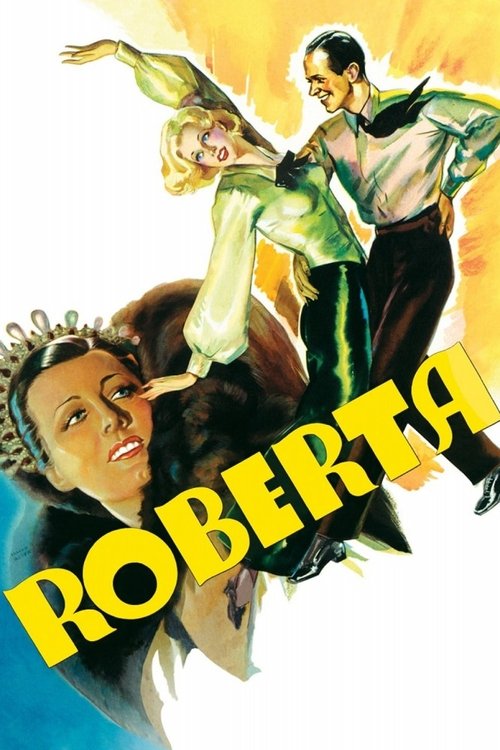
Roberta1935
Fred Astaire and Ginger Rogers in Paris, involved with a fashion house. Less plot-heavy than their best work, which means more room for dancing. The songs are sweet, the sets are gorgeous.
But It really is just a clothesline for dance numbers. If you're not here for the dancing specifically, there's not much underneath it.
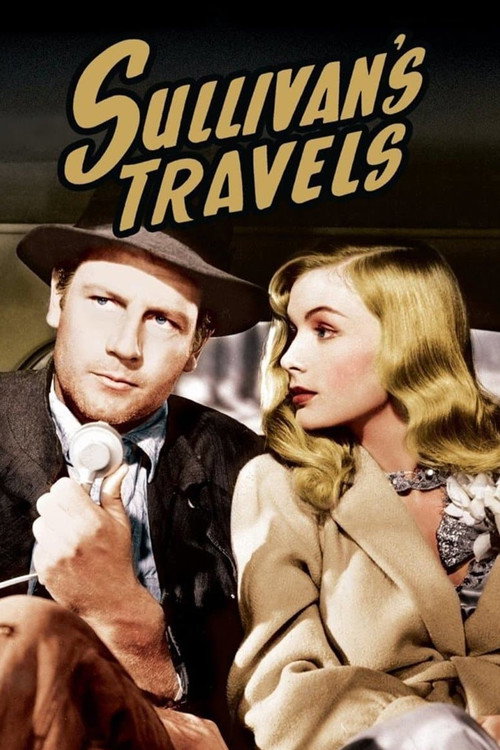
Sullivan's Travels1941
Both grapple with the value of simple entertainment and kindness in hard times. Both feature a well-meaning person trying to help others through music and friendship. Both were made in wartime and believe in the small good things.
Preston Sturges's miracle: a dark, intelligent comedy about a successful director who wants to make a serious film about suffering, so he goes undercover as a hobo. It's funny and heartbreaking and wise, and it asks real questions about art and kindness.
But It has a hobo jail sequence that's genuinely dark, tonal whiplash from the comedy around it. Also, Sturges's screwball speed isn't for everyone—people talk fast and overlap and you have to keep up.
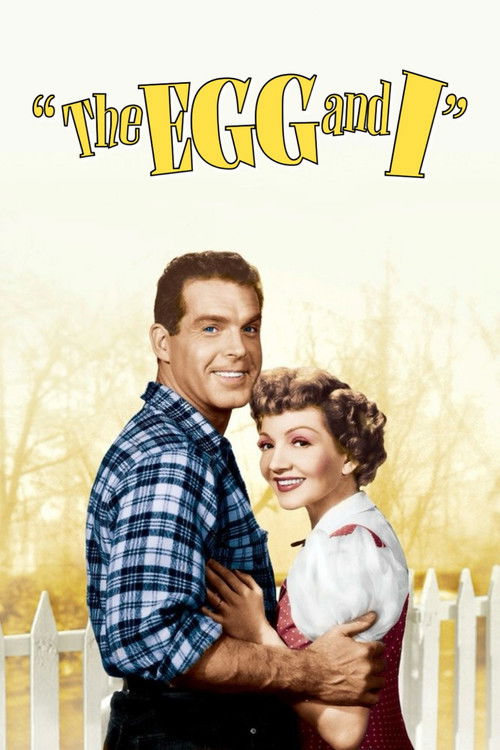
The Egg and I1947
Both pit a city person against the country, using music and warmth to bridge the gap. Both feature an ordinary working-class setting treated with genuine affection rather than condescension. Both believe in community and neighborliness solving problems that money cannot.
Claudette Colbert and Fred MacMurray as a city woman and a chicken farmer in Washington state. It's a fish-out-of-water romantic comedy that's funny in unexpected ways, partly because MacMurray is genuinely winning and Colbert is genuinely appalled.
But The depiction of Native Americans is offensive by any standard. Also, it's fundamentally about a woman learning to love rural drudgery, which some people will find depressing rather than charming.
People
Cast
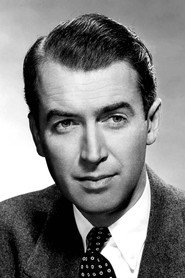 James StewartJames Hamilton 'Jimmy' Haskell
 Paulette GoddardMolly McCorkle
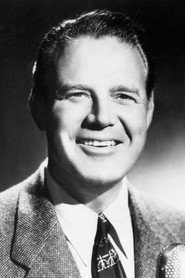 Horace HeidtHorace Heidt
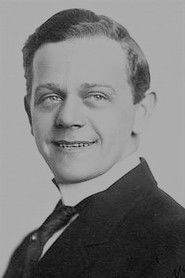 Charles WinningerCharles 'C.J.' Haskell
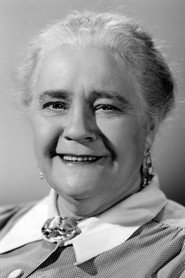 Mary GordonMom McCorkle
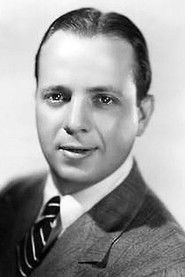 Frank MeltonJasper Backus
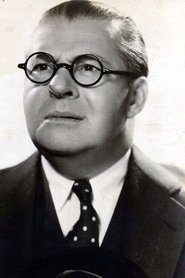 Jed ProutyJ.K. Louderman
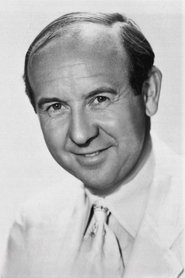 Charles ArntParks (butler)
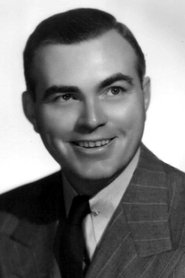 James FlavinSheriff Bud Connolly
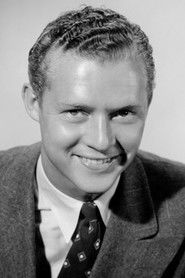 Dick HoganWillie McCorkle
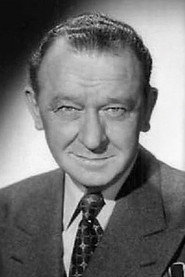 James BurkeLt. Grady
- Donna WoodDonna McCorkle
Directing
- William TummelAssistant Director
- George MarshallDirector
Writing
- Walter DeLeonScreenplay
Production
- James RooseveltProducer