
Film
Mr. Deeds Goes to Town
- Screwball comedy
- Light-hearted
A small-town greeting-card poet inherits a fortune and moves to New York, where he navigates gold-diggers, con artists, and cynical reporters with guileless charm. Frank Capra's Depression-era comedy is deceptively gentle—funny without being mean, romantic without being saccharine, and genuinely interested in what decency costs in a world designed to exploit it.
Should you watch it?
Watch it if you love screwball comedy with a generous heart, where a sincere, plain-spoken hero charms his way through a city full of schemers and the jokes land because the film believes in its decent people.
Skip it if you need fast, modern pacing or cynical wit; this 1936 picture moves at its own unhurried speed, with sentiment laid on thick and some stagey acting that shows its age.
What it asks of you: Settle in for roughly two hours, with a leisurely build and long stretches of talk before the comedy and courtroom turns pick up. It rewards patience more than attention.
Not sure? Find tonight's pick in a minute.
If you liked this
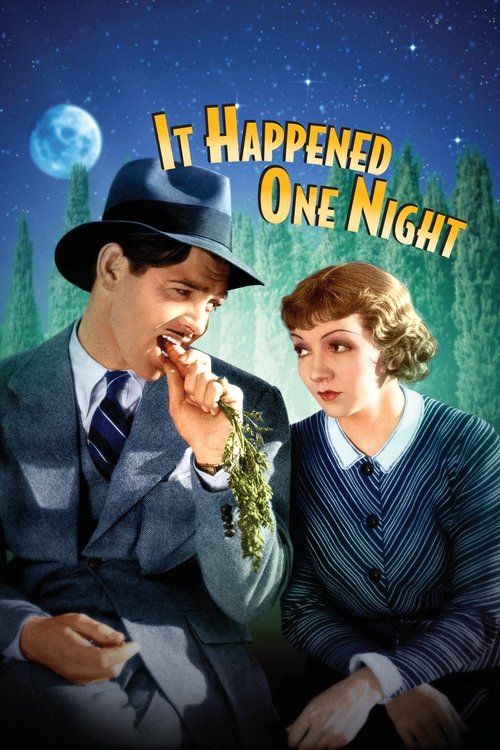
It Happened One Night1934
The template for every sparring-lovers road movie that followed. Clark Gable and Claudette Colbert have the kind of chemistry that makes you believe in cinema, and the script crackles with wit that never tips into cruelty.
But It's a 1934 romance, so patience with period pacing and some gender politics that feel archaic, even for Capra.
Sullivan's Travels1941
Preston Sturges made the flip side of this coin: a rich director pretending to be poor to understand suffering. It's hilarious, moving, and asks the same questions about kindness and how to live that Deeds does.
But Shifts tones dramatically in the second half; some find the turn from comedy to something darker genuinely upsetting.

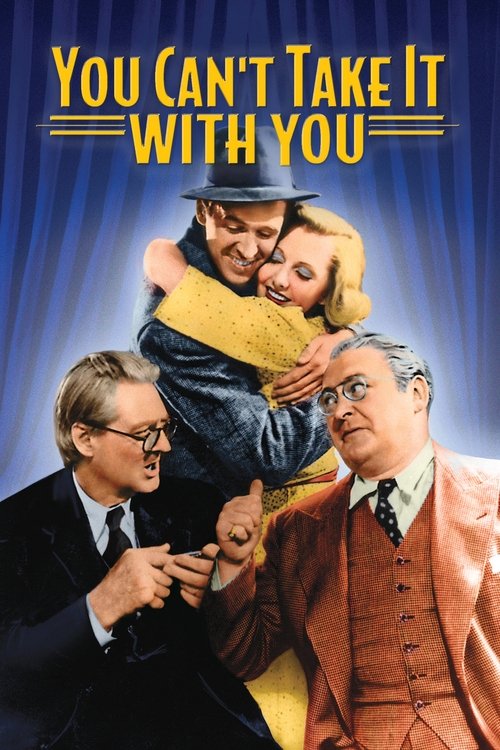
You Can't Take It with You1938
Another Capra film about wealth, family, and choosing joy over respectability. Lionel Barrymore leads an eccentric household that celebrates creativity and kindness—it's warm without being sappy, and surprisingly anarchic.
But The charm is deliberate and thick-laid; if you don't like being invited to feel good about humanity, this will feel manipulative.
Not sure tonight? Get a pick in a minute, starting from Mr. Deeds Goes to Town
The wildcard
Something you would not have found on your own.
Modern Times1936
Both released 1936, both about ordinary decency colliding with systems designed to exploit it, but taking opposite philosophical stances.
Made the same year as Deeds, Chaplin's Tramp faces a mechanized world crushing human dignity. Where Capra uses comedy to suggest redemption is possible, Chaplin uses it to insist redemption is necessary—and shows what that costs. Both are about kindness under industrial pressure; Capra believes in rescue, Chaplin in resistance.
But It's silent, and despite the humor, it's fundamentally angry. The tone is more desperate than Mr. Deeds', and some find that harder to sit with.

More like this (8)
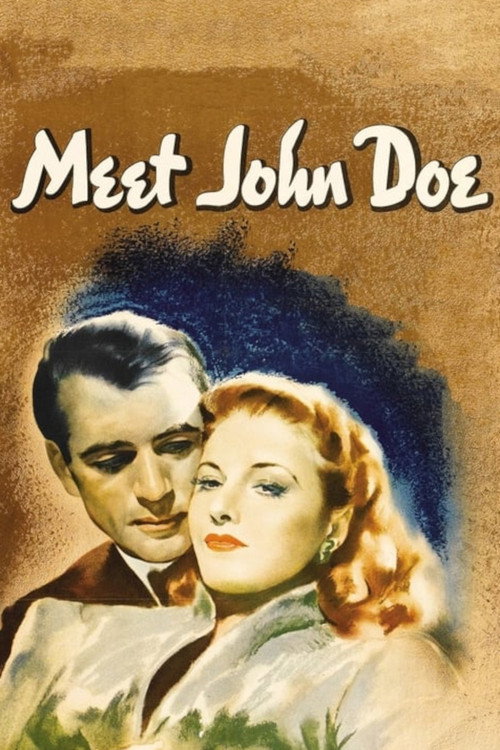
Meet John Doe1941
Gary Cooper again, playing a drifter who becomes a political symbol. It's Mr. Deeds' dark mirror—exploring what happens when sincerity meets a world that wants to weaponize it. Capra at his most conflicted.
But The ending is bleak and unresolved in ways that contradict the title's promise. Some viewers find it frustrating rather than thought-provoking.
Breakfast at Tiffany's1961
Audrey Hepburn and George Peppard as a con artist and a kept man who see through each other's performance. It has Deeds' skepticism about New York artifice, but with far more glamour and a sharper edge.
But The racial caricature is jarring and indefensible. It's also cooler than Capra—less interested in redemption, more interested in style.

Singin' in the Rain1952
Gene Kelly, Donald O'Connor, and Debbie Reynolds navigate Hollywood's transition to sound. It's a love letter to old Hollywood that's also genuinely funny about artifice, ambition, and what you're willing to compromise.
But If musicals make you restless, the extended dance sequences might test your patience.

His Girl Friday1940
Cary Grant and Rosalind Russell as exes trying to out-scheme each other in the newspaper business. The dialogue is a machine gun of overlapping wit, and both leads are equally clever—no one's the fool here.
But The rapid-fire screwball pacing exhausts some viewers. It's funny, but relentless.

The Philadelphia Story1940
Cary Grant, James Stewart, and Katharine Hepburn negotiate class, privilege, and who deserves whom. Stewart's working-class reporter is the conscience of the film, much like Deeds—decent and honest in a world that doesn't value either.
But The wealthy characters are ultimately treated far more generously than the one character who actually works for a living.

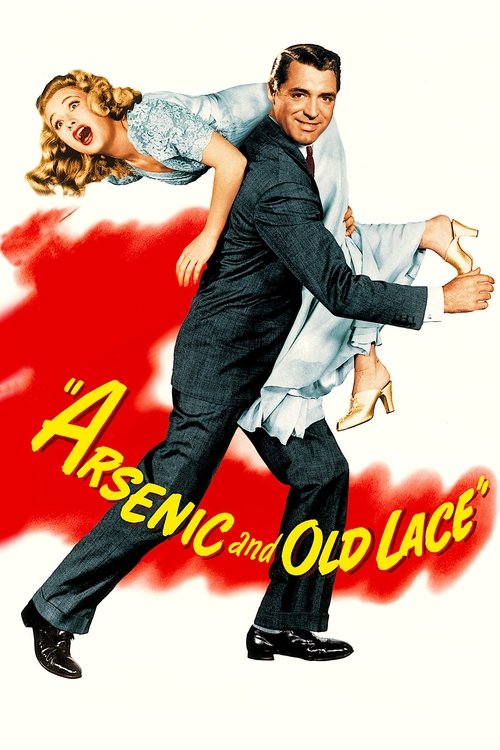
Arsenic and Old Lace1944
Cary Grant discovers his sweet elderly aunts are serial killers. It's chaos, murder, and perfect comic acting. Like Deeds, it finds humor in the gap between appearance and reality—but where Deeds is touched by grace, this is controlled bedlam.
But The pacing is frenetic and the plot is essentially a runaway train. If you like breathing room in comedy, this won't give it to you.
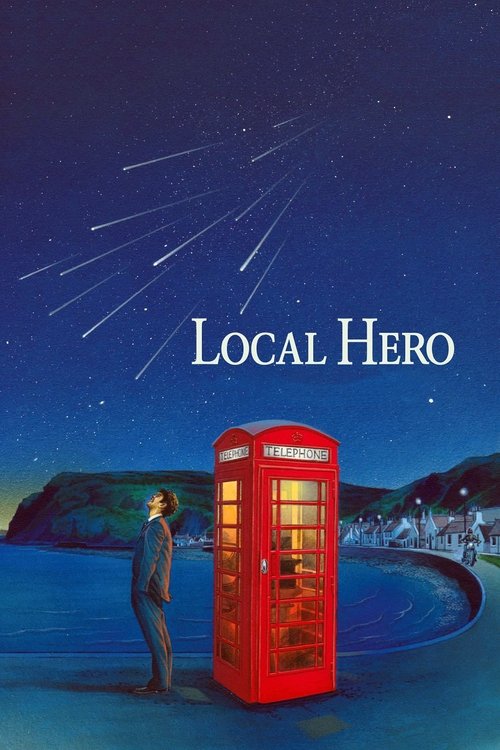
Local Hero1983
Same DNA—fish out of water, honest hearts versus mercenary systems—but born in a different era and a different country, with very different assumptions about who wins.
An American oil executive sent to a Scottish village to buy it for development instead finds he's being outsmarted by a community that has its own agenda. It's Deeds inverted—the small town is canny, the city man is naive. Warm, funny, and genuinely fond of all its characters without condescension.
But The pacing is slow and meandering; it's interested in atmosphere and character over plot momentum. American audiences often find it too quiet.
A Prophet2009
Both trust that decency and intelligence can navigate corrupt systems, but this removes the safety net of genre comedy and asks what that faith actually costs.
A young man imprisoned learns to navigate prison politics by watching, listening, and playing factions against each other. It's a masterclass in survival through intelligence and careful decency. The stakes are incomparably higher than Deeds—this is about making choices in a system that wants to destroy you—but both films trust their lead character's essential goodness to earn him a path forward.
But It's a French prison drama, not a comedy. Brutal, long, and morally serious in ways that ask a lot from the viewer. Not an evening's light entertainment.

People
Cast
 Gary CooperLongfellow Deeds
 Jean ArthurBabe Bennett
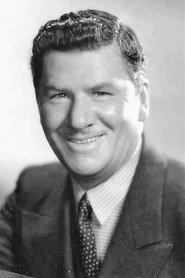 George BancroftMacWade
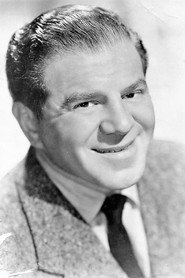 Lionel StanderCornelius Cobb
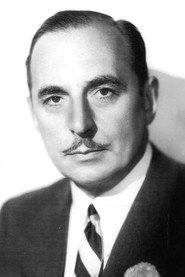 Douglass DumbrilleJohn Cedar
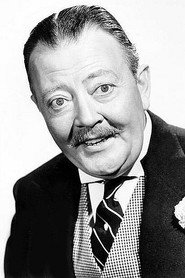 Raymond WalburnWalter
 H.B. WarnerJudge May
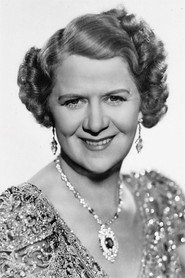 Ruth DonnellyMabel Dawson
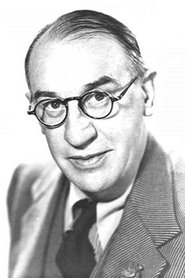 Walter CatlettMorrow
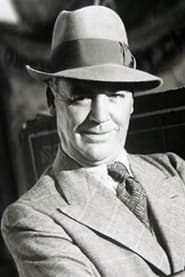 John WrayFarmer
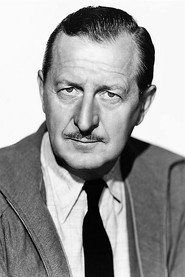 Stanley AndrewsJames Cedar (uncredited)
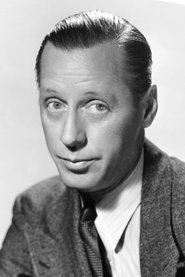 Irving BaconFrank (uncredited)
Directing
- Charles C. ColemanAssistant Director
- Frank CapraDirector
Writing
- Robert RiskinScreenplay
- Clarence Budington KellandShort Story
Production
- Frank CapraProducer
Recommended by
Harvey, State of the Union, Meet John Doe, Nothing but the Truth, Pot o' Gold, Seven Days' Leave