
Film
Nothing but the Truth
Other titles called Nothing but the Truth: the 2008 film.
- Screwball comedy
- Light-hearted
A stockbroker takes a wild bet: tell absolute truth for twenty-four hours and win $10,000. Bob Hope runs headlong into chaos as honesty becomes the worst policy, demolishing social pretense and professional decorum with every word. It's screwball comedy that finds the absurdity in politeness itself—fast, frequently funny, and completely of its 1941 moment.
Should you watch it?
Watch it if you enjoy screwball comedies built on a single outrageous premise, where the fun is watching a fast-talking man wriggle against his own mouth.
Skip it if your tolerance for creaky studio-era romance runs thin, since the one joke must carry the full ninety minutes without much variation in its rhythm.
What it asks of you: Ninety minutes, brisk and unbroken, with rapid-fire dialogue you will need to keep pace with rather than drift through.
Not sure? Find tonight's pick in a minute.
If you liked this
Liar Liar1997
Jim Carrey as a lawyer magically unable to lie for one day. Same premise, same escalating disaster, but with Carrey's manic energy turned up to eleven. Pure comic invention built on the foundation this film laid.
But The rubber-faced mugging feels dated now, and the emotional core about a broken family can feel manipulative if you're not in the mood for sentiment.

The Philadelphia Story1940
Cary Grant, Katharine Hepburn, and James Stewart in a comedy about truth and deception at a high-society wedding. Sharper, more sophisticated, with the same elegant ensemble style and that particular sparkle of 1940s Hollywood at its peak.
But The pacing is deliberate; modern comedies are faster. And the class politics—everyone's rich, everyone's charming—might feel remote.

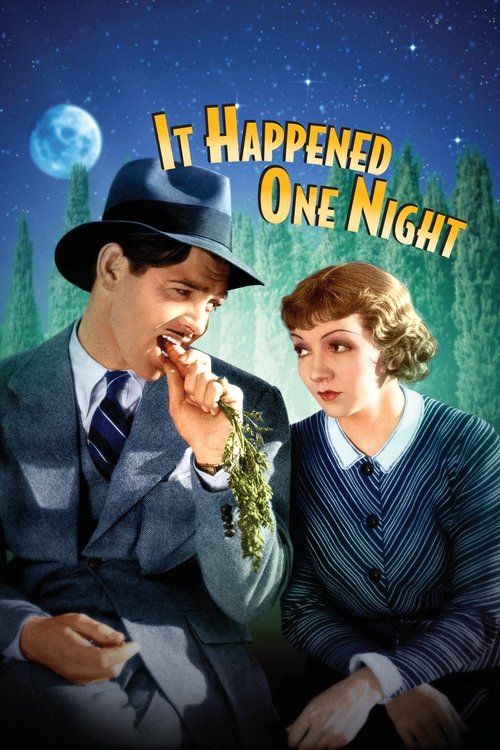
It Happened One Night1934
Clark Gable and Claudette Colbert in the template for romantic screwball: quick-witted banter, mistaken identities, the collision of different worlds. Pure speed and chemistry. This is where Hope learned to move.
But Nearly ninety years old. The print can be scratchy, and the romance is the main course, not a side dish.
Not sure tonight? Get a pick in a minute, starting from Nothing but the Truth
The wildcard
Something you would not have found on your own.
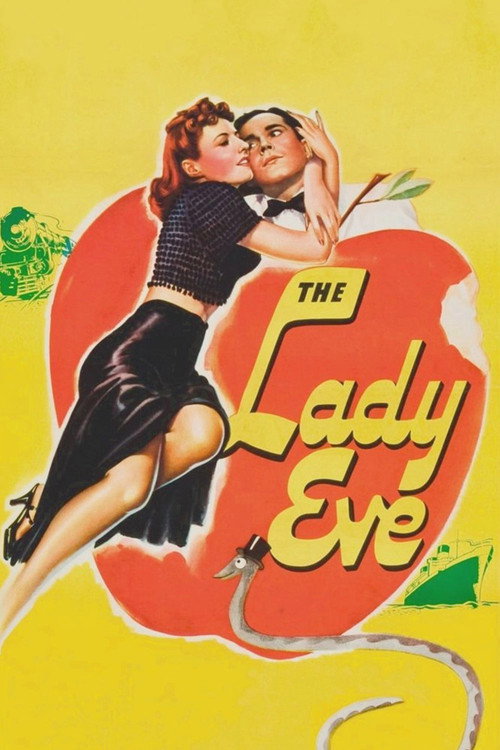
The Lady Eve1941
Both use deception—or its opposite—as the engine. But where Hope's truth is a disaster, Stanwyck's lies are an art form. They're inverses asking the same question: what happens when you stop performing?
Barbara Stanwyck and Henry Fonda in Preston Sturges's masterpiece about con artists and reversed schemes. Released the same year as Nothing but the Truth but operates in a different register entirely: sophisticated, cynical, morally murky. Stanwyck is a liar who lies beautifully, and Sturges makes that the whole point.
But It's slower than you'd expect for a comedy, and it hinges on female sexual power in ways some find uncomfortable. The tone shifts abruptly in the final act.
More like this (8)
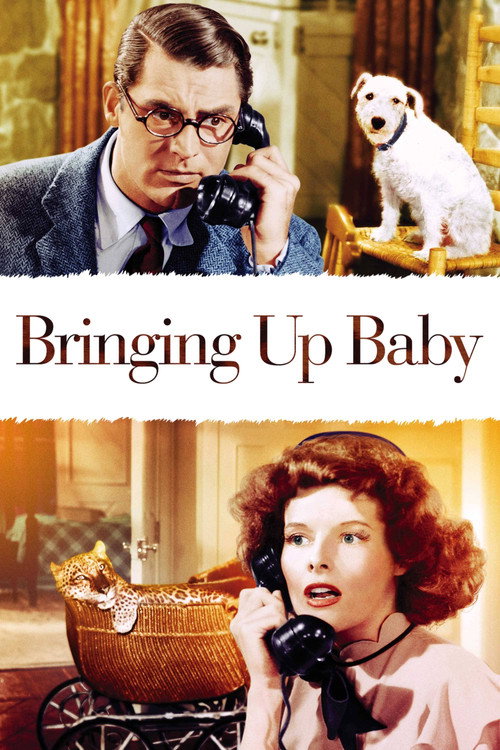
Bringing Up Baby1938
Cary Grant and Katharine Hepburn chasing a leopard and a dinosaur skeleton. The gold standard of screwball mayhem—every scene is built to topple the last one. Howard Hawks directing comedians like he's conducting chaos.
But The female lead is aggressively childlike in ways that read as annoying now rather than charming. The plot is deliberately, almost offensively thin.
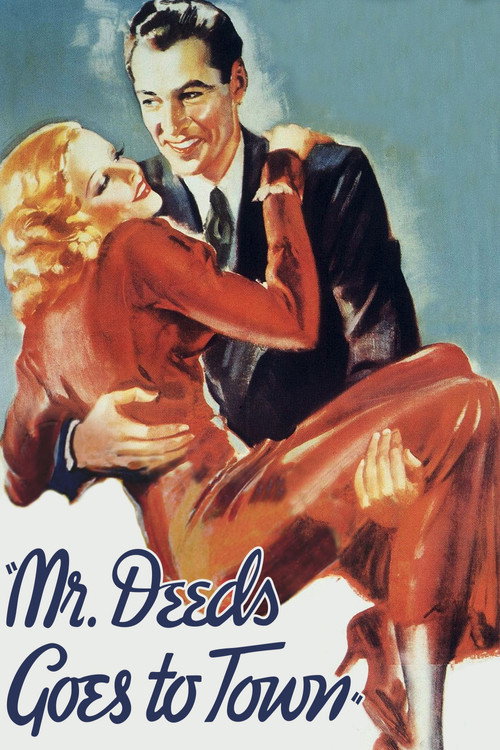
Mr. Deeds Goes to Town1936
Gary Cooper as a small-town rube who inherits millions and won't compromise his principles. The same core tension: honesty as threat to the smooth machinery of society. Capra's warmth and Hope's sharpness are cousins.
But It's more sentimental than Nothing but the Truth, and the pacing drags in places. The ending is pretty schmaltz.
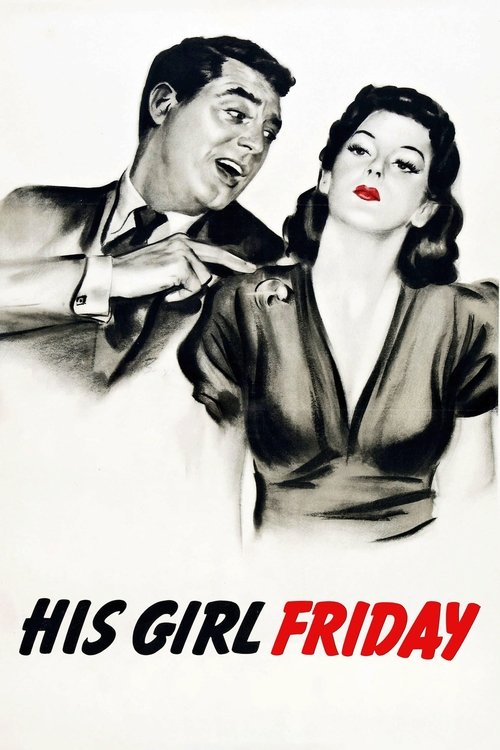
His Girl Friday1940
Cary Grant and Rosalind Russell in a newsroom scramble about an escaped convict. Talk-faster-than-light dialogue, rapid fire one-liners, two people perfectly matched in speed and wit. Comedy as linguistic duel.
But The dialogue is so overlapped and quick it sometimes feels like you're watching with subtitles off. Requires full attention, which some people find exhausting.
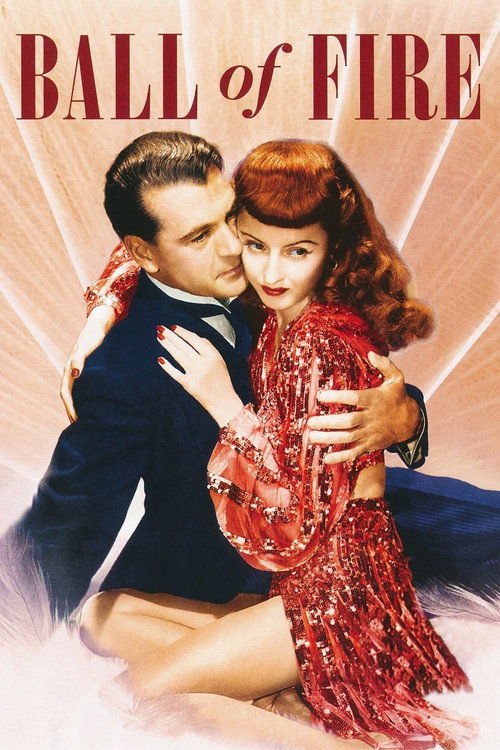
Ball of Fire1941
Gary Cooper and Barbara Stanwyck. A professor and his prim colleagues get tangled with a nightclub singer. Same year as Nothing but the Truth, same energy, but Stanwyck's sass is a match even Cooper can't quite keep up with.
But The plot relies on pretty sharp class and gender stereotypes. And it takes a while to get going.
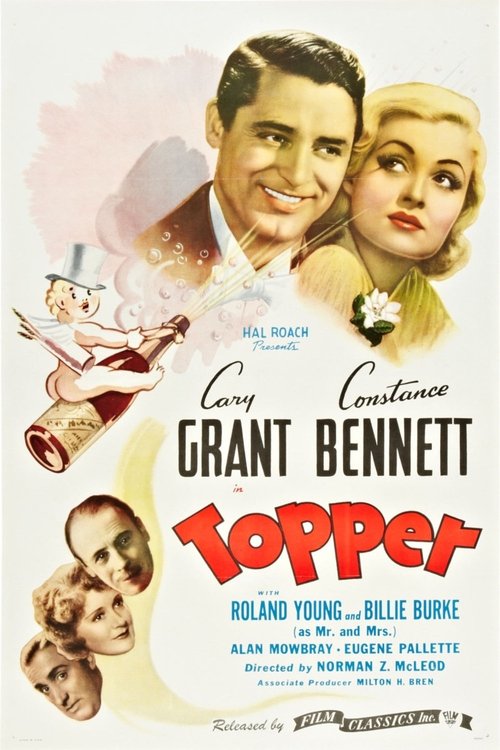
Topper1937
Cary Grant and Constance Bennett as ghosts trying to make a stuffy banker's life less dull. Supernatural screwball with charm to spare. Less frantic than Hope's version but just as committed to the idea that propriety is the enemy.
But The special effects are obvious, even for 1937. And the pacing has that 30s leisureliness that doesn't suit everyone's mood.
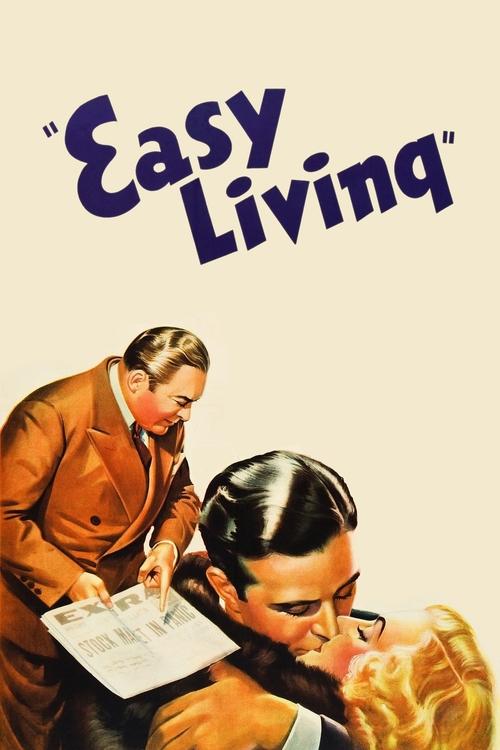
Easy Living1937
Jean Arthur as an ordinary woman mistaken for a wealthy widow. Same basic machinery as Nothing but the Truth—accident spiraling into consequences—but with Jean Arthur's deadpan perfection leading the charge.
But Less overtly comedic than you might expect; it's more about character and situation. The ending is a little rushed.
Singin' in the Rain1952
Both are comedies about the collision between appearance and reality, but one uses song and dance to express it instead of dialogue. Same shape, completely different texture. Both are about people trying to survive in systems designed to reward deception.
Gene Kelly, Donald O'Connor, and Debbie Reynolds navigate the chaos of early talkies. Yes, it's a musical, but it's built on the same screwball logic: escalation, physical comedy, characters bumbling toward honesty. O'Connor's performance is a masterclass in commitment to the bit.
But If you don't like musicals, the singing will feel like interruptions rather than climaxes. And the plot—about a film being made—can feel slight even as the execution is immaculate.

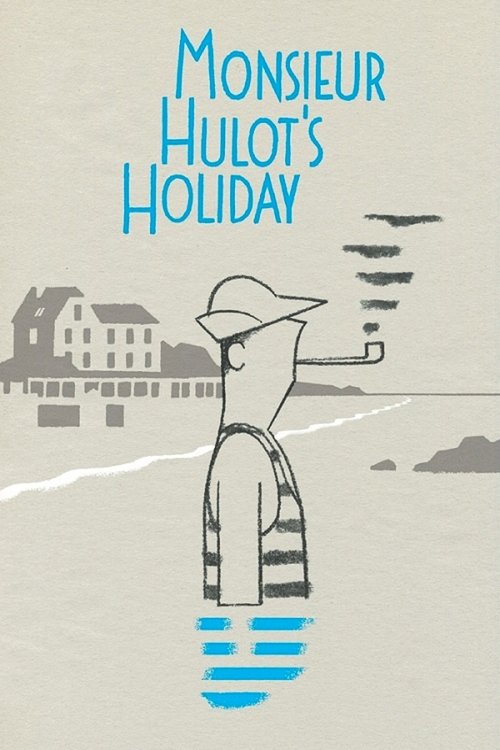
Monsieur Hulot's Holiday1953
Both argue that honesty—or in Hulot's case, innocent obliviousness—is incompatible with social order. But where Hope's truth is verbal and aggressive, Tati's is physical and almost accidental. One uses words as weapons; the other uses a body.
Jacques Tati as a gangly Frenchman whose mere presence at a seaside resort demolishes every social nicety. No sharp dialogue—just physical comedy, architectural gags, and the brilliant observation that politeness is a fragile structure. Tati watches the world like an anthropologist; Hope attacks it like a comedian.
But It's extremely quiet and contemplative. There are long stretches with almost no dialogue. If you want quips and zingers, this will feel slow and alienating.
People
Cast
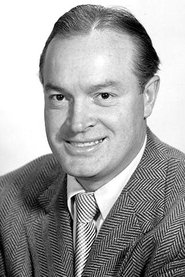 Bob HopeSteve Bennett
 Paulette GoddardGwen Saunders
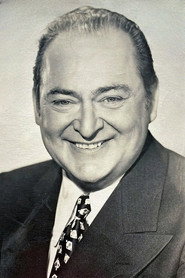 Edward ArnoldT.T. Ralston
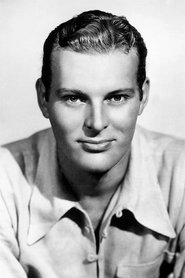 Leif EricksonTommy Van Dusen
 Helen VinsonLinda Graham
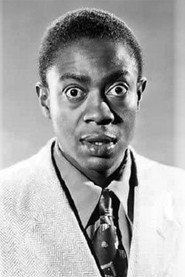 Willie BestSamuel
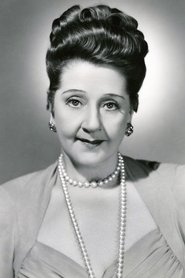 Catherine DoucetMrs. Van Dusen
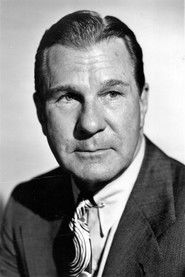 Glenn AndersDick Donnelly
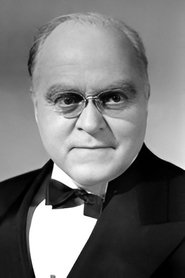 Grant MitchellMr. Bishop
 Rose HobartMrs. Harriet Donnelly
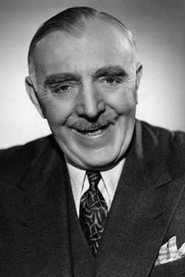 Clarence KolbMr. Van Dusen
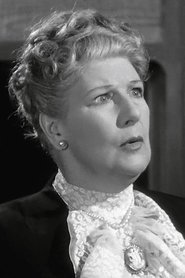 Mary ForbesMrs. Ralston
Directing
- Charles C. ColemanAssistant Director
- Hal WalkerAssistant Director
- Elliott NugentDirector
Writing
- Frederic S. IshamNovel
- Don HartmanScreenplay
- Ken EnglundScreenplay
- James MontgomeryTheatre Play
Production
- Buddy G. DeSylvaExecutive Producer
- Arthur Hornblow Jr.Producer