
Film
Nothing but the Truth
Other titles called Nothing but the Truth: the 1941 film.
A taut political thriller about a reporter jailed for protecting her source after exposing a CIA operative's identity. Kate Beckinsale anchors a sharp ensemble cast as Rachel Armstrong faces down federal prosecution with her freedoms collapsing around her. It's a contained, intelligent drama about the collision between national security and press freedom—urgent without grandstanding, and genuinely tense.
If you liked this
Spotlight2015
Journalists pursuing a massive institutional cover-up, methodical and unflinching. This film also builds power through dogged reporting and moral clarity, with an ensemble that crackles with purpose and mutual respect.
But It's measured and deliberate rather than propulsive. If you want your thrillers loud and fast, this will feel slow.

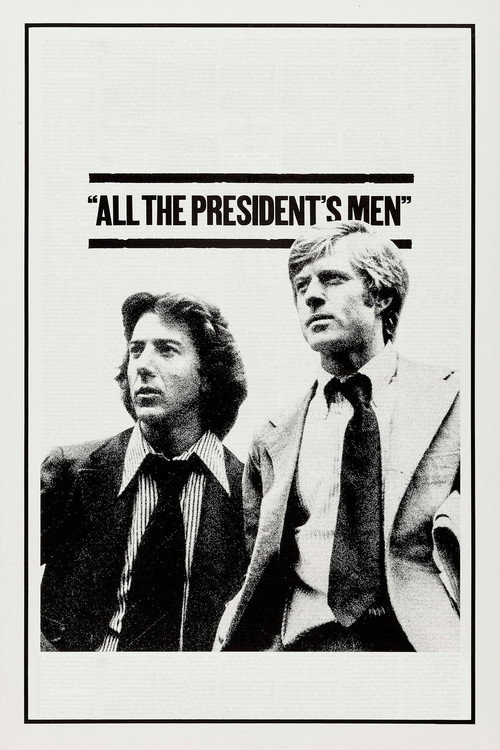
All the President's Men1976
Woodward and Bernstein chasing the Watergate story as the walls close in. A masterclass in procedural tension—two reporters against the machinery of power, with every scene earning its weight.
But Seventies pacing. It doesn't hurry, and some of the technical detail about journalism can feel dense on first viewing.
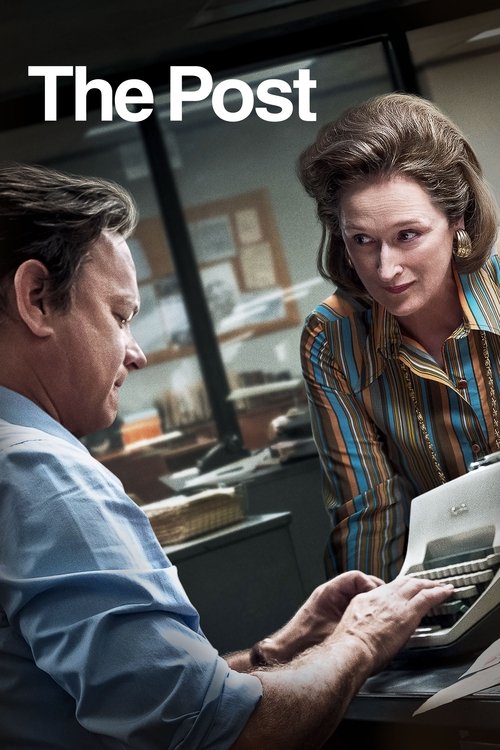
The Post2017
Meryl Streep and Tom Hanks navigate the Pentagon Papers crisis: when does the paper publish, when does the editor yield? A clear-eyed debate about institutional courage with two towering performances.
But Spielberg's hand can feel a touch heavy-handed in places, and the moral outcome is never truly in doubt.
Not sure tonight? Get a pick in a minute, starting from Nothing but the Truth
The wildcard
Something you would not have found on your own.
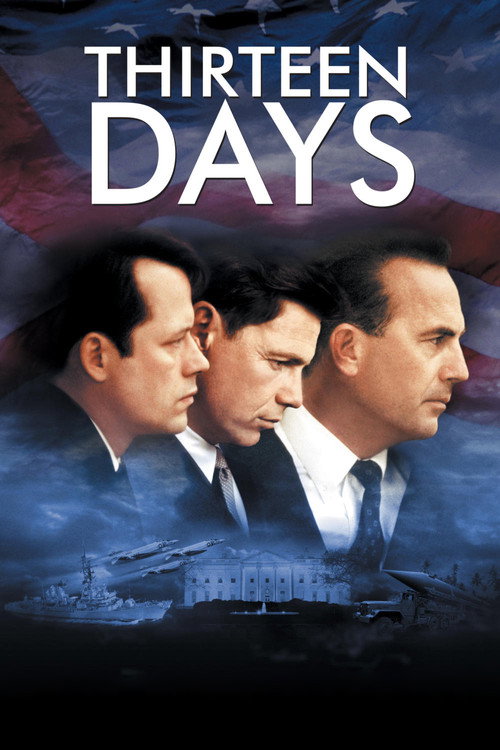
Thirteen Days2000
Both centre on individuals whose loyalty to their institution conflicts with their conscience, and explore how far the system will go to protect itself.
The Cuban Missile Crisis from inside the Kennedy administration—tense, procedural, about smart people making impossible calls under pressure. Less about press freedom and more about institutional loyalty tested to breaking point, but structurally identical: ordinary people vs. the machinery of state.
But Kevin Costner's Boston accent is genuinely distracting, and the film sometimes prioritises melodrama over geopolitical reality.
More like this (8)
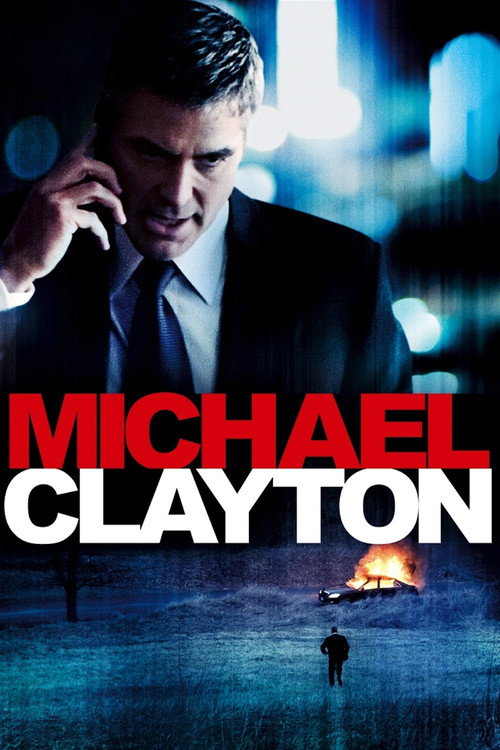
Michael Clayton2007
A lawyer caught between conscience and survival in a corporate conspiracy. George Clooney is compelling, the plot twists genuinely land, and it captures the suffocation of being cornered by forces larger than yourself.
But The plot can feel overcooked in retrospect, and the third act leans harder on thriller mechanics than the first half promised.
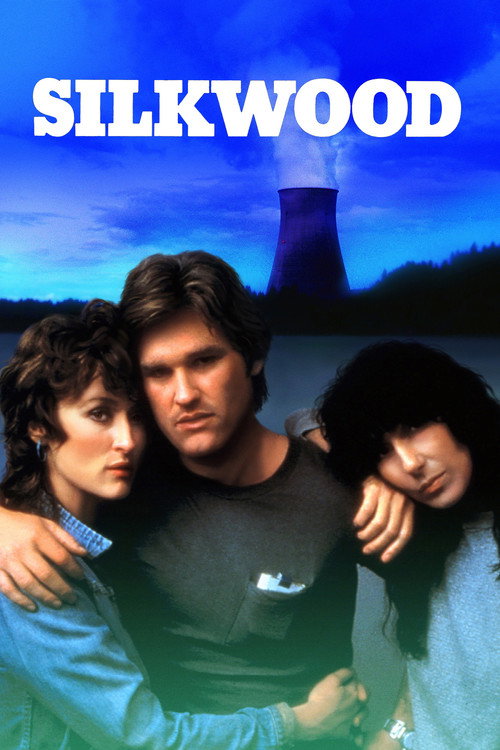
Silkwood1983
Meryl Streep as a nuclear facility worker who becomes a whistleblower. Grounded, human, and deliberately paced—it's about the cost of telling the truth, not just the act of telling it.
But It's elegiac rather than exciting. The momentum builds slowly, and some may find it too quiet for a thriller.
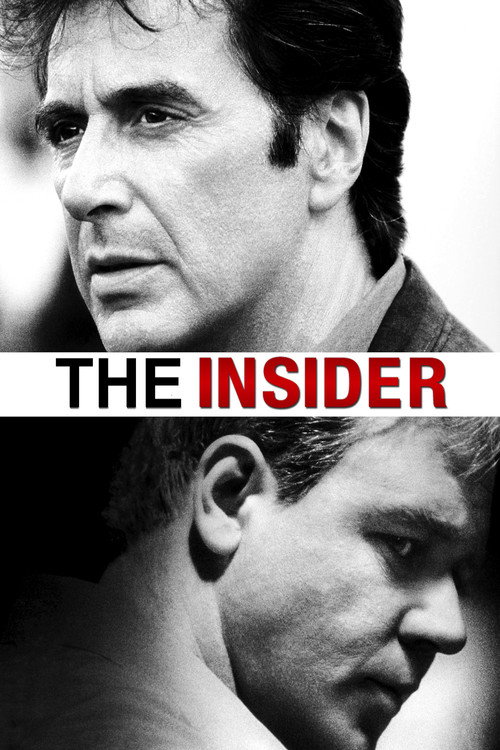
The Insider1999
Russell Crowe as a tobacco executive turned whistleblower, battling legal threats and institutional pressure. Michael Mann's film pulses with paranoia and the physical toll of defiance.
But It runs nearly three hours and can feel repetitive in places. The pacing occasionally works against itself.
A Few Good Men1992
Military lawyers confronting an institution's lies in court. Sharp dialogue, ensemble excellence, and a climax that actually earns its power. It understands how systems protect themselves.
But It's become a cultural touchstone that sometimes overshadows the actual film. It can feel familiar if you've absorbed it through quotation.

Compliance2012
A disturbing true story of a fast-food manager manipulated into imprisoning an employee by a fake authority figure. Deeply uncomfortable and unnervingly credible—explores how ordinary people capitulate.
But It's deliberately nasty and offers no catharsis. Some will find it exploitative, and the slow-burn format makes discomfort the point rather than the journey.

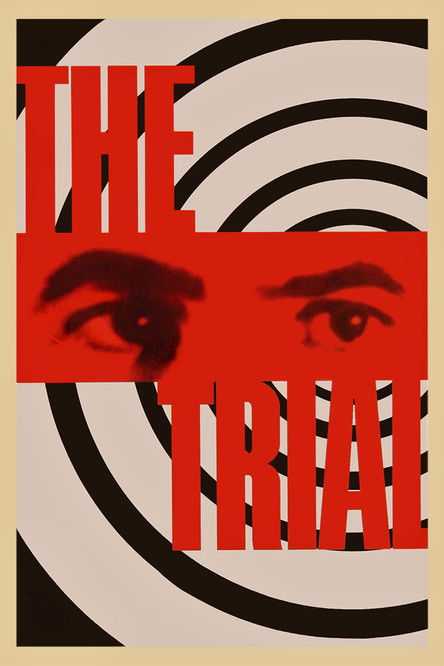
The Trial1962
Kafka's nightmare of bureaucratic entrapment brought to screen by Orson Welles. Black-and-white, expressionist, hypnotic—an accused man crushed by a system that never explains itself.
But It's oblique and abstract rather than plot-driven. If you want clarity and forward momentum, this will frustrate.
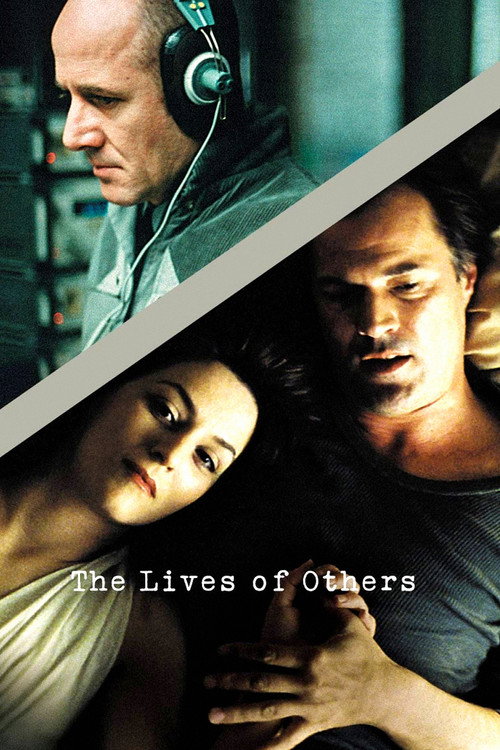
The Lives of Others2006
Both are about states weaponising their institutions against individuals, and both ask: at what point does your loyalty to the system become complicity with evil?
A Stasi surveillance officer monitoring a playwright begins to question the state he serves. German, intricate, and devastating—about how totalitarianism operates through quiet complicity rather than overt force. The tension is psychological and moral, not plot-based.
But It's slow and interior. Subtitled, melancholic, and the payoff is spiritual rather than dramatic or legal.
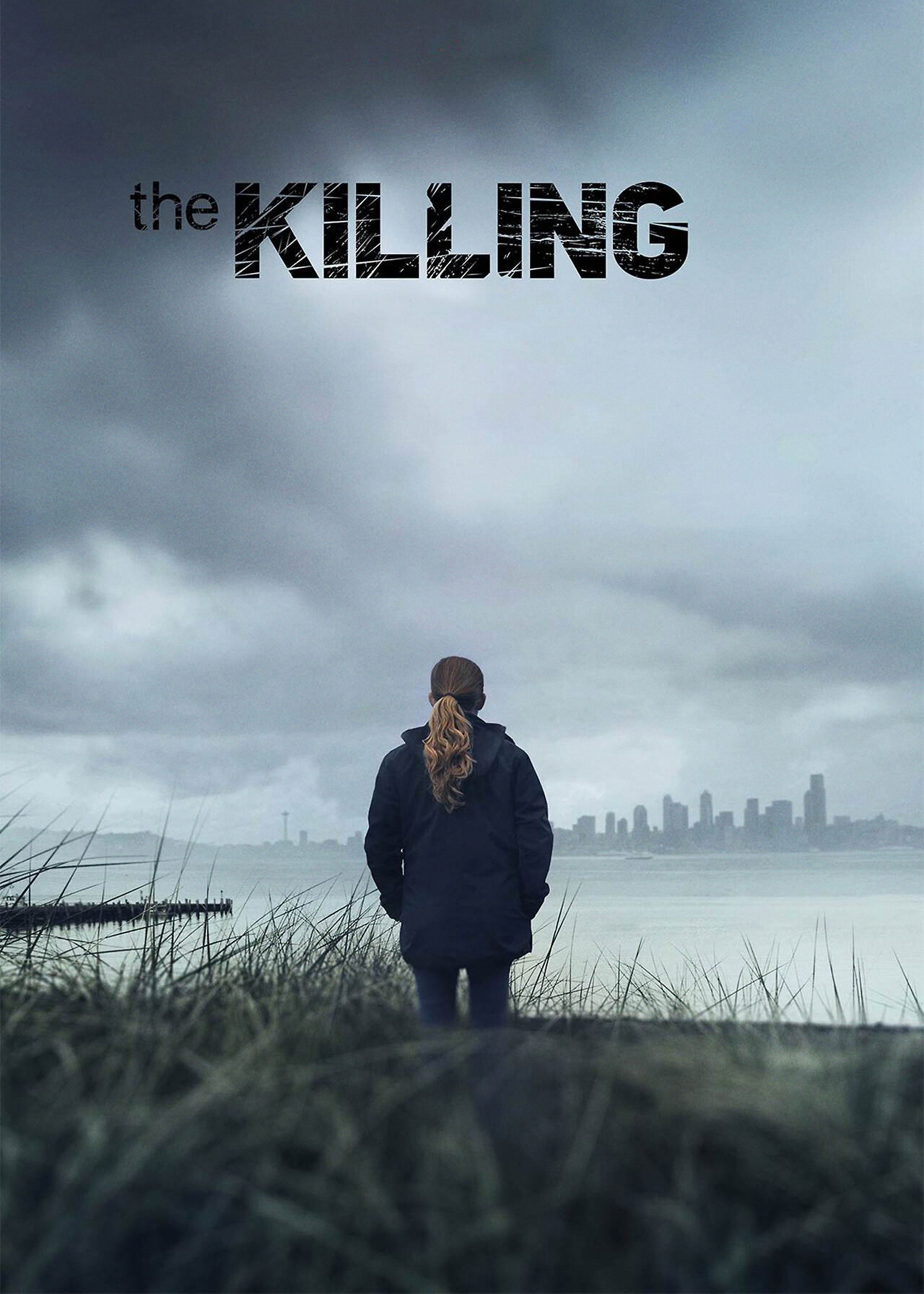
The Killing2011
Both explore how institutions—government, media, law—chew up individuals and spit them out. Neither one ends with the cathartic victory you expect.
Danish crime series where a detective's investigation of a murder becomes a meditation on institutional corruption, media manipulation, and how systems fail the powerless. Hypnotic, dark, and genuinely unpredictable—trades American reassurance for Nordic ambiguity.
But It's glacially paced and the ending divides viewers. Some find it bleak to the point of nihilism; others think the payoff doesn't justify the investment.
People
Cast
 Kate BeckinsaleRachel Armstrong
 Matt DillonPatton Dubois
 Angela BassettBonnie Benjamin
 Alan AldaAlbert Burnside
 Vera FarmigaErica Van Doren
 David SchwimmerRay Armstrong
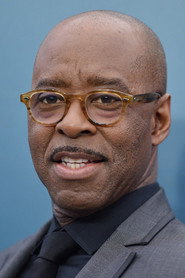 Courtney B. VanceAgent O'Hara
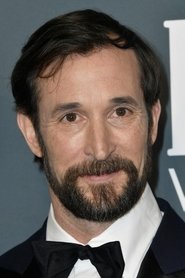 Noah WyleAvril Aaronson
- Floyd AbramsJudge Hall
 Preston BaileyTimmy Armstrong
- Kristen BoughAllison Van Doren
 Julie Ann EmeryAgent Boyd
Directing
- Rod LurieDirector
Writing
- Rod LurieWriter
Production
- Bob YariProducer
- Marc FrydmanProducer
- Rod LurieProducer