
Film
State of the Union
A 1948 Frank Capra comedy-drama where a idealistic industrialist runs for President and discovers that ambition corrodes everything it touches—marriage, integrity, conviction. Spencer Tracy and Katharine Hepburn spar brilliantly as a couple watching each other become strangers. It's wry, sometimes sharp, about the cost of wanting power.
Should you watch it?
Watch it if you enjoy sharp, talky romantic comedy where two strong-willed people trade barbs over whether ideals survive ambition, and you're happy watching a marriage get tested in rooms full of talk.
Skip it if you want fast plot momentum or a crisp modern pace, since its 1940s political chatter and a two-hour runtime move at a deliberate, wordy clip that can feel dated.
What it asks of you: Expect a long, talky stretch where argument and glances set the rhythm rather than action, so give it your full attention.
Not sure? Find tonight's pick in a minute.
If you liked this
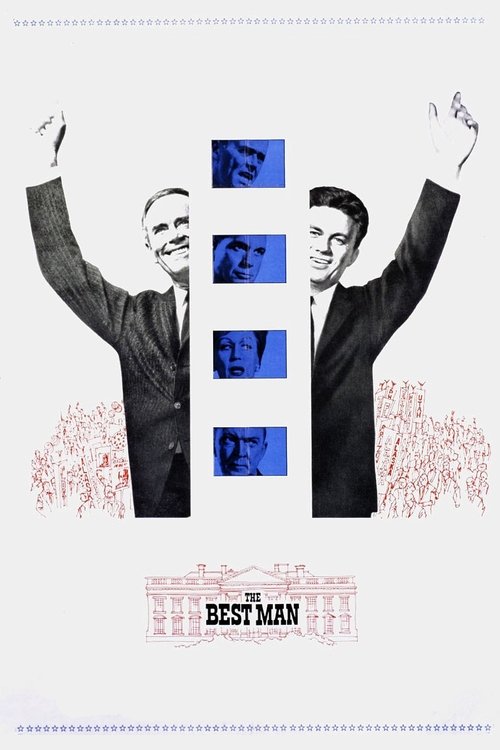
The Best Man1964
A ruthless examination of a Presidential campaign where morality is negotiable currency. Henry Fonda's script cuts deeper than Capra's, and the ensemble cast—Gore Vidal himself, Franklin Schaffner directing—treats politics as tragedy, not screwball comedy.
But It's airless and talky; there's no romantic subplot to lighten the mood, and the cynicism is relentless. Moves slowly by modern standards.
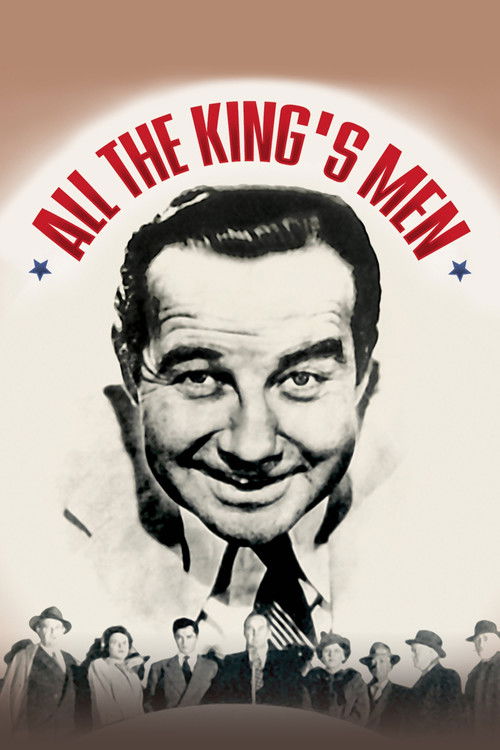
All the King's Men1949
A demagogue's rise and fall told with genuine darkness. Broderick Crawford is hypnotic as a man who starts wanting to do good and becomes a tyrant. Made the same year as State of the Union but with no comforting jokes.
But The corruption is total and soul-crushing. If you need to believe humans can resist, this will exhaust you.
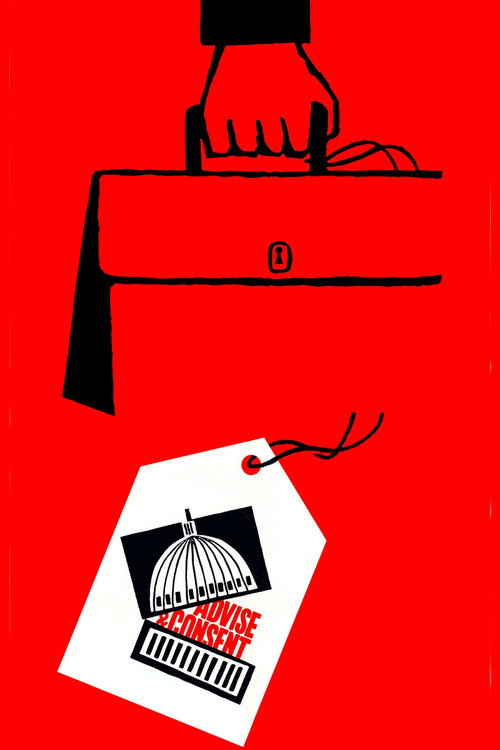
Advise & Consent1962
Otto Preminger's masterpiece about a nominee for Secretary of State and the Senate machinery grinding him to pieces. Political intrigue, moral complexity, and a cast that includes Henry Fonda, Walter Pidgeon, and Charles Laughton. Genuinely tense.
But It's a procedural, so some scenes are repetitive. The film is long and demands your attention.
Not sure tonight? Get a pick in a minute, starting from State of the Union
The wildcard
Something you would not have found on your own.
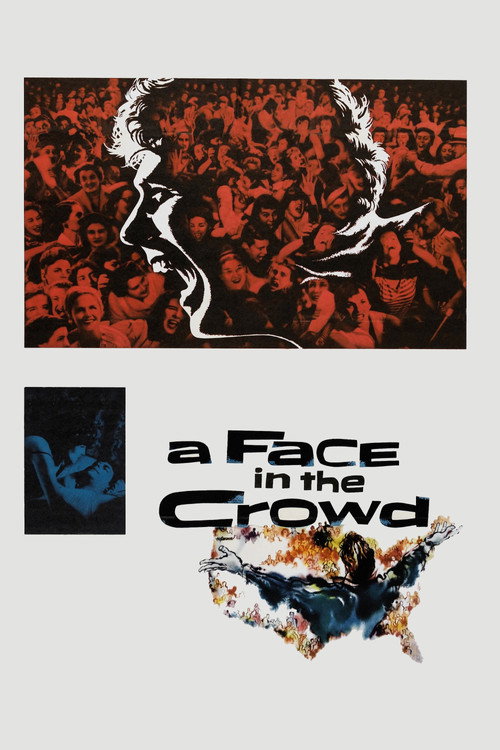
A Face in the Crowd1957
Both films watch idealistic people become corrupted by systems designed to reward corruption. Both understand that the system will destroy you if you resist it and own you if you don't.
Elia Kazan and Budd Schulberg made a film about a charismatic nobody who becomes a media god through pure manipulation. Andy Griffith—brilliant and terrifying—plays a man built entirely of surfaces. It's about the machinery of American persuasion, the same machinery State of the Union examines but through the lens of broadcast media instead of politics.
But The misogyny is not dated—it's embedded. The ending punishes the female lead for being both ambitious and sexual in ways that feel like author's vengeance. Patricia Neal is extraordinary in it, but the film uses her hard.
More like this (8)
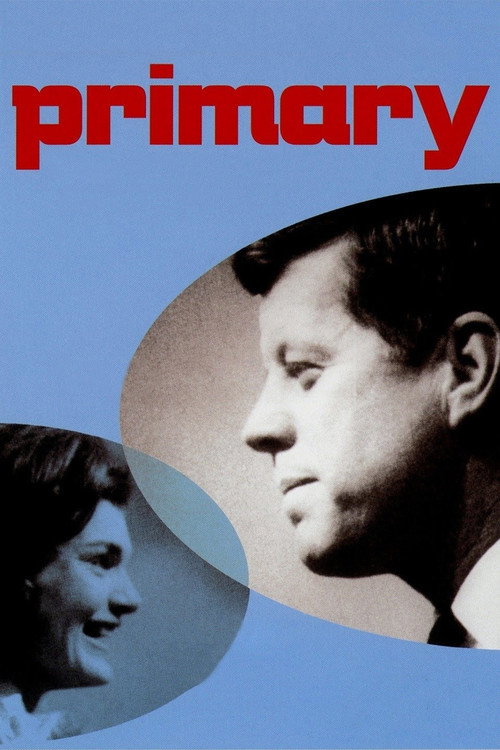
Primary1960
Documentary following Kennedy and Humphrey's 1960 primary battle. Grierson and Leacock invented cinema verité here. You see the machinery raw—no script, no performance, just the relentless choreography of politics.
But It's stark and sometimes dull. Without a narrative arc, patience is required. Black-and-white 16mm footage feels remote now.
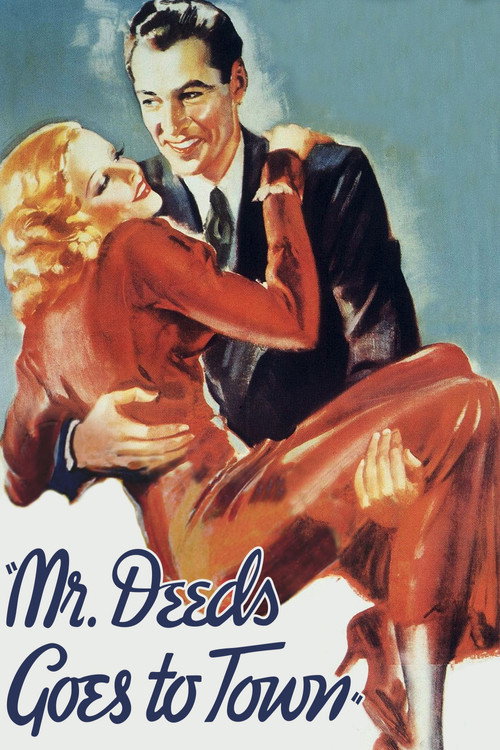
Mr. Deeds Goes to Town1936
The closest Capra spiritual ancestor to State of the Union. Gary Cooper as an innocent inheriting millions and trying to stay decent in a corrupt system. Same director, same DNA, same warmth wrapped around genuine anger at greed.
But It's gentler and more sentimental than State of the Union. If you want sharper teeth, this might feel soft.
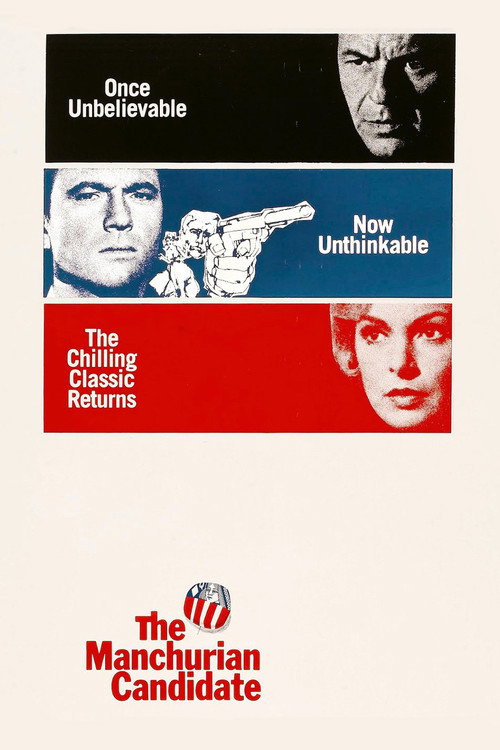
The Manchurian Candidate1962
Political horror wrapped in a thriller. Frank Sinatra, Laurence Harvey, and Angela Lansbury in a film about manufactured candidates and corrupted power. It moves like nothing else, and the black comedy has real bite.
But It's genuinely unsettling—paranoid, sometimes ugly. The 1962 context dates it, and some scenes feel exploitative rather than satirical.
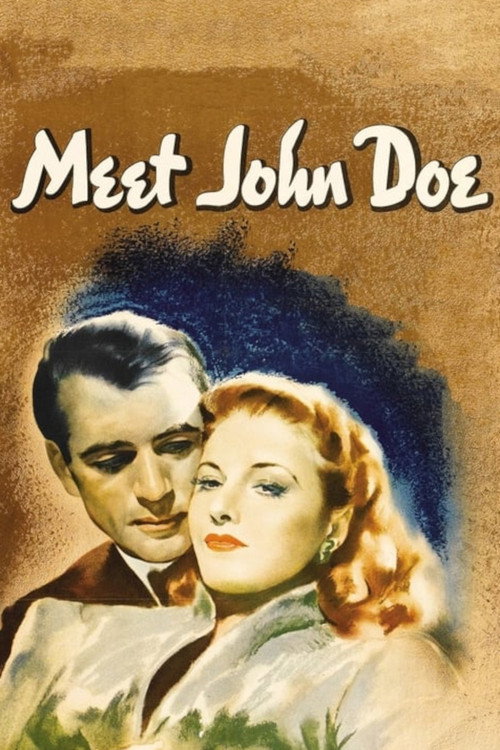
Meet John Doe1941
Another Capra about the machinery of public deception and individual conscience. Gary Cooper again, Barbara Stanwyck, and a script about how the powerful weaponize ordinary decency. Darker than you'd expect from the director.
But The ending divides viewers—some find it hopeful, others feel betrayed. It's also very much a 1941 film, which shows.
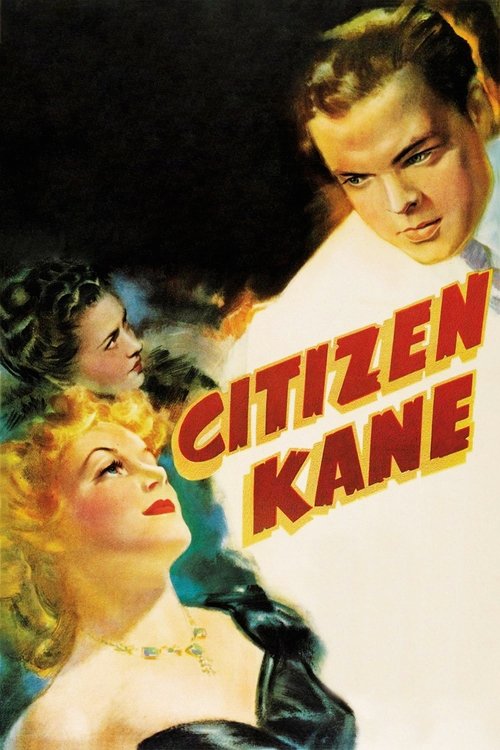
Citizen Kane1941
The obvious reference point for ambition's corrosion. Orson Welles as a man who had everything and ruined it all. A masterpiece that still shocks with its formal invention and emotional precision.
But Everyone's seen it or thinks they have. The puzzle-box structure can feel mannered. It's not as fun as State of the Union—it's a museum piece now, even if it's a perfect one.
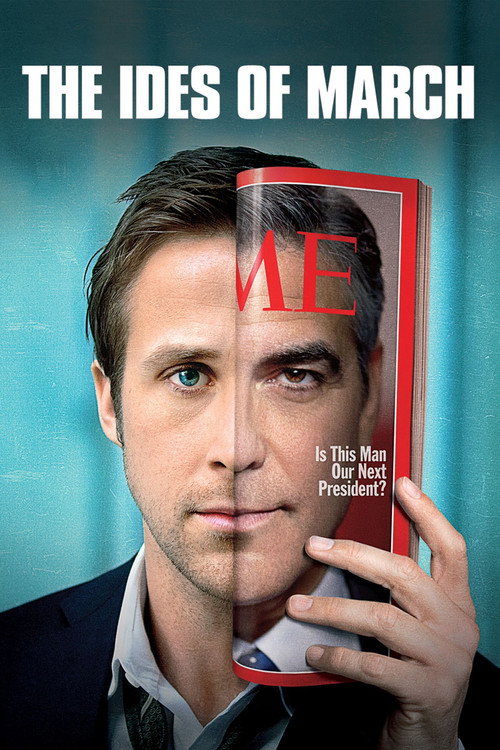
The Ides of March2011
Lean, nasty, and contemporary. George Clooney directs and stars in a campaign noir where everyone is compromised and nothing is sacred. Ryan Gosling watches it happen with slowly dawning horror. Dark and taut.
But It's bleak without nuance. There's no character you can root for, no mercy in the script. If you want your politics with humanity, this isn't it.
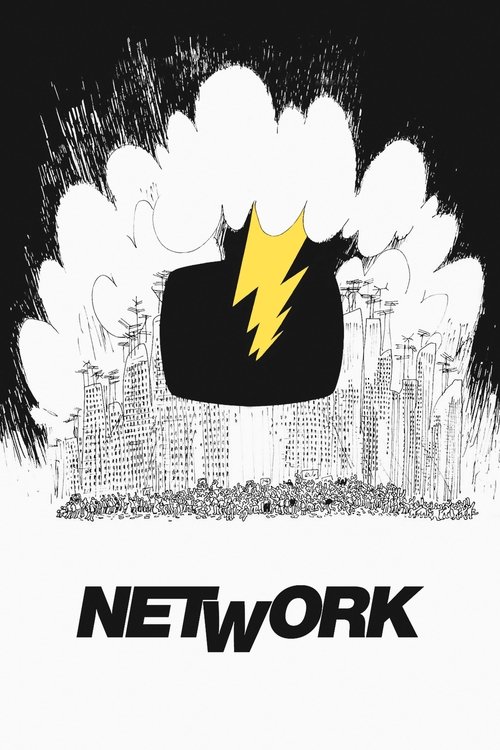
Network1976
Both are about how systems consume the people inside them, but Network understands that the system is media itself—the thing that sells candidates like it sells soap. State of the Union thought the problem was politics; Network knew the problem was how we watch.
Sidney Lumet's fury at American power disguised as a comedy. Peter Finch as a news anchor losing his mind on air, Faye Dunaway as a programmer willing to stage terrorism for ratings. Paddy Chayefsky's script is prophetic—he saw exactly what would happen.
But It's relentlessly cynical and performative. Every character is shouting. The satire is so broad it sometimes feels like parody, and the misogyny rivals A Face in the Crowd. Also incredibly 1970s.
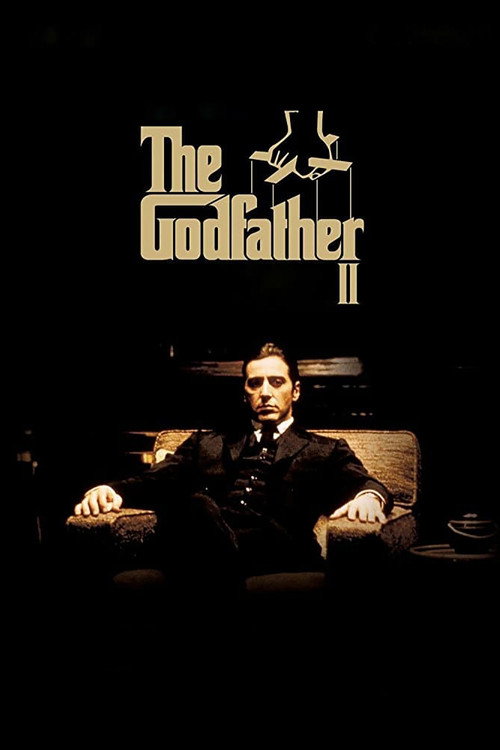
The Godfather Part II1974
The same thesis: that any system corrupting enough to offer you what you want is corrupting enough to destroy what you are. State of the Union says this about democracy. The Godfather Part II says it about power itself, and means it more deeply.
Coppola and Puzo made a film about power as corruption as inevitability. Two timelines—Vito's rise and Michael's consolidation. Both men start with honor and end as tyrants. The film is a perfect machine examining how institutions and ambition transform men into something else entirely.
But It's a gangster film, not a political one. If you came to State of the Union for the Tracy-Hepburn marriage, the Corleones will feel operatic and remote. It's also 3 hours 40 minutes and refuses to move faster.
People
Cast
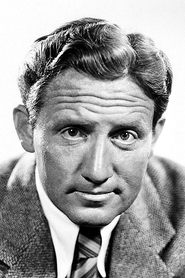 Spencer TracyGrant Matthews
 Katharine HepburnMary Matthews
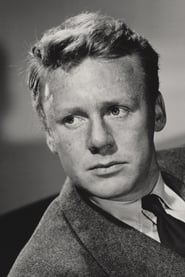 Van JohnsonSpike McManus
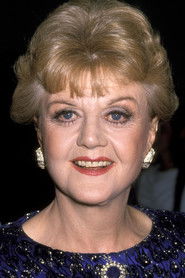 Angela LansburyKay Thorndyke
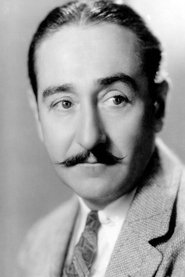 Adolphe MenjouJim Conover
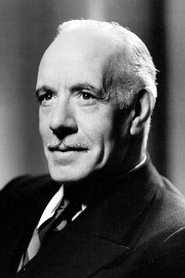 Lewis StoneSam Thorndyke
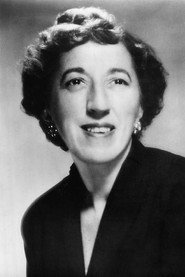 Margaret HamiltonNorah
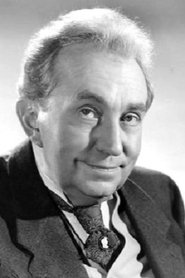 Charles DingleBill Nolard Hardy
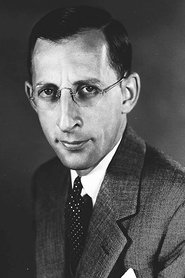 Charles LaneBlink Moran
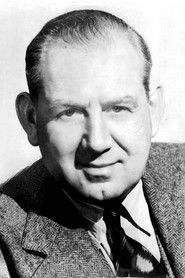 Howard SmithSam I. Parrish
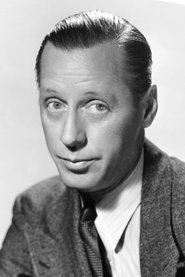 Irving BaconBuck Swenson
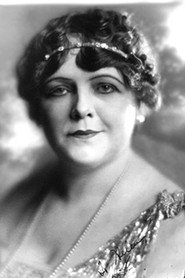 Maidel TurnerLulubelle Alexander
Directing
- Frank CapraDirector
- Eylla JacobsScript Supervisor
Writing
- Anthony VeillerScreenplay
- Myles ConnollyScreenplay
- Howard LindsayTheatre Play
- Russel CrouseTheatre Play
Production
- Frank CapraProducer
Recommended by
Advise & Consent, The American President, The Talk of the Town, Living in a Big Way, The Remarkable Andrew, Pocketful of Miracles, Lady for a Day, Keeping Company, I Married an Angel