
Film
The Remarkable Andrew
A wartime fantasy-comedy where a scrupulous small-town accountant fighting corruption is visited by the ghost of Andrew Jackson, who summons other Founding Fathers only he can see. It's a cheerful, star-stuffed civics lesson dressed up as screwball comedy—earnest about American ideals but light on its feet. Perfect for anyone who finds both history and mid-century Hollywood charm irresistible.
Should you watch it?
Watch it if you enjoy a meek little clerk turned underdog fantasy, where patriotic wit and talky, sharp dialogue carry the jokes more than special effects.
Skip it if you need brisk pacing or modern effects, since the talk-heavy scenes of historical figures trading quips can feel static and stagey.
What it asks of you: Eighty-one minutes, a light touch, and attention to the dialogue; it moves briskly and rewards listening more than watching closely.
Not sure? Find tonight's pick in a minute.
If you liked this
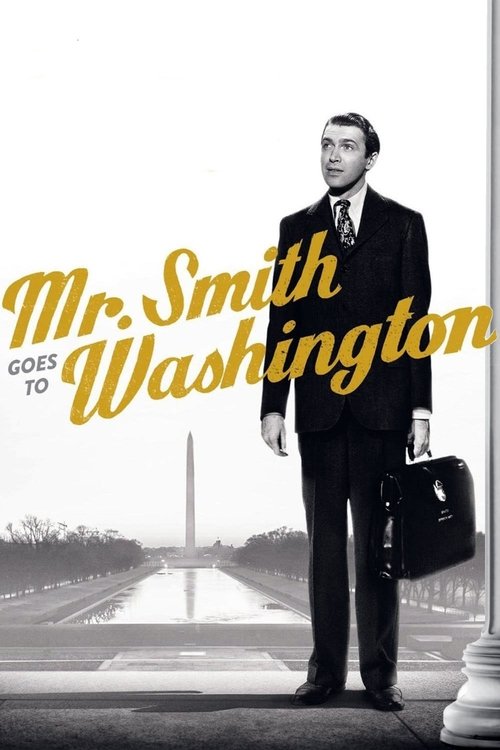
Mr. Smith Goes to Washington1939
James Stewart as an idealistic everyman taking on entrenched corruption. It shares The Remarkable Andrew's faith that one honest person can move mountains, wrapped in the same patriotic warmth and faith in institutions.
But It's sentimental in a way that can feel naïve now. The climax relies on a speech that goes on and on—powerful if you're with it, exhausting if you're not.
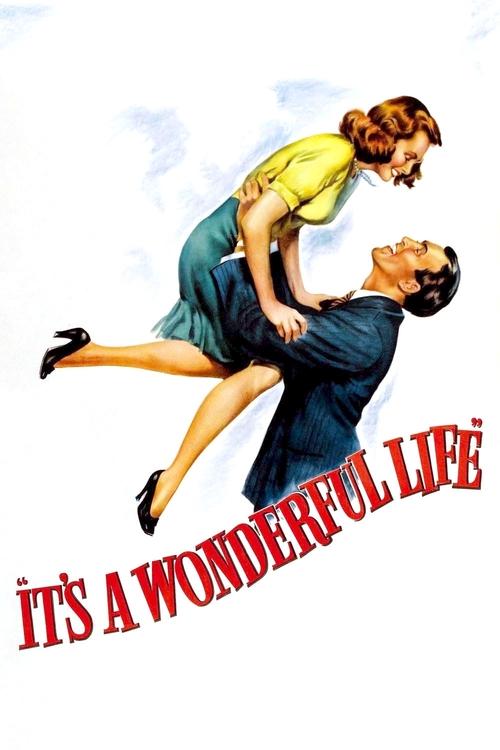
It's a Wonderful Life1946
Ghosts, small-town America, a hero who sees what his integrity costs and gains. Both films believe deeply in civic virtue and redemption. Capra was also the director here, so you're getting his worldview refined.
But The sentimentality is heavier and the pacing slower. It demands patience and a particular mood. Not a film you can half-watch.
The Philadelphia Story1940
Sparkling ensemble comedy with real stars playing versions of themselves, where wit and social intelligence matter. The banter and the pleasure of watching excellent actors enjoy their material is similar.
But The screwball rhythm is much faster and the stakes are romantic rather than civic. You need to keep up or you'll miss the jokes.

Not sure tonight? Get a pick in a minute, starting from The Remarkable Andrew
The wildcard
Something you would not have found on your own.
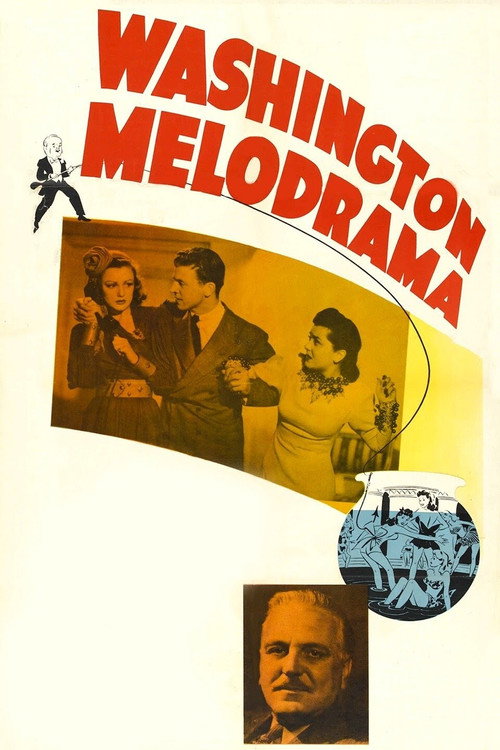
Washington Melodrama1941
Both are wartime American propaganda films that believe in civic virtue as a solution to corruption—but this one drops the whimsy and tries to make that belief feel urgent and real.
A forgotten wartime film where Ann Rutherford and Frank Morgan investigate corruption in Washington itself. It shares The Remarkable Andrew's faith that ordinary people can fight the system, but it plays it straight—no ghosts, no fantasy, just determination and good character.
But It's earnest to the point of stiffness. The plot is creaky and the dialogue clunky. It works as a period piece, not as drama.
More like this (8)
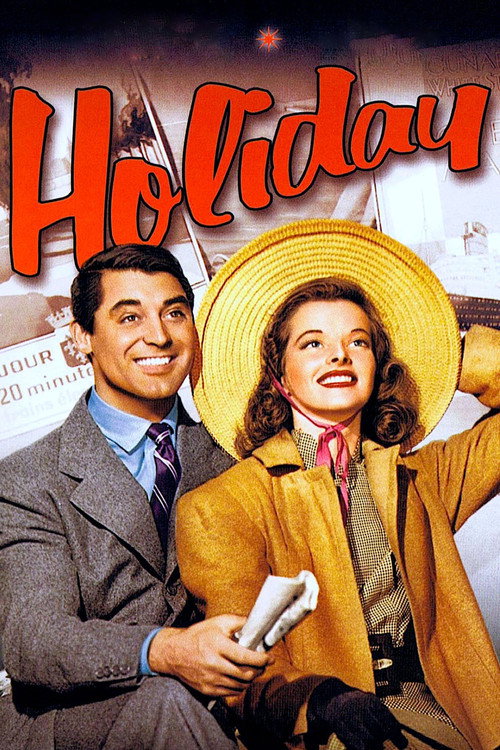
Holiday1938
Cary Grant and Katharine Hepburn in a comedy about rejecting corruption and materialism for integrity. It has the same earnest idealism about character, wrapped in urbane charm and excellent supporting players.
But The class politics date it. What feels principled can read as privileged. The pace is deliberate rather than zippy.
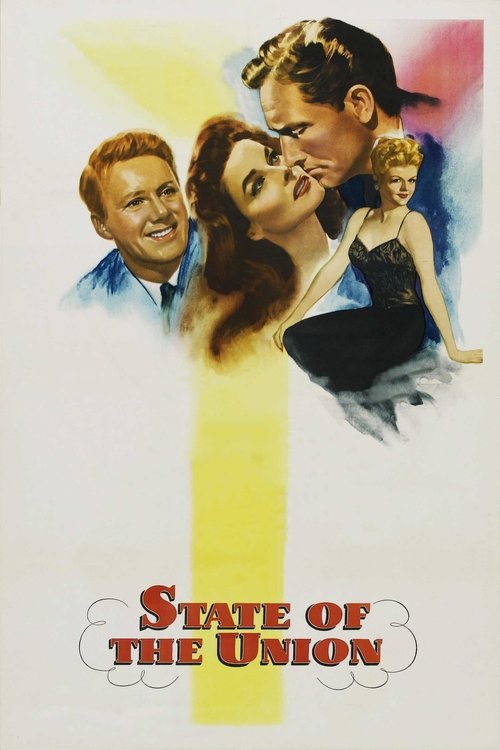
State of the Union1948
Spencer Tracy as an industrialist becoming a presidential candidate, wrestling with integrity versus ambition. It's another Capra film about American ideals tested by real circumstances, with ensemble star power and genuine political debate.
But It's more cynical and less whimsical than The Remarkable Andrew. The supernatural element is gone, replaced by marriage drama that some find slow.
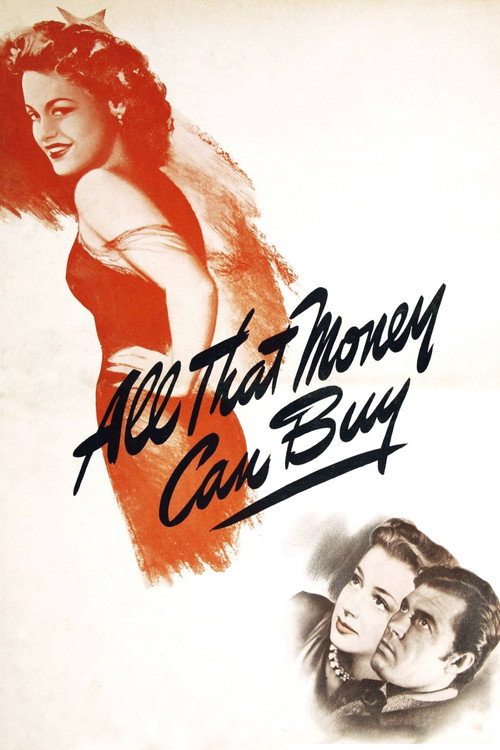
All That Money Can Buy1941
Supernatural Americana where a man makes a deal with the Devil and Daniel Webster defends him in court. It has the same fantastical patriotism and period-piece charm, with Edward Arnold as Webster stealing every scene.
But It's darker and stranger than The Remarkable Andrew—the tone is gothic rather than comedic. The courtroom climax relies on sentiment that won't land if you're not in the mood.
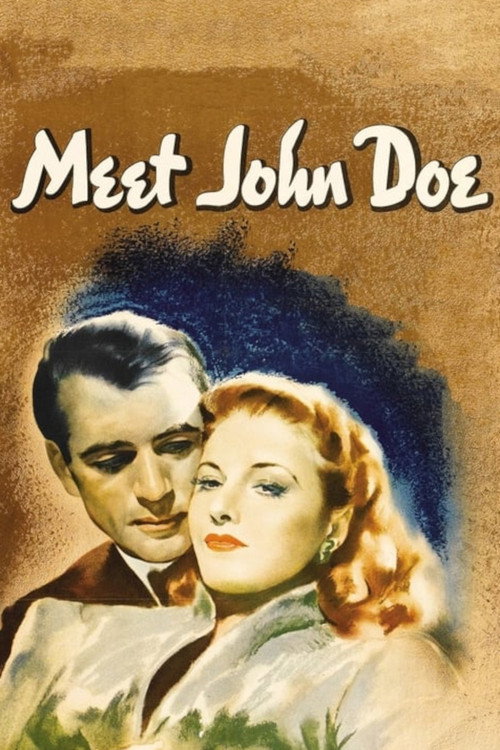
Meet John Doe1941
Gary Cooper as an ordinary man caught up in a media machine, with Frank Capra exploring what it means to have integrity in a corrupt system. Political, funny, starring actors at their best, with real stakes beneath the charm.
But The ending is bleak and ambiguous in a way that undercuts the warmth. If you want your Capra neat, this is complicated.
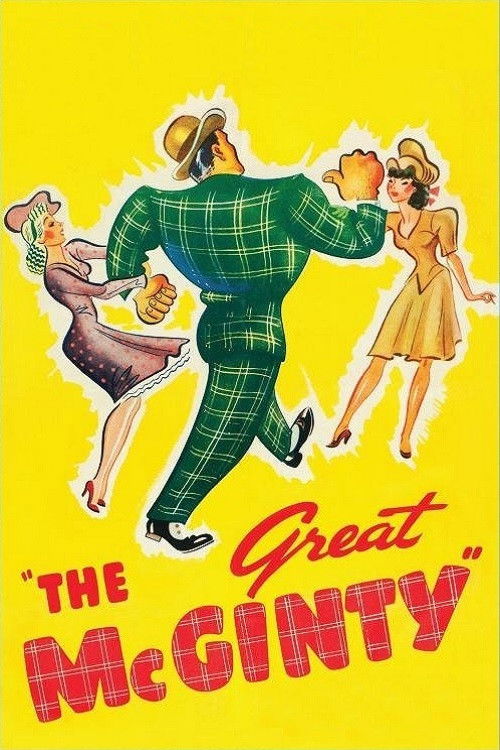
The Great McGinty1940
Preston Sturges' first film as director: a con artist becomes governor through corruption, then discovers integrity costs everything. It's a flip side of The Remarkable Andrew—what happens when you don't have Andrew Jackson's help.
But It's cynical and moves fast. The tone is satire rather than warmth. If you want to feel good about America, this is not your film.
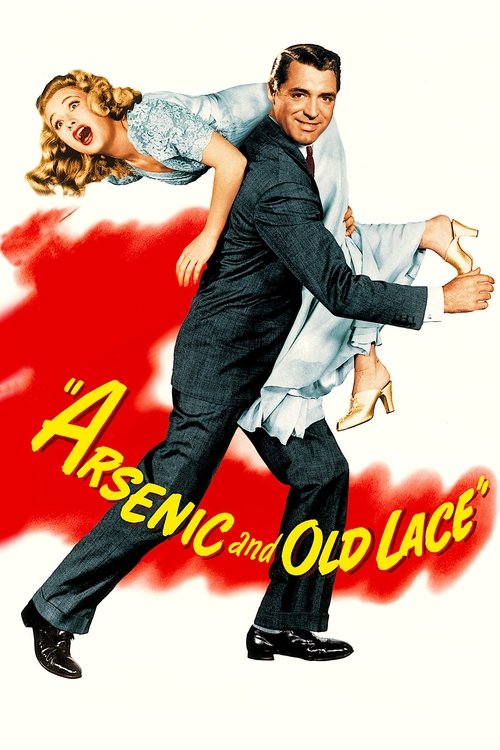
Arsenic and Old Lace1944
Cary Grant in a screwball farce where he discovers his beloved aunts are serial killers. It has the same ensemble cast energy and that specific 1940s pleasure of watching excellent actors riff on absurdity together.
But It's pure farce with no heart. The pacing is relentless. If you want meaning or sentiment, it offers none—and doesn't try.
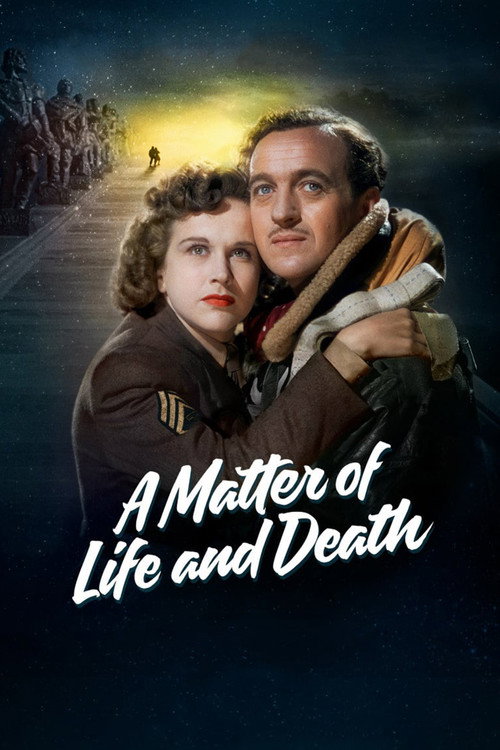
A Matter of Life and Death1946
Both use ghosts and the supernatural to explore what a nation owes its citizens and what integrity demands. But where The Remarkable Andrew is a comedy about ideals, this is a philosophical romance about redemption and belonging.
A British Technicolor fantasy where a dying RAF pilot argues his case before a celestial court. It shares The Remarkable Andrew's delight in the supernatural solving earthly problems, but goes baroque and philosophical—utterly gorgeous and genuinely moving.
But It's 104 minutes of British mysticism and metaphysics. The pacing is stately. If you want snappy dialogue and comedy, this is the opposite.
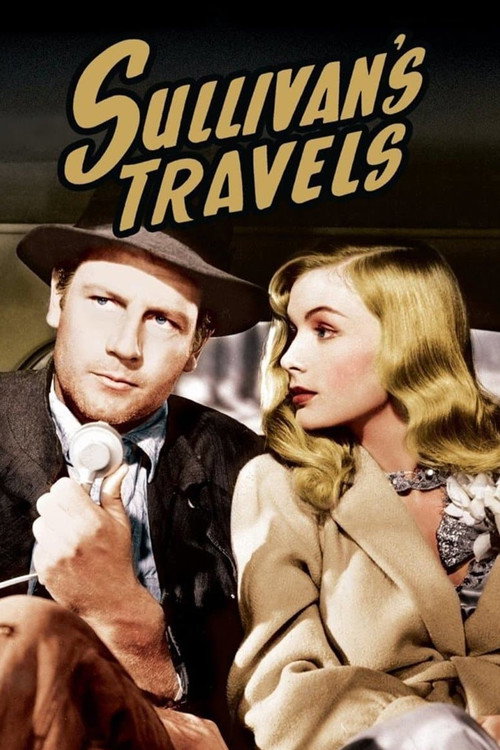
Sullivan's Travels1941
Both films ask what American ideals are actually for and whether good intentions matter in a broken system. The Remarkable Andrew says yes and summons ghosts to prove it. Sullivan's Travels says maybe, and forces its hero—and you—to sit with that uncertainty.
Preston Sturges' masterpiece: a Hollywood director travels America disguised as a hobo to understand suffering, then learns what comedy actually does. It's about idealism and integrity tested by reality—a much darker, stranger meditation on the same themes as The Remarkable Andrew.
But It's long, it swerves from comedy to genuine darkness, and the tonal shifts are deliberate and unsettling. It doesn't comfort you. It questions whether comfort is even the point.
People
Cast
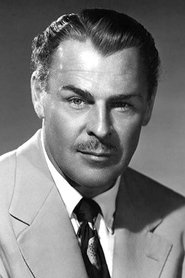 Brian DonlevyGeneral Andrew Jackson
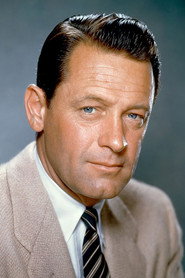 William HoldenAndrew Long
 Ellen DrewPeggy Tobin
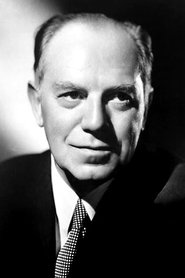 Montagu LoveGeneral George Washington
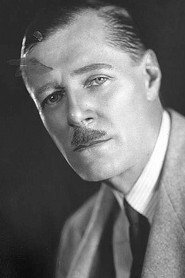 Gilbert EmeryMr. Thomas Jefferson
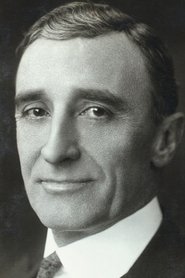 Brandon HurstMr. Chief Justice John Marshall
- George WattsDr. Benjamin Franklin
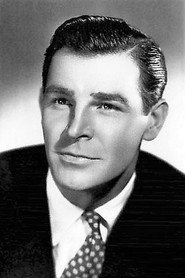 Rod CameronJesse James
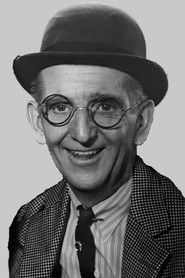 Jimmy ConlinPrivate Henry Bartholowmew Smith
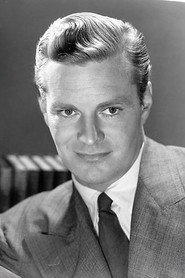 Richard WebbRandall Stevens
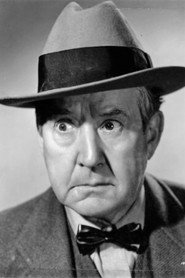 Spencer ChartersDr. Clarence Upjohn
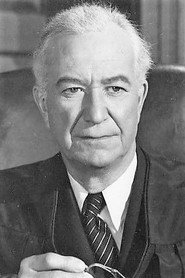 Minor WatsonDistrict Attorney Orville Beamish