
Film
Washington Melodrama
A crisp 1941 studio melodrama about an elderly businessman who plans a harmless evening out and stumbles into a murder investigation. It's the kind of tight, efficient entertainment Hollywood made by reflex—polished surfaces, snappy dialogue, and Frank Morgan doing what he did best: playing decent men in complicated spots. For fans of old Hollywood efficiency.
Should you watch it?
Watch it if you enjoy a respectable man blundering into trouble he never meant to court, the sly, well-mannered kind of predicament that lives on Frank Morgan's bemused decency.
Skip it if you need a taut whodunit with pressure building, since this sits back in its talk and social manners, and the mystery may not tighten much.
What it asks of you: Expect a short, unhurried eighty minutes that trades clue-chasing for dialogue and character, so give it your attention and let the scenes breathe.
Not sure? Find tonight's pick in a minute.
If you liked this
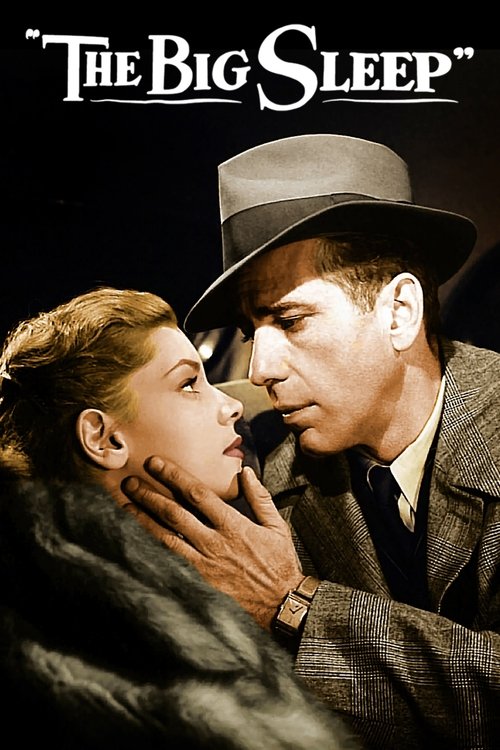
The Big Sleep1946
Humphrey Bogart and Lauren Bacall in Hawks' labyrinthine noir, where the plot barely matters compared to the chemistry and the mood. Pure atmospheric intrigue with crackling banter and genuine danger.
But The narrative is genuinely confusing—even the filmmakers couldn't explain it. If plot coherence matters to you, this will drive you up the wall.
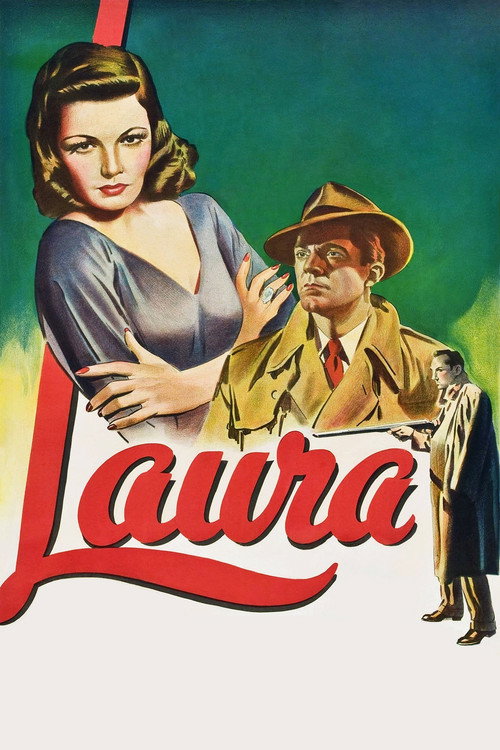
Laura1944
Otto Preminger's elegant murder mystery, built on obsession and a portrait. Every frame is composed like a painting. The twist lands because everything before it is precisely calibrated.
But It's a slow burn. The plotting is less about surprise than about watching smart people circle each other. Very static compared to action-driven thrillers.
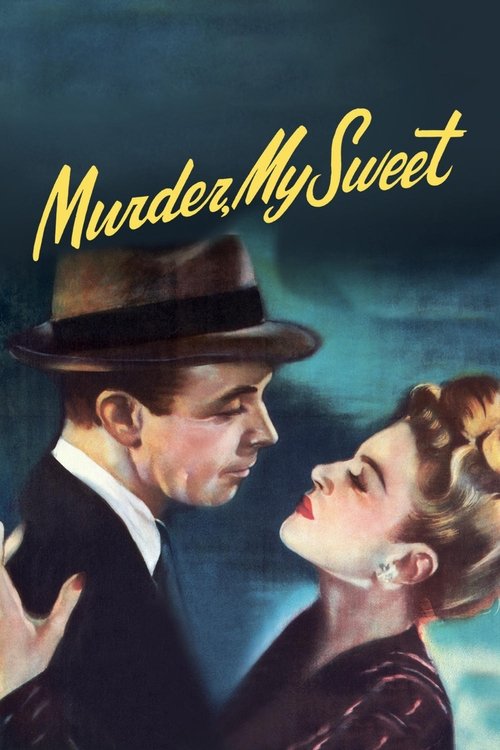
Murder, My Sweet1944
Dick Powell against type as a cynical detective navigating blackmail and double-cross. Chandler's prose translated into shadows and confusion. Visually stunning and morally murky.
But The central mystery is convoluted enough to lose you. Some viewers find the twist frustrating rather than clever.
Not sure tonight? Get a pick in a minute, starting from Washington Melodrama
The wildcard
Something you would not have found on your own.
In a Lonely Place1950
Both are about men caught in crimes they didn't commit, but Ray inverts the structure: instead of external danger, the danger is internal, the man's own nature indistinguishable from guilt.
Bogart plays a volatile, possibly guilty man suspected of murder, and Ray's film interrogates whether innocence matters if you're too damaged to prove it. Psychologically brutal and utterly modern about suspicion and self-destruction.
But Bogart is genuinely unpleasant to watch. There's no catharsis or justice—only the slow realization that being right doesn't save you. It's bleak in ways 1941 wouldn't allow.

More like this (7)
The Killers1946
Siodmak's taut revenge noir, opening with a hit man execution and spiralling backward through lies and betrayal. Burt Lancaster's debut. Economy of storytelling at its peak.
But It's bleak and violent for 1946. The heroes are selfish and the ending offers no redemption. Audiences wanting to feel good won't leave happy.

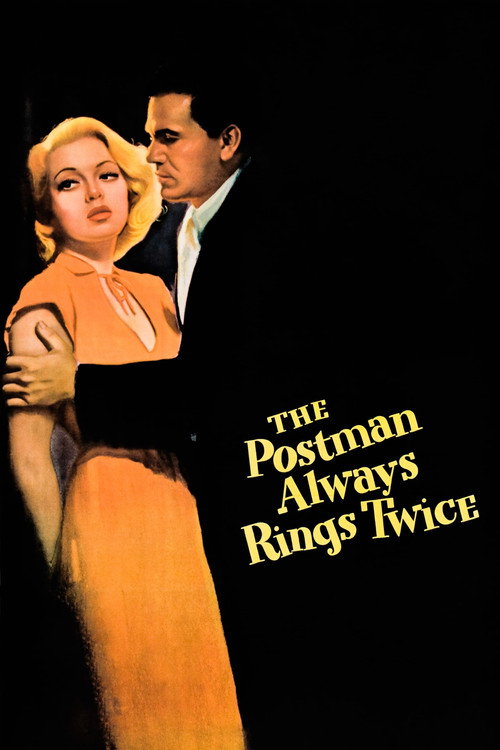
The Postman Always Rings Twice1946
Garfield and Turner in a white-hot adaptation of Cain's novel about lust, murder, and the unstoppable machinery of consequence. Raw and tightly wound.
But The pacing is relentless in a way that exhausts rather than thrills. The femme fatale role is now a cliché. It's also somewhat misogynistic by modern standards.
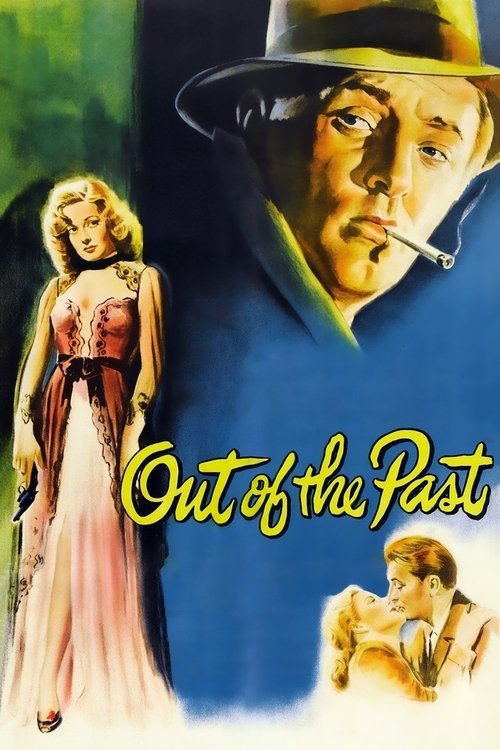
Out of the Past1947
The platonic ideal of film noir. Every frame is quotable, every line lands, and the fatalism is so complete it becomes almost philosophical. Mitchum's defeatism is perfect.
But It's been celebrated so much it can feel overpraised. Watching it now, it's less surprising than it should be because everything noir since copied from it.
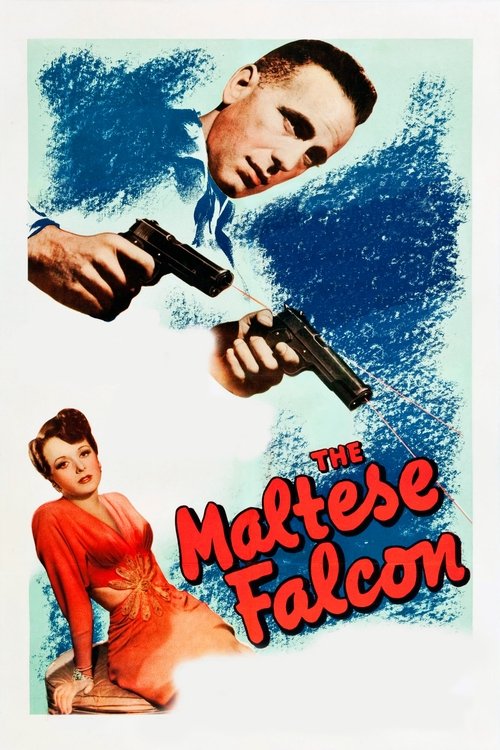
The Maltese Falcon1941
Huston's assured debut with Bogart as Spade—a detective who operates by his own code in a world of liars and thieves. Witty, stylish, and propulsive.
But The MacGuffin plot is ultimately hollow. Some find the arch dialogue dated. If you want emotional depth, you won't find it here.
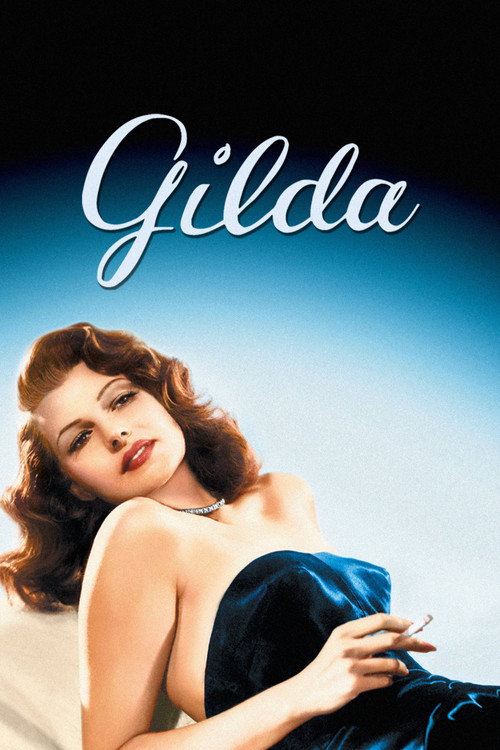
Gilda1946
Rita Hayworth in the role that defined her, Rita Hayworth the fantasy object, all glamour and danger. Glenn Ford as the man trying to resist. Gorgeous and deeply cynical about desire.
But The story is thin—it's really just watching Ford and Hayworth circle each other. The moral universe is uncomfortable. It's more style than substance.
The Asphalt Jungle1950
Huston's heist blueprint, treating the crime and criminals as almost noble—professionals doing difficult work. Ensemble cast, real tension, no easy answers about who deserves sympathy.
But It's a procedural that sprawls across too many characters. Some scenes drag. It's more interested in sociological observation than narrative momentum.

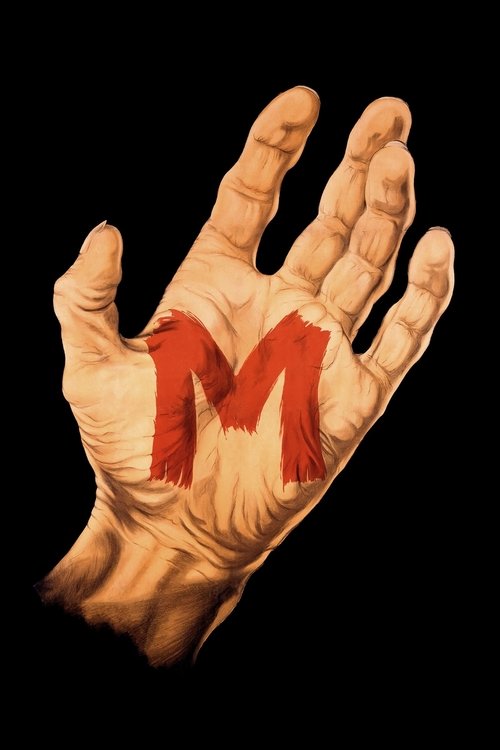
M1931
Both are procedural murder mysteries, but Lang made the killer the protagonist, forcing you to see his humanity while despising his crime—a moral sophistication the 1941 film doesn't attempt.
Fritz Lang's silent-era masterpiece about a child murderer hunted by both police and underworld. Technically revolutionary, morally complex, and genuinely terrifying. The closest thing cinema has to a perfect thriller.
But It's German, it's silent, it's slow by modern standards, and the subject matter is graphic for its time. Peter Lorre's performance is so unsettling it can be hard to watch.
People
Cast
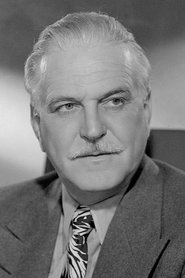 Frank MorganCalvin Claymore
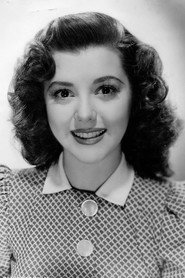 Ann RutherfordLaurie Claymore
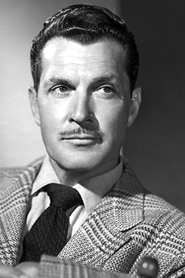 Kent TaylorHal Thorne
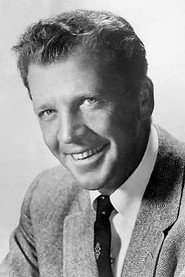 Dan DaileyWhitney King
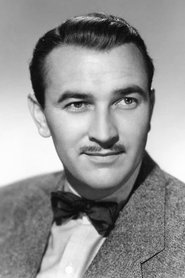 Lee BowmanRonnie Colton
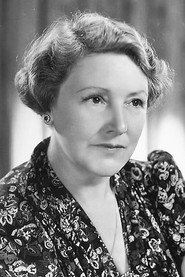 Fay HoldenElizabeth Claymore
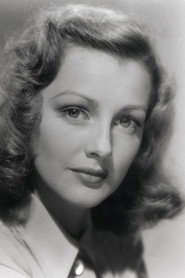 Virginia GreyTeddy Carlyle
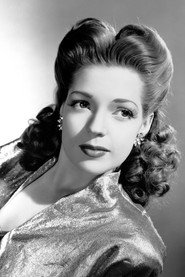 Anne GwynneMary Morgan
 Sara HadenHarriet Harringan
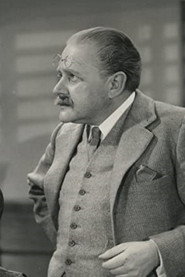 Olaf HyttenParry
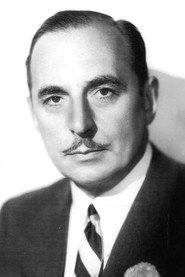 Douglass DumbrilleDistrict Attorney Donnelly
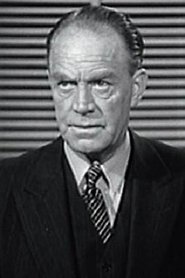 Cliff ClarkSimpson
Directing
- S. Sylvan SimonDirector
Writing
- Marion ParsonnetScreenplay
- Roy ChanslorScreenplay
- Jeanie MacphersonTheatre Play
Production
- Edgar SelwynProducer