
Film
Lady for a Day
A Depression-era fairy tale about a homeless fruit seller who gets a makeover into high society for her daughter's visit. Frank Capra directs with warmth and mischief, balancing scrappy street humor with genuine sentiment. It's sentimental without being saccharine, funny without punching down, and built on the radical idea that everyone deserves a second act—or in this case, a first good one.
If you liked this
It Happened One Night1934
Capra's masterpiece from the year after, with similar Depression charm and romantic spark. Clark Gable and Claudette Colbert crackle together, and the film moves with infectious energy.
But The gender politics are very much of their era. Some will find it dated; others will find it rather traditional.

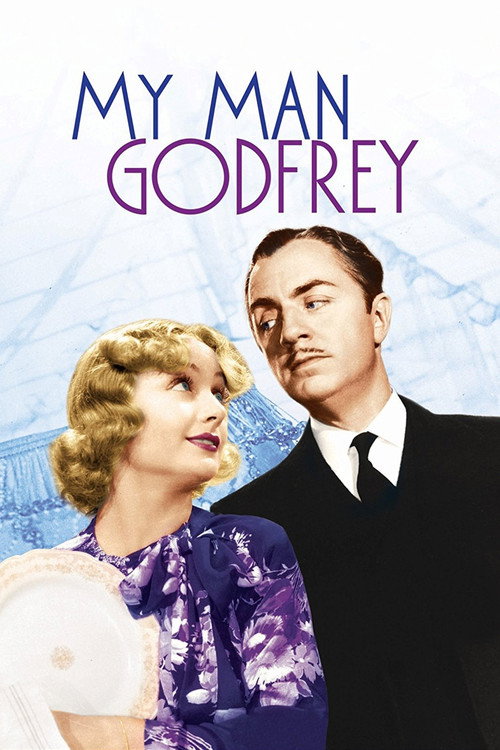
My Man Godfrey1936
The same DNA: a screwball plot about class collision, homeless dignity, and the absurdity of wealth. William Powell is magnificent, and the whole thing zips along with genuine heart beneath the jokes.
But The pacing is relentless and very 1930s—if you prefer quieter comedies, this will feel exhausting.
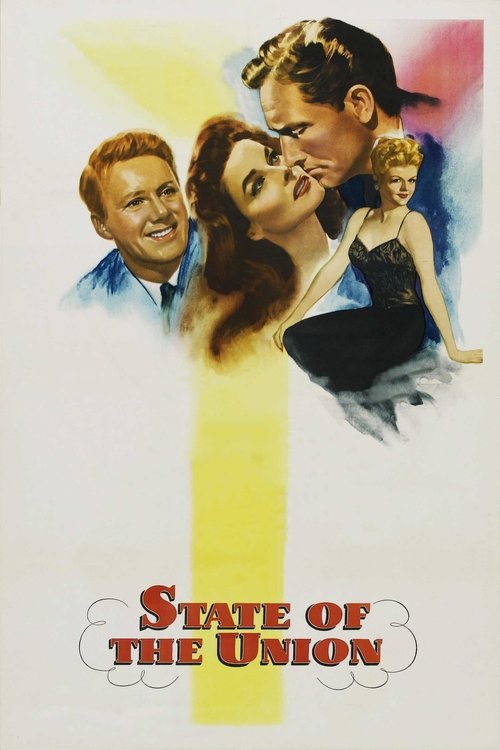
State of the Union1948
Another Capra gem, this time about political corruption and American idealism. Spencer Tracy and Katharine Hepburn spar brilliantly, and it has that same faith in ordinary people that *Lady for a Day* champions.
But It's longer and more overtly political. Some will find the message heavy-handed.
Not sure tonight? Get a pick in a minute, starting from Lady for a Day
The wildcard
Something you would not have found on your own.
Singin' in the Rain1952
Both films celebrate the idea that you can put on a new life like a costume, and that sometimes the con is the most honest thing about you. But where *Lady for a Day* finds pathos in the masquerade, *Singin' in the Rain* finds pure pleasure.
Same era of Hollywood, same preoccupation with reinvention and passing for someone you're not—but here it's played for pure musical joy. Gene Kelly, Donald O'Connor, and Debbie Reynolds in a film that moves like sunlight.
But If you're not into classic Hollywood musicals, the plot can feel thin as excuse for spectacle. And some find the comedic style—especially O'Connor's—exhausting.

More like this (8)
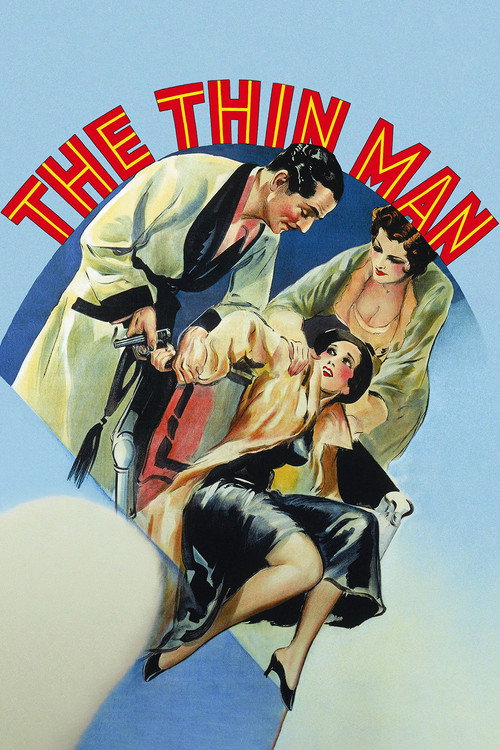
The Thin Man1934
William Powell again (he's having a great mid-thirties), this time in a murder mystery wrapped in sophisticated comedy. Witty, elegantly shot, and the banter between Powell and Myrna Loy is still the gold standard.
But If you're not in the mood for urbane 1930s repartee, it can feel a bit much.
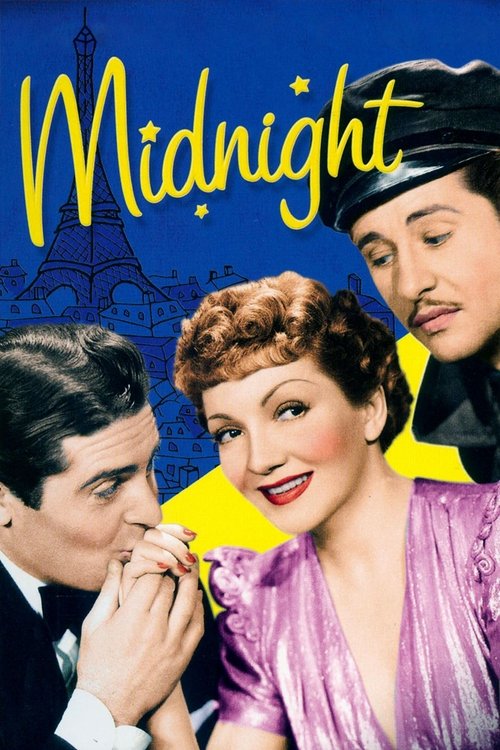
Midnight1939
Billy Wilder's frothy masterpiece about a penniless woman posing as a countess in Paris. Same con-artist spirit as *Lady for a Day*, but with European glamour and sharper, more cynical wit.
But The plot is deliberately slight. Some viewers want more substance than this kind of gossamer confection offers.
The Philadelphia Story1940
Class and reinvention again, but this time Capra-adjacent rather than Capra. Cary Grant, Grace Kelly, and Jimmy Stewart in a romantic comedy that's both hilarious and genuinely moving.
But At nearly two hours, it's leisurely paced. Modern viewers accustomed to faster cutting might lose patience.

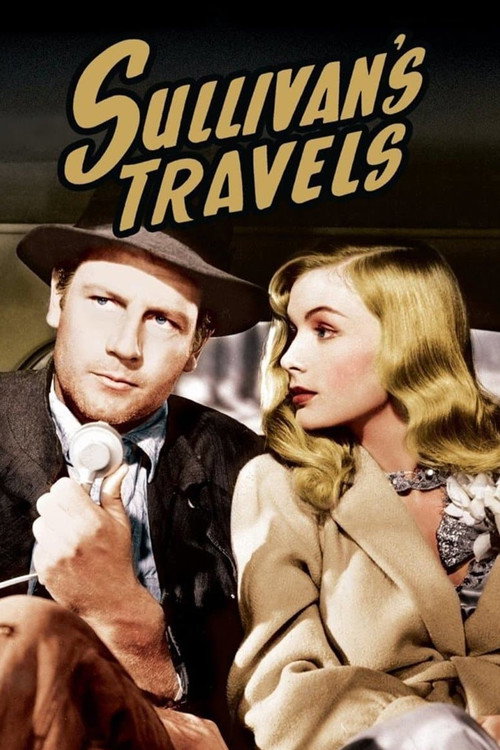
Sullivan's Travels1941
Preston Sturges's meditation on comedy, poverty, and what art is for. A director wants to make serious films about suffering but learns something crucial from a vagrant—thematically right next door to *Lady for a Day*.
But The tone shifts quite dramatically. Some audiences find that jarring rather than illuminating.
Breakfast at Tiffany's1961
A woman reinventing herself in a new city, hiding her past, hoping to move up. Audrey Hepburn is iconic, and it's hugely entertaining despite being more cynical than its predecessor.
But It's very much a stylish entertainment. Those seeking deeper meaning might find it hollow.

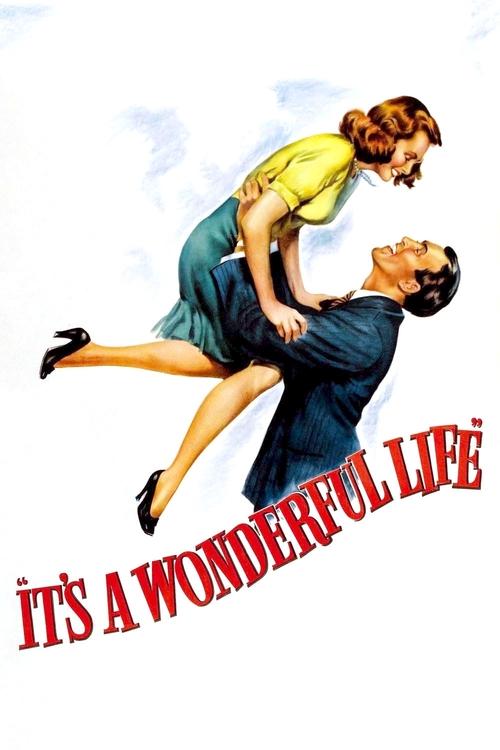
It's a Wonderful Life1946
Capra again, of course. If *Lady for a Day* left you wanting more of his particular brand of American optimism with an edge, this is the summit. Deeply moving and unexpectedly complex.
But It's become so culturally ubiquitous that some find it hard to see fresh. Also, it's rather long and emotionally demanding.
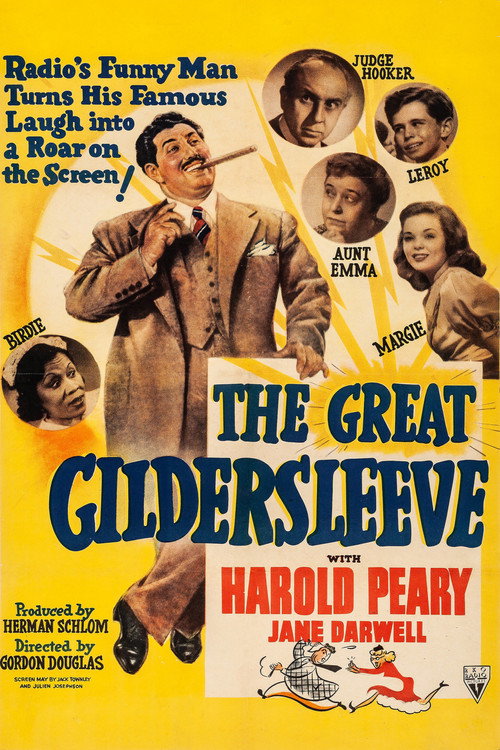
The Great Gildersleeve1942
Same playbook: ordinary people, small cons, big hearts, a faith that community and quick thinking can solve almost anything. *Lady for a Day* is the more ambitious film, but *Gildersleeve* shares its soul.
A radio comedy series translated to screen, it captures the exact same Depression-era warmth and mischievous ensemble spirit. Harold Peary is a marvel, and it's genuinely funny—not arch, not trying too hard.
But Radio comedies can feel slight to modern viewers. The humor is gentler, the plotting thinner. If you want high stakes, you won't find them.
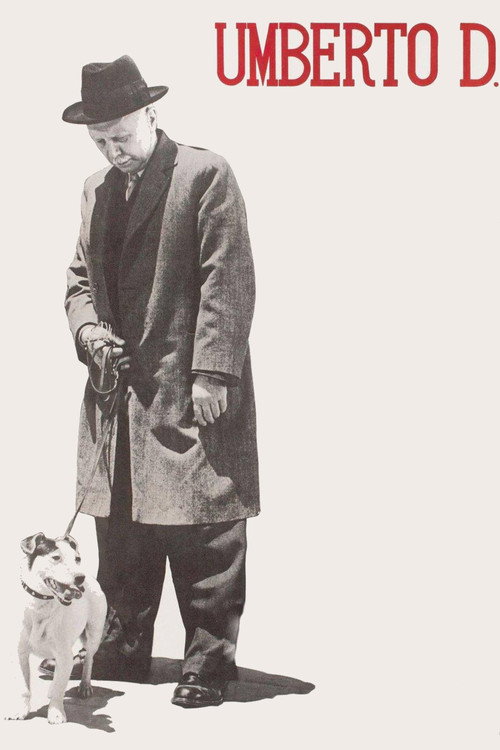
Umberto D.1952
Both are about aging people clinging to dignity in a world that doesn't value them. But where Capra says 'kindness will save you,' De Sica whispers 'kindness is all we have, and it's not enough.' Different countries, different faiths. Worth seeing them together to understand what each believes.
A widowed pensioner and his dog struggle to survive in postwar Rome. It has the same heart as *Lady for a Day*—a story about an aging person fighting for dignity—but Vittorio De Sica strips away all sentiment and shows you the bone.
But It is devastatingly sad. There is no makeover, no happy ending, no magical intervention. If you want uplift, this will wound you instead.
People
Cast
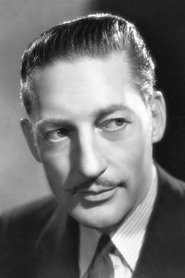 Warren WilliamDave the Dude
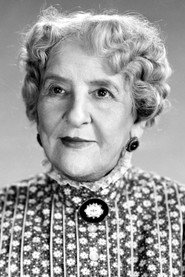 May RobsonApple Annie
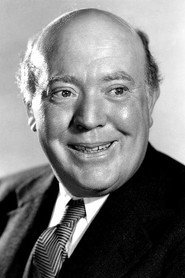 Guy KibbeeJudge Henry G. Blake
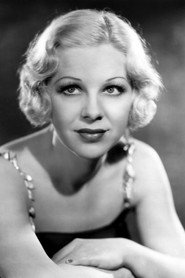 Glenda FarrellMissouri Martin
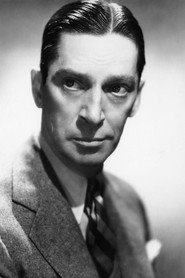 Ned SparksHappy McGuire
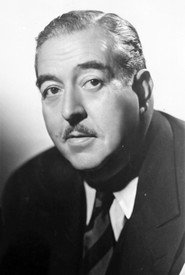 Walter ConnollyCount Romero
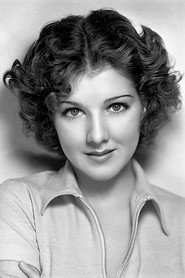 Jean ParkerLouise
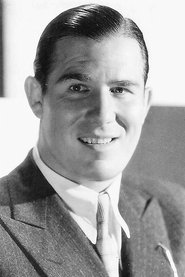 Nat PendletonShakespeare
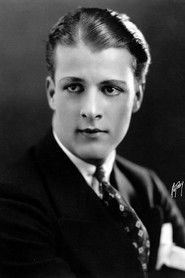 Barry NortonCarlos
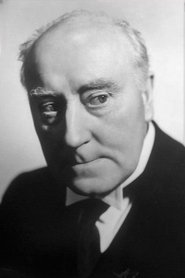 Halliwell HobbesButler
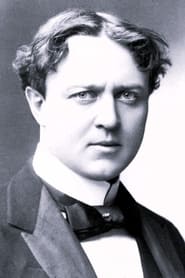 Hobart BosworthGovernor
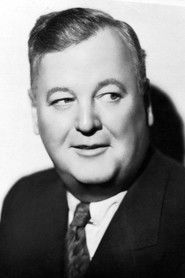 Robert Emmett O'ConnorInspector MacCreary
Directing
- Frank CapraDirector
Writing
- Robert RiskinScreenplay
- Damon RunyonStory
Production
- Frank CapraProducer