
Film
The Great Gildersleeve
- Comedy
- Light-hearted
A 1942 radio spinoff where a garrulous small-town uncle schemes, meddles, and bumbles his way through local politics while raising two orphaned kids. It's genial American comedy of the pre-war radio era: broad, warmhearted, relentlessly cheerful, and fundamentally unconcerned with pacing or plausibility. For anyone curious about what made radio stars into movie stars, or how comedy worked before irony became compulsory.
If you liked this
It Happened One Night1934
The gold standard of screwball romance: fast, clever, surprisingly tender, and it moves like nothing else from the era. Gable and Colbert have chemistry that still crackles. Essential viewing for anyone who wants to know why 1930s comedy worked.
But The pacing assumes you're patient with banter. If you want plot momentum over witty dialogue, this will feel like people talking in a bus.

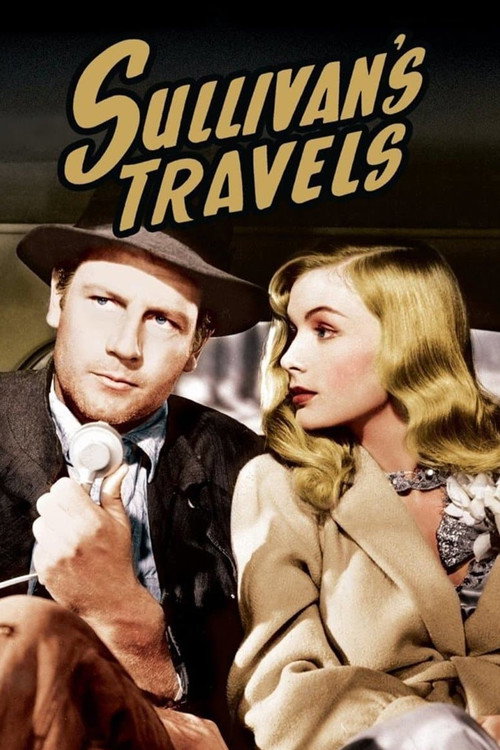
Sullivan's Travels1941
Preston Sturges at peak form: a director who actually understood why comedy matters, blending slapstick brilliance with genuine heart and a serious point. Funny, moving, and utterly confident in what it's doing.
But It shifts tone significantly in the third act. Some find the tonal whiplash jarring rather than earned.
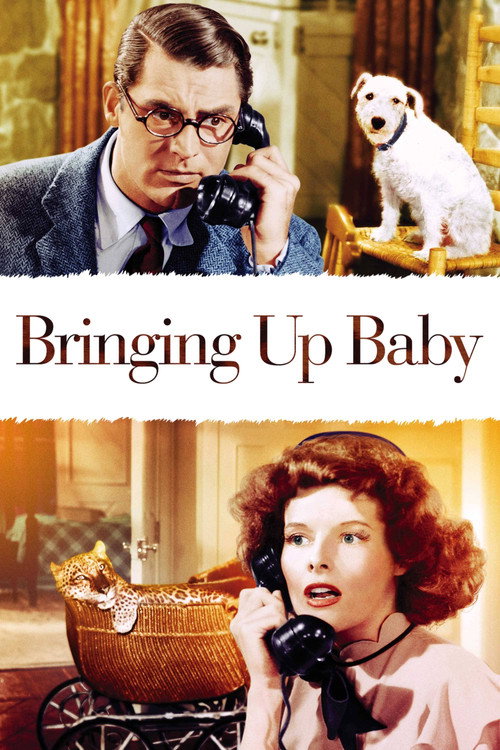
Bringing Up Baby1938
Cary Grant and Katharine Hepburn in controlled chaos: a leopard, a bone, mistaken identities, and dialogue that sounds like jazz. Possibly the funniest film ever made, and it's effortless-looking.
But The plot is deliberately absurd and circular. If you need things to make logical sense, this will frustrate you.
Not sure tonight? Get a pick in a minute, starting from The Great Gildersleeve
The wildcard
Something you would not have found on your own.
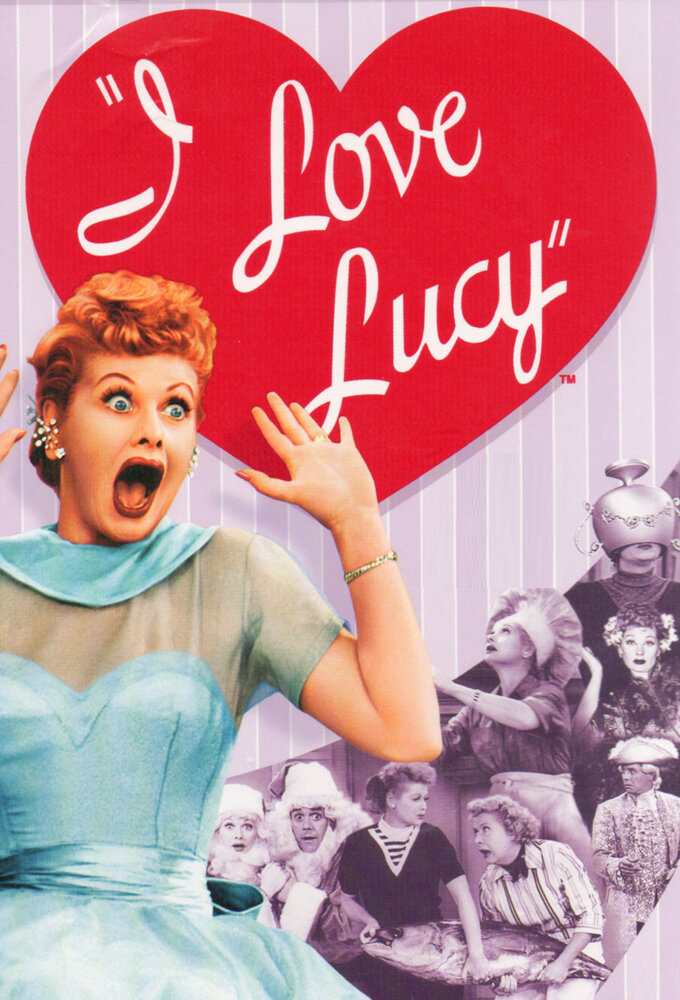
I Love Lucy1951
Both draw from the radio tradition of the lovable bumbler causing chaos in a small community. Lucy simply understood how to make that machinery sing on television where Gildersleeve was still learning.
Lucy and Ricky playing the same domestic chaos engine that Gildersleeve embodied, but on television weekly, with physical comedy refined to genius. It's radio and film comedy evolved: faster, meaner, more ingenious. Watching the form develop in real time.
But Early TV is visibly stagey and the laugh track dates it badly. The casual racism embedded in some episodes is hard to sit with.
More like this (8)
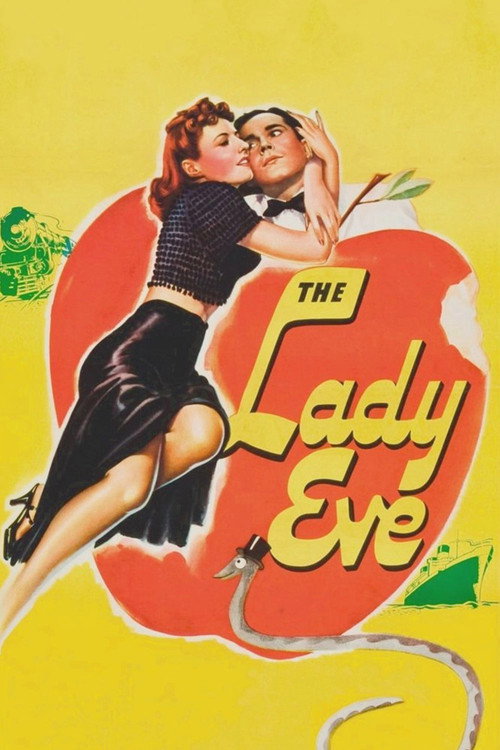
The Lady Eve1941
Stanwyck at her most cunning, playing con artist games with Henry Fonda's innocent millionaire. Sexually witty, beautifully constructed, and funnier than it has any right to be.
But The sexual subtext is pretty heavy for 1941. Some viewers find that dated; others find it refreshing.
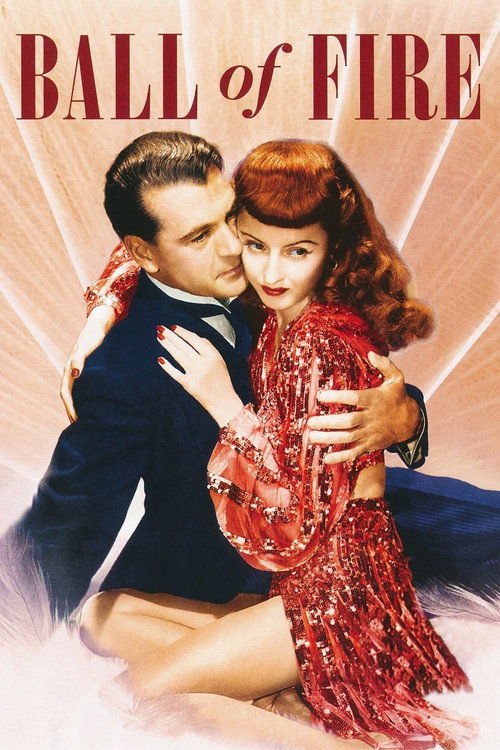
Ball of Fire1941
Seven eccentric scholars and Barbara Stanwyck trading rapid-fire dialogue and slapstick. Sharp, kind, endlessly inventive, and it understands that comedy thrives on specificity and detail.
But It's schmaltz-adjacent. The sweetness and life lessons are thick enough that cynical viewers might bounce off it.
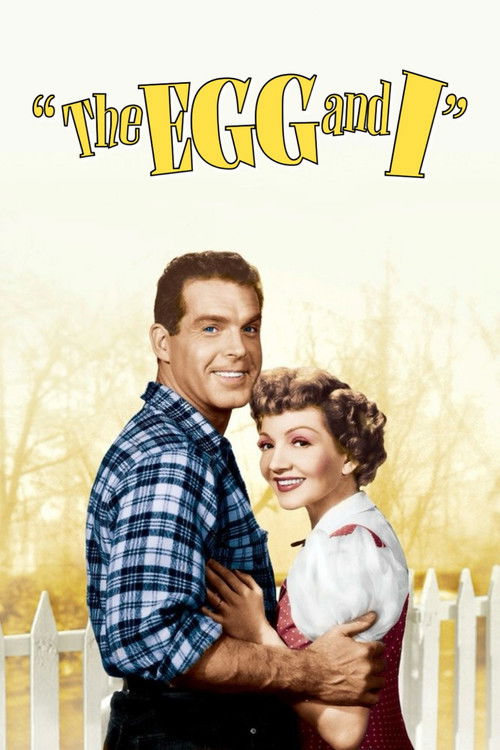
The Egg and I1947
Claudette Colbert and Fred MacMurray on a chicken farm: mismatched, bickering, genuinely funny. A solid post-war comedy that understands domestic situations are inherently absurd.
But It has dated attitudes toward gender roles, and the satire isn't especially sharp or subversive.
The Philadelphia Story1940
Cary Grant, Katharine Hepburn, and James Stewart in a comedy about privilege and genuine human connection. Elegant, smart, and it knows exactly who these people are.
But It's sympathetic to very rich people solving rich people problems. The class politics don't age well.

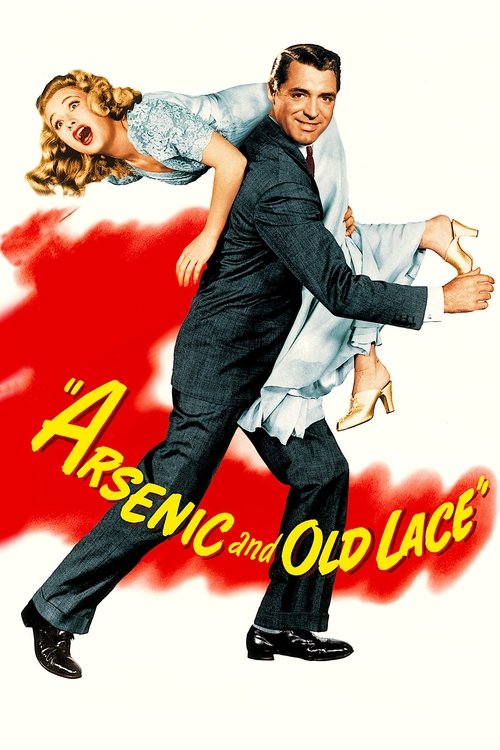
Arsenic and Old Lace1944
Two sweet old ladies poisoning lonely men, Cary Grant going haywire, and a play adapted to film with theatrical gusto. Anarchic, deranged, endlessly quotable, and absolutely assured.
But It's theatrical to the point of being shrill. The hysteria doesn't stop, and some find that exhausting rather than funny.
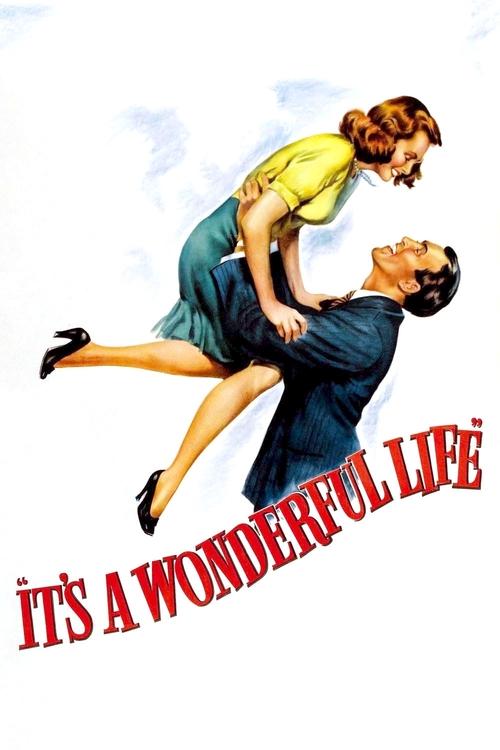
It's a Wonderful Life1946
Capra's hymn to ordinary kindness, small-town community, and the weight of responsibility. Funny when it needs to be, devastating when it needs to be, and genuinely about something.
But It's been sentimentalized nearly to death by overuse. The sincerity can feel manipulative if you've seen it weaponized as a holiday obligation.
Singin' in the Rain1952
Like Gildersleeve, it's rooted in early Hollywood's theatrical traditions and stars who came from radio or vaudeville. It shows what those performers could do when you give them the full resources of cinema.
Pure joy: dancing, physical comedy, backstage scheming, and Gene Kelly understanding that movie musicals are fundamentally about what bodies can do. It's comedy as athletic grace. Endlessly inventive and genuinely joyful.
But If musicals aren't your medium, no amount of brilliance will make them so. The plot is gossamer-thin.

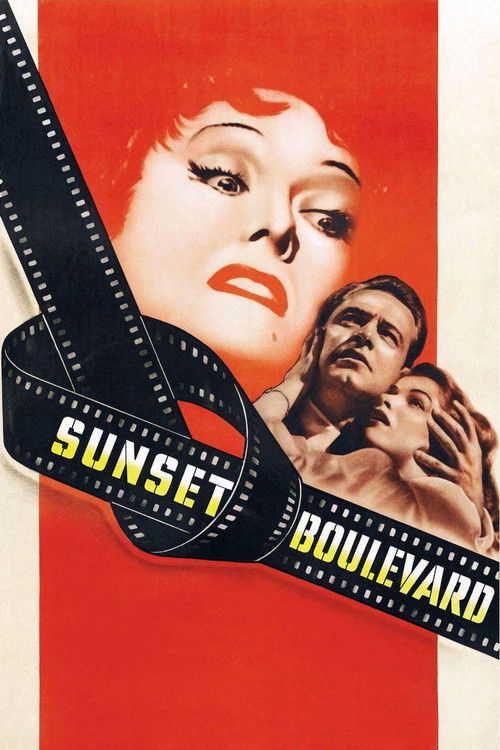
Sunset Boulevard1950
Both examine the gap between public persona and private reality in an American entertainment context, but where Gildersleeve plays that gap for laughs, Wilder plays it for horror. Watching them together shows how thin the line is.
Billy Wilder's dark mirror of old Hollywood: the same small-town blowhard archetype as Gildersleeve, but played as tragedy and horror. Gloria Swanson as a delusional silent film star and William Holden as the sap in her orbit. Bitter, beautiful, unforgettable.
But It's cynical, dark, and ends badly. If you want warmth, you won't find it. Some find Wilder's contempt for his own medium alienating.
People
Cast
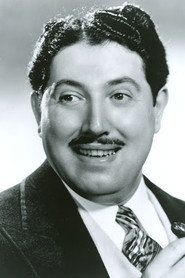 Harold PearyThrockmorton P. Gildersleeve
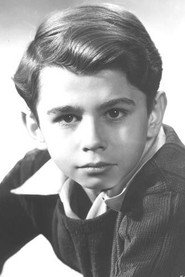 Freddie MercerLeroy Forrester
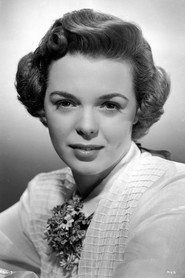 Nancy GatesMarjorie 'Margie' Forrester
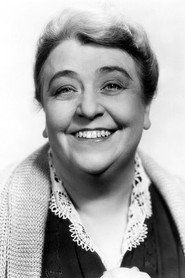 Jane DarwellAunt Emma Forrester
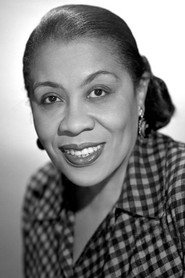 Lillian RandolphBirdie Scoggins
- Mary FieldAmelia Hooker
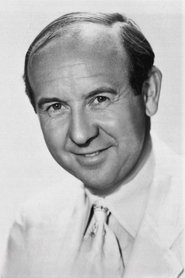 Charles ArntJudge Horace Hooker
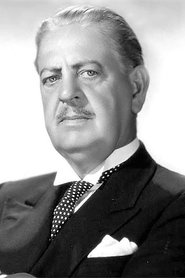 Thurston HallGovernor Jonathan Stafford
- George CarpenterFrank Powers
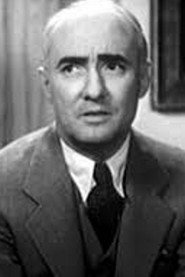 John DilsonMayor Appleton
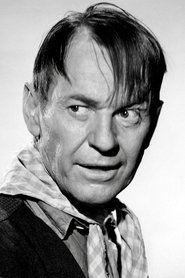 Syd SaylorPhil, the carpenter
- Anne O'NealMartha, an old crow
Directing
- Gordon DouglasDirector
Writing
- Jack TownleyScreenplay
- Julien JosephsonScreenplay
Production
- Herman SchlomProducer
Recommended by
Mother Goose Goes Hollywood, The Life of Riley, It Happened on Fifth Avenue, Lady for a Day