
Film
Mother Goose Goes Hollywood
- Parody
- Light-hearted
A 1938 Disney cartoon that reimagines Mother Goose rhymes through the lens of 1930s Hollywood stars. Each nursery rhyme becomes a sketch populated by famous comedians and film personalities performing impressions of themselves. It's a giddy, rapid-fire parody that assumes you recognize everyone on screen—a historical curiosity and a time capsule of who mattered in that particular moment.
If you liked this
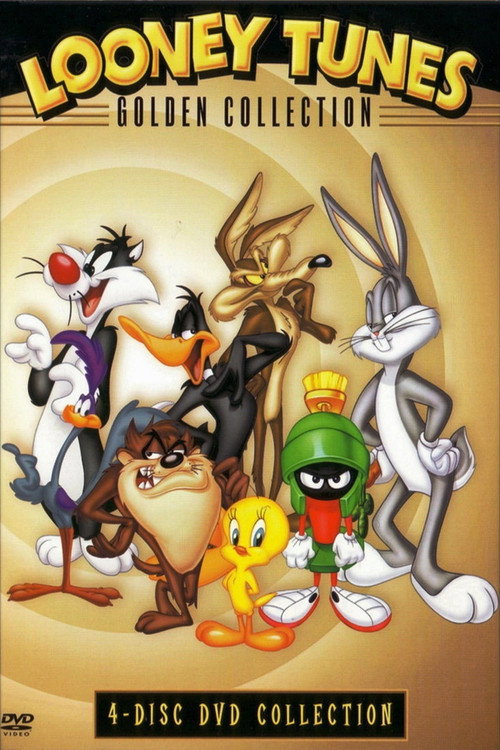
Looney Tunes Golden Collection, Vol. 12003
Like Mother Goose, these are short, punch-drunk parodies stacked with celebrity impersonations, slapstick energy, and jokes that land in rapid succession. They share the same anarchic joy.
But The later volumes drift away from the impersonation format and the cartoons can feel uneven. Some rely too heavily on dated references even by cartoon standards.
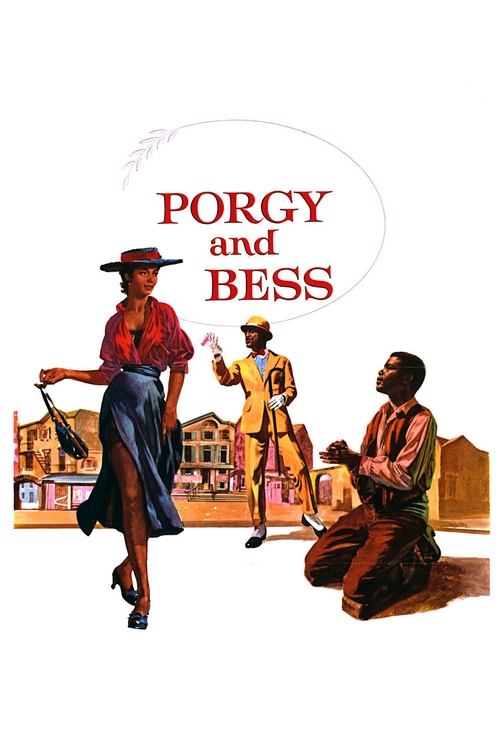
Porgy and Bess1959
A similarly star-studded production where recognizable names anchor fantastical sequences. It prioritizes spectacle and performance over conventional narrative. The energy is comparable, the ambition visible.
But It takes itself seriously in ways Mother Goose doesn't. Some find the casting and treatment of source material problematic, which will distract from the fun.
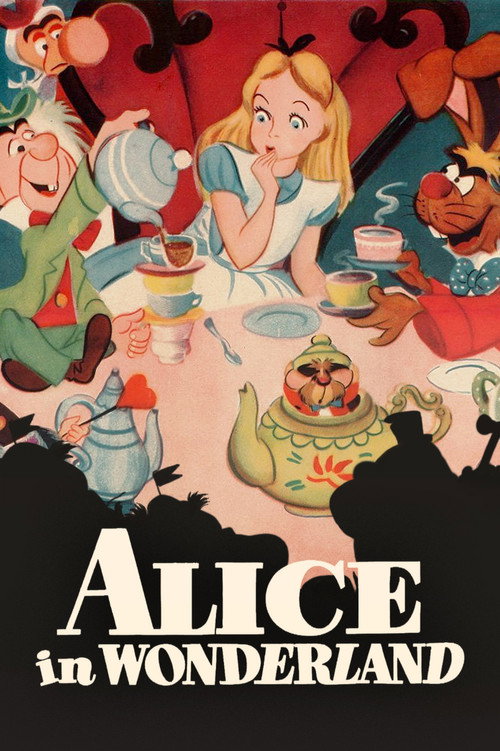
Alice in Wonderland1951
Another Disney animated feature that reimagines familiar source material through a parade of colorful characters and voices. The whimsy and structural logic are cousins to Mother Goose's sketch-comedy approach.
But It's considerably longer and slower, building mood rather than racing between jokes. The darker edges might not appeal if you want pure, unrelenting comedy.
Not sure tonight? Get a pick in a minute, starting from Mother Goose Goes Hollywood
The wildcard
Something you would not have found on your own.
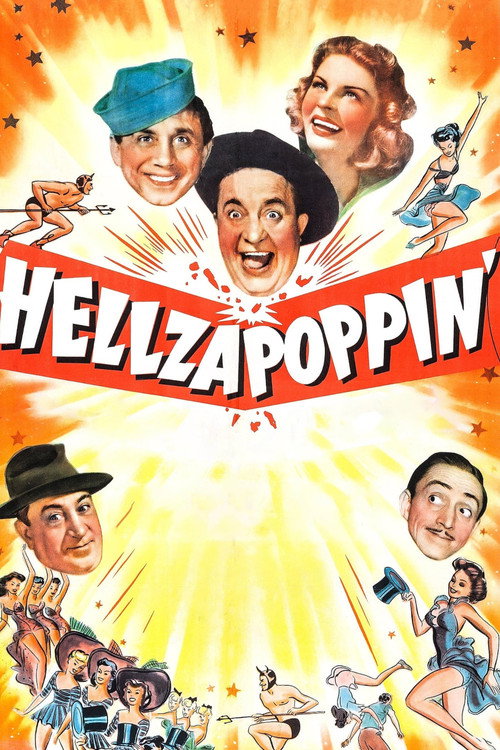
Hellzapoppin'1941
Both films operate on the principle that star power and impressions and jokes strung together at speed can sustain an entire work. Neither needs a plot—the performance itself is the content.
A live-action musical comedy that abandons plot entirely in favor of rapid-fire vaudeville sketches, impressions, and jokes layered on top of each other with no regard for coherence. It's pure performance chaos in the same spirit as Mother Goose.
But The lack of structure means it can feel exhausting. If you need a through-line or emotional stakes, this will feel like noise. Some find it difficult to follow.
More like this (7)
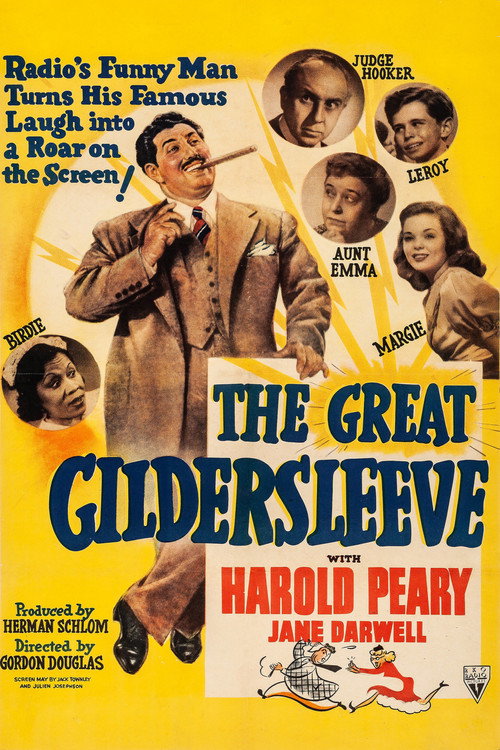
The Great Gildersleeve1942
A radio personality becomes a film star in this comedy built entirely around recognizing voices and celebrity in-jokes. The rhythm and style of humor are authentically from the same moment in entertainment.
But Radio-to-film translations age differently than pure cartoons. The pacing can feel slack by modern standards, and the jokes sometimes require context we've lost.
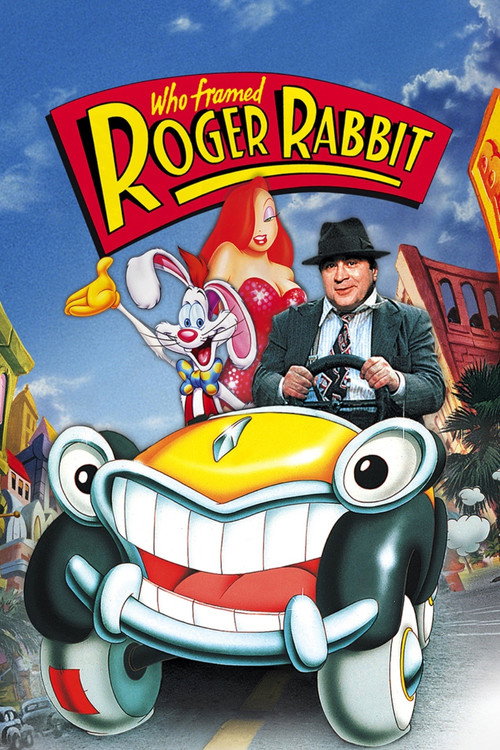
Who Framed Roger Rabbit1988
Cartoons and Hollywood stars in the same frame, playing stylized versions of themselves and each other. The obsession with celebrity performance and parody runs through both films.
But It's a feature-length noir-comedy hybrid, so the tone shifts between cynicism and whimsy. Some prefer their cartoons more purely silly or more purely dark.
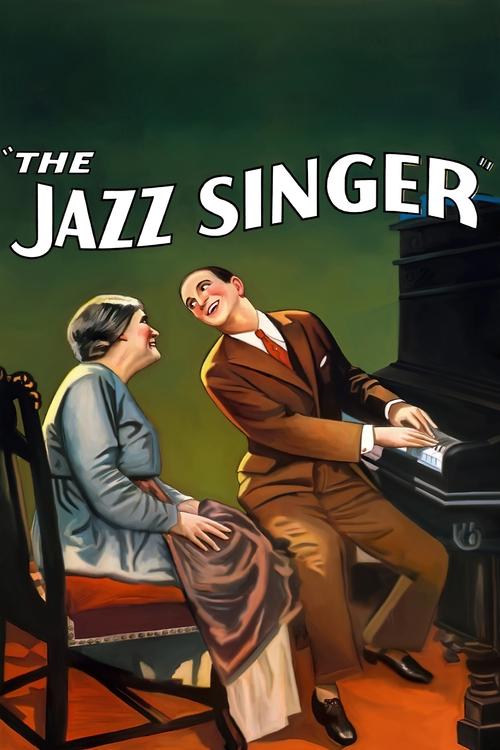
The Jazz Singer1927
Another pre-war Hollywood artifact that's fascinated by the power of impersonation, performance, and celebrity. It captures the same era's intoxication with famous names and star power.
But It's a drama, not a comedy, and it's seriously dated in ways that feel uncomfortable now. The energy is completely different from the cartoon.
Singin' in the Rain1952
A feature about Hollywood itself, populated with performers playing exaggerated versions of Hollywood types. The celebration of celebrity and performance culture echoes Mother Goose's giddiness.
But It's a musical romance, so if you're drawn to Mother Goose's anarchic structure and rapid jokes, this more emotional approach may feel slow.

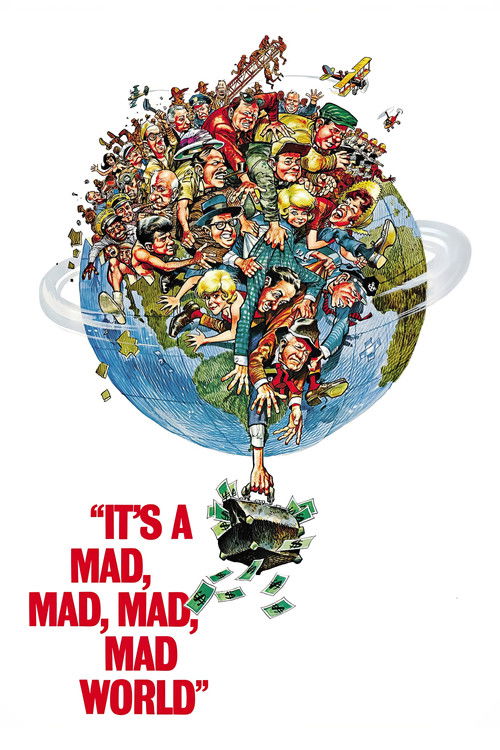
It's a Mad, Mad, Mad, Mad World1963
An ensemble comedy built to showcase famous comedians being funny in their own recognizable styles. The architecture—famous people being themselves, sort of—mirrors Mother Goose's appeal.
But It's nearly three hours long. The pacing doesn't match the breakneck speed of an eight-minute cartoon, and some comedy feels labored in retrospect.
The Phantom Carriage1921
An experimental Swedish film that uses parody and performance with imaginative flair. It shares Mother Goose's willingness to deconstruct famous stories for comedy.
But It's a silent film in Swedish and the humor is conceptual rather than slapstick. The register is entirely different, and it requires patience with unfamiliar cinematic language.

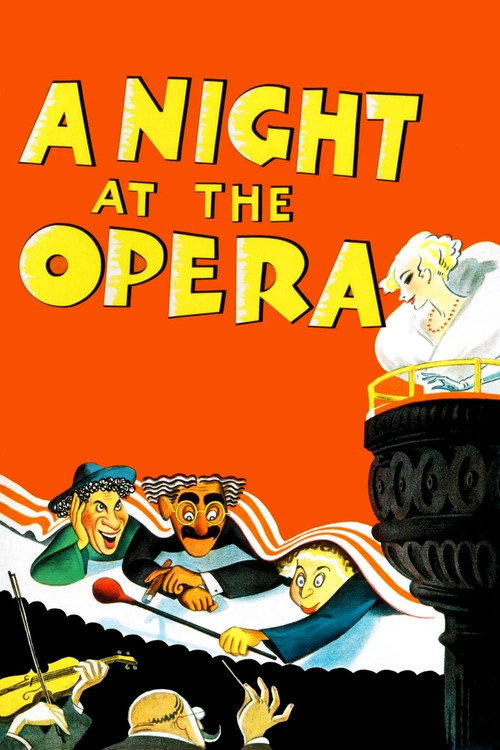
A Night at the Opera1935
Both are built around recognizable comedians doing exaggerated versions of themselves. Both assume the audience knows who these people are and delights in seeing them play. Both prioritize personality and speed over plot.
The Marx Brothers at peak anarchic energy, working with high-class material (opera, romance, class conflict) and demolishing it entirely through sheer comedic velocity and impressions. Every frame bursts with uncontainable wit.
But The Marx Brothers' style—overlapping dialogue, constant ad-lib energy, verbal rather than visual comedy—won't land the same way for everyone. Some find them exhausting rather than exhilarating.
People
Cast
- Al Bernie(voice)
- Thelma Boardman(voice)
- Ann Lee(voice)
- Dave Weber(voice)
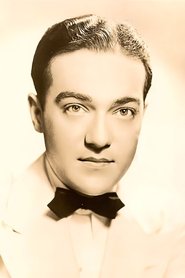 Dave BarryGroucho Marx / Eddie Cantor / Spencer Tracy / Hugh Herbert / Ned Sparks / Joe Penner / Charles Laughton / W.C. Fields / Charlie McCarthy / Edward G. Robinson / Joe E. Brown / Oliver Hardy (voice) (uncredited)
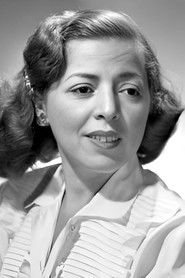 Sara BernerKatharine Hepburn / Martha Raye / Greta Garbo / Freddie Bartholomew (voice) (uncredited)
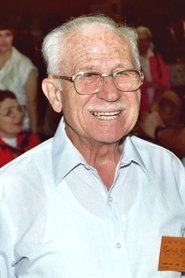 Clarence NashDonald Duck (voice) (uncredited)
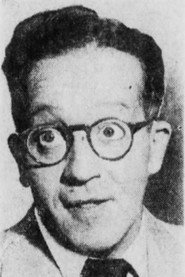 Danny WebbFats Waller / Stepin Fetchit (voice) (uncredited)
Directing
- Wilfred JacksonDirector
Writing
- Dick RickardStory
- Ed PennerStory
- Isadore KleinStory
- Leo EllisStory
- Peter O'CrottyStory
- T. HeeStory
- Webb SmithStory
- Vernon StallingsStoryboard
Production
- Walt DisneyProducer