Television series
The Life of Riley
- Comedy
- Light-hearted
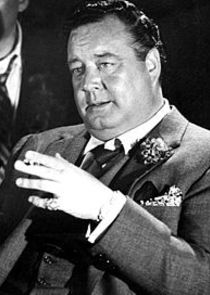
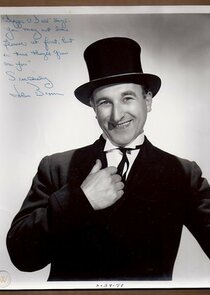
The first TV iteration of a radio hit: Jackie Gleason as Chester Riley, a working-class riveter whose domestic disasters unfold in his home and factory floor. It's warm, joke-dense sitcom comfort food—the blueprint for decades of family comedies to come. Beloved by audiences who grew up with this gentle, character-driven humor.
If you liked this
I Love Lucy1951
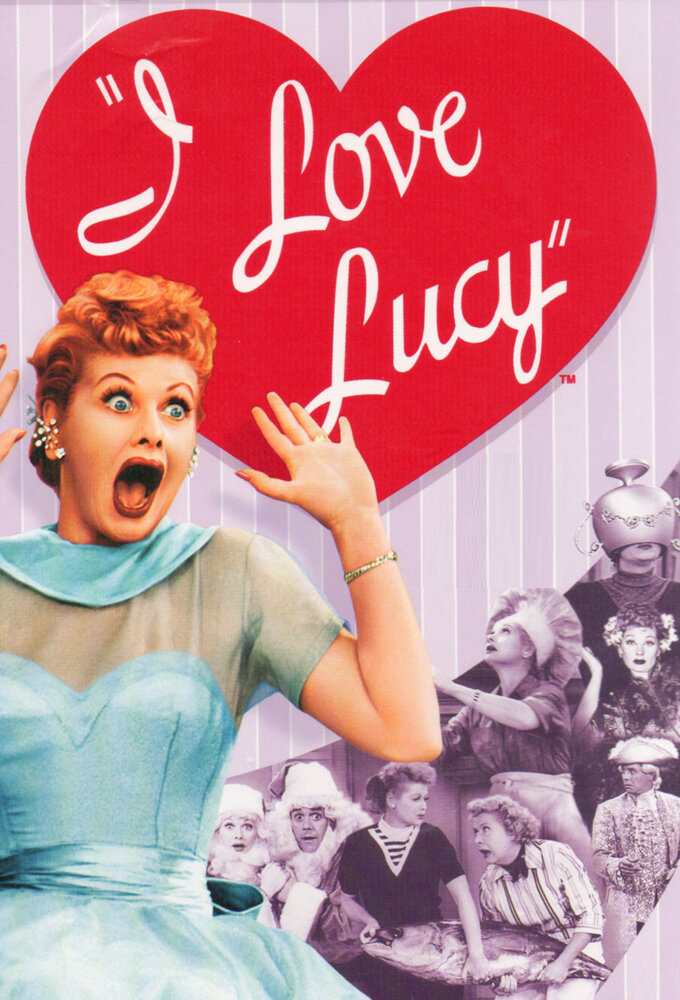
Lucille Ball's physical comedy and Gleason's timing share DNA—both are masters of the pratfall and reaction shot. If you loved Gleason's expressive face, Lucy's is even wilder, and the writing is sharper.
But The show moves quickly between pratfalls and doesn't always land the emotional beats that ground Riley. Some episodes feel more slapstick than character study.
Mama1949
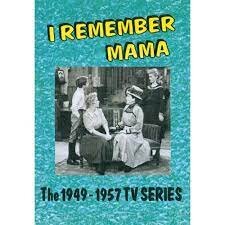
Gentler family sitcom that shares Riley's warmth and emphasis on domestic life over broad gags. Peggy Wood is magnificent. The tone hits that sweet spot between comedy and genuine affection for ordinary people.
But Very slow by modern standards and almost plotless—things simply happen and then stop. Requires patience and comfort with genuine quietness.
The Goldbergs2013
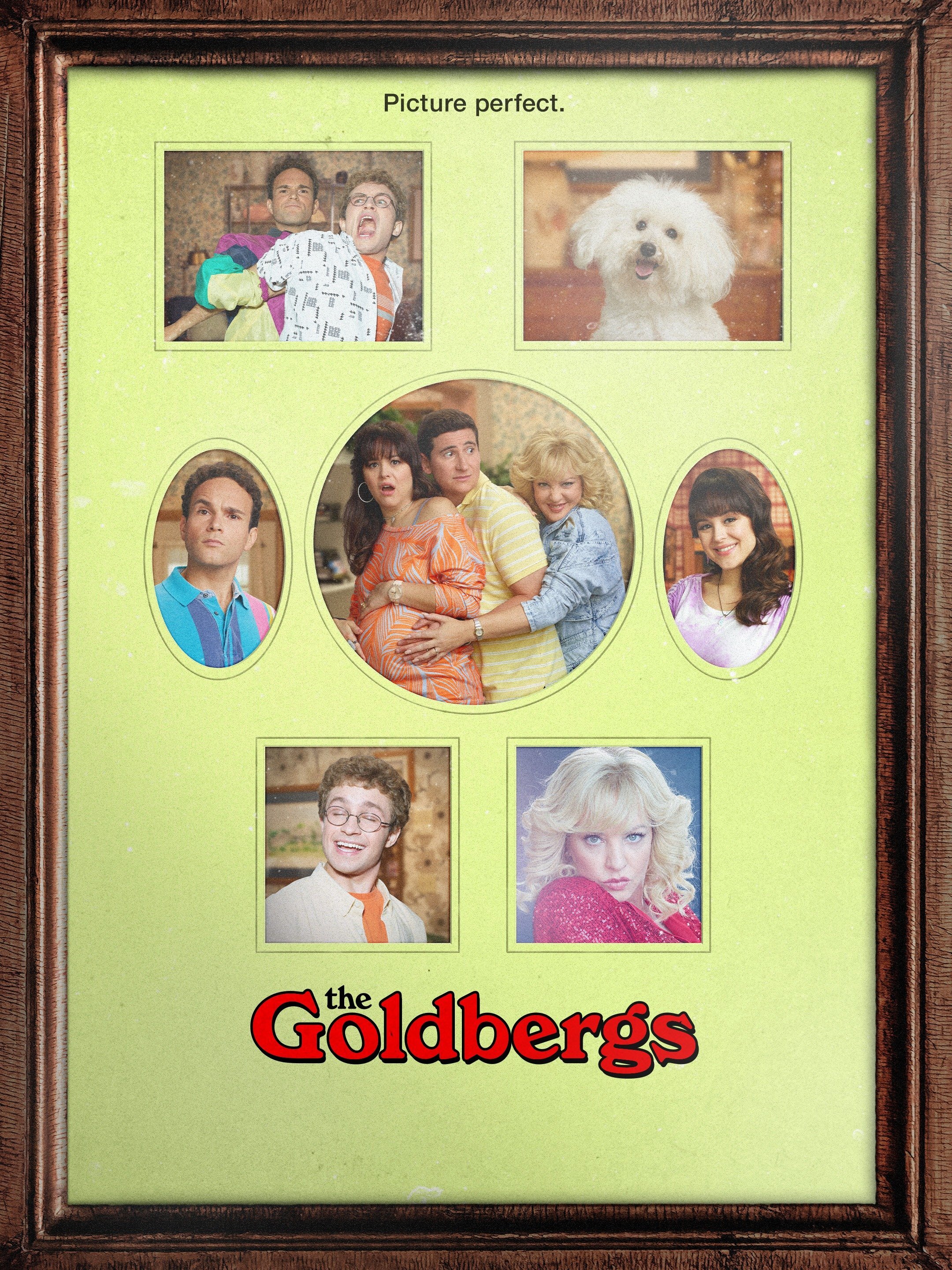
Predates Riley and proves the formula works: ordinary family, real problems, humor drawn from character and situation rather than setup-punchline mechanics. Molly Goldberg feels like Riley's spiritual sister.
But The ethnic specificity (Jewish immigrant family) is the entire point of the show, which some viewers might find dated in its assumptions or execution.
Not sure tonight? Get a pick in a minute, starting from The Life of Riley
The wildcard
Something you would not have found on your own.
Rope1948
Both treat the home as a space where disaster and comedy emerge from character. Rope shows what Riley's domestic setting looks like when the stakes become genuinely dark—the furniture is the same, but the undertone changes everything.
Hitchcock's real-time chamber piece about two young men hosting a dinner party over their murdered friend's body, hidden in a chest. It's psychological comedy-horror dressed as thriller—suspense built from character and conversation, not action. Gleason would recognize the rhythm.
But The gimmick (shot in continuous takes, designed to look like one take) makes it feel stagey and sometimes tedious. The homophobic subtext is uncomfortable and unexamined. It's slow cinema in an era expecting momentum.

More like this (6)
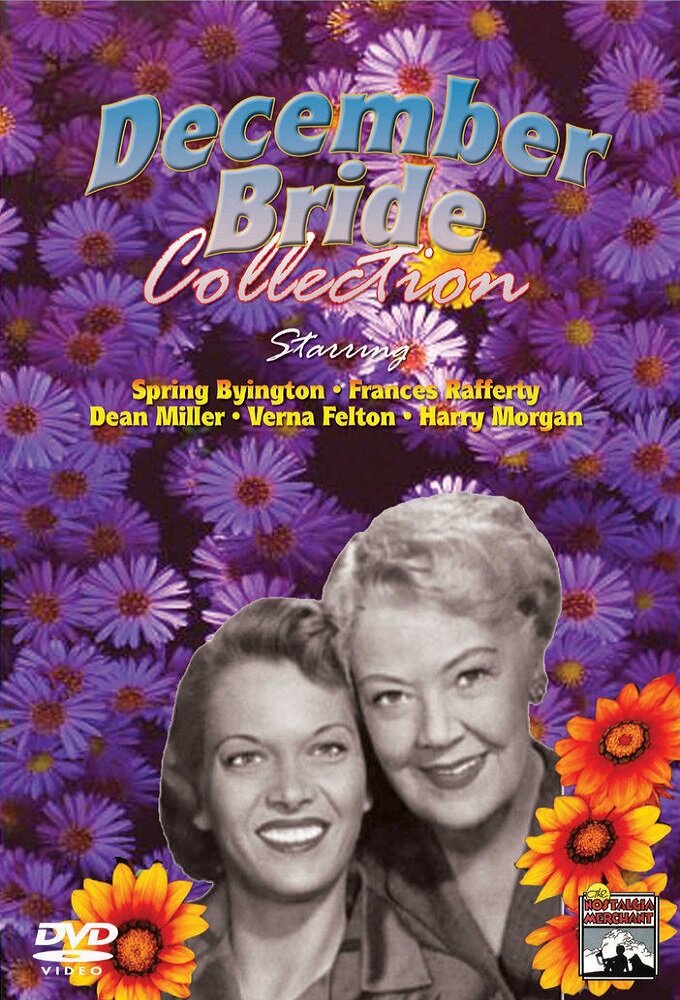
December Bride1954
Same era, same spirit: a sitcom built on character warmth rather than wackiness. The writing is genuinely clever, the pace feels natural, and it respects its characters' intelligence.
But The central plot device (a widow living with her daughter and son-in-law) is solved in season one, leaving the show to coast on charm alone for years.
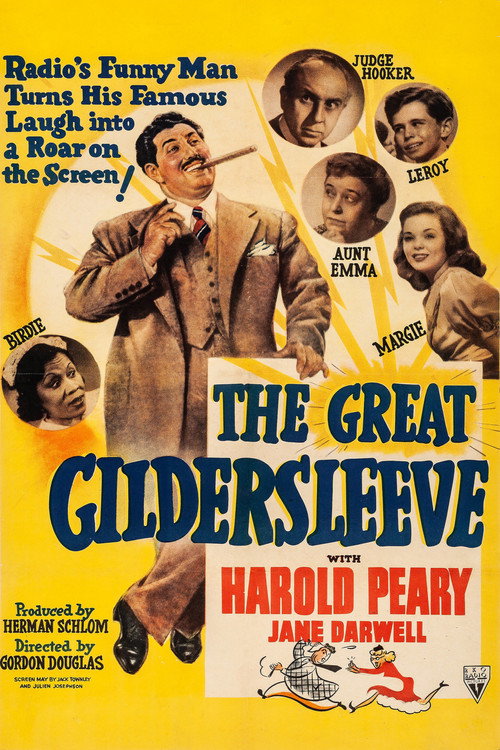
The Great Gildersleeve1942
Hal Peary brings warmth and comic timing to a small-town bachelor navigating family obligations. It's Riley's tone—humor from real life—applied to a different household arrangement.
But Less sharp than the best of its era; the writing often settles for safe, predictable jokes rather than character-derived comedy.
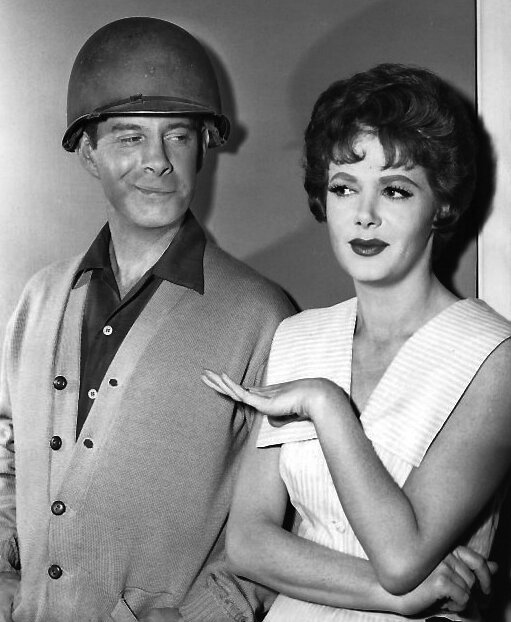
Pete and Gladys1960
Harry Morgan and Cara Williams as a married couple navigating work and home life. Similar DNA to Riley but slightly more sophisticated in its observations of marriage as a working partnership.
But The gender dynamics are very much of its time, and the humor sometimes punches down at the female character in ways that land awkwardly now.
The Bob Cummings Show1955
A more cynical take on domestic comedy: Bob Cummings as a self-centered bachelor whose schemes go wrong. If you like Riley's comedy but want something with a bit of edge.
But Cummings' character is often actively unlikeable, and the show takes his side anyway, which creates a tonal unease the writing doesn't quite resolve.
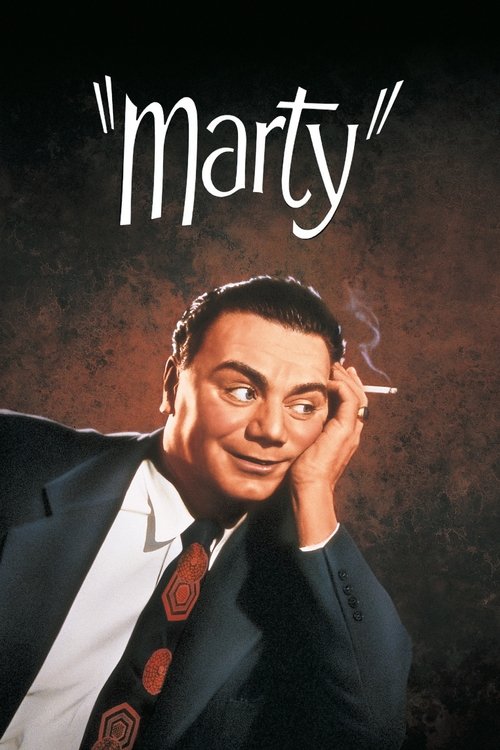
Marty1955
Marty is Riley grown up and living with the weight of his choices. Same voice, same setting (the working-class neighborhood), same comedy born from accepting who you actually are. But the emotional register is profound instead of light.
A Bronx butcher and his lonely friends navigate dating and adulthood with devastating sweetness. Paddy Chayefsky's script treats working-class men with absolute dignity and real humor—no condescension. It's Riley's world elevated to tragedy and poetry.
But It's deeply sad and deliberately slow. The humor emerges from disappointment and compromise rather than joke-telling. Some viewers find it depressing rather than moving.
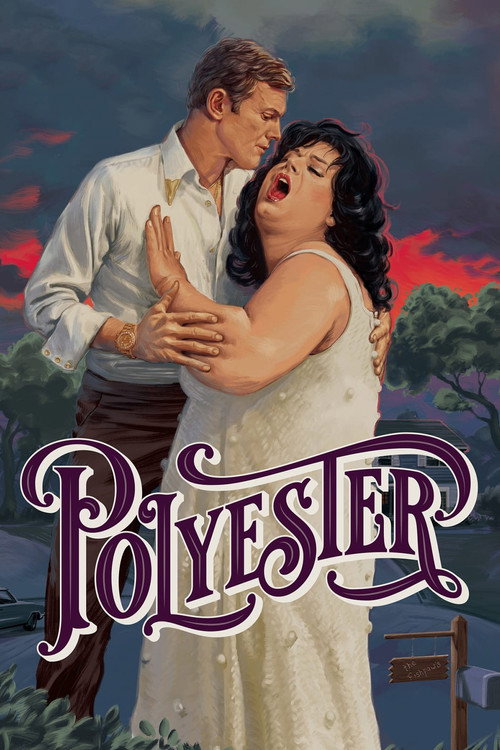
Polyester1981
The inverse relationship between two visions of the American family home. Riley treats the domestic space as fundamentally safe; Polyester knows it's a pressure-cooker of repression and failure. Waters uses sitcom structure and sitcom timing to undo everything Riley made comfortable.
John Waters's satire of suburban family life, shot in Sensurround to assault your senses. It's a grotesque mirror-image of the sitcom family: everything Riley touches is sanitary and normal; here, the furniture reeks and the parents are sexual disasters. Hilarious and deeply twisted.
But Waters' humor is aggressive and offensive by design. It's filthy, strange, and deliberately ugly. The 1981 aesthetic is an acquired taste, and the joke is often on you for watching it.