Television series
The Bob Cummings Show
- Comedy
- Light-hearted
- Dip in and out
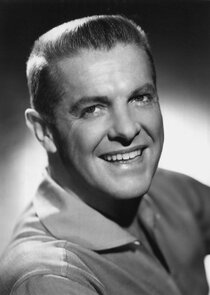
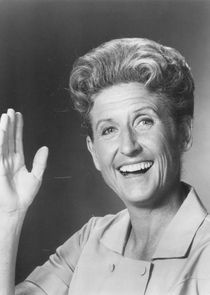
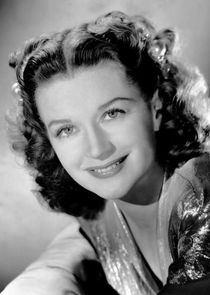
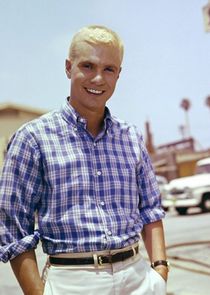
A fifties sitcom about a handsome bachelor photographer in Hollywood juggling models, dates, and romantic mishaps. It's brisk, charming, and surprisingly modern—snappy dialogue, quick cuts, and a protagonist who treats seduction like a second job. For anyone who loves classic sitcoms with actual wit.
If you liked this
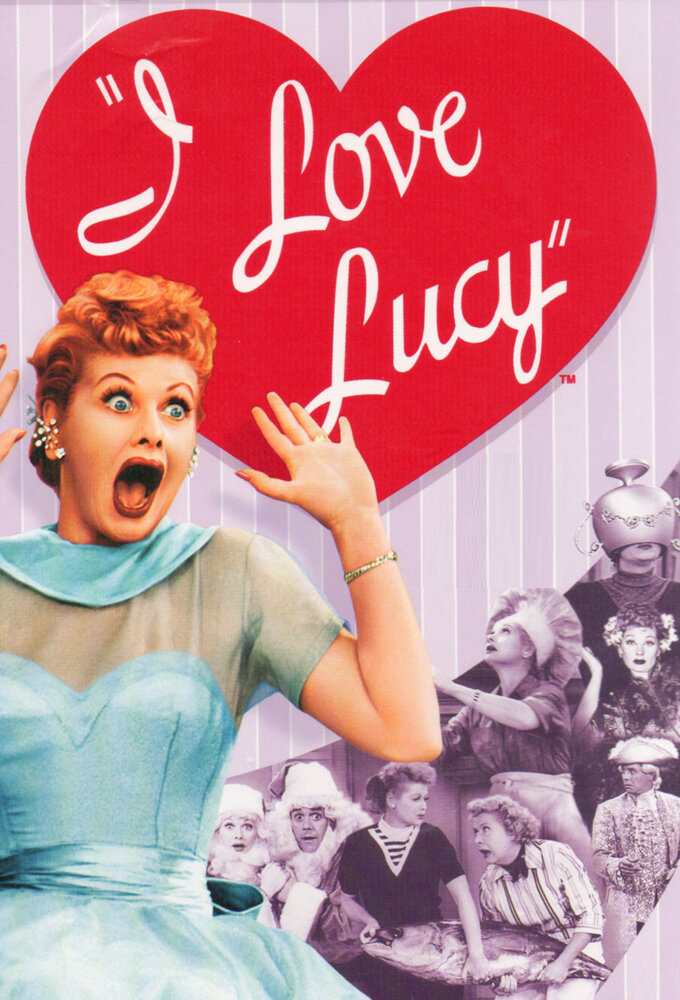
I Love Lucy1951
The gold standard of fifties comedy. Lucy's physical humour and Desi's timing set the template every sitcom after followed, including this one. Essential viewing for understanding what made the era tick.
But It's been rerun to death, and the plots can feel predictable if you've caught episodes before. Some slapstick lands harder than others.
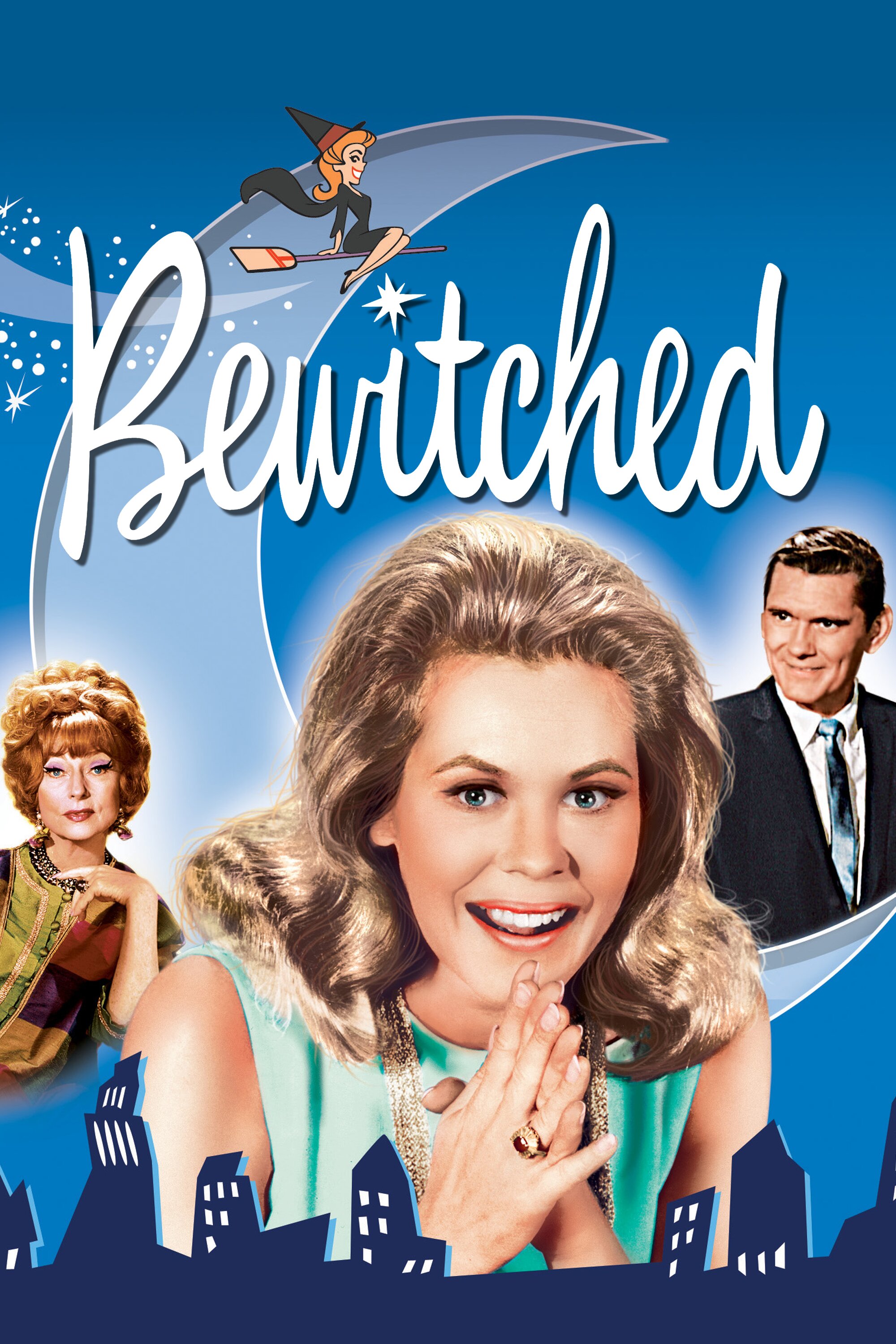
Bewitched1964
A housewife with magical powers and a mortal husband. The premise is fantastical but the comedy mines domestic friction and identity—she's suppressing her true self for marriage, which is darkly funny and oddly moving.
But It runs eight seasons and the magic-as-metaphor concept gets repetitive. Later episodes trade concept for sitcom mechanics.
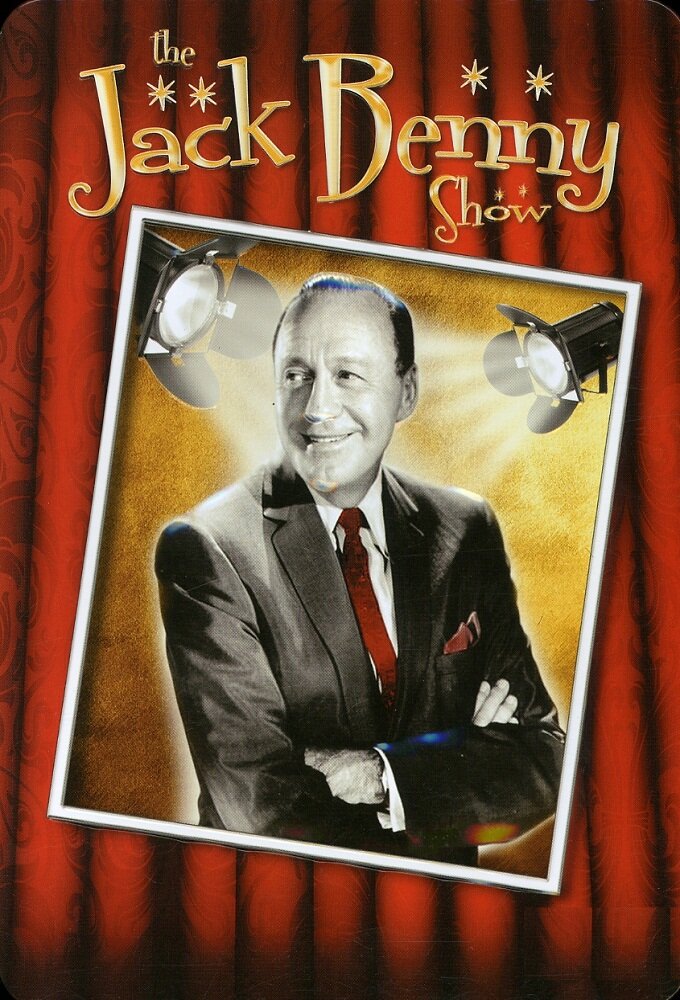
The Jack Benny Program1950
Benny's radio genius adapted for television. His timing is impeccable, his timing is his character, and watching him stay silent while others react teaches you everything about comedic control.
But Much of the humour depends on running gags that build over time. Jumping in randomly won't land the same way.
Not sure tonight? Get a pick in a minute, starting from The Bob Cummings Show
The wildcard
Something you would not have found on your own.
Singin' in the Rain1952
Both are insider tales of Hollywood ego and beauty. Where Bob's a bachelor photographer seducing his way through the industry, Gene and Donald are dancing through it. Same place, same emptiness at the centre, completely different genre.
Gene Kelly and Donald O'Connor in a film about movies, ego, and the mechanics of stardom. It's a musical with the same backdrop—Hollywood vanity and shallow charm—but expressed through dance and song instead of romantic comedy.
But If musicals feel like work to you, this won't convert you. The dance sequences are long, and the story is thin by design.

More like this (7)
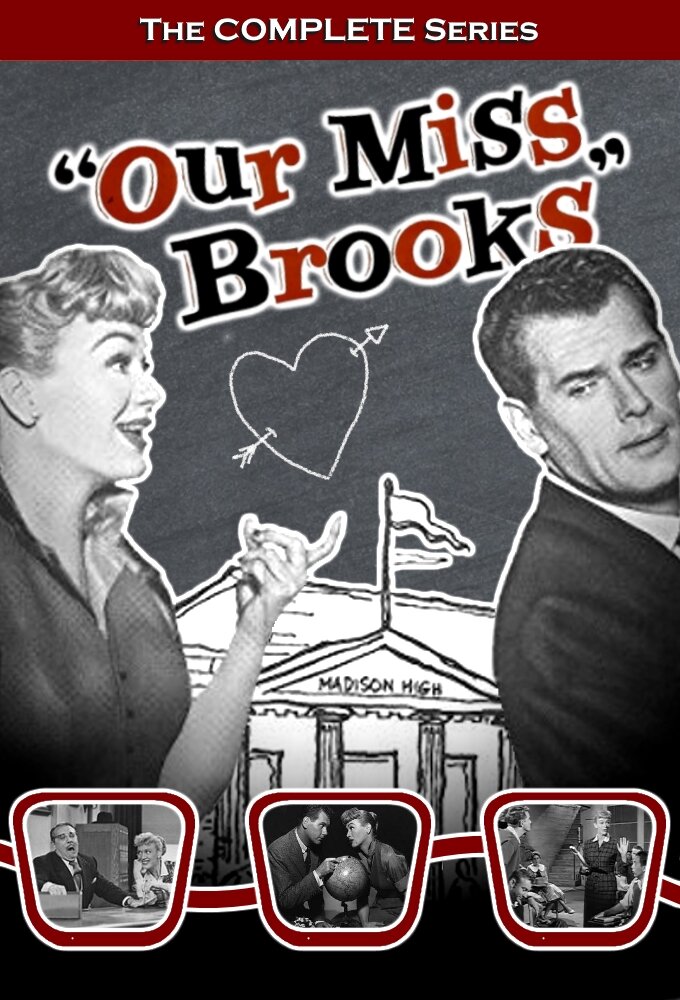
Our Miss Brooks1952
A female lead playing intelligence and wit in a school-room setting. Eve Arden owns every scene with deadpan precision, and the writing respects her character's mind in ways most fifties comedies didn't.
But The episodic structure is simple by design. If you're after plot, you'll find routine situations repeated throughout its run.
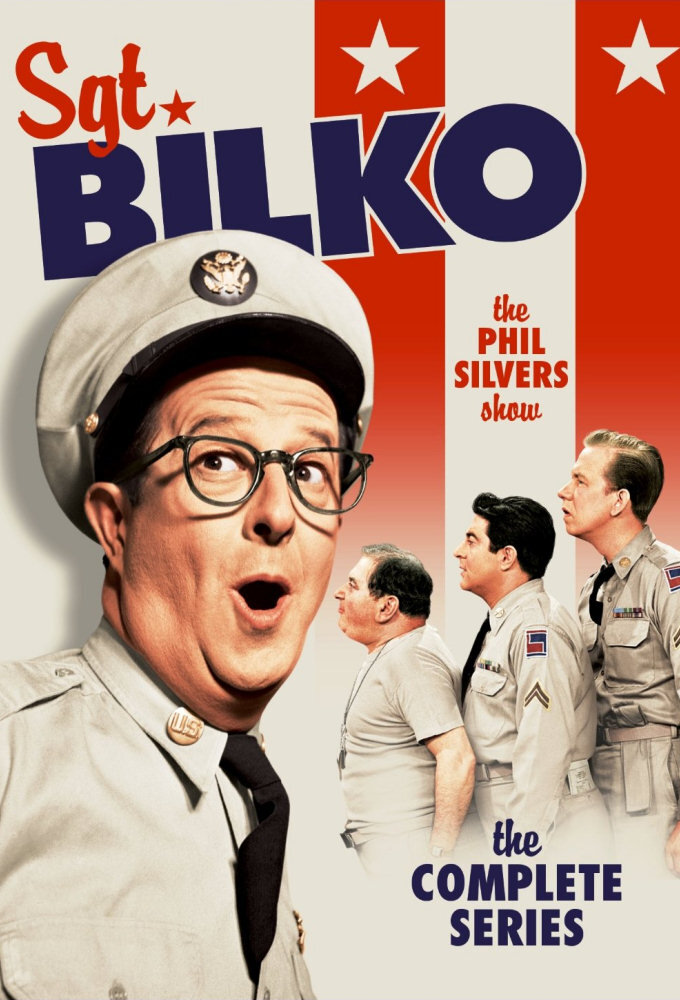
The Phil Silvers Show1955
Sgt. Bilko is a con man in the Army, scheming his way through base life with charm and intelligence. It's sharper than the average sitcom—faster paced, more ambitious in its plots, genuinely clever.
But Some military jargon and camp life details feel dated. The rapid-fire dialogue can be hard to follow if you're not locked in from the start.
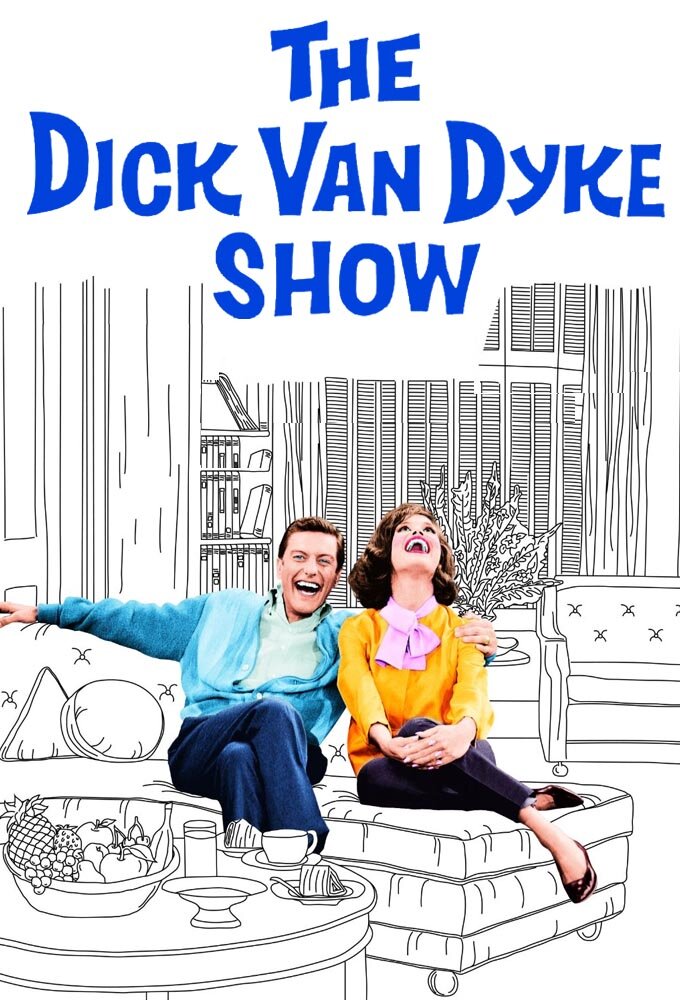
The Dick Van Dyke Show1961
Modern sitcom writing hit its peak here. The supporting cast is flawless, the scripts are tight, and it manages sentiment without being maudlin. Every element works in concert.
But It's beloved enough to have been heavily syndicated. The most famous episodes feel familiar even if you haven't seen them.
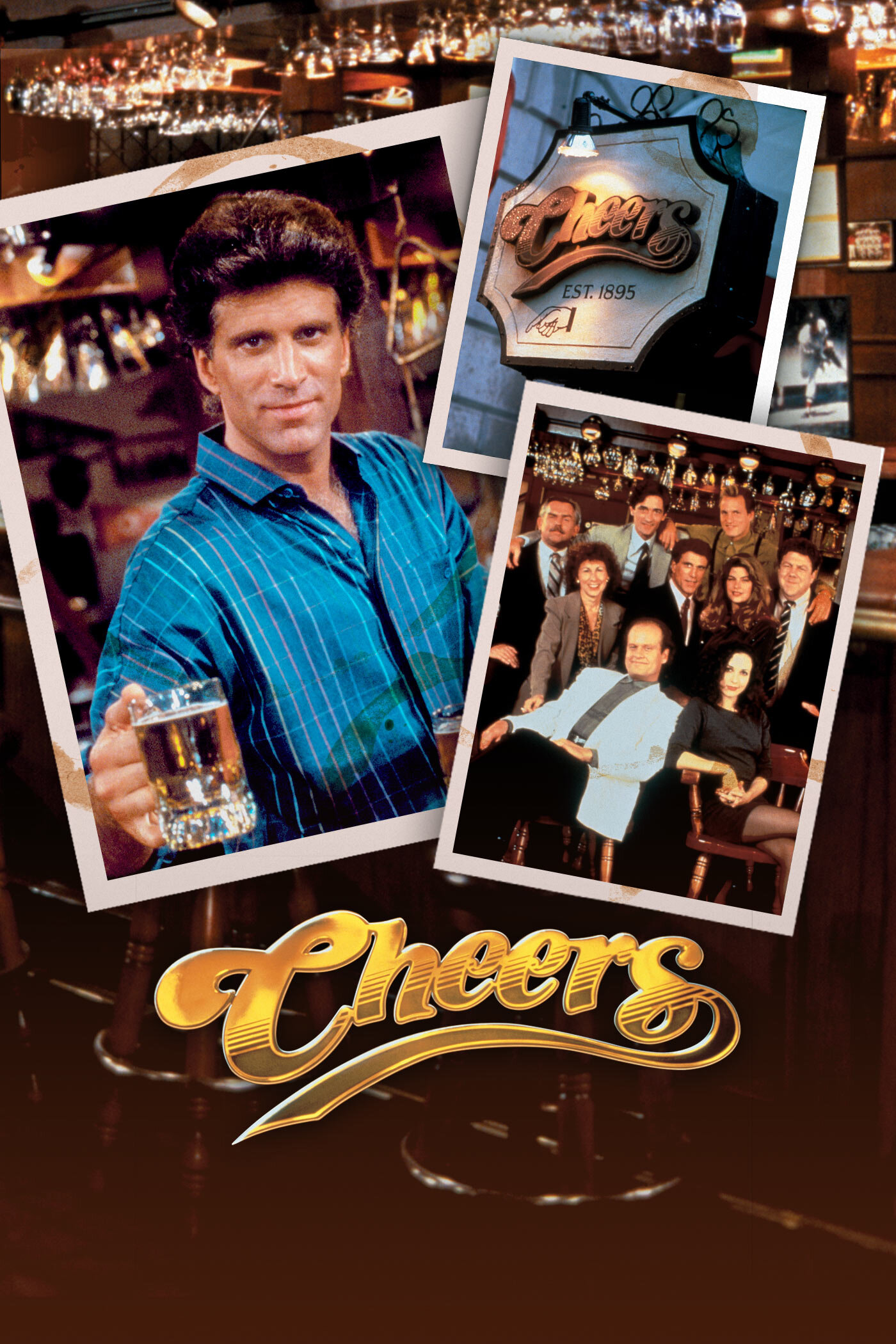
Cheers1982
A bar full of regulars with distinct personalities becomes the world. The ensemble dynamics and running character development proved sitcoms could sustain depth across a long run without losing comedy.
But It's eleven seasons. Commitment matters. The early seasons are sharper than the later ones, and quality dips noticeably in the stretch.
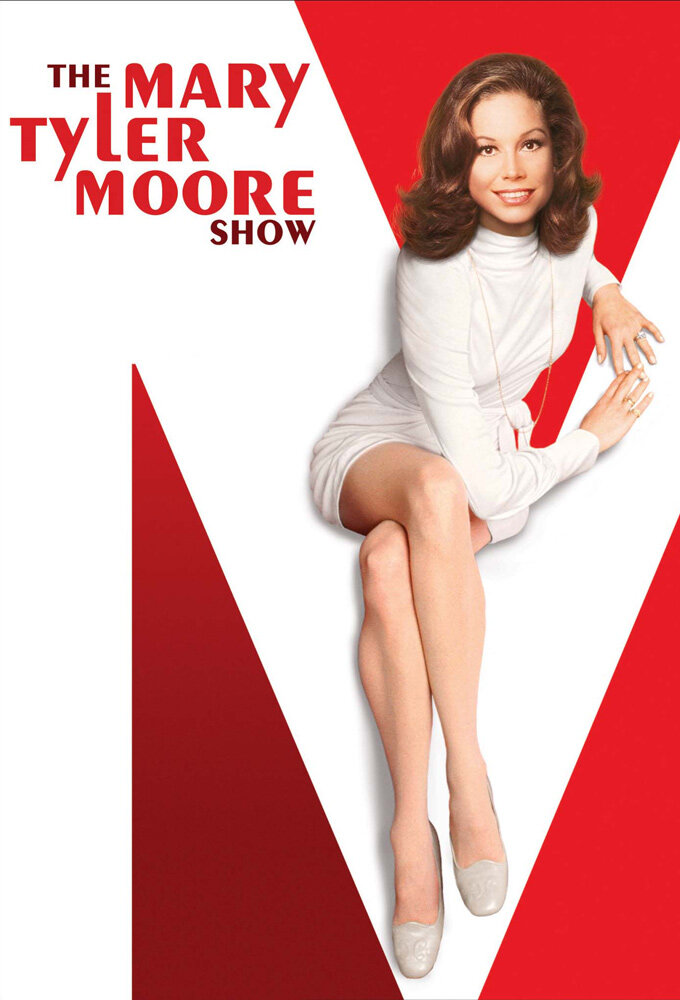
The Mary Tyler Moore Show1970
A single working woman in the city, surrounded by a newsroom ensemble. It's funny, warm, and genuinely progressive for its time without broadcasting it. Mary's independence feels earned, not preachy.
But The seventies production style is dated. Some plots resolve too neatly for how modern they're trying to feel.
The Killing1956
Both are structured around social performance and surface charm masking emptiness. Bob charms for conquest; the heist crew charms to deceive. In the fifties, that's the same corruption—just one's played for laughs.
Kubrick's debut: a heist film about a racetrack robbery, fractured chronologically before *Pulp Fiction* made that cool. Spare, tense, and funny in deadpan register. It respects the audience's intelligence.
But The pacing is deliberate and the plot meanders. If you need constant action or emotional investment, it can feel cold and slow.

Breakfast at Tiffany's1961
Both centre on beautiful people in cities performing versions of themselves for money and attention. But where Bob's comedy is lightweight and uncritical, *Breakfast at Tiffany's* is elegiac—asking what it costs to be that beautiful, that empty, that alone.
Audrey Hepburn as Holly Golightly, a woman performing a persona for survival and self-invention in New York. It's romantic and melancholic, superficially glamorous but genuinely sad. Stylish, intelligent, and aware of its own emptiness.
But Holly's characterization is sympathetic but the film never quite resolves whether we're meant to judge or pity her. The ending splits the difference awkwardly.