Television series
Mama
Other titles called Mama: the 2013 film.
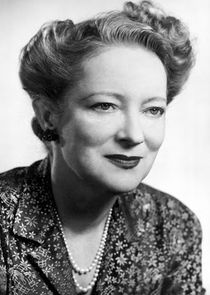
A gentle sitcom about a Norwegian-American family in San Francisco, built around Peggy Wood's warm, shrewd matriarch keeping her household together through depression, war, and ordinary life. It's a show about economics—how people stretch money and affection in hard times—disguised as domestic comedy. For anyone who loves character-driven ensemble work and the textures of ordinary life.
Should you watch it?
Watch it if you love the warm, unhurried texture of early television, where a family's ordinary days carry the whole show and the performances matter more than polish.
Skip it if you need tight plotting or a fast pace, since this is a single early-television episode with the rough edges and slower rhythms of its era.
What it asks of you: Patience with a slower, more deliberate rhythm and the stagey conventions of 1949 television; it lingers on domestic moments rather than building a hook, so settle in.
Not sure? Find tonight's pick in a minute.
If you liked this
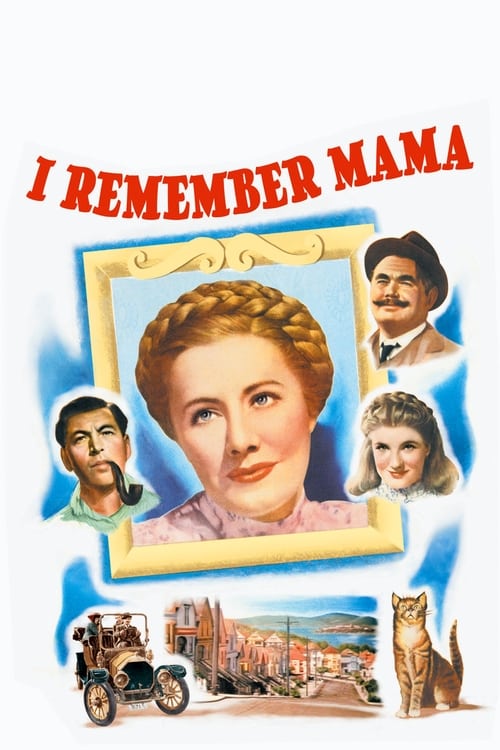
I Remember Mama1948
The film that inspired the series, with the same cast and deeper emotional resonance. A beautiful, unsentimental look at the same family across years of struggle and small victories.
But It moves quietly and refuses melodrama; if you want plot propulsion or neat resolution, you'll find neither. Some find it slow.
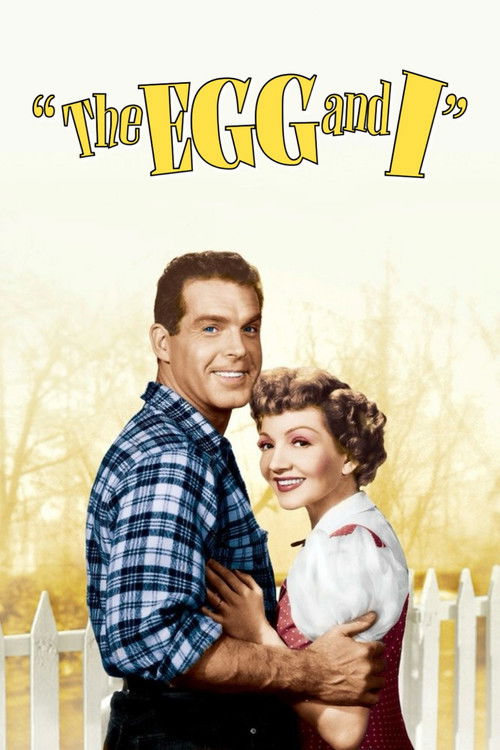
The Egg and I1947
Fred MacMurray and Claudette Colbert navigate marriage, farming, and economic hardship with the same unglamorous realism and dry humor that makes Mama special. Both are about couples figuring out how to live.
But It's a woman trying to adapt to her husband's world; the gender dynamics won't feel modern, and the comedy sometimes lands awkwardly.
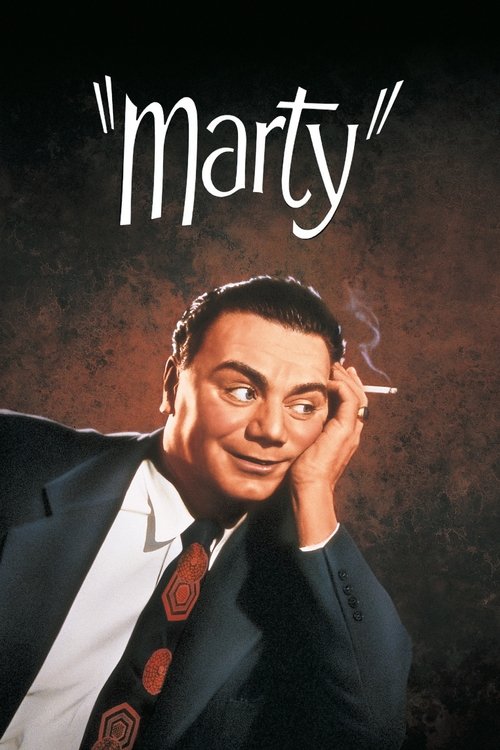
Marty1955
Another story about ordinary people—a butcher and his mother in the Bronx—where the whole drama comes from character, kindness, and the small humiliations of daily life. Same DNA, same refusal to sentimentalize.
But It's deliberately plotless by today's standards. If you need external conflict or stakes, this will feel like nothing happens.
Not sure tonight? Get a pick in a minute, starting from Mama
The wildcard
Something you would not have found on your own.
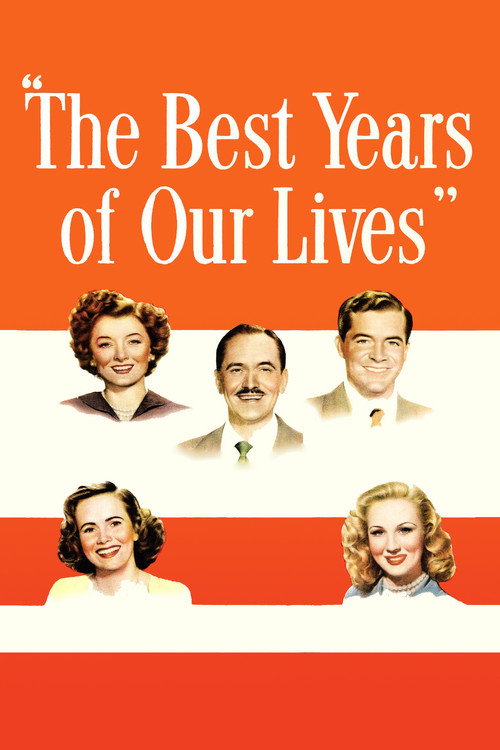
The Best Years of Our Lives1946
Both are about the infrastructure of family life holding together under pressure; both use ordinary scenes—meals, conversation, work—as the real drama of survival.
Three soldiers return home to an ordinary American town to find everything changed. Like Mama, it's interested in how ordinary people absorb extraordinary disruption—in this case, war—and rebuild daily life with the same people they love.
But It's three hours long, shot in black and white, and it's genuinely about trauma and loss. The pacing is glacial by modern standards and the emotional weight is real, not comforting.
More like this (7)
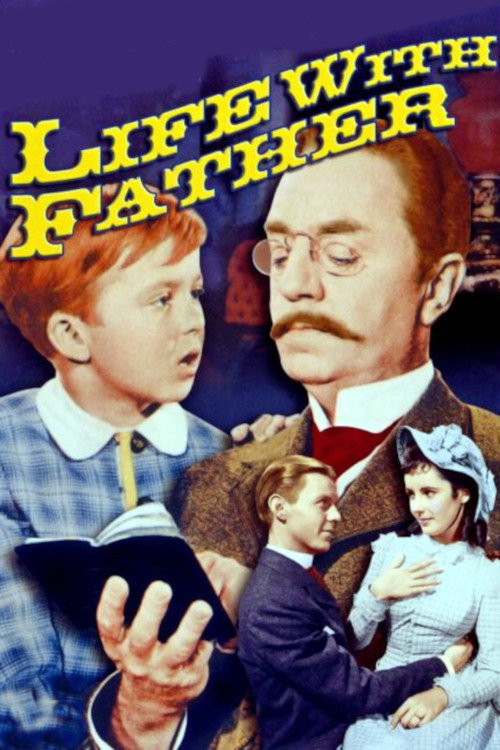
Life with Father1947
A similar nostalgic lens on family life—William Powell as a comic tyrant presiding over his household with love underneath the bluster. The same affectionate, unsentimental family dynamics.
But It's a period piece about the very wealthy; the stakes feel smaller and more fussy than Mama's economic reality.
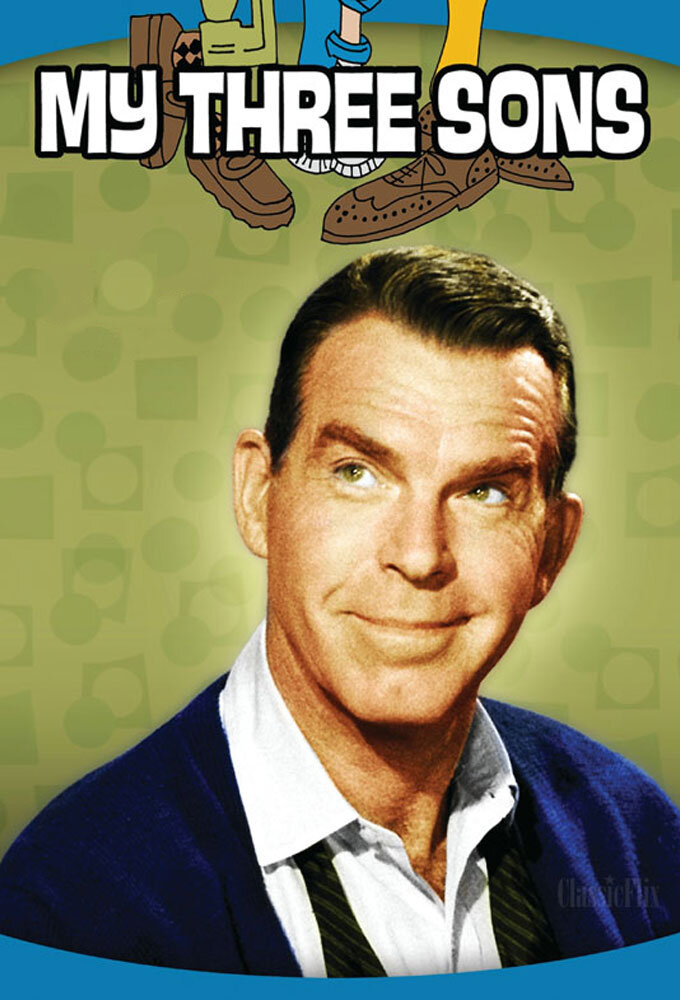
My Three Sons1960
A family sitcom centered on ensemble and character rather than plot, with Fred MacMurray as a widower raising three boys. It has Mama's patience with ordinary life and its ordinary heartbreak.
But By the 1960s it becomes sweeter and more saccharine than Mama ever was. The later seasons especially lose the edge.
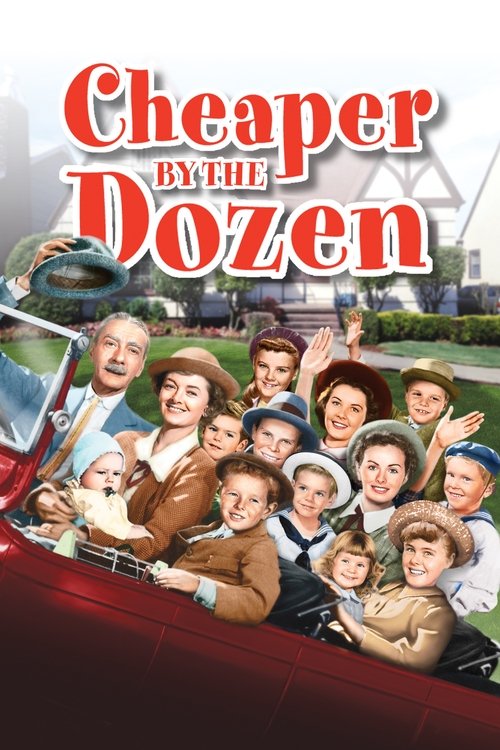
Cheaper by the Dozen1950
Clifton Webb and Myrna Loy managing a house full of children with ingenuity and love. Like Mama, it's really about how a family survives on what it has and who holds it together.
But The chaos can be exhausting, and it's more about the novelty of size than about the deeper economics of survival.
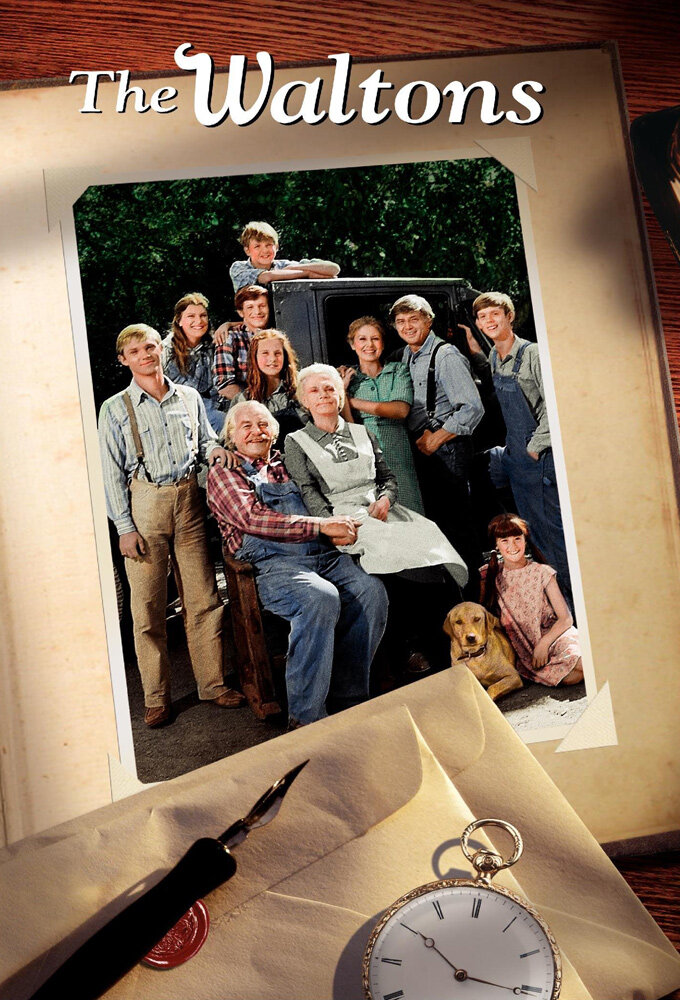
The Waltons1972
A multigenerational family narrative set during depression and war, built around the bonds between parents and children. The same quiet, accumulative approach to showing how people survive.
But It's far more sentimental than Mama, with a heavy moral voice-over. The earnestness can feel cloying.
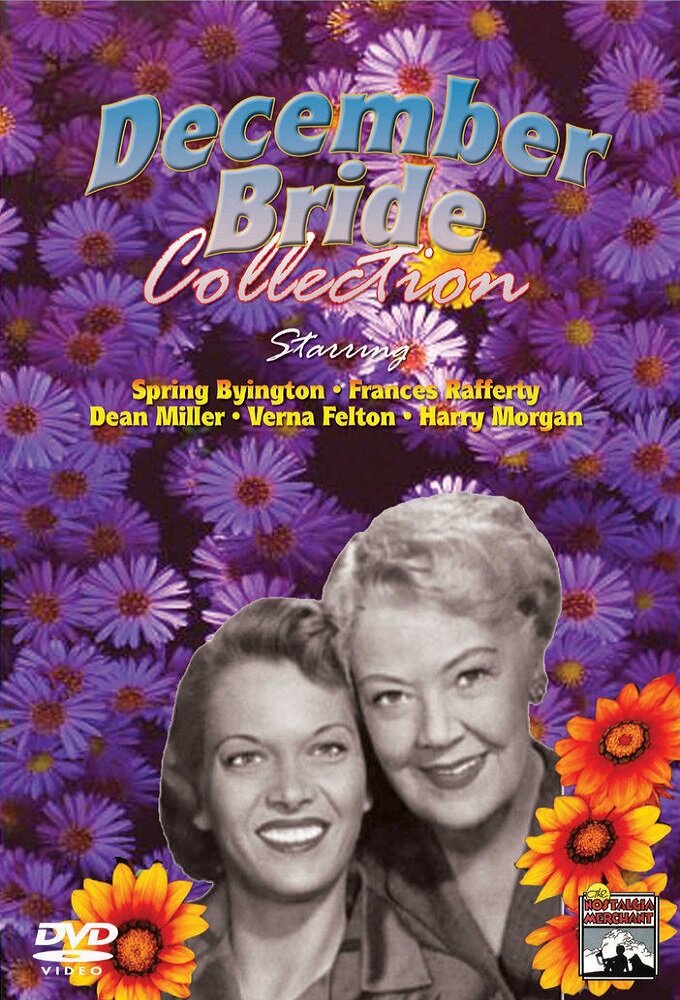
December Bride1954
Spring Byington in a sitcom about a widow living with her daughter and son-in-law. It shares Mama's focus on the older generation as the moral and emotional anchor of family life.
But It's broader and lighter, with less of the economic weight that gives Mama its texture. The humor feels more conventional sitcom.
The Mother2023
Both center the mother as the moral and practical authority; both understand that family love means making do, without rhetoric or sentiment.
An Italian neorealist film about an aging mother and her unemployed son during postwar poverty, with the same unsentimental eye for how people move through economic hardship without flinching. It's Mama in a different country and register.
But It's in Italian with subtitles. It's bleak—there are no laugh lines and no warm resolution. The poverty is not background; it's the whole story.

The Ascent1977
Both are constructed around waiting and endurance rather than action; both understand that survival is spiritual, not just economic—a matter of who you choose to be when resources run out.
Andrei Tarkovsky's film about two resistance fighters in WWII, but really about suffering, faith, and how people survive unbearable circumstances. It has the same architectural interest in the small choices that define a life.
But It's a challenging Soviet film about religious ecstasy and martyrdom. It's slow, it's austere, and it demands active attention. Not a comfort watch.