
Film
Cheaper by the Dozen
Other titles called Cheaper by the Dozen: the 2003 film.
- Comedy
- Light-hearted
A cheerfully old-fashioned slice of Americana: efficiency engineer Frank Gilbreth applies his professional gospel of time-and-motion to raising twelve children, and the household runs like a very affectionate factory floor. Clifton Webb is dry and commanding, Myrna Loy the softening counterweight, and the film moves briskly through gags about bathrooms, bicycles and birthday parties. Gentle, nostalgic, entirely free of edge.
Should you watch it?
Watch it if you enjoy warm, bustling family comedy where the jokes come from a houseful of chaotic kids and two sharp, bickering parents who love each other too much to stay serious for long.
Skip it if you want a plot that builds toward something, since this is a loose run of episodic household anecdotes that drifts from one scene to the next with little urgency.
What it asks of you: Little beyond patience: it is short at under ninety minutes, unhurried, and light in tone, asking you to settle into its easygoing rhythm rather than track a demanding storyline.
Not sure? Find tonight's pick in a minute.
If you liked this
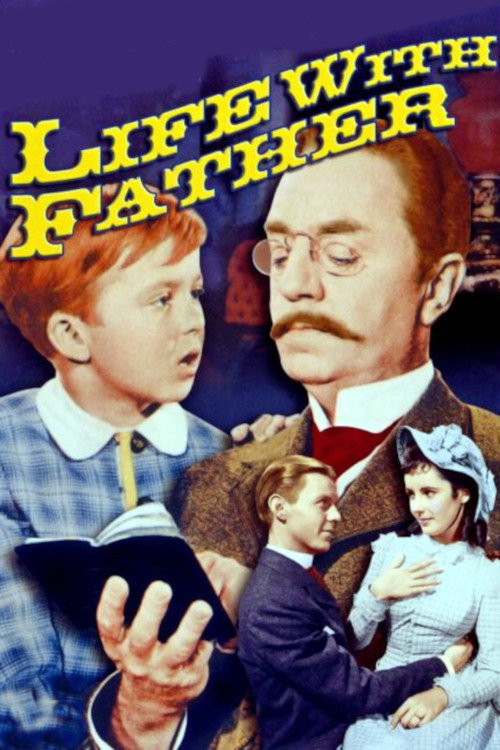
Life with Father1947
Clifton Webb's spiritual predecessor in domestic-tyrant-with-a-heart comedy—William Powell rules his 1880s household with booming certainty, constantly undone by the women around him.
But Even more Victorian and stagey than Gilbreth; if that felt dated, this will feel positively ancient.
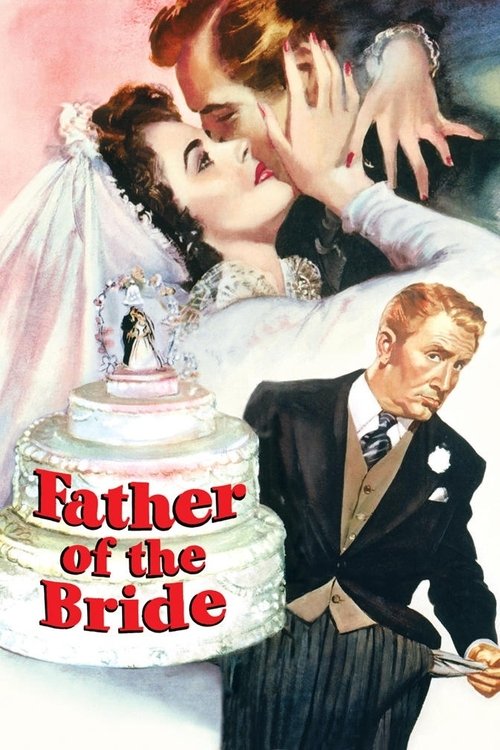
Father of the Bride1950
Same year, same cheerful postwar domestic anxiety, but here it's one daughter's wedding sending Spencer Tracy into gentle despair instead of twelve children into chaos.
But Much smaller canvas—one event, one daughter—less anecdote and sprawl, more slow-burn father worry.
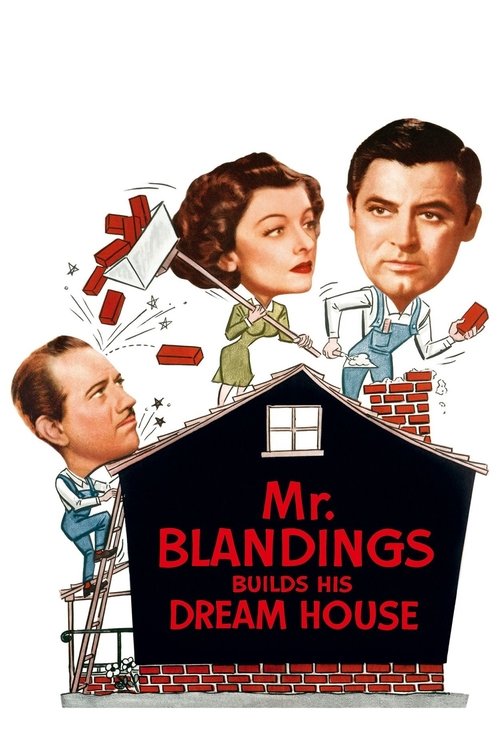
Mr. Blandings Builds His Dream House1948
Myrna Loy again, this time steering Cary Grant through a house-building disaster instead of a dozen kids—same warm, exasperated marital comic engine.
But Thinner plot than a family saga, and leans harder into slapstick than sentiment.
Not sure tonight? Get a pick in a minute, starting from Cheaper by the Dozen
The wildcard
Something you would not have found on your own.
Modern Times1936
Frank Gilbreth was a real pioneer of scientific time-and-motion management—the same efficiency philosophy Chaplin's tramp gets crushed by on the factory line. Same obsession with optimizing human bodies, here turned savage instead of affectionate.
Chaplin at his most soulful and pointed, silent-comedy genius applied to the terror of being treated as a machine—funny, then suddenly devastating.
But Silent, nearly ninety years old, and considerably angrier about efficiency than anything in a Gilbreth household.

More like this (8)
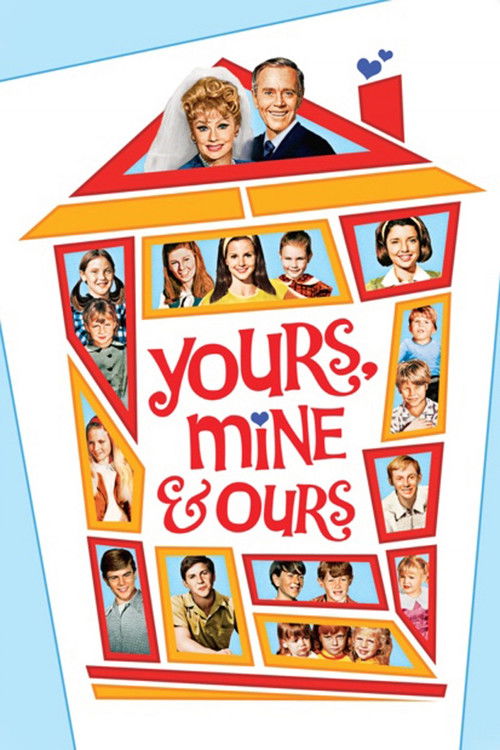
Yours, Mine and Ours1968
Takes the premise further: two widowed parents combine eighteen kids between them, and Lucille Ball and Henry Fonda handle the resulting chaos with real comic stamina.
But Broader and more farcical, with less of the Gilbreths' period charm—this is pure sitcom energy.
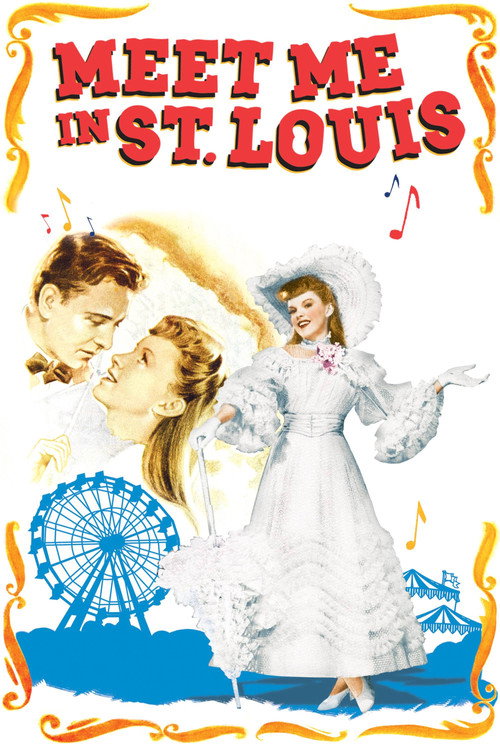
Meet Me in St. Louis1944
An earlier, lusher vision of a big, loving turn-of-the-century family, told in vignettes across a year rather than as one continuous plot.
But It's a musical, and a more melancholy one than expected—less comedy, more wistful nostalgia.
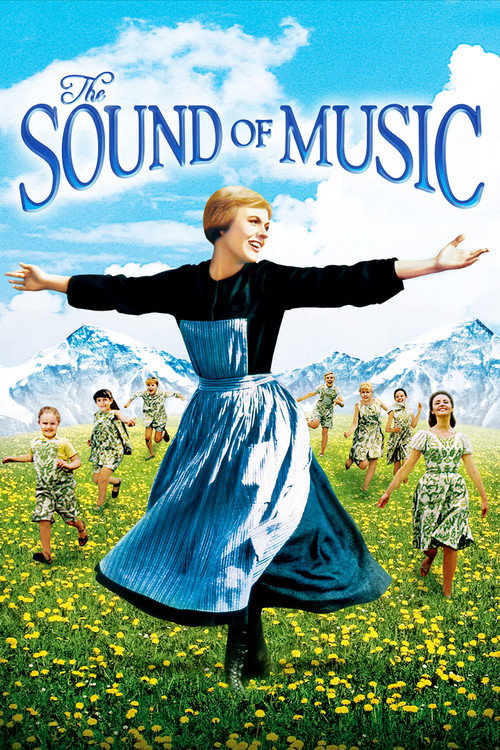
The Sound of Music1965
Another household of many children reorganized by a strong-willed outsider who brings warmth and order—just with songs, Nazis, and much higher stakes.
But Three hours long and unmistakably a musical; if you wanted Gilbreth-style brevity, this is the opposite.
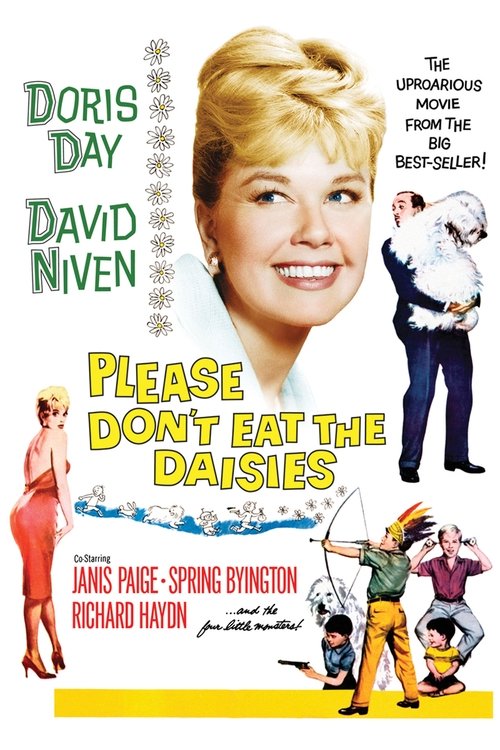
Please Don't Eat the Daisies1960
David Niven and Doris Day navigate four sons and a chaotic move to the suburbs with the same breezy, gag-driven family-comedy spirit.
But Glossier, more Technicolor sitcom than Gilbreth's grounded period charm—closer to later domestic comedies.
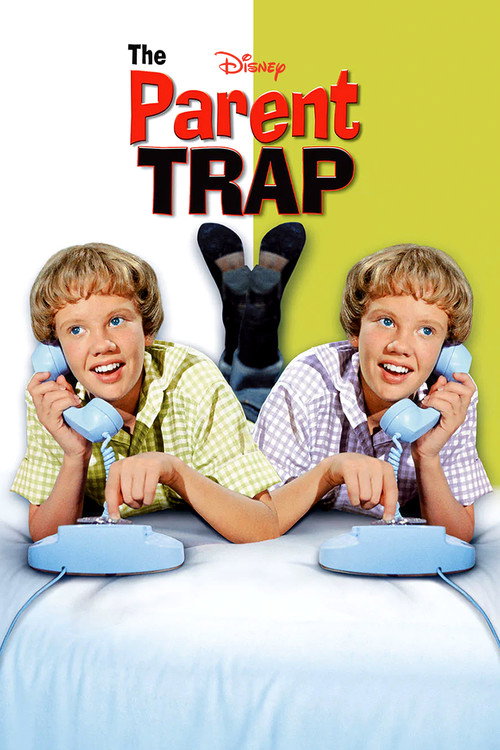
The Parent Trap1961
Hayley Mills doubling as twin sisters engineering their divorced parents back together brings the same sunny, mid-century family-comedy confidence.
But Focused on two kids and a scheme rather than a dozen kids and a way of life—different scale entirely.
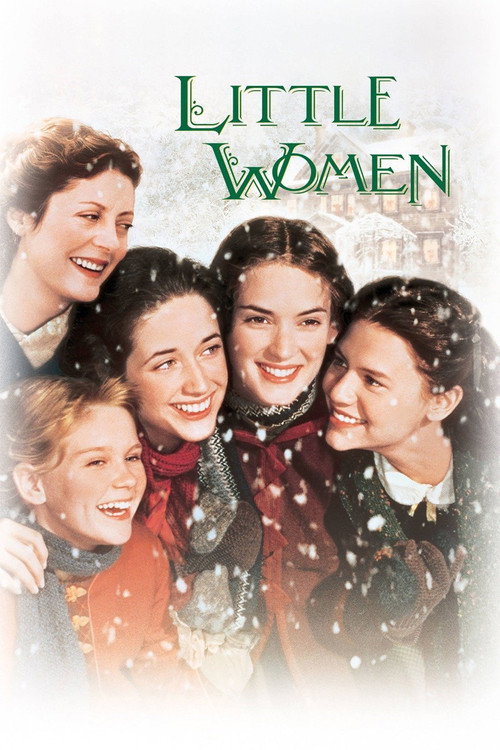
Little Women1994
Swaps efficiency and comedy for tenderness and loss, but keeps the same commitment to a big house full of siblings, each distinctly drawn.
But Considerably more serious and elegiac—there's real grief here, not just gentle domestic mishaps.
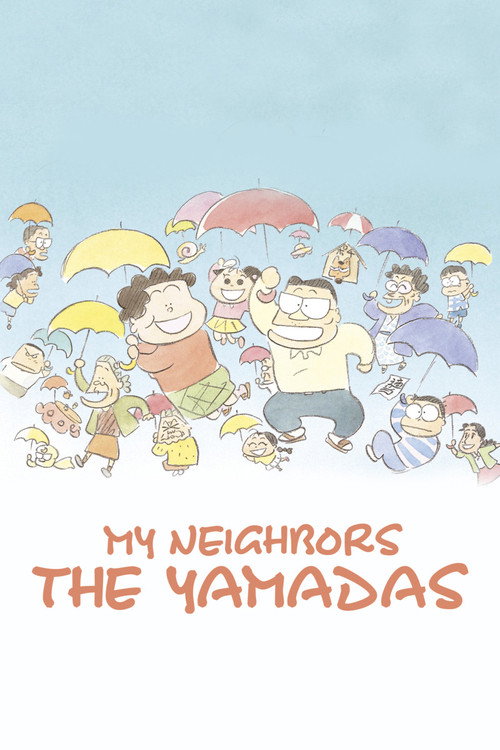
My Neighbors the Yamadas1999
Same structure as Cheaper by the Dozen—loosely connected household anecdotes rather than one plot—but told through Studio Ghibli's watercolor animation instead of Technicolor live action.
A gentle, funny, visually inventive portrait of ordinary family friction—sibling squabbles, parental exasperation—rendered with real tenderness and almost no plot at all.
But Deliberately loose, sketch-like animation and Japanese domestic rhythms that some viewers find slow or unfamiliar.
Shameless2011
Same core idea—a huge, overwhelmed household, an overworked parent figure, kids running semi-feral—but transplanted to a Manchester council estate and stripped of every ounce of gloss and gentility.
A riotously funny, foul-mouthed, big-hearted look at a family surviving on chaos and love instead of order and etiquette—the anti-Gilbreth household, just as compelling.
But Explicit, often bleak, and morally messier than any 1950 studio comedy—not family viewing in the same sense at all.

People
Cast
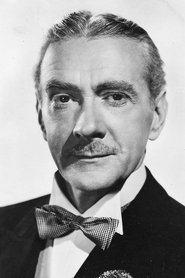 Clifton WebbFrank Gilbreth
 Jeanne CrainAnn Gilbreth
 Myrna LoyLillian Gilbreth
 Betty LynnDeborah Lancaster
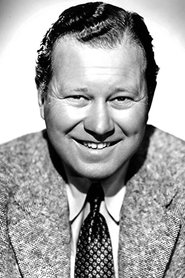 Edgar BuchananDr. Burton
 Barbara BatesErnestine Gilbreth
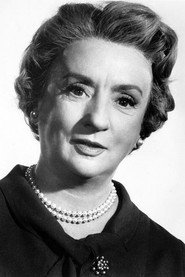 Mildred NatwickMrs. Mebane
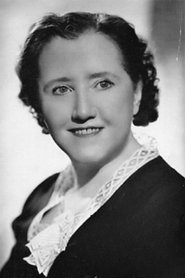 Sara AllgoodMrs. Monahan
- Betty BarkerMary Gilbreth (uncredited)
 Patti BradyMartha Gilbreth (uncredited)
- Teddy DriverDan Gilbreth (uncredited)
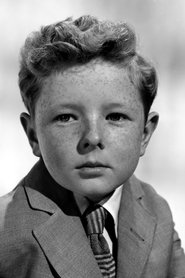 Jimmy HuntWilliam Gilbreth (uncredited)
Directing
- Walter LangDirector
Writing
- Ernestine Gilbreth CareyNovel
- Frank B. Gilbreth Jr.Novel
- Lamar TrottiScreenplay
Production
- Lamar TrottiProducer
Recommended by
Life with Father, Yours, Mine and Ours, Mama, With Six You Get Eggroll, The Parent Trap, Father of the Bride, A Letter to Three Wives, A Slight Case of Larceny