
Film
Polyester
- Gross-out comedy
- Strange
John Waters's dizzy, gaudy melodrama about a suburban housewife whose life explodes in spectacular ways, held aloft by Divine's fearless comic performance. Shot in 3-D, distributed with scratch-and-sniff cards, it's trash aesthetics as genuine art—campy, crude, surprisingly tender, and absolutely singular. For anyone who wants cinema that takes risks.
If you liked this
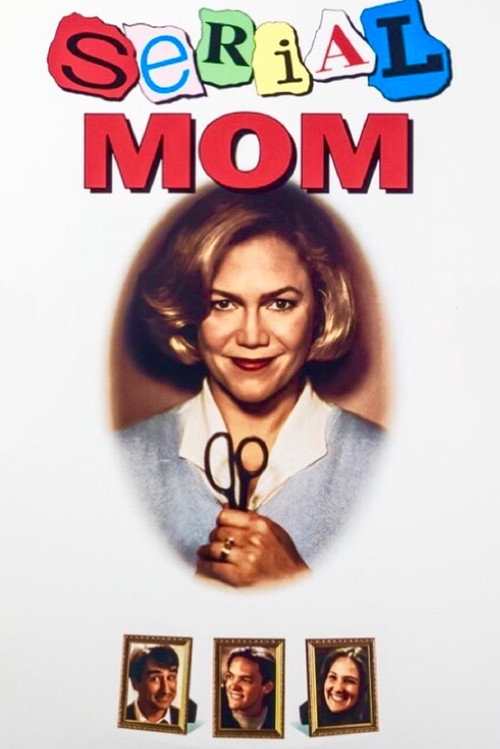
Serial Mom1994
Another Waters film with Kathleen Turner as a murderous housewife, giving you the full scope of his vision across a decade. Sharper satire, darker comedy, equally committed to its own madness.
But It's nastier than Polyester and doesn't have Divine's warmth. The humor lands harder but colder.
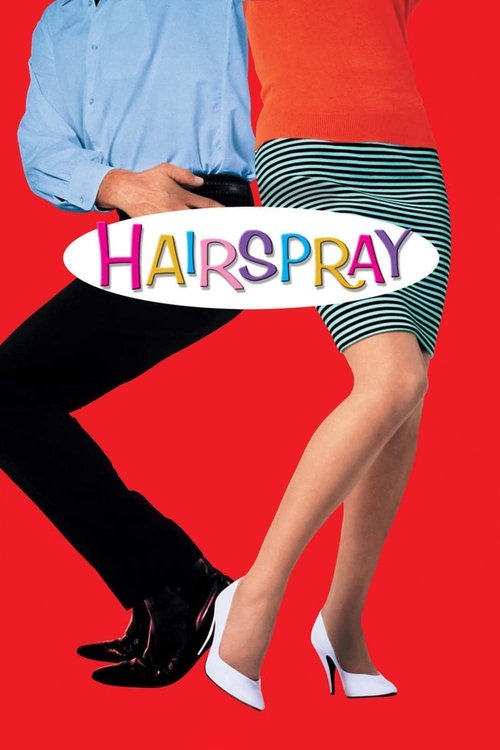
Hairspray1988
Waters at peak commercial confidence, still transgressive but genuinely joyful. Divine in drag as the mother is essential viewing—it's raucous, musical, and full of heart about outsiders finding community.
But Much more mainstream and family-friendly, which some might find less exciting than Waters' pure provocation.
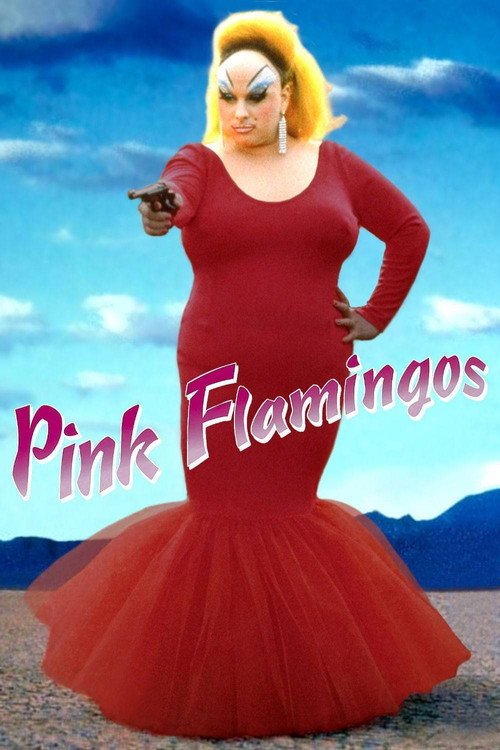
Pink Flamingos1972
The film that made John Waters's name, starring Divine in full glory. It's audacious, grotesque, hilarious—the true template for camp cinema, impossible to look away from even when you want to.
But It's genuinely shocking in ways that push far beyond Polyester. Not for the squeamish, and it doesn't have a plot in the traditional sense.
Not sure tonight? Get a pick in a minute, starting from Polyester
The wildcard
Something you would not have found on your own.
Mulholland Drive2001
Both use melodramatic structure and domestic spaces to explore identity and delusion, but Lynch goes inward into psychology while Waters goes outward into provocation.
Lynch's hallucinatory Hollywood nightmare is structured like Polyester's melodrama but filtered through nightmare logic. Both films use genre as a container for psychology—suburban dreams collapsing into something darker and truer underneath.
But It's a three-hour puzzle that demands multiple viewings and rewards obsession. Some find it pretentious; it moves slowly where Polyester dances.

More like this (6)
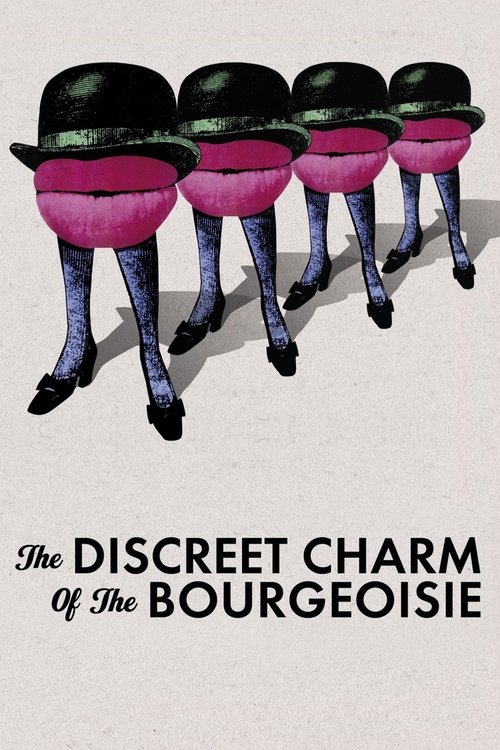
The Discreet Charm of the Bourgeoisie1972
Buñuel's surreal mockery of middle-class manners shares Polyester's interest in suburban absurdity and pretense. Elegant, sly, and built on the comedy of people behaving badly while maintaining composure.
But It's French and strange—no Divine, no 3-D, no scratch-and-sniff. The humor is cerebral where Polyester is visceral.
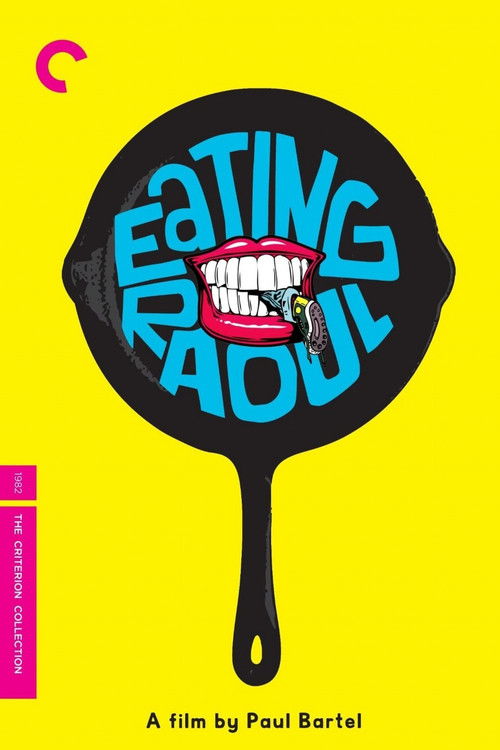
Eating Raoul1982
A couple murder swingers to fund their dream restaurant. It has Polyester's trashy energy, deadpan absurdity, and genuine affection for its deluded protagonists, plus a satirical edge about class and consumption.
But The premise is darker and meaner-spirited. It's indie in a way that shows—lower budget, smaller cast, less visually stylized.
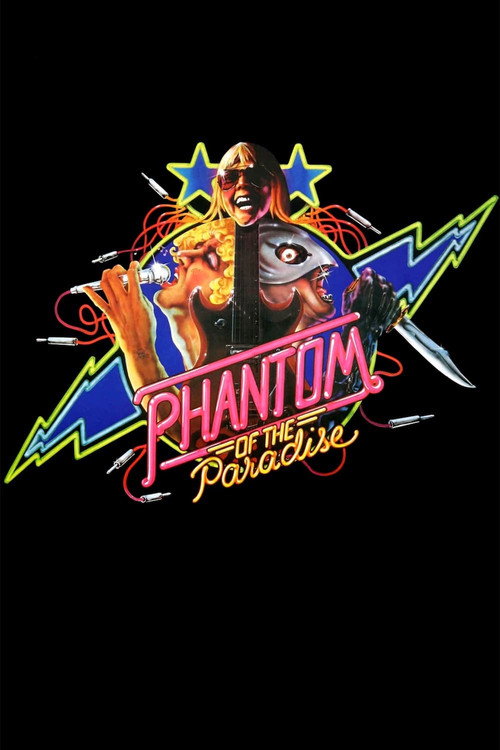
Phantom of the Paradise1974
De Palma's operatic rock horror-comedy is trashy and baroque in spirit, full of melodrama, sexual perversion, and '70s excess. It has Polyester's commitment to style-over-sense and genuine weirdness wrapped in genre.
But It's more ambitious and formally composed—less chaotic, more carefully constructed. The tone shifts between parody and earnest horror.
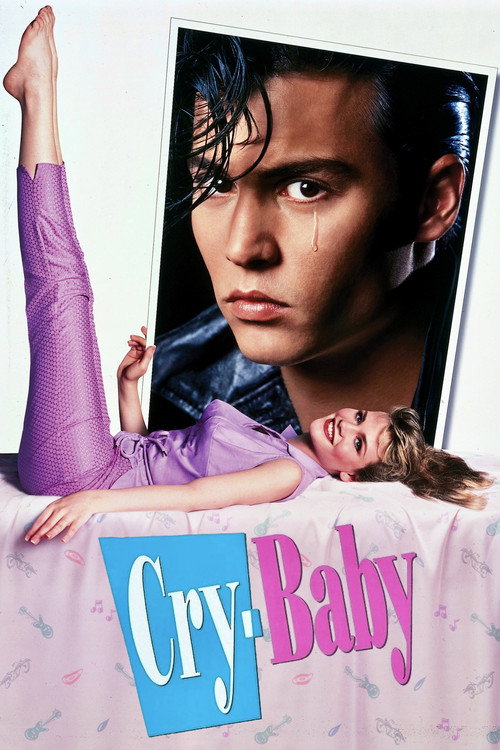
Cry-Baby1990
Waters' '50s pastiche with Johnny Depp and Amy Locane, full of rockabilly kitsch and teenage rebellion. It's got the melodrama and romance Polyester flirts with, plus Waters' sure hand with period detail and camp.
But It's his most accessible and least dangerous film. If you want Waters to genuinely offend you, this won't do it.
Jeanne Dielman, 23, quai du Commerce, 1080 Bruxelles1976
Both films center a woman trapped in domesticity, but Akerman documents the trap with anthropological rigor while Waters explodes it with comedy and chaos.
Chantal Akerman's three-hour portrait of a housewife's routine, shot with glacial precision. It shares Polyester's fascination with women's domestic labor and hidden life, but approaches it as formal cinema rather than satire.
But It's experimental, deliberately boring, and asks you to sit with tedium. Zero camp, zero jokes—the opposite of Waters' theatrical excess.

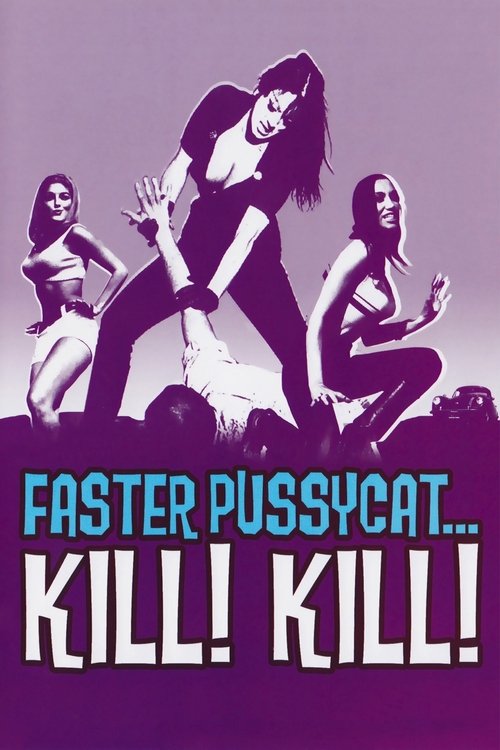
Faster, Pussycat! Kill! Kill!1965
Both films elevate trash cinema into genuine art through absolute commitment to their own logic. Waters learned from Meyer's fearlessness about sex, bodies, and the outsider gaze.
Russ Meyer's cult classic about female bikers is the spiritual ancestor of Waters' aesthetic—B-movie energy, sexual provocation, and outsider perspectives treated with total commitment. Trashy, thrilling, genuinely transgressive.
But It predates Polyester by 16 years and shows its age in pacing. The sexual politics are complicated and often troubling—it's not been recontextualized or smoothed over.
People
Cast
 DivineFrancine Fishpaw
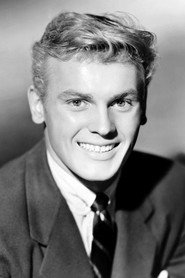 Tab HunterTodd Tomorrow
 Edith MasseyCuddles Kovinsky
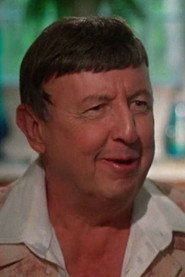 David SamsonElmer Fishpaw
 Mary GarlingtonLu-Lu Fishpaw
 Ken KingDexter Fishpaw
 Mink StoleSandra Sullivan
- Joni Ruth WhiteLa Rue
- Hans KrammHeintz
- Stiv BatorsBo-Bo Belsinger
- Rick BreitenfeldDr. Arnold Quackenshaw
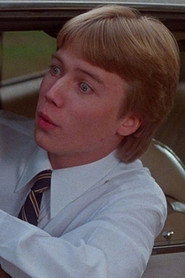 Michael WatsonFreddy Ashton
Directing
- Pat MoranAssistant Director
- John WatersDirector
Writing
- Debbie HarryLyricist
- John WatersWriter
Production
- Sara RisherAssociate Producer
- Pat MoranCasting
- Robert ShayeExecutive Producer
- Robert MaierLine Producer
- John WatersProducer
- Michael WhiteProducer
- Alan TreadwellProduction Assistant
- Jim BlevinsProduction Assistant
- John HeynProduction Assistant
- Rachel TalalayProduction Assistant
Recommended by
Pink Flamingos, She-Devil, Mondo Trasho, The Life of Riley, Thupparivaalan