
Film
Coney Island
- Comedy
- Light-hearted
A 1943 musical comedy set at the turn of the century, where a smooth-talking con man muscles into a Coney Island nightclub and tangles with its brash star singer. Breezy, colorful, and built on the chemistry between Betty Grable and George Montgomery, it's pure entertainment—bright songs, snappy patter, and the kind of romantic scheming that dissolves into affection. For anyone who loves classic Hollywood charm and doesn't need the plot to make much sense.
If you liked this
Singin' in the Rain1952
The gold standard of Hollywood musicals: nimble, joyful, and structured around real dance sequences that still astonish. Gene Kelly and Donald O'Connor are irresistible, and the film moves with the confidence of artists at the absolute peak of their powers.
But It's revered to the point of cliché. If you've heard every note praised a thousand times, the actual experience can feel smaller than the legend.

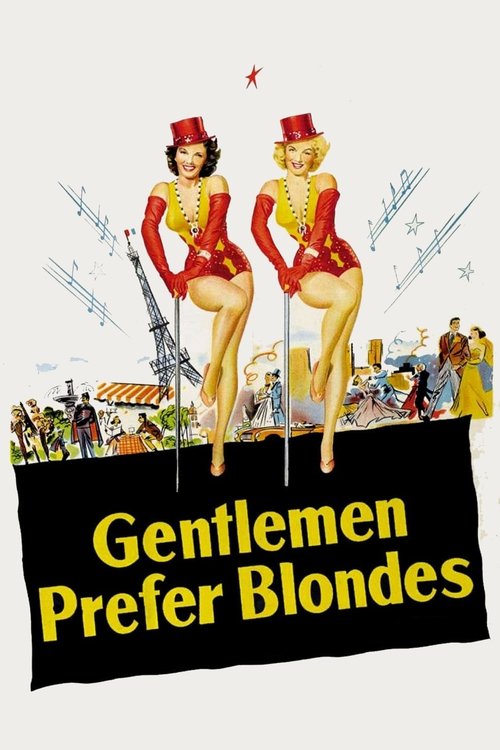
Gentlemen Prefer Blondes1953
Marilyn Monroe and Jane Russell spar and sing with genuine affection for each other. It's smart about the performance of femininity without being preachy, funny without trying too hard, and their chemistry makes every scene zip along.
But Monroe's baby-voice schtick works brilliantly but isn't for everyone. Some of the comedy relies on racial caricature that hasn't aged well.
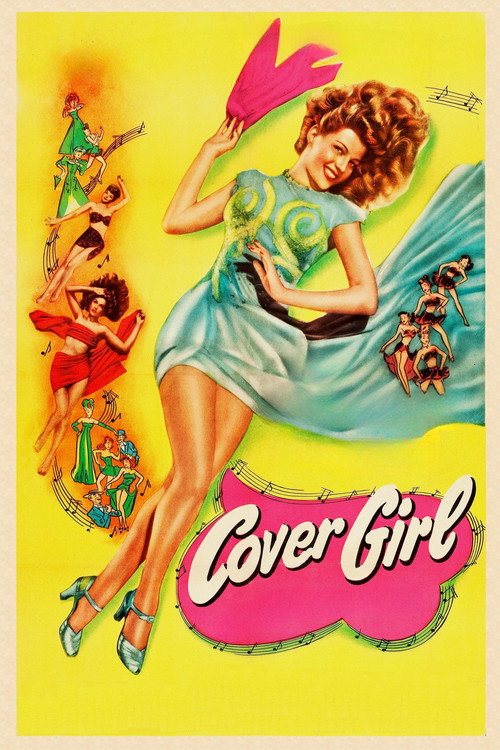
Cover Girl1944
Rita Hayworth as a chorine who becomes a magazine cover girl, with Gene Kelly as her dance partner and love interest. The dancing is extraordinary, the Technicolor is lush, and it captures the wartime dream-factory mood perfectly.
But The plot is negligible and exists only to move between musical numbers. If you need narrative momentum, you'll find yourself waiting for the next song.
Not sure tonight? Get a pick in a minute, starting from Coney Island
The wildcard
Something you would not have found on your own.
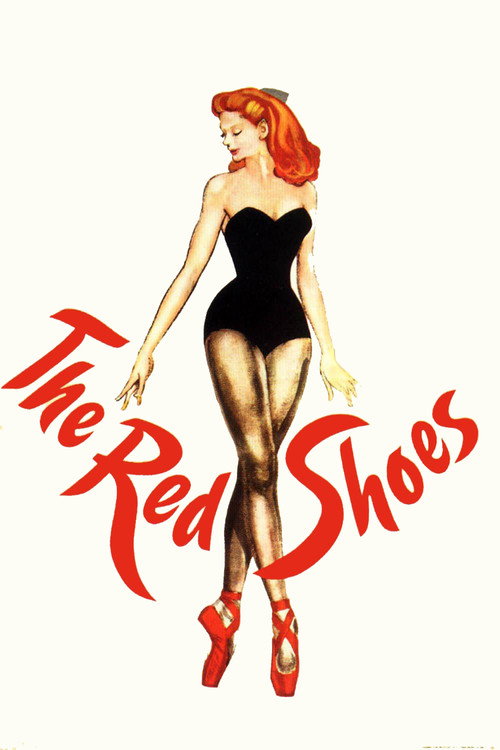
The Red Shoes1948
Both use music and dance to tell a story, but Red Shoes treats performance as the subject itself rather than decoration. Where Coney Island celebrates show business as fun and romance, Red Shoes asks what it costs to be truly great at it.
A ballet film made by Powell and Pressburger that takes the form seriously as art rather than entertainment interlude. It's visually stunning, morally complex, and proves that dance sequences can carry the weight of genuine tragedy. Moira Shearer is unforgettable.
But It's longer and slower than a typical musical, and the central conflict—between art and love—refuses easy resolution. The ending is devastating, not happy.
More like this (8)
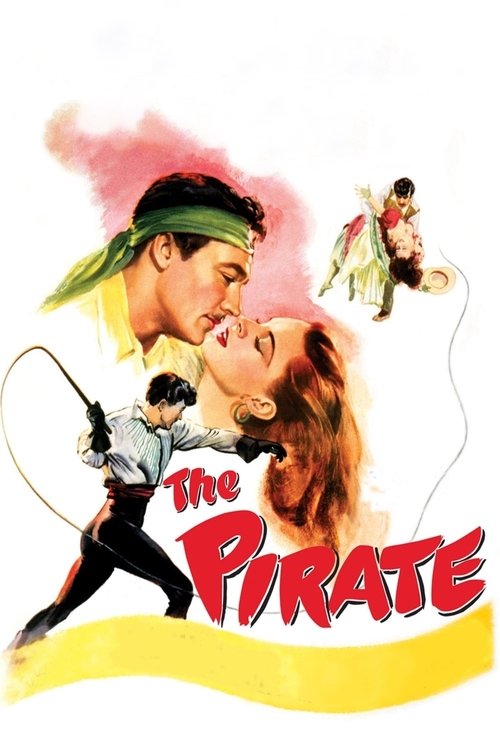
The Pirate1948
Judy Garland and Gene Kelly in a carnival setting, full of playful eroticism and theatrical energy. It's weird and off-kilter in ways musicals usually aren't, with Cole Porter songs and genuinely inventive choreography throughout.
But The tone is deliberately stagey and arch, which can feel mannered if you're not in the mood for it. Some of the comedy lands harder than others.
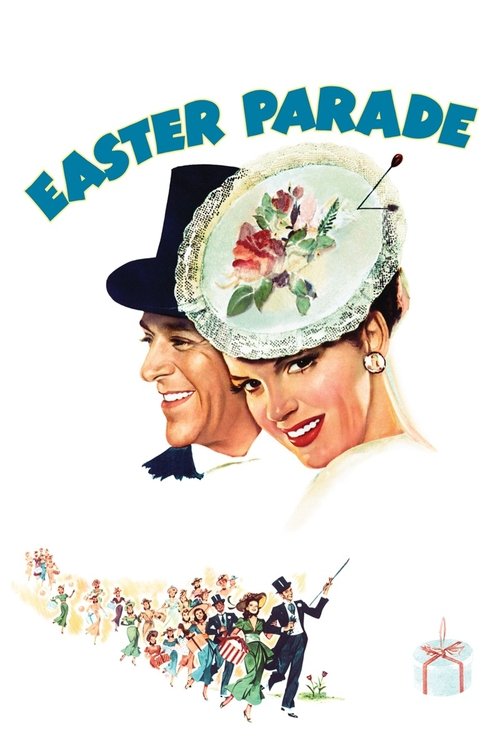
Easter Parade1948
Fred Astaire and Judy Garland dancing and singing through a romance built on mutual respect and genuine affection. It's lighter than their most celebrated work but no less charming—perfect if you want to feel good without commitment.
But It's slight. There's almost no dramatic stakes, and the supporting cast is underdeveloped. Lightness can read as emptiness.
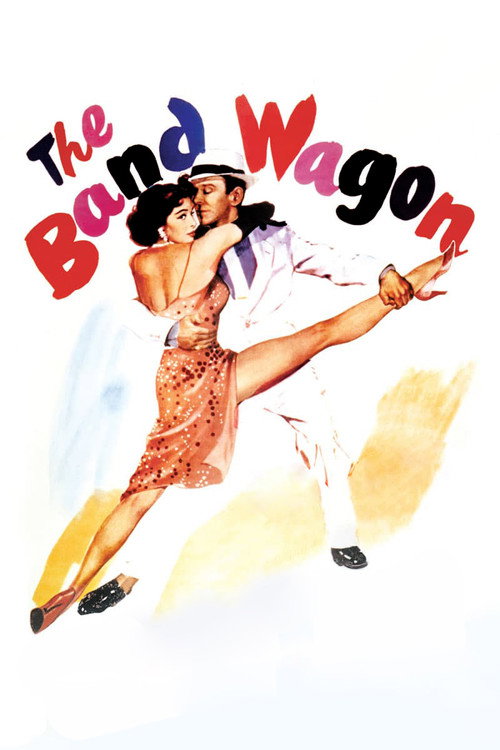
The Band Wagon1953
Fred Astaire and Cyd Charisse in a backstage musical that's both smart and deeply romantic. The dancing is astonishing, the songs are memorable, and it captures something real about the anxiety of aging in show business.
But The backstage plot can feel like filler between dance numbers. If you're not there for the dancing first and foremost, parts will feel slow.
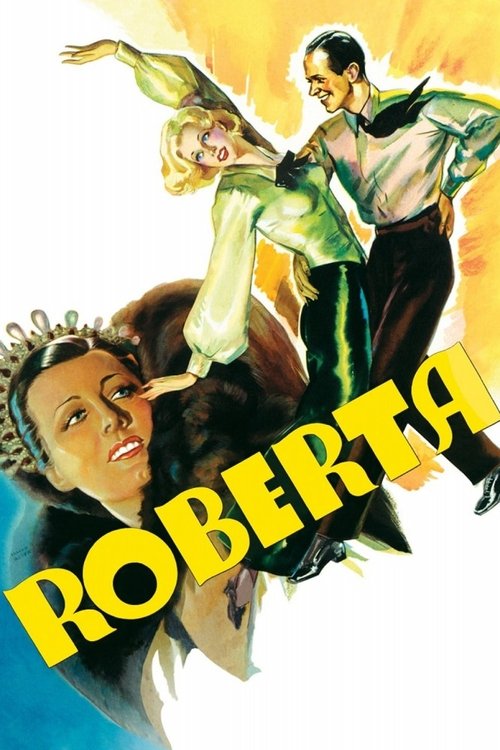
Roberta1935
Fred Astaire and Ginger Rogers reunite for a fashion-industry musical with real style and elegance. The dancing is magnificent, and there's a warmth between them that suggests genuine partnership rather than competition.
But The fashion-house plot is dated and a little thin. Some of the supporting comedy hasn't aged gracefully.
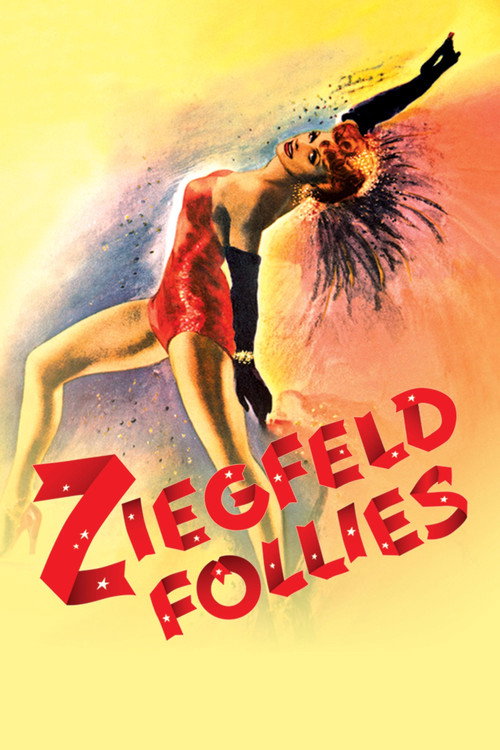
Ziegfeld Follies1945
A revue film that plays as a series of sketches and musical numbers starring Fred Astaire, Gene Kelly, Judy Garland, and others. It's a love letter to the spectacle of theatre itself, and when it clicks, it's dazzling.
But There's no plot at all, so it relies entirely on the quality of each individual number. Some segments soar; others feel indulgent and long.
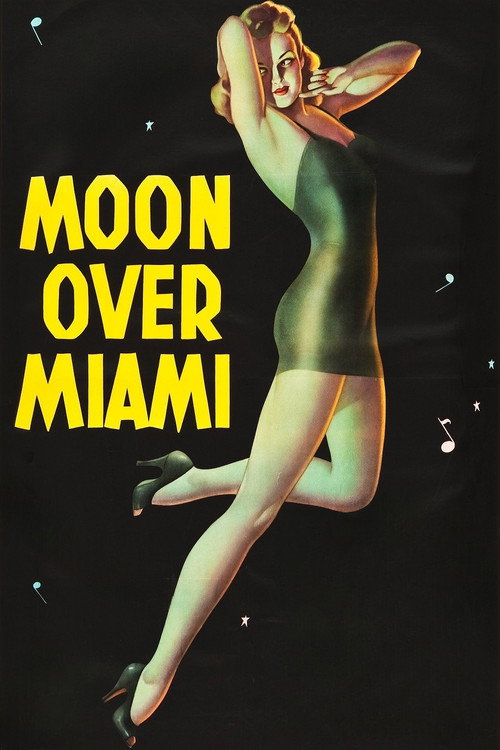
Moon Over Miami1941
Betty Grable in full force, with Don Ameche and Robert Cummings competing for her attention in a Florida resort setting. It's frothy and fast-paced, with colorful production design and an infectious sense of fun.
But The plot is nonsense, the comedy is broad, and the women are objects of pursuit rather than characters. If you need substance, this will feel hollow.
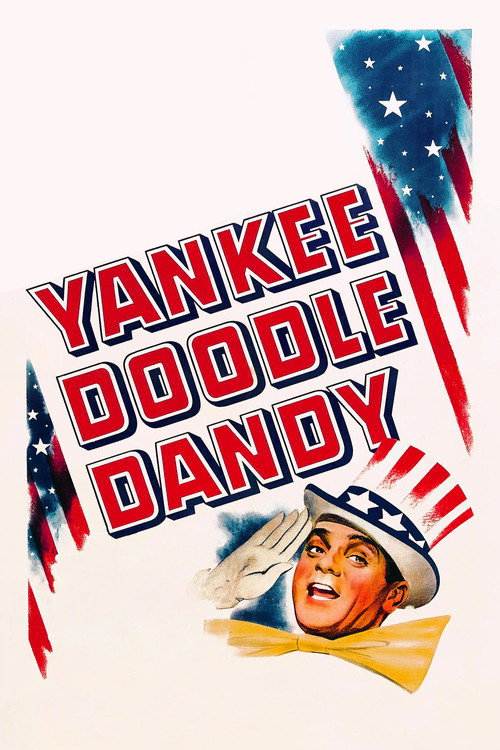
Yankee Doodle Dandy1942
Both center on performers navigating the turn-of-the-century entertainment world and both use music to define character. Yankee Doodle Dandy is the serious version—about real artistry and legacy rather than romantic entanglement.
James Cagney as George M. Cohan, the vaudeville star and composer. It's a biography that moves like a musical itself, packed with dance numbers, and Cagney's performance is joyful, sharp, and utterly alive. A masterpiece of entertainment.
But It's a biopic, so the structure is more linear and less fantastical than a pure musical. Some viewers find that constraining after watching pure spectacle films.
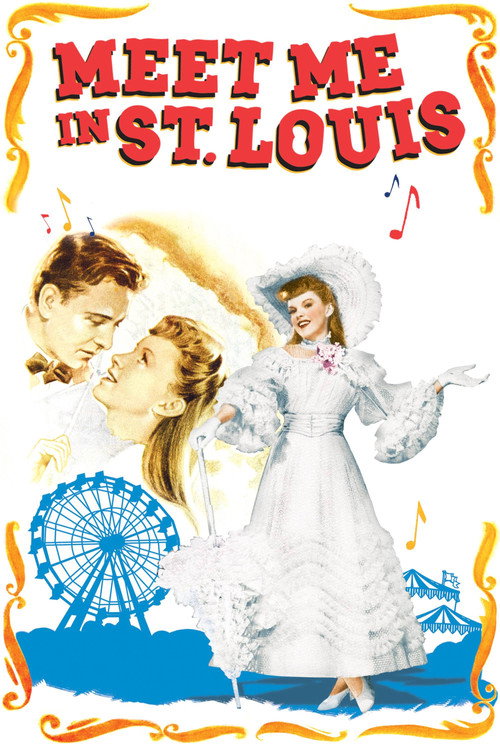
Meet Me in St. Louis1944
Where Coney Island is about performers and nightlife, St. Louis is about ordinary people singing their lives. It shows what the musical could do beyond the show-business setting—how the form could be intimate rather than showy.
Judy Garland and Margaret O'Brien in a story built around the 1904 World's Fair, with musical numbers that emerge naturally from the family life rather than being staged spectacles. It's warm, funny, and genuinely moving—perhaps the most perfect integrated musical ever made.
But The charm is specifically domestic and nostalgic. If you want spectacle and nightclub glamour, the small-town setting will feel quieter and less glitzy than you might want.
People
Cast
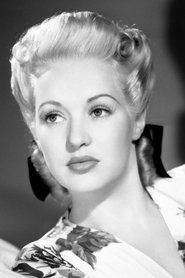 Betty GrableKate Farley
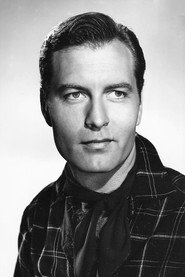 George MontgomeryEddie Johnson
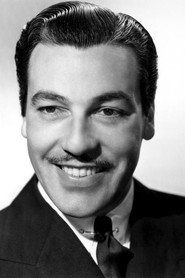 Cesar RomeroJoe Rocco
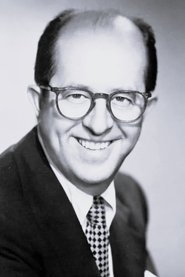 Phil SilversFrankie
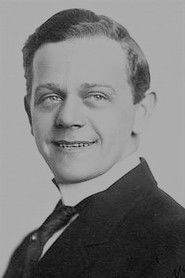 Charles WinningerFinnigan
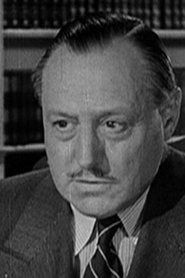 Matt BriggsWilliam Hammerstein
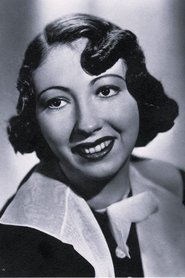 Phyllis KennedyDolly
- Paul HurstLouie
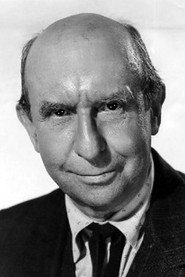 Andrew TombesHorace Carter
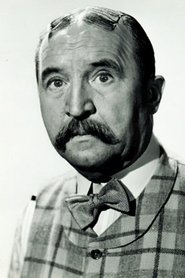 Frank OrthBartender
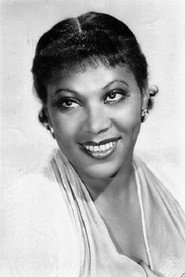 Libby TaylorLibby
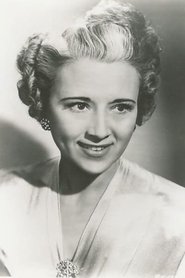 Bess FlowersSociety Patron at Ocean Gardens
Directing
- Walter LangDirector
Writing
- Leo RobinLyricist
- George SeatonScreenplay
Production
- William PerlbergProducer