
Film
The Cat and the Fiddle
A 1934 musical romance where a broke composer and an American singer fall for each other across Brussels and Paris, their love tested by ambition and misunderstanding. It's a vehicle for Jeanette MacDonald's voice—gorgeous, operatic—and the kind of film that trusts you'll sit through longing glances and orchestral swells. Glossy, theatrical, utterly of its moment.
If you liked this
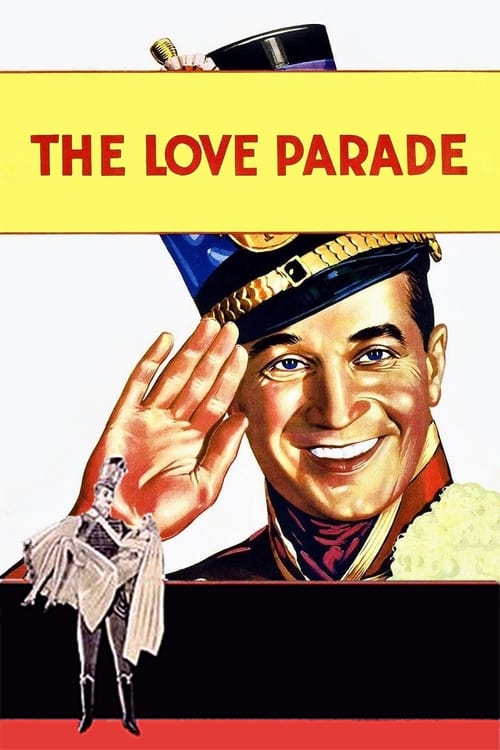
The Love Parade1929
Ernst Lubitsch's masterpiece of marital comedy with Maurice Chevalier and Jeanette MacDonald, proving that operetta adaptations could be genuinely witty and visually inventive. The chemistry and the Lubitsch touch elevate pure confection.
But The humor relies heavily on innuendo and aristocratic scandal that reads as thin now, and the pacing drags in Act Two.
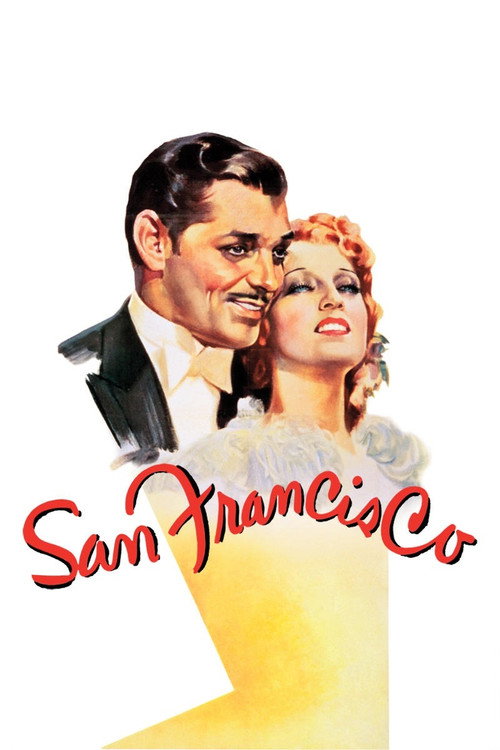
San Francisco1936
Another MacDonald vehicle with Clark Gable, built around spectacular disaster sequences and her soaring voice, balancing romance with genuine stakes. The 1906 earthquake sequence was revolutionary for its time and still impresses.
But The romantic plot is routine, and Gable seems bored. The tonal whiplash between comedy and tragedy can feel jarring.
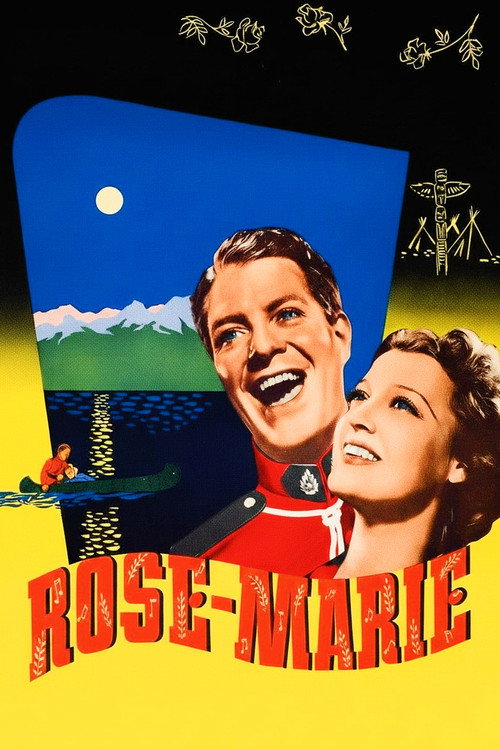
Rose Marie1936
MacDonald and Nelson Eddy's operetta duet showcases both voices in a Canadian Rockies setting. Lavish, earnest, and if you love that era's musical style, utterly transporting.
But It's a step further into theatrical artifice—plot is secondary to musical numbers, and the Native American representation is cringe-inducing by modern standards.
Not sure tonight? Get a pick in a minute, starting from The Cat and the Fiddle
The wildcard
Something you would not have found on your own.
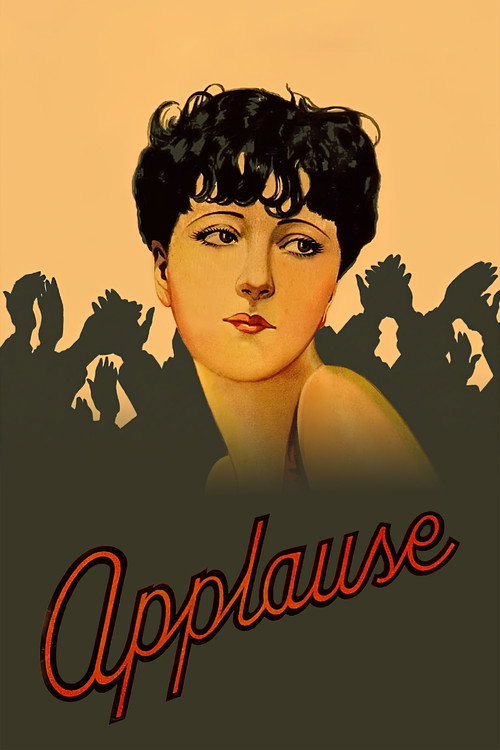
Applause1929
Both are about performers in love, but Applause weaponizes the same theatrical language—the music, the costumes, the artifice—to say the opposite of what The Cat and the Fiddle does.
Rouben Mamoulian's early talkie about a fading vaudeville star and her daughter is a film about performance and love that's actually about disappointment and regret. It has the era's theatrical artifice but uses it to convey real emotion, not escape it.
But It's bleak in ways operettas never are. If you want glamour and happy endings, this will feel like a punch in the stomach.
More like this (8)
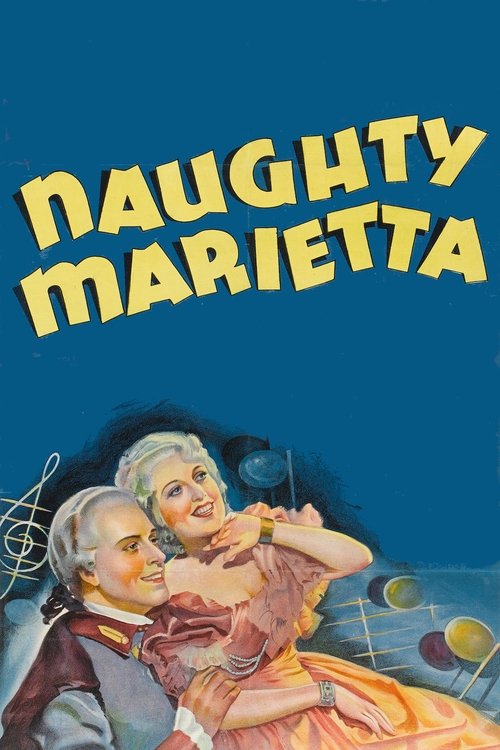
Naughty Marietta1935
A robust musical comedy with Victor Herbert's gorgeous score and genuine charm. Less precious than some operettas of the era, with a love story that has actual spark and humor.
But The pacing is leisurely and several musical numbers outstay their welcome. Some supporting performances veer into broad vaudeville.
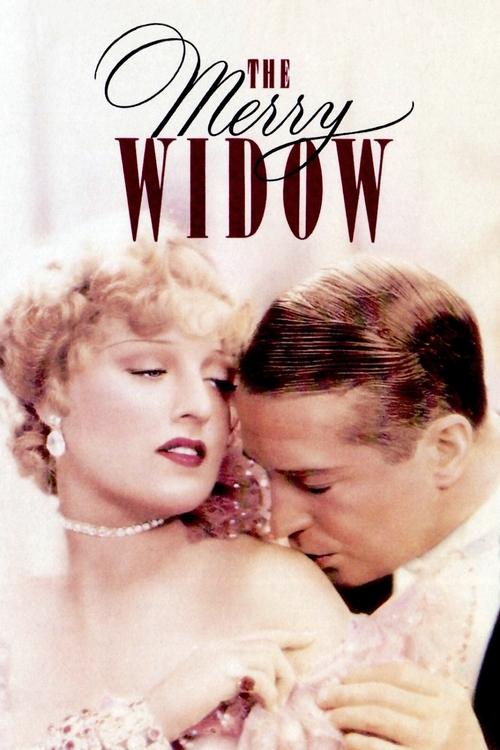
The Merry Widow1934
Ernst Lubitsch directs this adaptation of the Franz Lehár operetta with Maurice Chevalier and Jeanette MacDonald. Sophisticated, funny, and the musical numbers are integrated into the storytelling rather than stopping it cold.
But It's slight—a confection with no real weight—and some audiences will find the humor too arch and European.
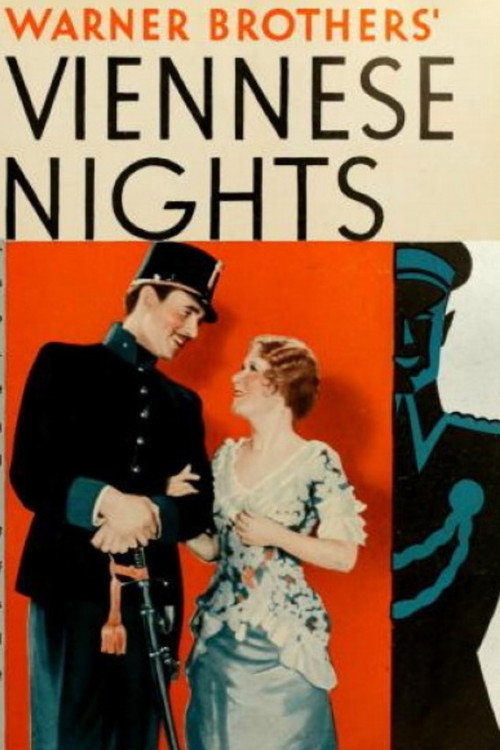
Viennese Nights1930
An early talkie operetta that captures the charm and limitations of the form. It has genuine warmth and the songs are lovely, offering a time-capsule look at how Hollywood approached Continental romance.
But The sound recording is tinny and the performances occasionally feel stagy. The plot has zero surprises and resolves exactly as you'd predict.
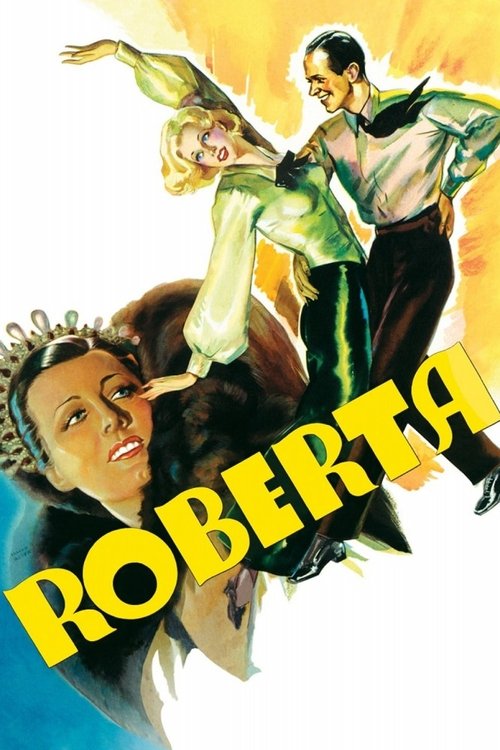
Roberta1935
A lighter musical with Fred Astaire and Ginger Rogers dancing to Jerome Kern's score. The costume design and musical numbers are superb, and the romance feels less overwrought than in heavier operettas.
But The plot about a fashion house is perfunctory and Astaire seems to be sleepwalking through the dramatic scenes.
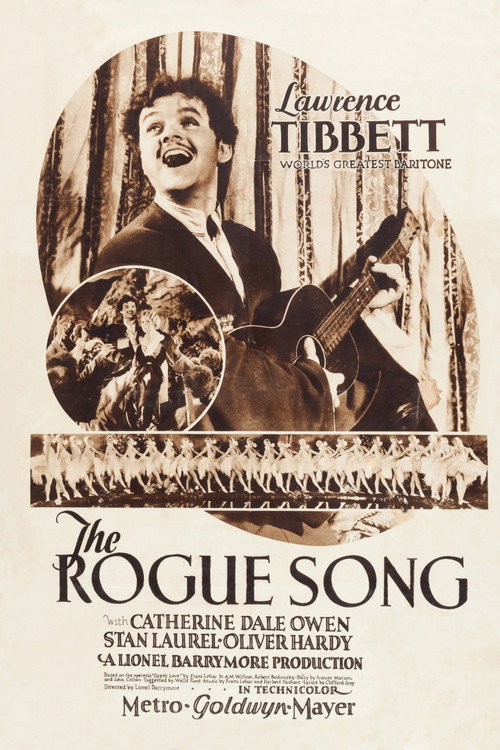
The Rogue Song1930
Ramon Novarro's operetta vehicle has genuine dash and sentiment. It's a curiosity that works as a Novarro showcase and a period piece of early MGM ambition.
But The film is uneven, and Novarro's performance can tip into overwrought melodrama. The print quality on available copies is often poor.
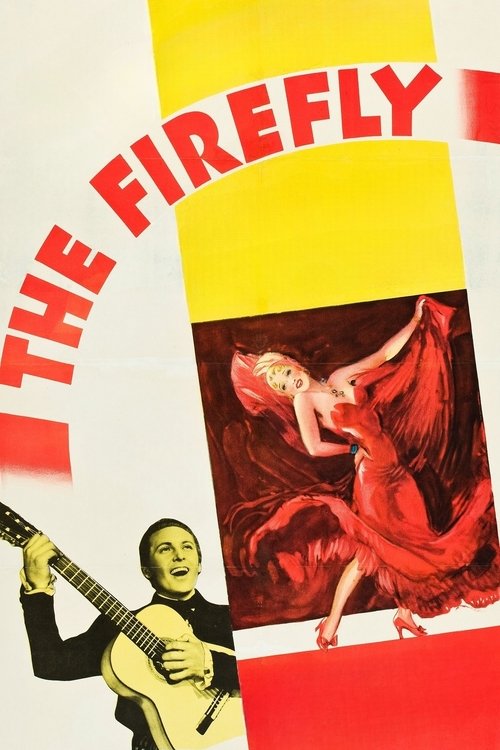
The Firefly1937
Jeanette MacDonald in a Spanish romance with Allan Jones, featuring songs by Rudolf Friml. If you want to hear MacDonald in full voice with period spectacle, this delivers.
But It's the definition of plot-lite operetta—there's barely any dramatic tension, and the pacing is glacial.
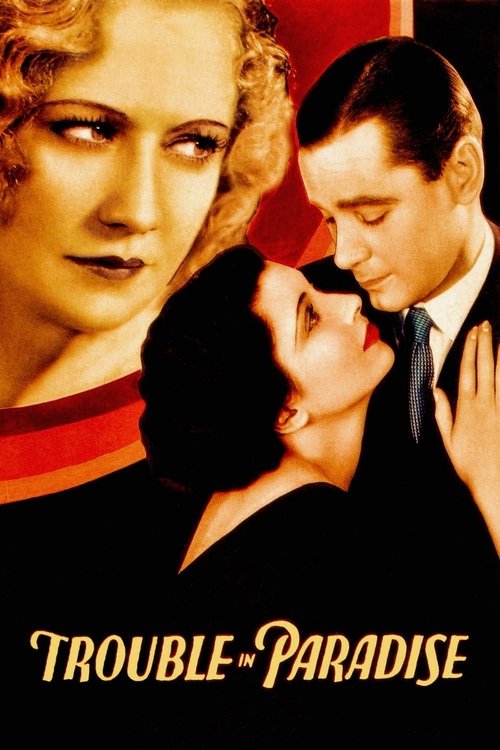
Trouble in Paradise1932
Both films trust their audiences to find romance in elegance and style, but Lubitsch does it with the equivalent of a raised eyebrow while The Cat and the Fiddle does it with orchestral swells.
Ernst Lubitsch's sophisticated comedy about con artists falling for each other. It has all the Continental glamour and musical elegance of operetta but delivered through wit and camera movement instead of songs, proving the register could hold real complexity.
But There's no music and no production numbers. If you're coming for operetta spectacle, you'll feel the absence.
Singin' in the Rain1952
Both are love stories told through performance, but Singin' in the Rain is about what happens when a new form of entertainment changes everything—a hidden subject of 1934 operettas scrambling to prove they mattered.
Gene Kelly and Donald O'Connor's musical about the transition from silent to talking pictures. It has the same era's theatrical DNA but executed with modern dance vocabulary and a real film aesthetic rather than filmed stage. The joy is earned rather than assumed.
But It's brash and American where Cat and the Fiddle is Continental and reserved. If you prefer restraint, the energy might exhaust you.

People
Cast
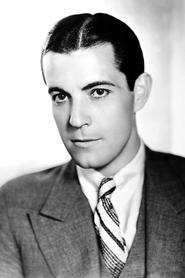 Ramon NovarroVictor Florescu
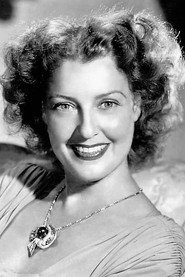 Jeanette MacDonaldShirley Sheridan
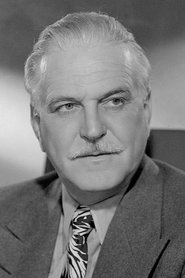 Frank MorganJules Daudet
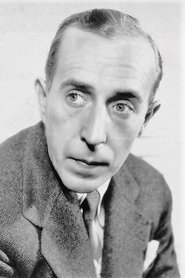 Charles ButterworthCharles
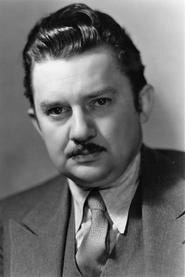 Jean HersholtProfessor Bertier
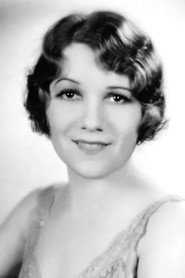 Vivienne SegalOdette Brieux
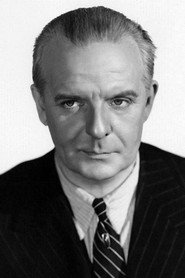 Frank ConroyTheatre Owner
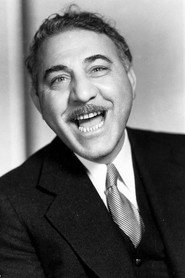 Henry ArmettaTaxi Driver
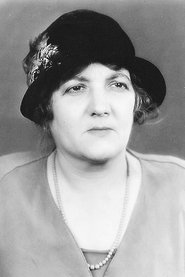 Adrienne D'AmbricourtConcierge
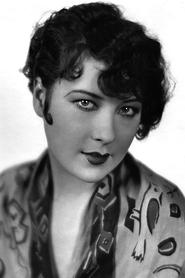 Yola d'AvrilMaid in House (uncredited)
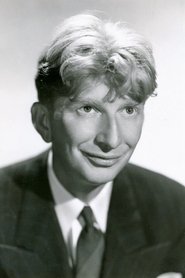 Sterling HollowayFlower Messenger (uncredited)
Directing
- William K. HowardDirector
Writing
- Otto A. HarbachLyricist
- Bella SpewackScreenplay
- Sam SpewackScreenplay
- Jerome KernTheatre Play
- Otto A. HarbachTheatre Play