
Film
The Merry Widow
Other titles called The Merry Widow: the 1952 film.
- Comedy
- Romantic comedy
- Light-hearted
A shimmering 1934 operetta about a prince seducing a widow to save his kingdom's finances. The Merry Widow is pure silk: witty, romantic, musical, with Maurice Chevalier's charm doing most of the heavy lifting. Jeanette MacDonald's crystalline soprano soars. It's escapism at its most elegant, made for anyone who believes a good song and a perfectly timed joke can solve almost anything.
Should you watch it?
Watch it if you love Lubitsch-style operetta, where a witty, sly romance is carried by quick banter, lavish sets and songs that sweep you off your feet even when the plot is mostly a gentle joke.
Skip it if you want modern pacing or sharp realism, since the story is light, stagey and talky, and its courtship games can feel slow to anyone expecting a brisk, grounded romance.
What it asks of you: It runs about ninety-nine minutes and rewards patience with its wordplay and musical numbers, asking you to settle into a frothy, old-fashioned rhythm rather than chase fast plot turns.
Not sure? Find tonight's pick in a minute.
If you liked this
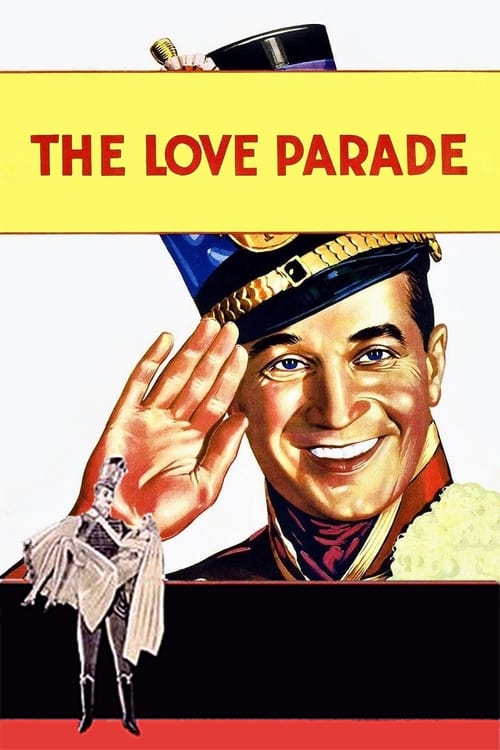
The Love Parade1929
Also directed by Lubitsch with Chevalier and MacDonald, it's the template perfected here. The same sophisticated blend of music, comedy, and seduction, with that specific grace note where romance and statecraft collide.
But Silent-adjacent pacing and a shorter runtime means less plot complexity. The sexual politics are entirely of their era.
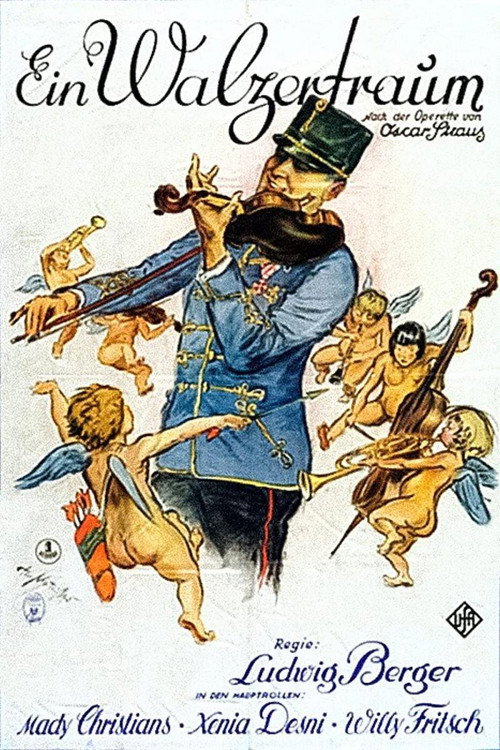
The Waltz Dream1926
An earlier adaptation of the same Lehár operetta, capturing the Austro-Hungarian setting with genuine period texture. Different cast, different director, same irresistible score that keeps working.
But It's a silent film with that pacing. The restoration quality varies depending on where you find it.
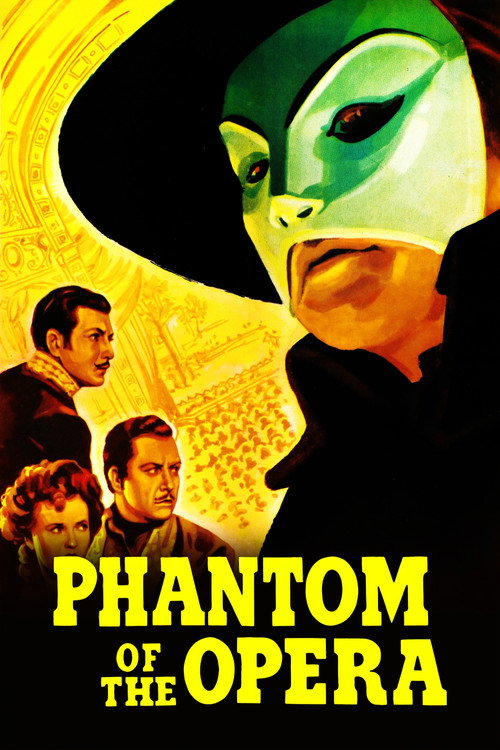
Phantom of the Opera1943
A more elaborate musical spectacle but with the same operatic grandeur and romantic architecture. Rains and Sussann Foster bring intelligence to what could be mere spectacle.
But It's considerably longer and more melodramatic. The baroque staging may feel overwrought if you prefer Lubitsch's restraint.
Not sure tonight? Get a pick in a minute, starting from The Merry Widow
The wildcard
Something you would not have found on your own.
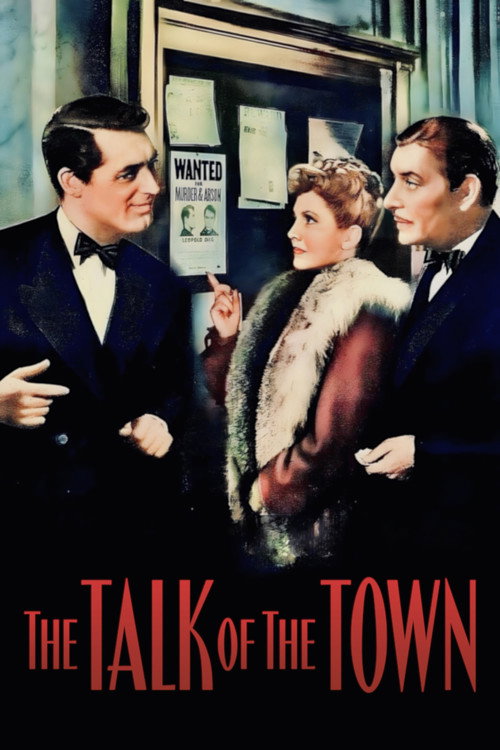
The Talk of the Town1942
Same Lubitschian DNA—intelligence channeled through charm—but filtered through American populism instead of monarchical fantasy. The structure is different but the sensibility is a sibling.
Cary Grant and Jean Arthur in a screwball that operates at the same pitch of intelligence and flirtation as Lubitsch's style, but American and urgent rather than European and evasive. The wit is sharper and the stakes less frivolous, yet the core pleasure—watching smart people parry with words and glances—is identical.
But It has serious political content about justice and free speech. The romance matters but it's not the sole point. Some find screwball too arch.
More like this (6)
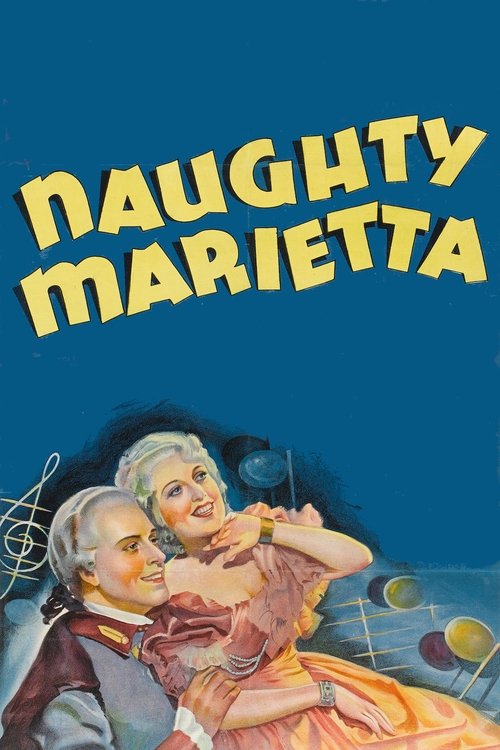
Naughty Marietta1935
Nelson Eddy and Jeanette MacDonald together at last: a different operetta, same sophisticated entertainment. More martial heroism, equally gorgeous singing, Herbert's score is among his best.
But The plot involving French colonialism hasn't aged well. It's longer and moves more slowly than The Merry Widow.
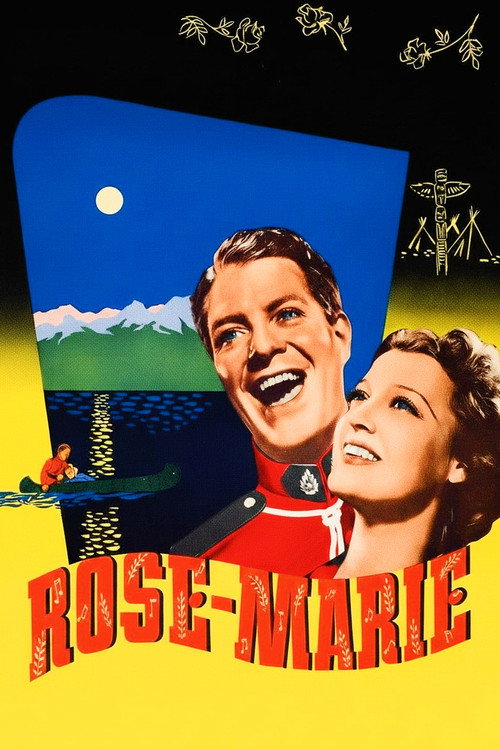
Rose Marie1936
Eddy and MacDonald again, now in the Canadian wilderness. The music is spectacular and the comedy still lands. Proves the operetta formula worked magnificently when done right.
But The wilderness setting feels stagey rather than real. At 115 minutes it tests patience in the middle stretch.
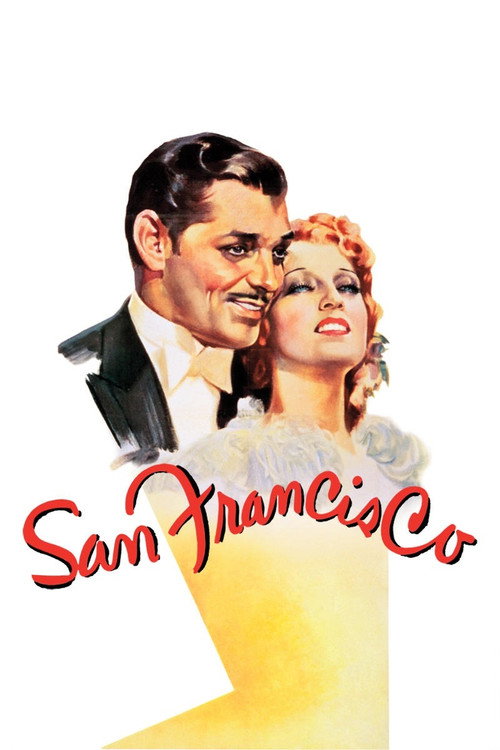
San Francisco1936
Chevalier in a different register: still charming but with real danger and historical stakes. The 1906 earthquake isn't cartoonish. Shows operetta stars could do more than romance.
But The tone whiplashes between musical comedy and disaster tragedy. The second half asks you to feel tragedy alongside burlesque.
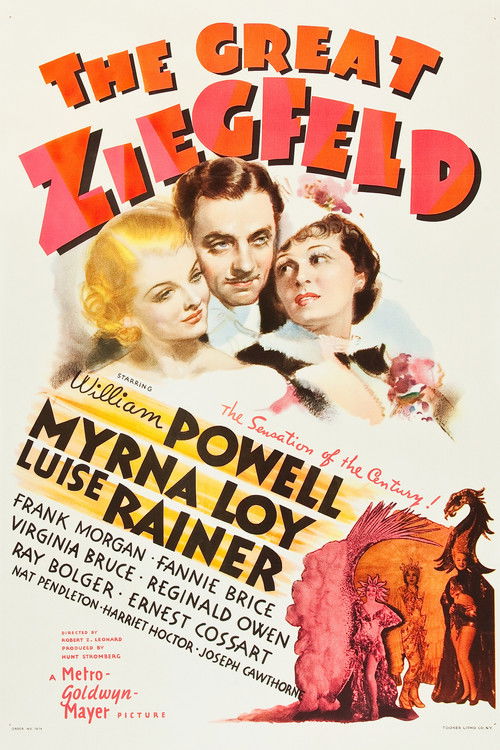
The Great Ziegfeld1936
A celebration of musical theatre itself with sequences as gorgeously mounted as anything in The Merry Widow. Luise Rainer is luminous and the scale is vast.
But At 176 minutes it's a commitment. The biopic elements compete with the spectacle, and the plot meanders through decades.
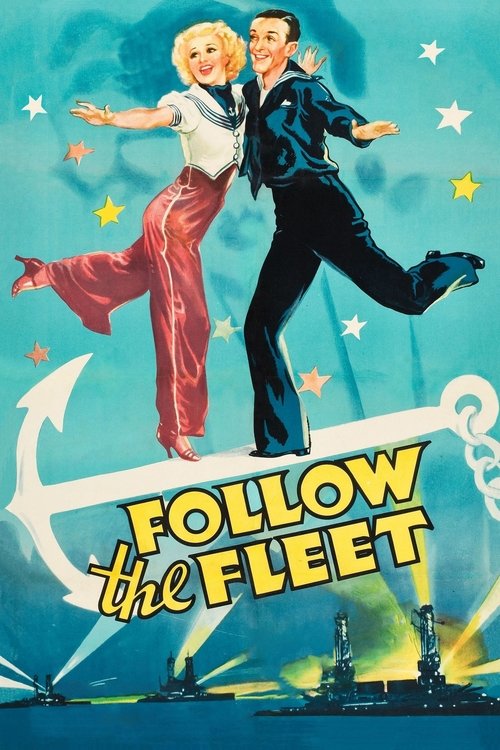
Follow the Fleet1936
Musical comedy without the operetta pretension. Rogers and Astaire prove you don't need Lehár's score to make movie music matter. Lighter, faster, relentlessly inventive.
But It's built on a creaky naval plot that exists only to separate the dancers. The courtship doesn't have The Merry Widow's romantic architecture.
Singin' in the Rain1952
Both operettas—the historical European kind and this Hollywood musical—share the same faith that a great song can reorganize reality. This is that faith at its apex and most exuberant.
The operetta transplanted to Hollywood and given to Gene Kelly: looser, more purely joyful, and visually kinetic in ways silent and early sound film couldn't achieve. The same belief that music and romance can transcend circumstance, but with 20 years of technique refinement. Genuinely the thing operetta was always reaching toward.
But The plot about stage vs. film is thin and knowingly so. If you want narrative coherence over musical abandon, it won't satisfy.

People
Cast
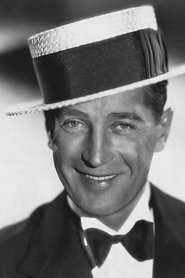 Maurice ChevalierCount Danilo
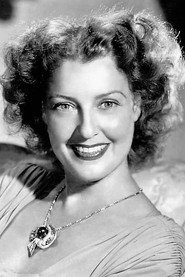 Jeanette MacDonaldMadame Sonia / Fifi
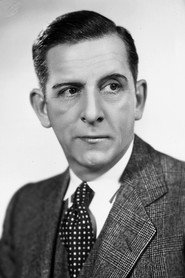 Edward Everett HortonAmbassador Popoff
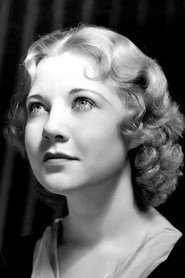 Una MerkelQueen Dolores
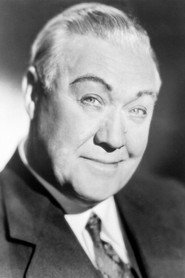 George BarbierKing Achmet
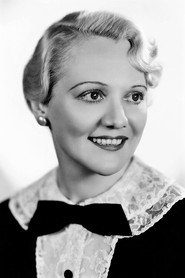 Minna GombellMarcelle
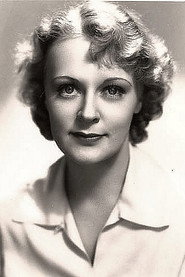 Ruth ChanningLulu
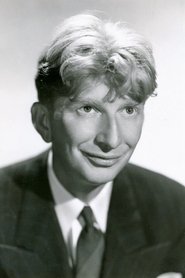 Sterling HollowayOrderly
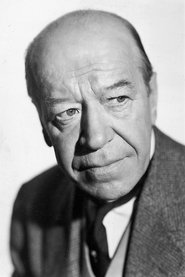 Donald MeekValet
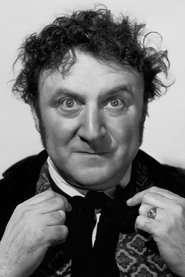 Herman BingZizipoff
- Jacklyn AlexanderMinor Role (uncredited)
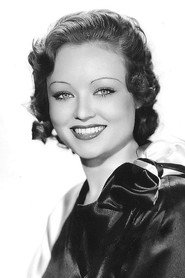 Lona AndreMaid to Sonia (uncredited)
Directing
- Joseph M. NewmanAssistant Director
- Ernst LubitschDirector
Writing
- Leo SteinBook
- Viktor LéonBook
- Gus KahnLyricist
- Lorenz HartLyricist
- Ernest VajdaScreenplay
- Samson RaphaelsonScreenplay
Production
- Ernst LubitschProducer
- Irving ThalbergProducer
Recommended by
The Love Parade, One Hour with You, Maytime, Naughty Marietta, The Great Victor Herbert, The Rogue Song, The Cat and the Fiddle, Down Argentine Way, Sweet Adeline, Viennese Nights, Caravan, The Gypsy Baron, The Vagabond King