
Film
One Hour with You
- Romantic comedy
- Light-hearted
A 1932 musical comedy about infidelity, temptation, and forgiveness in a Parisian marriage. Maurice Chevalier sings directly to the audience as a charming husband caught between devotion and desire. It's light, frothy, and delightfully frank about desire for a film made ninety years ago—less concerned with morality than with the comedy of getting caught.
Should you watch it?
Watch it if you enjoy sly marital comedy delivered with songs and knowing glances, where the wit lands through a look rather than a punchline.
Skip it if you need modern pacing and frankness; its archness and stagey early-talkie conventions may feel dated and slight.
What it asks of you: It runs a brisk eighty minutes and asks only for light attention, with a breezy tone that stays airy even when its characters are tangled.
Not sure? Find tonight's pick in a minute.
If you liked this
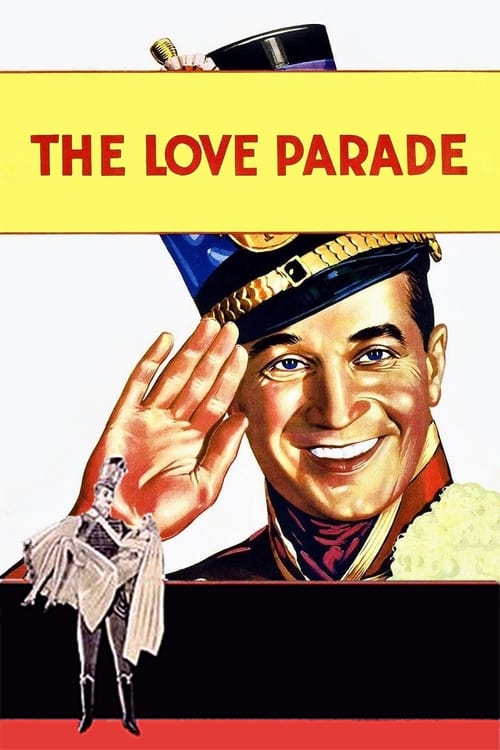
The Love Parade1929
Chevalier's earlier Lubitsch collaboration that established his persona: a man of charm and appetite, singing to camera with absolute confidence. Same director, same star, same intoxicating blend of music and sophisticated romance.
But It's even more theatrical and stylised than One Hour with You. The plot barely matters; you're there for the performance and the wit.
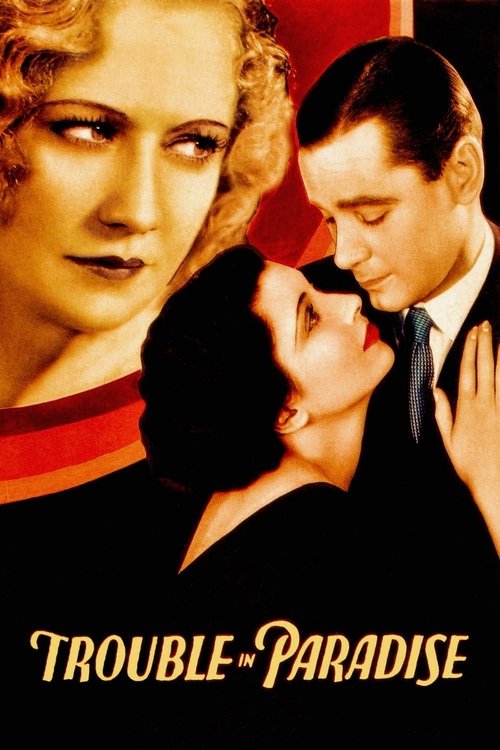
Trouble in Paradise1932
Released the same year, it's Lubitsch at peak form: jewel thieves, mistaken identities, and sexual intrigue handled with such elegance you barely notice the moral ambiguity. Sublime.
But The heist mechanics can feel dated, and the pacing assumes an audience patient with scenes that exist purely for atmosphere.
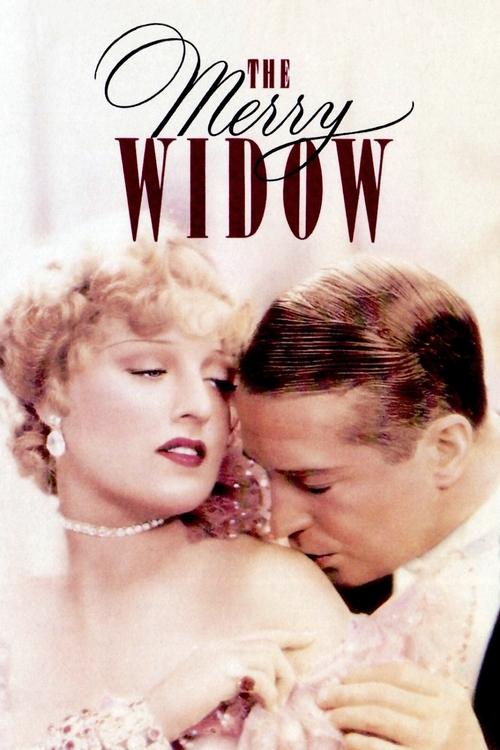
The Merry Widow1934
Chevalier again, this time opposite Jeanette MacDonald in a vehicle that builds on what One Hour with You perfected. Romantic, musical, and knowingly sophisticated about desire and money.
But It's twice as long and sometimes feels it. The sentiment can verge on saccharine if you're not in the mood.
Not sure tonight? Get a pick in a minute, starting from One Hour with You
The wildcard
Something you would not have found on your own.
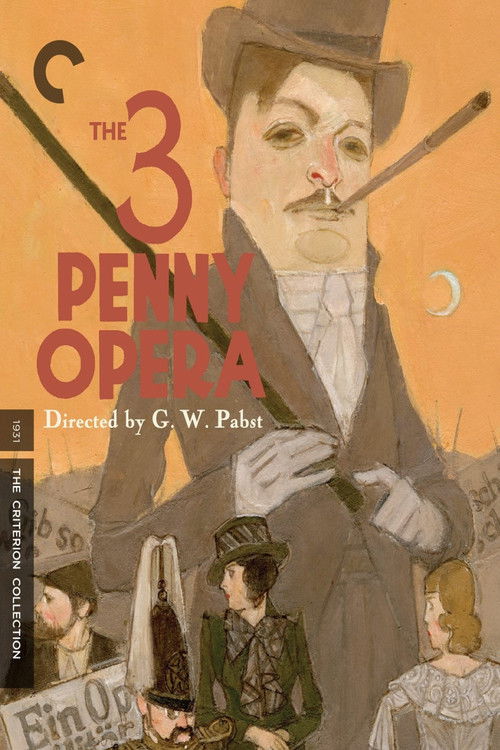
The Threepenny Opera1931
Both deal with the same dramatic situation—infidelity in marriage, mutual forgiveness—but One Hour with You assumes romance and Threepenny assumes greed. They're arguing with each other about what marriage really means.
Bertolt Brecht's film of his own play: a marriage, infidelity, and forgiveness told as vicious satire instead of romantic comedy. Same marital crisis, completely opposite register—dark, cynical, furious.
But It's bleak and deliberately ugly. The music is discordant. If you loved One Hour with You for its charm, this will feel like a slap.
More like this (5)
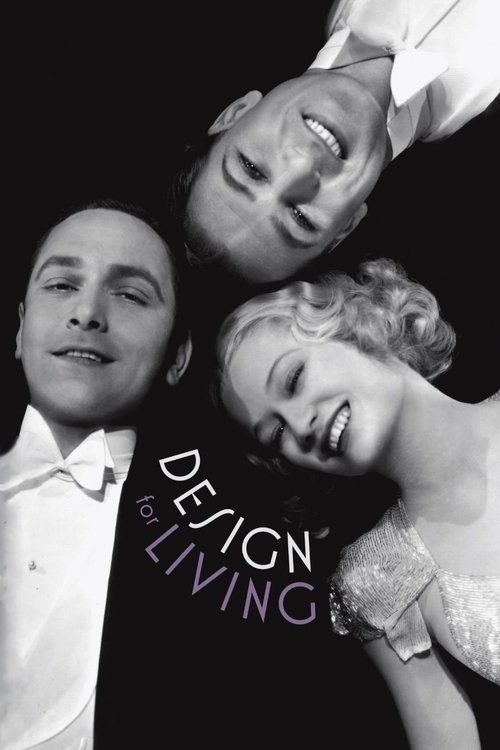
Design for Living1933
Lubitsch directing Fredric March, Gary Cooper, and Miriam Hopkins in a romantic triangle that's even more frank about sexual politics. Deco elegance and real edge underneath the charm.
But The gender politics, though progressive for 1933, will strike modern eyes as deeply conflicted about what it's saying.
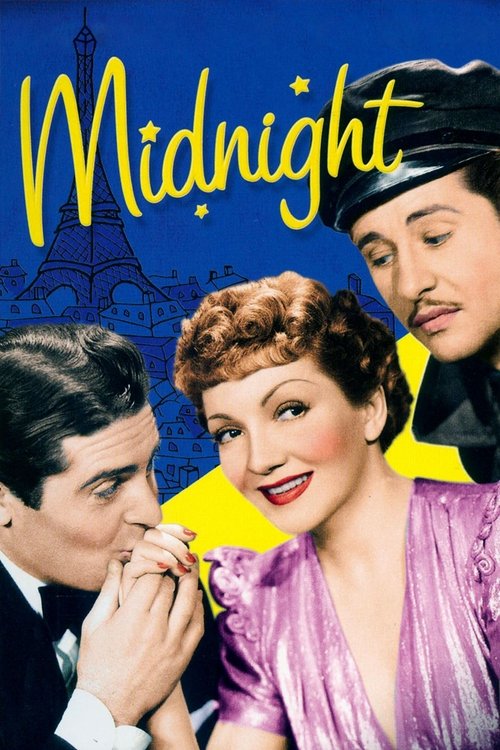
Midnight1939
Wilder's screwball masterpiece about deceit and desire in high society. It has One Hour with You's sophistication and music-hall timing, but weaponised into something sharper and colder.
But It's faster and darker—if you want the gentleness of the 1932 film, this might feel like a betrayal.
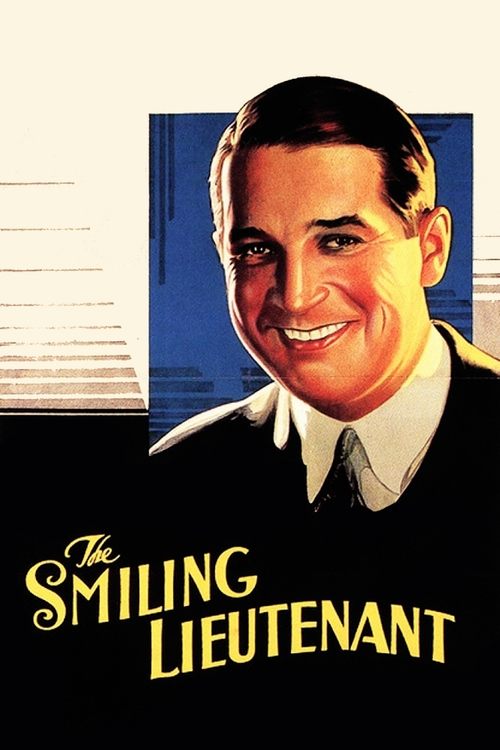
The Smiling Lieutenant1931
Lubitsch's earlier Chevalier vehicle about a soldier caught between a princess and a chorus girl. Musical, romantic, and utterly frivolous in the best way—pure pleasure with no pretense.
But The plot is genuinely thin, and the Austro-Hungarian setting is pure fantasy. Some find it too slight to care about.
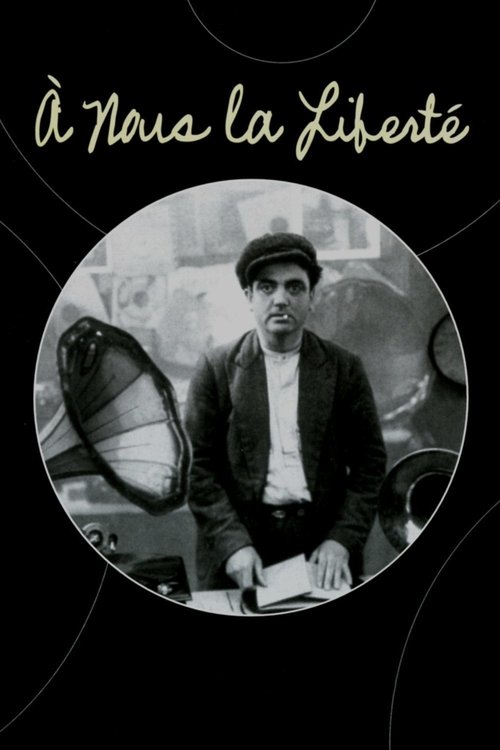
À Nous la Liberté1931
Both are musicals where the camera is playful and the tone is never quite serious, but Clair uses that lightness to critique the world, while Lubitsch uses it to celebrate private pleasure.
René Clair's musical comedy about two escaped convicts, factory work, and the absurdity of modern life. Made the same year, it has One Hour with You's lightness and song, but pointed at society itself rather than private morality.
But It's political in ways that can feel didactic. The plot wanders. Some find French 1930s musicals genuinely difficult to sit through.
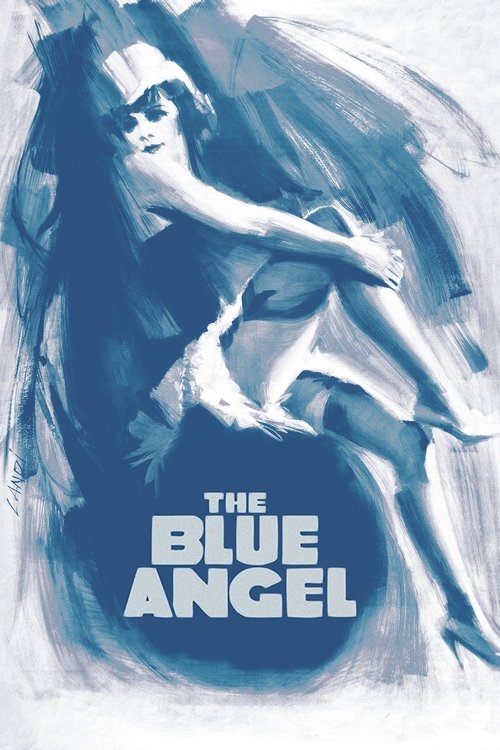
The Blue Angel1930
Both hinge on a respectable man seduced by a more worldly woman, but where One Hour with You laughs at the situation and lets everyone off, Blue Angel suggests the cost is real and irreversible.
Emil Jannings as a respectable professor undone by desire for Marlene Dietrich. It's the dark mirror of One Hour with You: the same temptation, the same infidelity, but tragic instead of comic—what happens when charm isn't enough.
But It's genuinely bleak and degrading. Jannings' humiliation is complete. There's no forgiveness or lightness here.
People
Cast
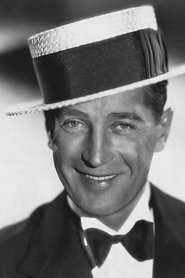 Maurice ChevalierDr. Andre Bertier
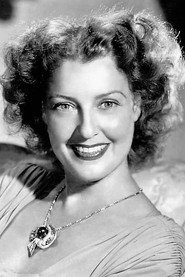 Jeanette MacDonaldColette Bertier
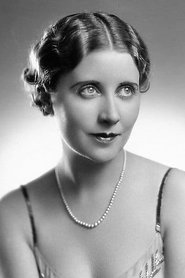 Genevieve TobinMitzi Olivier
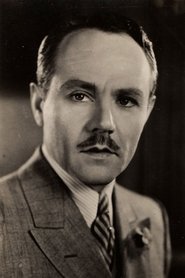 Charles RugglesAdolph
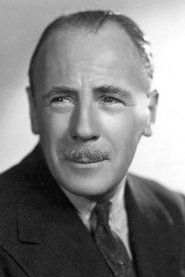 Roland YoungProfessor Olivier
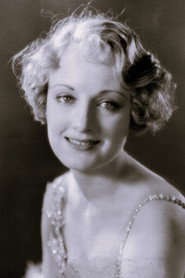 Josephine DunnMademoiselle Martel
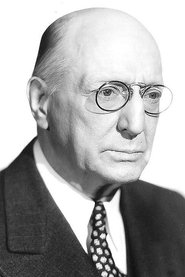 Richard CarleHenri Dornier - Private Detective
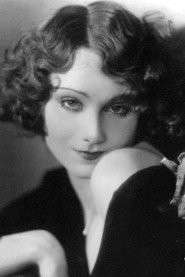 Barbara LeonardMitzi's Maid
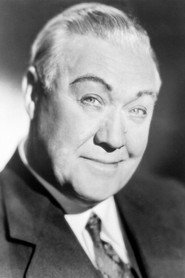 George BarbierPolice Commissioner
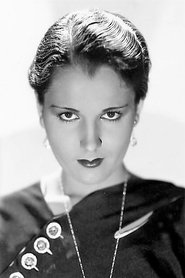 Lita ChevretParty Guest (uncredited)
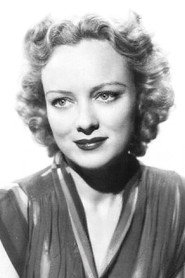 Sheila BromleyColette's Downstairs Maid (uncredited)
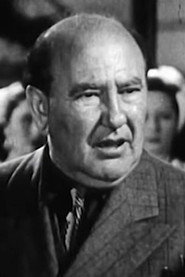 Charles JudelsPoliceman (uncredited)
Directing
- George CukorCo-Director
- Ernst LubitschDirector
Writing
- Léopold MarchandAdaptation
- Leo RobinLyricist
- Lothar SchmidtTheatre Play
- Samson RaphaelsonWriter
Production
- Ernst LubitschProducer
Recommended by
The Love Parade, Monte Carlo, The Smiling Lieutenant, Here Comes the Band, Metropolitan