
Film
Here Comes the Band
- Musical
- Light-hearted
A 1935 musical comedy about a songwriter battling a crooked publisher over stolen work, featuring Ted Lewis and a parade of period character types—hillbillies, cowboys, Jubilee singers—each performing arrangements of folk tunes. It's light, episodic, and built entirely around music and musical proof. The pleasure is in the numbers themselves and the genial chaos of early-studio-era variety filmmaking.
If you liked this
Singin' in the Rain1952
The gold standard of Hollywood musicals: witty, technically stunning, with genuine chemistry between stars. The production numbers are joyous and the story is actually clever. Every frame rewards attention.
But It's slick and assured in ways that can feel a little distant. Some find it too polished, lacking the rougher energy of earlier musical comedy.

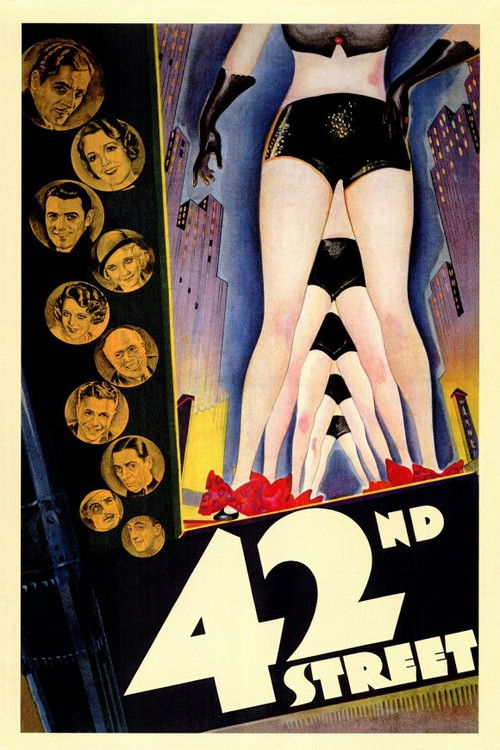
42nd Street1933
Pre-Code energy and Busby Berkeley's astonishing geometric choreography. A backstage story with real stakes, real performers, and a sense that anything might happen. Dance sequences that redefined cinema.
But The story is a skeleton. Long stretches exist only to get you between musical numbers. Some dialogue feels airless by modern standards.
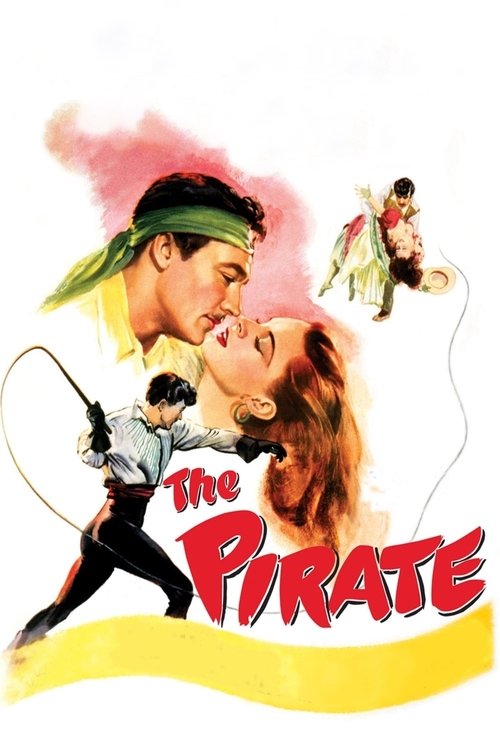
The Pirate1948
Gene Kelly and Judy Garland sparring with genuine wit and desire. Cole Porter songs, elaborate dance sequences, and a story that's genuinely funny. It moves like nothing else from its era.
But It's been overshadowed by both stars' other work. The tone veers wildly and not everyone finds that charming. It can feel exhausting if you're not already on its wavelength.
Not sure tonight? Get a pick in a minute, starting from Here Comes the Band
The wildcard
Something you would not have found on your own.
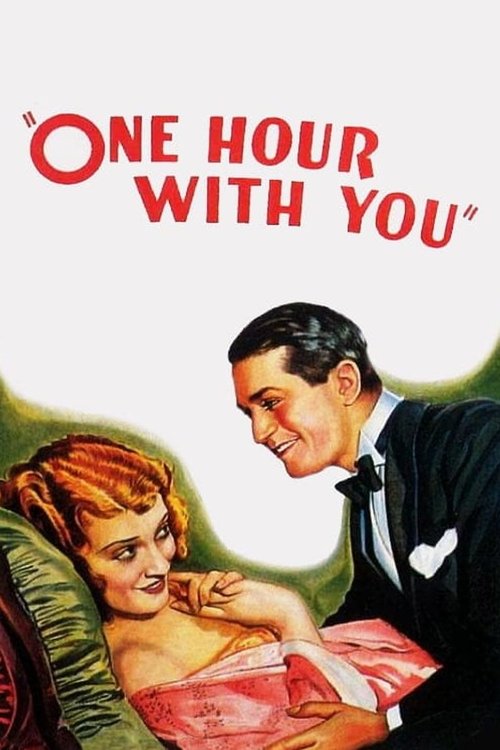
One Hour with You1932
Both are musicals built on episodic variety and performance rather than character depth; both trust that musical numbers can carry narrative weight; both belong to an era when cinema was still figuring out what the form could do.
Ernst Lubitsch directed this operetta-comedy in a style entirely his own—characters sing directly to the audience, breaking the fourth wall. It's playful, sophisticated, and feels like cinema discovering something no one had thought to do before. Maurice Chevalier's charm is used perfectly.
But Operetta conventions and Lubitsch's artifice are not for everyone. The plot about marital temptation in Paris high society is slight and deliberately so. It requires you to enjoy surfaces.
More like this (8)
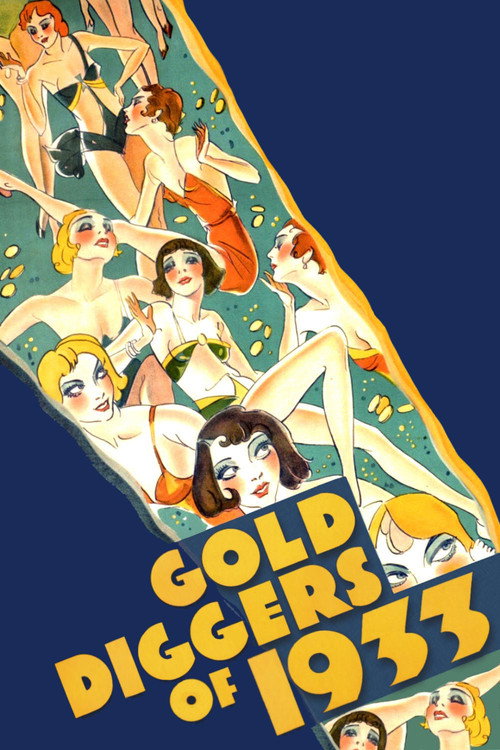
Gold Diggers of 19331933
Berkeley's most audacious choreography, actual Depression-era satire baked into the plot, and a cast having pure fun. The musical numbers are genuinely startling for their invention.
But Tone whiplash between economic despair and exuberant fantasy. The romantic plot is secondary and sometimes feels like it's getting in the way of the spectacle.
Yankee Doodle Dandy1942
James Cagney as George M. Cohan—a star who can actually dance, playing a dancer. The film builds from charm to real emotion, and Cagney's energy is infectious. A musical that earns its sentiment.
But It's a biopic, which means a fairly conventional structure underneath the numbers. The second half trades some of the zippy comedy for heartfelt drama. Not everyone goes for that shift.

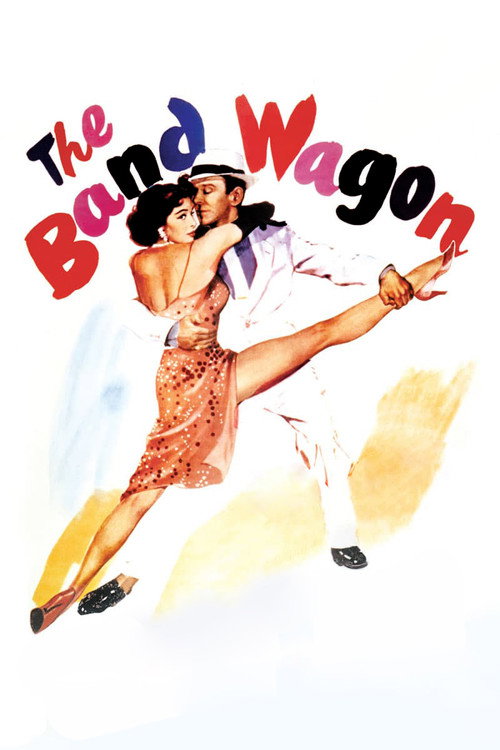
The Band Wagon1953
Fred Astaire and Cyd Charisse in perfect partnership, songs by Dietz and Schwartz, and direction by Vincente Minnelli that makes every number feel inevitable. Sophisticated and joyful without trying too hard.
But It's deliberately elegant, which some find cold. The plot about staging a Broadway show requires patience with backstage politics.
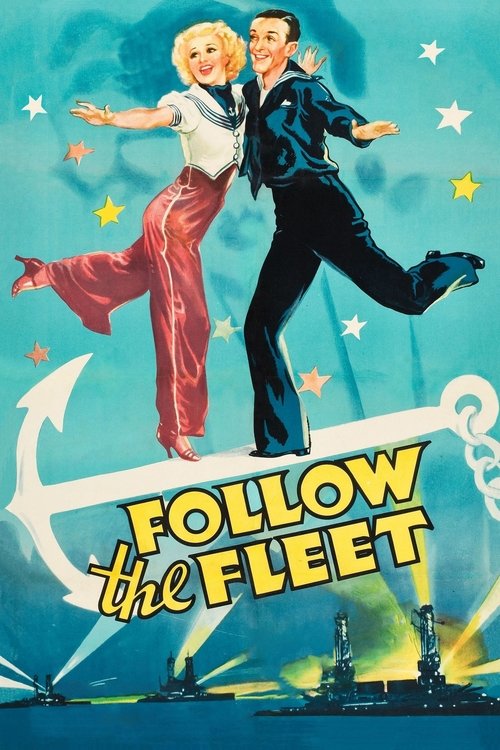
Follow the Fleet1936
Fred Astaire and Ginger Rogers in naval uniforms, with Irving Berlin songs and Vernon and Irene Castle numbers. Lighter than their drama-heavy pairings, pure entertainment built on genuine dancing talent.
But The plot is wafer-thin and exists mainly between numbers. The comedy relies on mugging and physical slapstick that hasn't aged as well as the dance sequences.
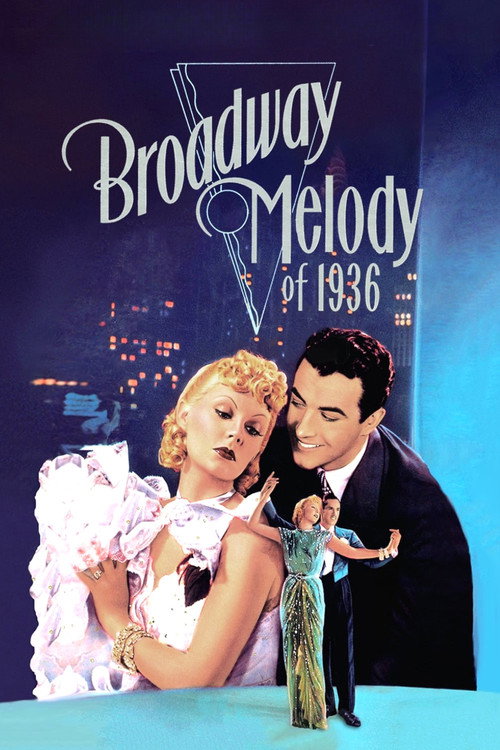
Broadway Melody of 19361935
A Hollywood backstage story centered on talent and luck, with Eleanor Powell's incredible tap dancing as the actual plot engine. Shorter and tighter than most of its era, built on genuine spectacle.
But It's essentially a showcase. If tap dancing doesn't move you, there's not much story to fall back on. The romance is perfunctory.
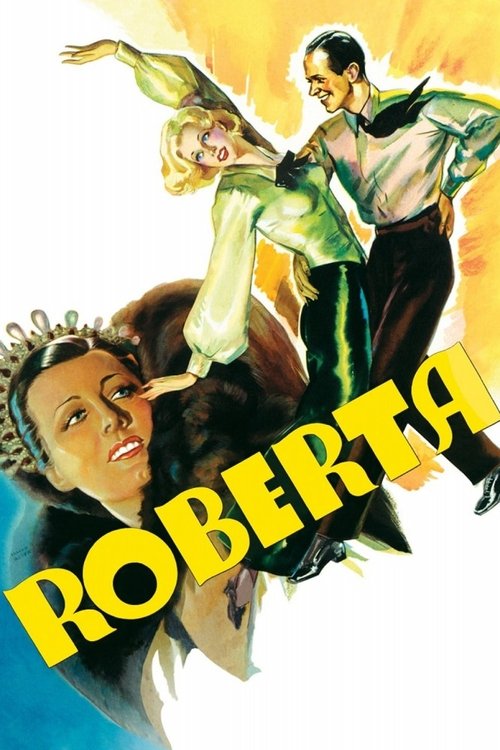
Roberta1935
Fred Astaire and Ginger Rogers again, but set in Paris fashion houses with Jerome Kern songs. The numbers are sophisticated, the leads have real chemistry, and the clothes are genuinely beautiful.
But The plot involves inheritance and fashion-world intrigue that's genuinely convoluted. Long stretches go without dancing. Some of the supporting characters wear out their welcome quickly.
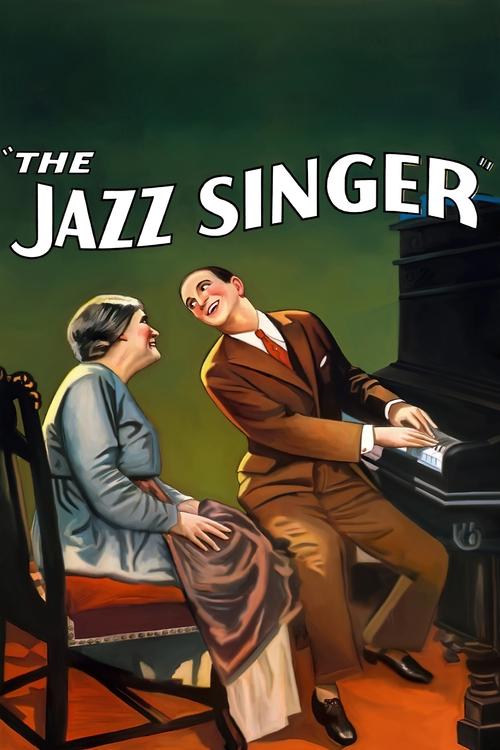
The Jazz Singer1927
Here Comes the Band uses sound and music to prove something (authorship of a song) just as The Jazz Singer used synchronized music to prove cinema had entered a new era. Both treat music as evidence and argument, not just decoration.
The first feature film with synchronized sound—and crucially, the sound is mostly music and singing, not dialogue. Al Jolson, blackface and all its complications aside, is a genuine performer, and you can see cinema reinventing itself in real time. A document of a threshold moment.
But The blackface sequences are shockingly racist by any standard. The story is sentimental in a way that ages poorly. Long stretches without sound feel awkward now. Watching it requires holding historical context and present discomfort simultaneously.
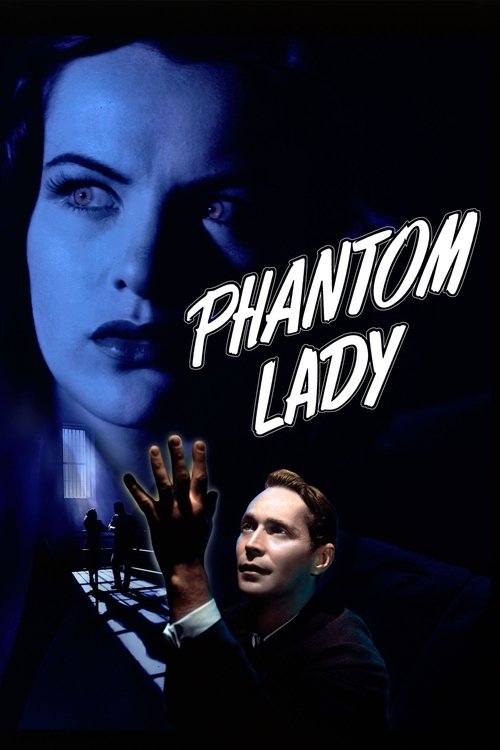
Phantom Lady1944
Both use musical performance as the central plot mechanism—one for comedy and proof of authorship, the other for noir mystery and identity. Both make music functional, not ornamental. Both understand that a good musical number can do heavy narrative lifting if you structure the story right.
A noir thriller where the musical sequences—an elaborate nightclub drum solo, a swing number—become plot points and investigation tools. The contrast between the shadows and the bright musical interludes creates genuine unease. Robert Siodmak direction, Ella Raines' intelligence, and the idea that music can be sinister.
But It's a murder mystery that expects you to follow a complex alibi. The shifts between noir darkness and musical lightness feel jarring if you're looking for consistency of mood. It doesn't know if it's a thriller or a musical, and that's either its genius or its confusion.
People
Cast
- Ted LewisTed Lowry
 Virginia BruceMargaret
 Harry StockwellOllie Watts
 Ted Healy'Happy'
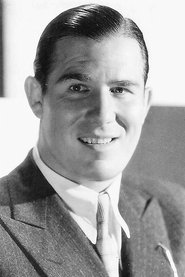 Nat Pendleton'Piccolo Pete'
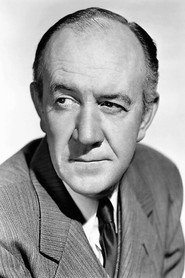 Addison RichardsColonel Wallace
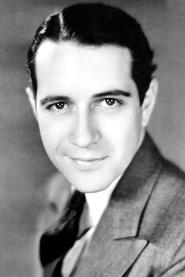 Donald CookDon Trevor
 George McFarlandSpanky Lowry
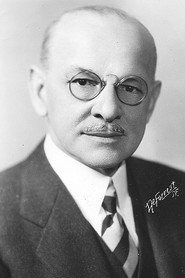 Robert McWadeJudge
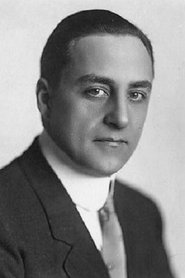 Henry KolkerSimmon's Attorney
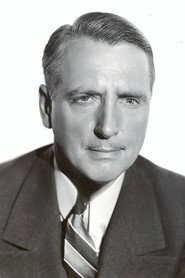 Robert GlecklerSimmons
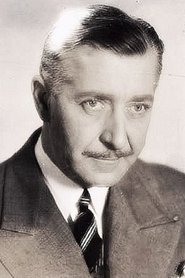 Richard TuckerJim - Banker in Band
Directing
- Paul SloaneDirector
Writing
- Ned WashingtonLyricist
- Paul SloaneScreenplay
- Ralph SpenceScreenplay
- Victor MansfieldScreenplay