
Film
The Smiling Lieutenant
- Romantic comedy
- Comedy
- Light-hearted
Ernst Lubitsch's 1931 operetta-comedy about a dashing lieutenant caught between a clinging princess and the woman he loves. Sparkling, musically charming, wickedly smart about desire and duty. It's a film that winks constantly, designed for people who enjoy innuendo wrapped in waltzes and the particular pleasure of watching beautiful people in gorgeous uniforms behave badly.
Should you watch it?
Watch it if you enjoy light, bubbly pre-Code musicals where the songs arrive without fuss and the romantic mix-ups feel like a playful waltz rather than a plot to untangle.
Skip it if you need modern pacing or sharp realism, since this 1931 comedy moves at a leisurely, stage-bound clip and its humour is gentle, arch and often very theatrical.
What it asks of you: Under ninety minutes, it asks you to sit back and let the charm do the work, accepting creaky early sound staging and a light, breezy tone throughout.
Not sure? Find tonight's pick in a minute.
If you liked this
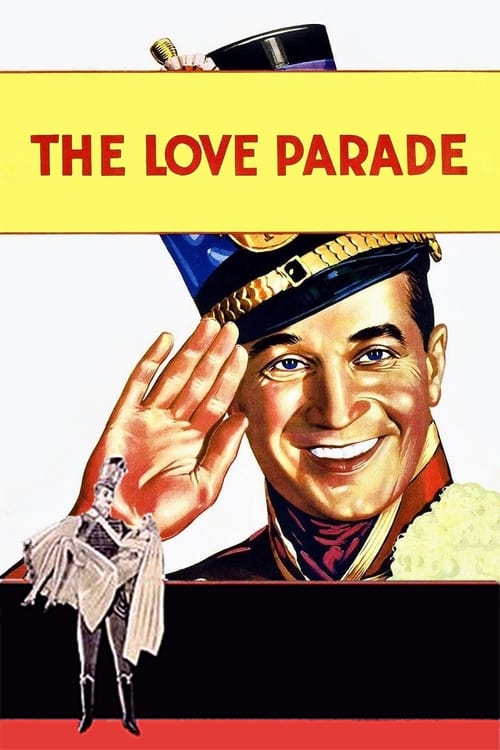
The Love Parade1929
Lubitsch's earlier masterpiece with Chevalier in the same vein: witty, romantic, with that signature directorial touch that makes bedroom comedies feel like they're sharing a secret with you.
But The pacing is very 1929—leisurely in a way modern audiences sometimes find slow, and the jokes don't always land if you're not attuned to its particular brand of sophistication.
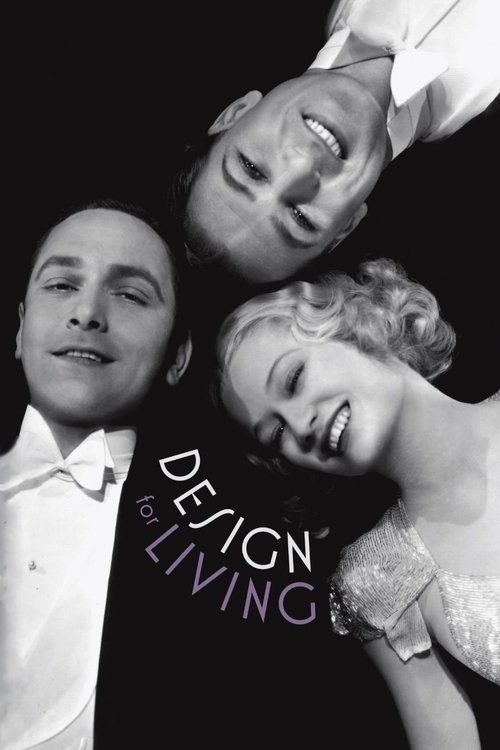
Design for Living1933
Lubitsch again, this time with three leads in a dizzy romantic triangle. Faster, brasher, and even more cynical about love and marriage than The Smiling Lieutenant.
But The plot is deliberately thin and repetitive—that's the point, but it can feel slight if you want actual dramatic stakes.
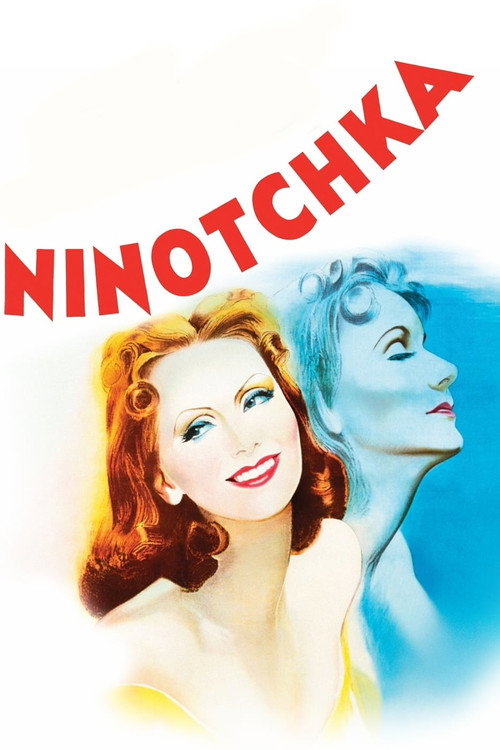
Ninotchka1939
Wilder and Lubitsch on propaganda, ideology, and the corrosive effect of romance on certainty. Greta Garbo thawing from ice-cold Soviet dignity is one of cinema's great character arcs.
But It's less frothy than The Smiling Lieutenant—more political, more melancholy underneath the laughs. Some find the message heavy-handed.
Not sure tonight? Get a pick in a minute, starting from The Smiling Lieutenant
The wildcard
Something you would not have found on your own.
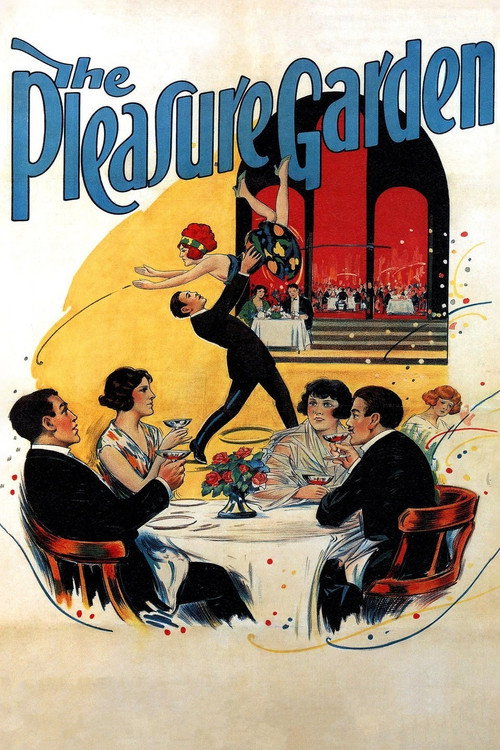
The Pleasure Garden1925
Both are about desire thwarted by duty, performed in front of an audience. The Smiling Lieutenant treats it as farce; Hitchcock treats it as tragedy. Same fundamental conflict, opposite registers.
Hitchcock's debut, a silent backstage romance about deception and jealousy with the precision of a watch and genuine sensuality. Watches like watching someone discover they have genius.
But It's silent, 1925, and shot in a deliberately artificial theatrical style. The plot involves infidelity treated seriously rather than comically. You have to meet it on its own terms.
More like this (7)
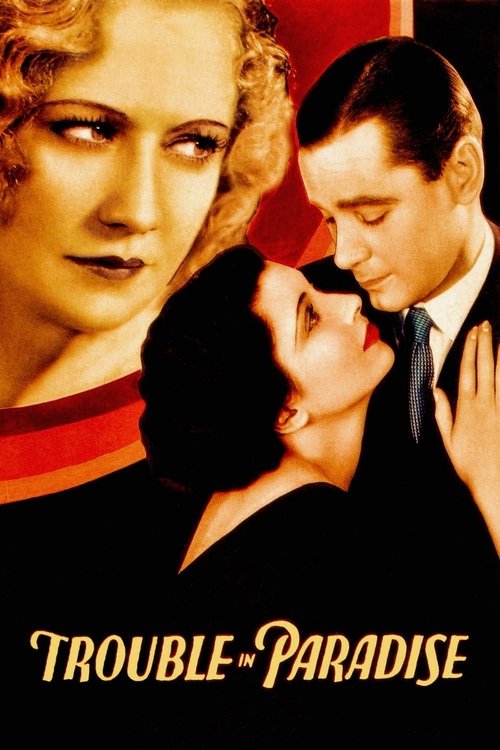
Trouble in Paradise1932
Lubitsch's masterwork: jewel thieves, mistaken identities, and romantic scheming. Every frame is composed like a Fabergé egg, and the wit is absolutely merciless.
But It moves so fast and is so packed with innuendo that you might miss half of it the first time. Demands active watching.
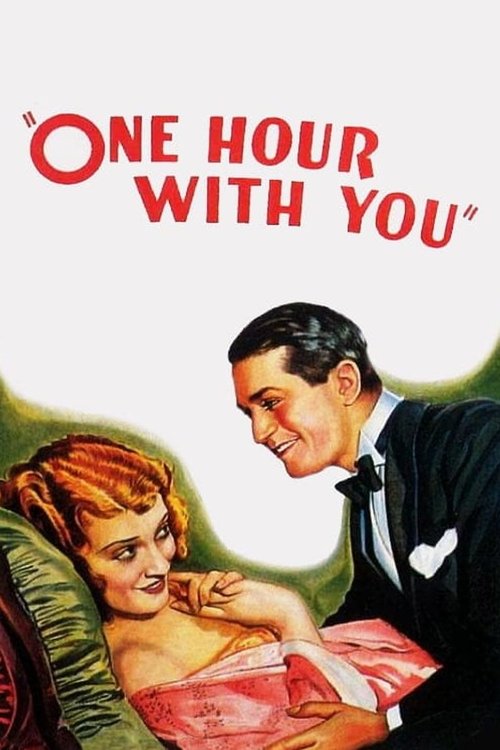
One Hour with You1932
Lubitsch and George Cukor co-directing a musical comedy about a marriage nearly undone by a flirtation. Chevalier again, charming straight to the camera, with a score by Richard Whiting.
But The Technicolor artificiality and flat staging can feel claustrophobic if you prefer films that move through real space.
Breakfast at Tiffany's1961
A century later, still the template for romantic comedies about sophisticated people behaving foolishly. Audrey Hepburn and Henry Mancini make it look effortless.
But It can feel slight compared to its reputation, and the casual racism ages it badly in places. Also: if you've seen it, you know all the good bits.

The Philadelphia Story1940
High-society romantic comedy with genuine wit, real chemistry between three leads, and a script that understands human contradiction. Cary Grant, James Stewart, Katharine Hepburn.
But It's been canonized to death, and modern viewers sometimes find it glossy and remote—beautiful people with beautiful problems.

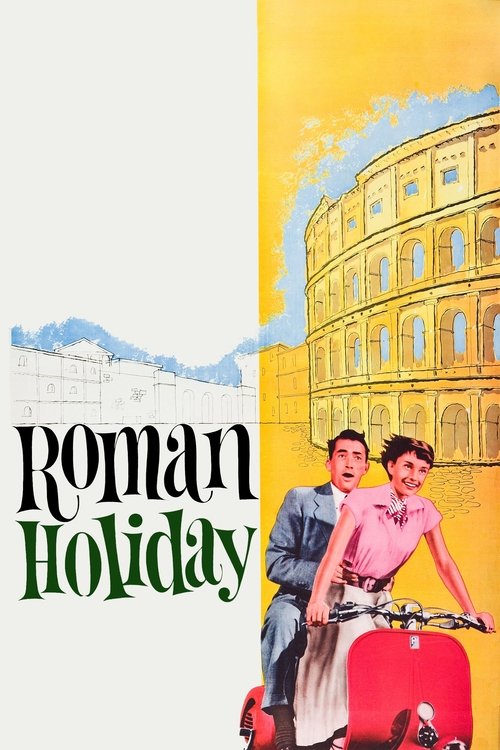
Roman Holiday1953
A princess escapes duty for love, but grown-up enough to choose the right thing anyway. Audrey Hepburn's debut is genuine magic, and Gregory Peck gives you exactly what you need.
But Sentiment has curdled a bit with age. The ending is almost deliberately melancholic, which some find devastating and others find a downer.
Singin' in the Rain1952
Peak Hollywood musical: technically astonishing, joyfully performed, about the shallowness of show business and the depth of genuine affection. Gene Kelly at the absolute height of his powers.
But At nearly two and a half hours, it can feel overstuffed if you're not in the mood for production numbers, and the plot is deliberately thin.

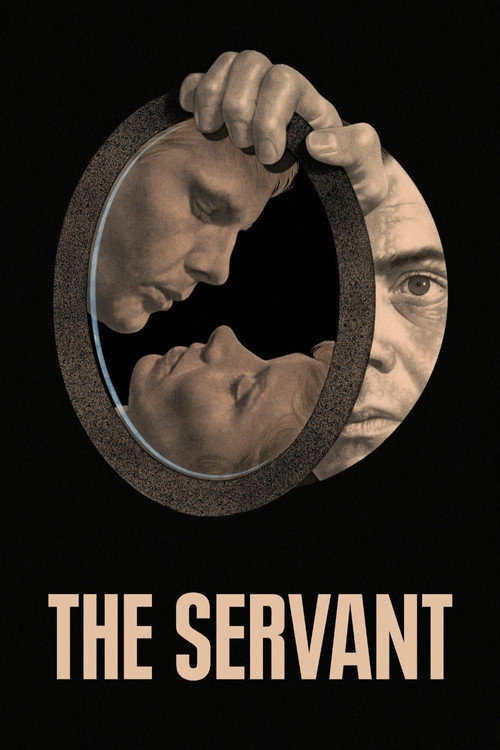
The Servant1963
Both films about seduction as a tool of power, but Lubitsch treats it as a waltz and Losey treats it as a knife fight. The Smiling Lieutenant says desire is natural and funny; The Servant says it's corrupting and real.
Joseph Losey's inversion of class hierarchy: a master loses his will, a servant gains power through manipulation and seduction. Dirk Bogarde in the most dangerous role of his career, and James Fox slowly undone by charm.
But It's bleak, morally ambiguous, sexually complicated in ways 1963 audiences found disturbing. No one wins. It's also slow and claustrophobic, shot mostly in one room.
People
Cast
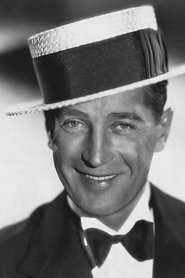 Maurice ChevalierLt. Nikolaus 'Niki' von Preyn
 Claudette ColbertFranzi
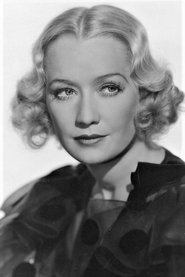 Miriam HopkinsPrincess Anna
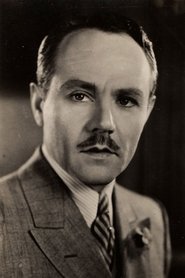
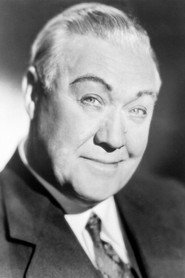 George BarbierKing Adolf XV
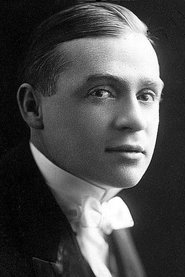 Hugh O'ConnellNiki's Orderly
- Maude AllenLady in Waiting (uncredited)
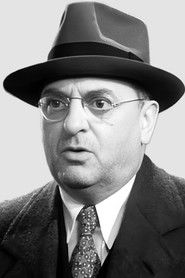 Granville BatesBill Collector (uncredited)
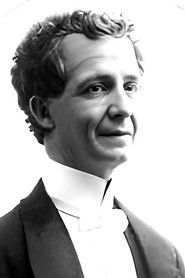 Harry C. BradleyCount Von Holden (uncredited)
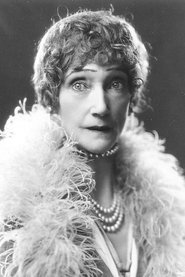 Carrie DaumeryLady in Waiting (uncredited)
- Ludwig HeinsichMan (uncredited)
- Cornelius MacSundayEmperor Franz Josef (uncredited)
Directing
- Ernst LubitschDirector
Writing
- Clifford GreyLyricist
- Hans MüllerNovel
- Felix DormannOpera
- Leopold JacobsonOpera
- Ernest VajdaScreenplay
- Samson RaphaelsonScreenplay
- Ernst LubitschWriter
Production
- Ernst LubitschProducer
- Milton SperlingProduction Assistant
Recommended by
The Love Parade, One Hour with You, Love Me Tonight, La fille du régiment