
Film
The Waltz Dream
A 1926 Austrian romance built on an operetta libretto: a restless prince discovers Vienna, falls for a Viennese girl, and finds himself enchanted by the city's waltz culture and way of life. It's a gorgeous artifact of silent-era Continental sophistication—all elegance, wry charm, and the visual language of attraction. For anyone drawn to how cinema once captured romance as a kind of intoxication.
If you liked this
Sunrise: A Song of Two Humans1927
Murnau's masterpiece about a man seduced away from his wife by a femme fatale, then redeemed by love. Like The Waltz Dream, it's romance as a spell that unmakes and remakes identity—gorgeously shot, morally complex.
But It's bleaker and far more psychologically turbulent than a waltz-dream romance. The tone is expressionist unease, not charm.

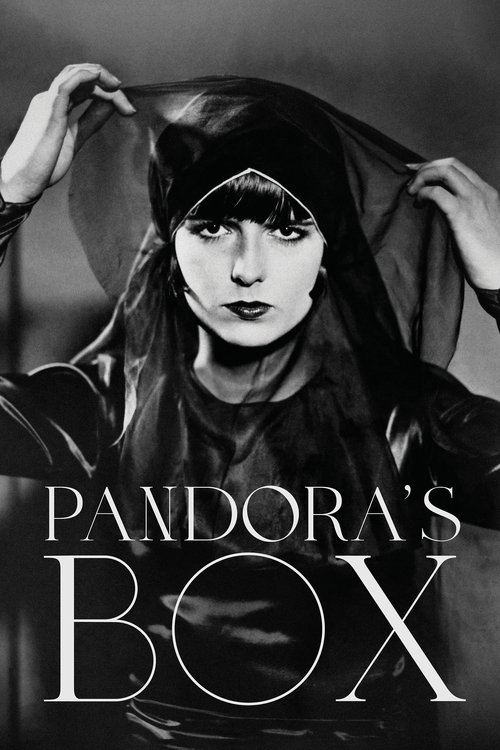
Pandora's Box1929
Louise Brooks as Lulu, the woman who derails powerful men with a glance. It shares The Waltz Dream's focus on how attraction reshapes a man's entire world, but with noir inevitability instead of Viennese lilt.
But Considerably darker. This is seduction as tragedy, not comedy. Brooks' affect is glacial where Fritsch's is effusive.
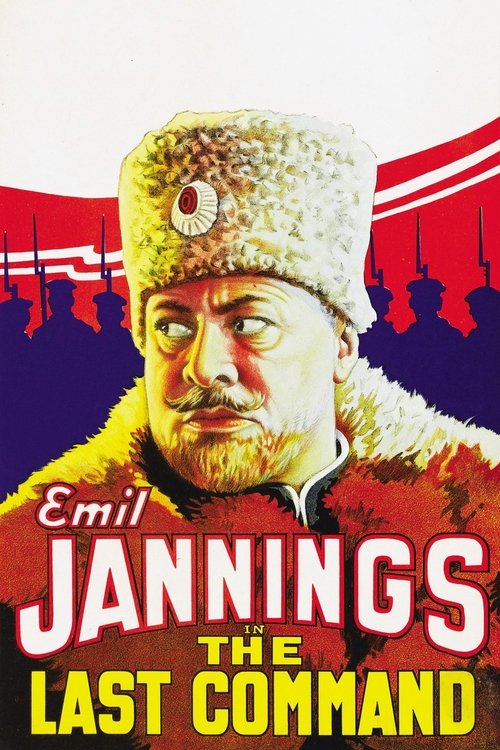
The Last Command1928
Another Fritsch vehicle—German, elegant, built on the contrast between aristocratic bearing and romantic vulnerability. The aesthetic is kindred; the sensibility is close.
But It's a period drama about tsarist Russia, not a light operetta adaptation. Weightier, slower, less musical in tone.
Not sure tonight? Get a pick in a minute, starting from The Waltz Dream
The wildcard
Something you would not have found on your own.
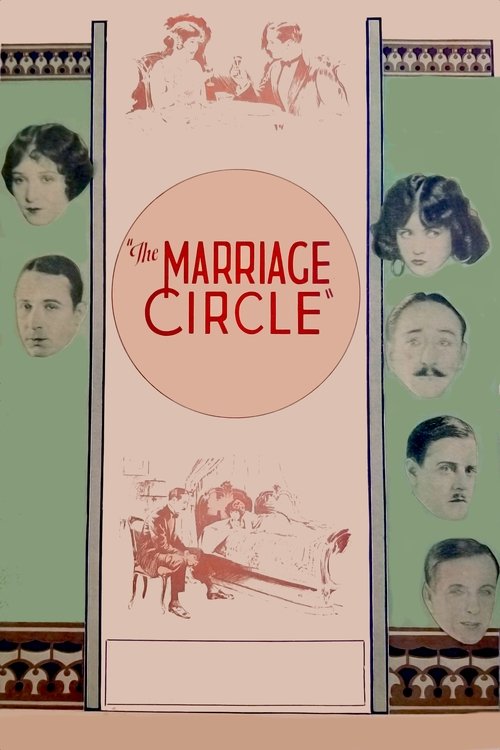
The Marriage Circle1924
Both are love stories about Vienna itself as much as about the characters; both use the waltz-time city as a character. Lubitsch's version is wry and structural where Straus's is dreamy and musical.
Ernst Lubitsch's comedy of Viennese manners and marital intrigue. Like The Waltz Dream, it's entranced by Vienna's sophistication and romantic rituals, but told with comic precision rather than operatic swoon. Same city, same era, completely different mood—yet both films understand that elegance is the real subject.
But Silent comedy timing is an acquired language. If you find slapstick or farce tedious rather than delightful, Lubitsch's subtle choreography may feel thin.
More like this (7)
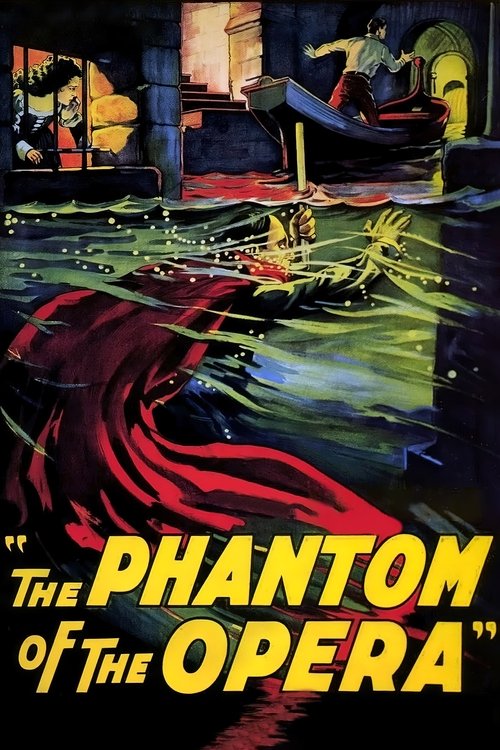
The Phantom of the Opera1925
Lon Chaney's silent-era baroque romance—Venice, masks, obsession, the Adriatic. It shares The Waltz Dream's fascination with how a place becomes inseparable from desire, though it inverts the emotional register entirely.
But It's Gothic horror. The atmosphere is oppressive and tragic, not romantic. Chaney's performance is unsettling, not charming.
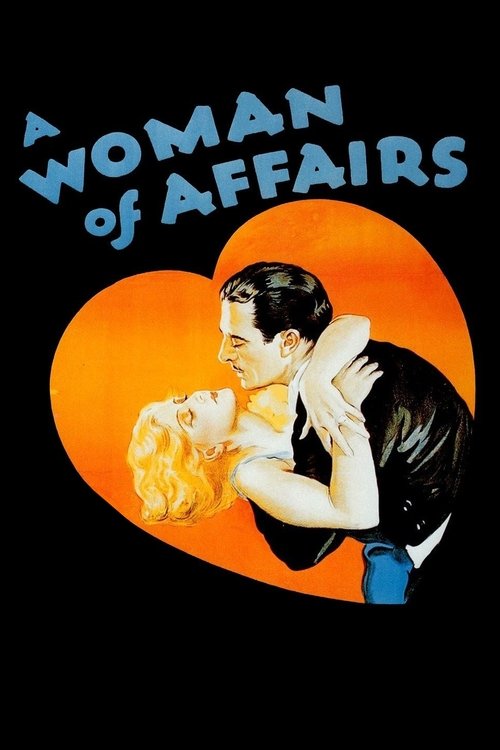
A Woman of Affairs1928
Greta Garbo in a Continental romance about a woman who enchants and damages a series of men. It has the sophisticated European setting, the waltz-time languor, and the same interest in how attraction scrambles judgment.
But Garbo's Isolde-like detachment is glacial. This is less about the frisson of newfound feeling and more about damage and consequence.
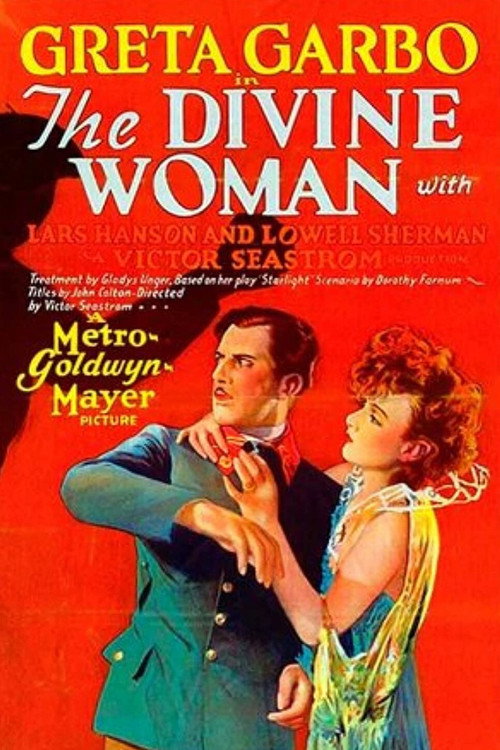
The Divine Woman1928
Lillian Gish as an actress who attracts two men—a wealthy one and a poor one. It's about romance as performance and mistaken identity, with the theatrical glamour that animates The Waltz Dream.
But The plot relies heavily on misunderstanding and convention. If you find contrivance suffocating, this won't help.
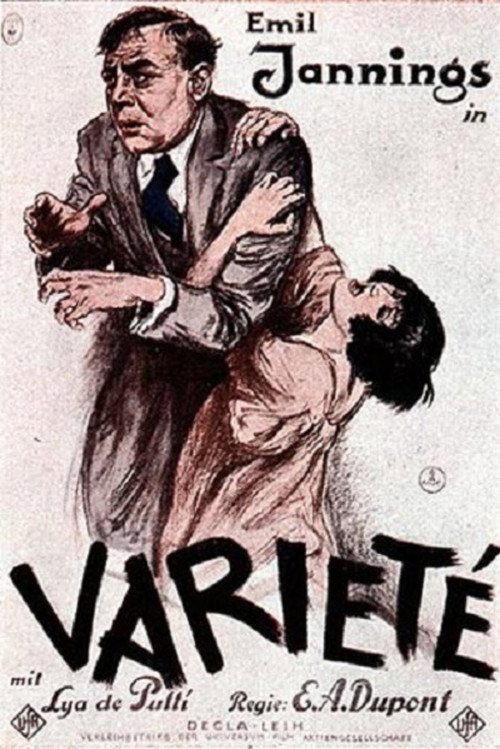
Variety1925
E.A. Dupont's tale of trapeze artists and obsessive love in Berlin cabarets. It shares The Waltz Dream's setting—decadent, musical Central Europe—and the same visual intoxication with performance and allure.
But It's a tighter, grimmer film. The romance ends in tragedy and violence, not in the gentle resolution a waltz-dream implies.
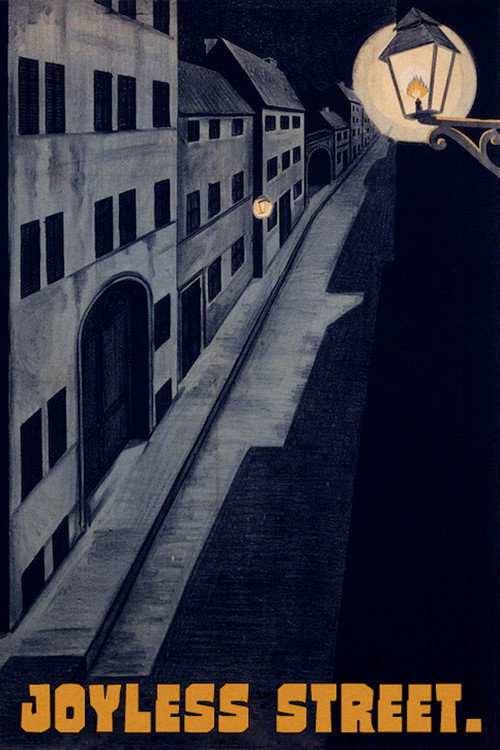
Joyless Street1925
Asta Nielsen in post-war Vienna—the same city The Waltz Dream romanticizes, but stripped of its charm. Greta Garbo also appears. It's an unforgettable document of that world's darker undertones.
But It's a bleak social drama about survival, prostitution, and economic collapse. The opposite of escapist romance; it actively repudiates the world The Waltz Dream celebrates.
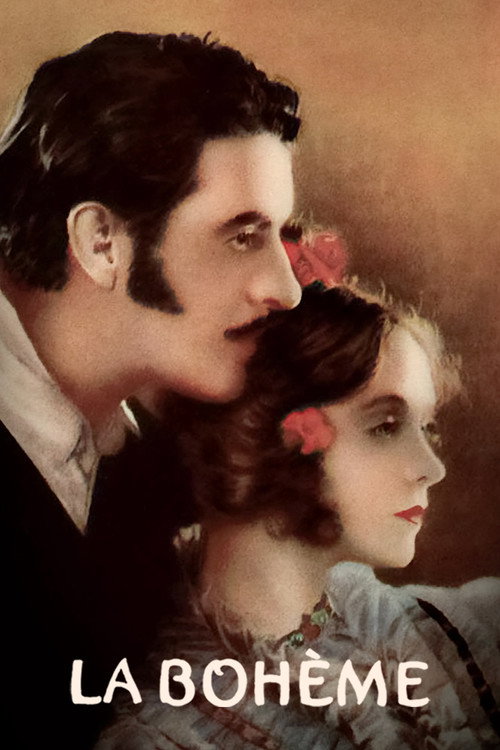
La Bohème1926
Both adapt stage musicals to silent film, using the visual language of cinema to render what was sung. Both are love stories where place and music are inseparable from feeling.
King Vidor's adaptation of the Puccini opera, silent but scored to the operatic music. It's another enchanted romance (Paris instead of Vienna) built on melody and visual poetry. If you loved the operetta foundation of The Waltz Dream, hearing Puccini while watching will deepen that spell.
But It's not quite opera and not quite pure film—a hybrid form that can feel awkward if you're not already in the mood for it. The emotional crescendos are grandiose.
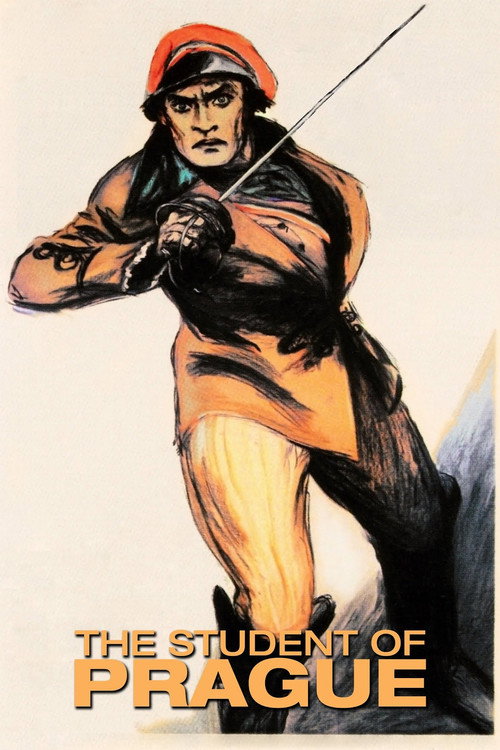
The Student of Prague1926
Both are Central European romances from the same moment in cinema history; this one reveals what shadows always lurked beneath the waltz-dream aesthetic.
A Faustian tale shot in Prague with the Gothic expressionism of German silent cinema, yet built on romantic obsession and the supernatural. It shows you what The Waltz Dream's Vienna looks like refracted through psychological horror—the same era, the same European café culture, inverted into something uncanny and tragic.
But It's a dark, unsettling film about a man's soul literally fragmenting. If you want charm and uplift, this will feel like betrayal.
People
Cast
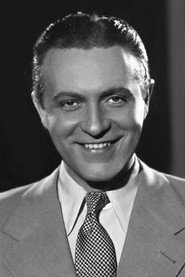 Willy FritschNicholas Graf Preyn
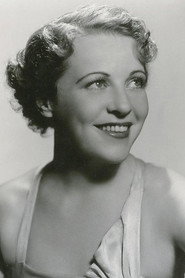 Mady ChristiansPrinzessin Alix
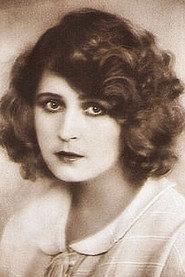 Xenia DesniFranzi Steingruber
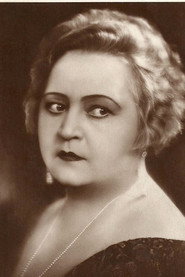 Lydia PotechinaSteffi, Bassistin
- Mathilde SussinFrl. von Koeckeritz
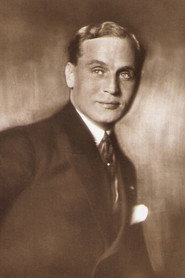 Karl BeckersachsErzherzog Peter Franz
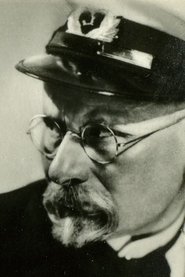 Julius FalkensteinRockhoff von Hoffrock
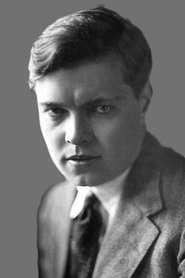 Hans BrausewetterDer Pikkolo
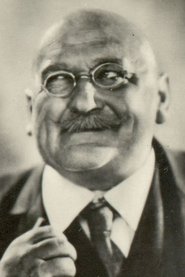 Jakob TiedtkeEberhard XXIII von Flausenthurm
Directing
- Ludwig BergerDirector
Writing
- Hans MüllerNovel
- Norbert FalkScreenplay
- Robert LiebmannScreenplay
- Felix DormannWriter
- Leopold JacobsonWriter