
Film
The Marriage Circle
Ernst Lubitsch's 1924 farce about infidelity and desire in Vienna, where marriage vows mean nothing and a meaningful glance across a room can upend a household. It's brisk, knowing, endlessly inventive with what film can do without dialogue, and quietly sophisticated about human weakness. For anyone curious about silent cinema at its peak.
Should you watch it?
Watch it if you enjoy sly, drawing-room comedy of manners, where the wit lives in glances, gossip and well-placed doubts about who is really fooling whom in a stylish marriage.
Skip it if you need fast pacing or modern visual energy; this silent 1924 film moves at an unhurried, card-table rhythm, and its humor depends on intertitles and patience.
What it asks of you: Settle in for about an hour and a half of silent storytelling, where expressive faces and small social gestures do the work, and attention to subtle interplay pays off more than constant action.
Not sure? Find tonight's pick in a minute.
If you liked this
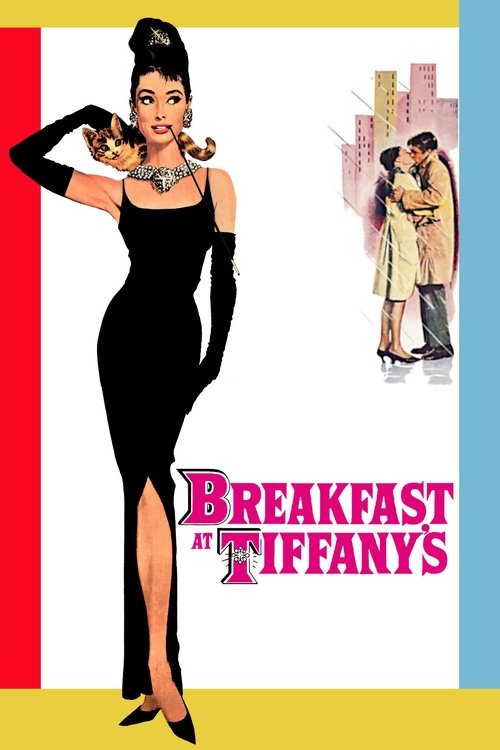
Breakfast at Tiffany's1961
A glittering comedy about moral flexibility in sophisticated circles. Audrey Hepburn carries the film through elegance and whimsy, and the script lets its characters want impossible things without judgment.
But It's been homogenized into a cultural icon; the real film underneath is quieter and stranger than the myth suggests.
Singin' in the Rain1952
Golden-age Hollywood musicality applied to a script about deception and desire in a closed world of insiders. Technically dazzling, morally playful, and so joyful you forget you're watching people scheme.
But The production numbers can overwhelm the story. Some viewers find the relentless brightness exhausting rather than exhilarating.

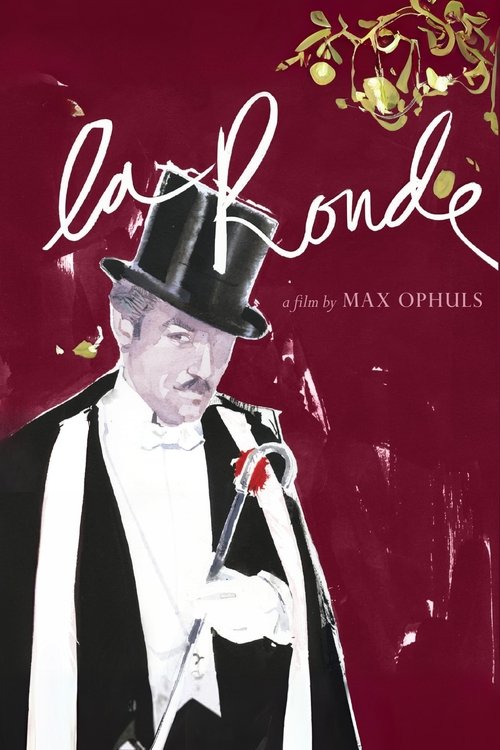
La Ronde1950
Ophüls reworks the same Vienna, the same game of seduction passed hand to hand, where everyone wants everyone else and nobody wants what they have. A masterpiece of form and feeling.
But Deliberately stylized and circular; if you want resolution or moral clarity, you'll leave frustrated.
Not sure tonight? Get a pick in a minute, starting from The Marriage Circle
The wildcard
Something you would not have found on your own.
Pandora's Box1929
Both explore desire and infidelity in sophisticated European circles, but Pandora's Box asks what happens when the game turns serious and someone actually wants to leave.
Louise Brooks as Lulu, a woman who wants and is wanted, moving through a world that cannot contain her desire. Silent, erotic, anarchic—everything The Marriage Circle is about, but darker and deeper, made by Pabst with a camera that sees into souls.
But Sexual frankness and amoral behavior that wasn't fully appreciated until decades later; some find the ending unbearably bleak.

More like this (7)
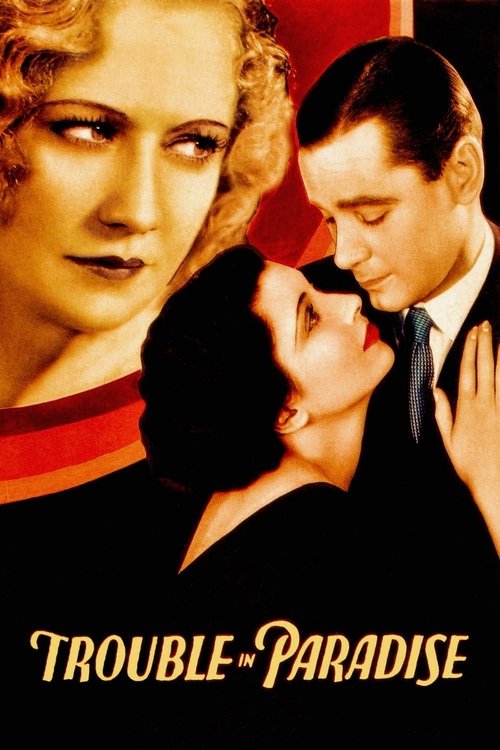
Trouble in Paradise1932
Lubitsch again, but sound this time. Sophisticated con artists fall into real feeling. Every frame is a small miracle of economy and suggestion—more is said in a pause than in paragraphs.
But The pacing assumes you're paying attention to every gesture. Modern audiences often find it glacial.
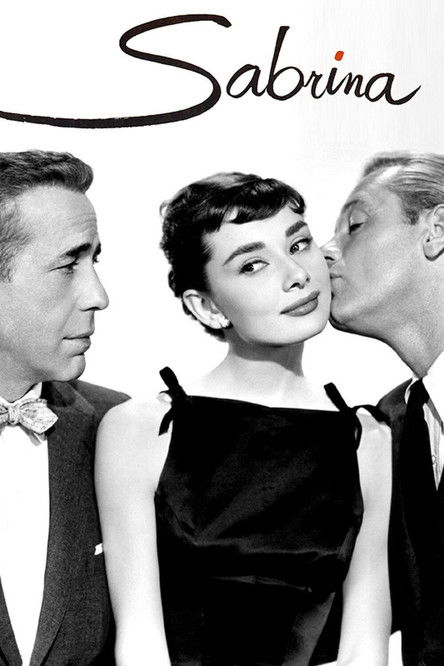
Sabrina1954
Wilder's elegant script about class, desire, and the geography of want. Audrey Hepburn becomes impossible to look away from, and the film knows it. Romance for people who enjoy thinking.
But The resolution is neat in ways the premise didn't promise. Some find it disappointing after the sharper middle sections.
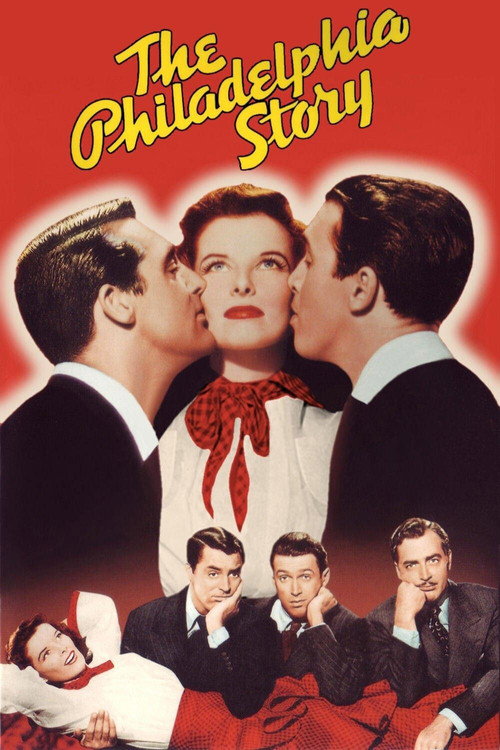
The Philadelphia Story1940
Sophisticated comedy about marriage, class, and whether we ever really know each other. Grant, Stewart, and Hepburn move through it like music, and the wit never stops.
But The gender politics belong to their moment; some modern viewers find the resolution retrograde.
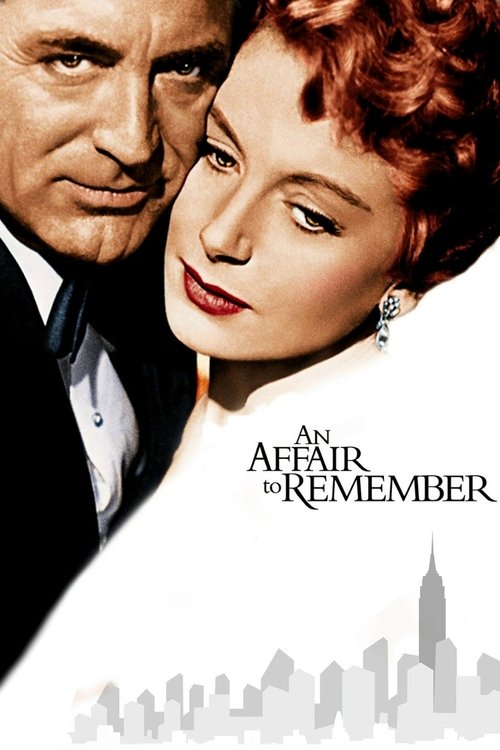
An Affair to Remember1957
Melodrama about desire and commitment set on luxury ships and in penthouse apartments. Gorgeous to look at, heartfelt without being saccharine, and genuinely moving.
But The plot hinges on a coincidence that strains credibility, and the ending divides viewers on whether it earns its emotional weight.
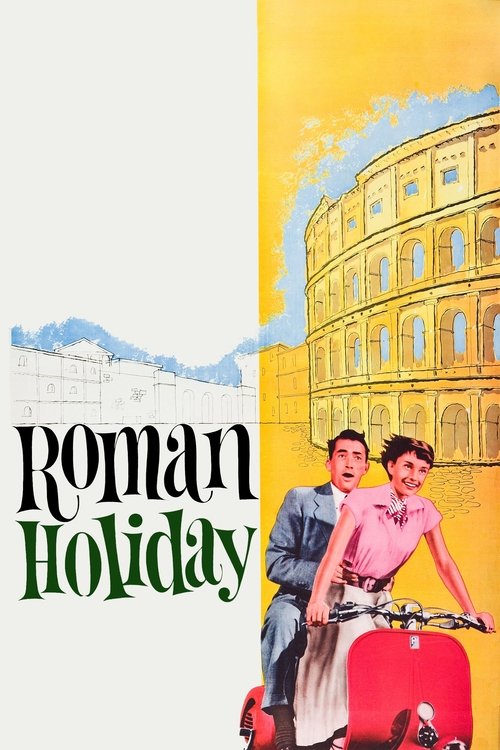
Roman Holiday1953
A princess and a reporter find impossible desire in Rome. Hepburn and Peck have genuine chemistry, and the script is wise about what cannot last and why that matters.
But The fantasy of perfect romance in perfect settings can feel thin on repeat viewing, and the ending troubles some viewers.
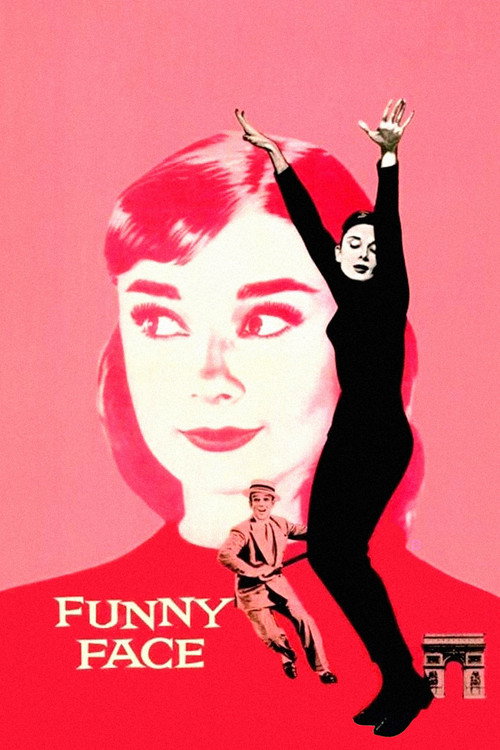
Funny Face1957
Audrey Hepburn becomes a fashion model; Fred Astaire falls in love. The numbers are extraordinary, the Paris setting gorgeous, and the flirtation between them is genuinely charming.
But The premise—transforming a woman into something she wasn't—sits uneasily with modern sensibilities, and the romantic arc feels slight.
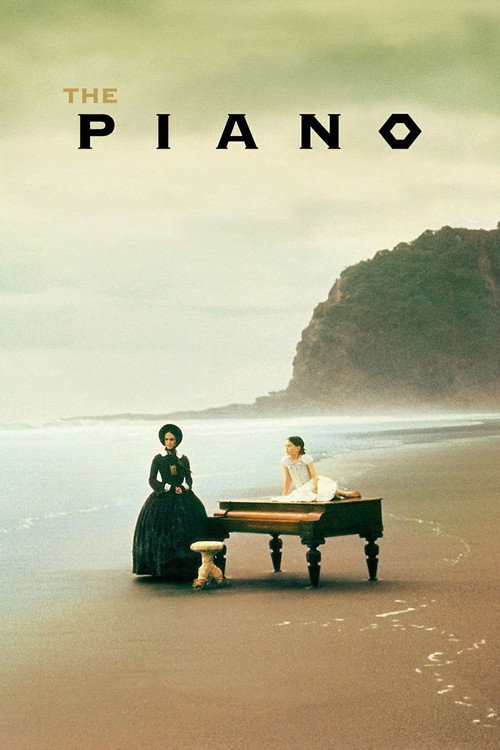
The Piano1993
Like Lubitsch, Campion is obsessed with what people want from each other and how desire moves through a closed world—but she films it as danger rather than as comedy, and her woman gets to act.
Jane Campion's audacious film about desire, consent, and what happens when a woman knows exactly what she wants. Shot in dark greens and grays, it's sensual and dangerous—desire as a force that rewrites the plot.
But Graphic sexuality and violence; some find Campion's direction mannered. It's visually stunning but not always emotionally clear.
People
Cast
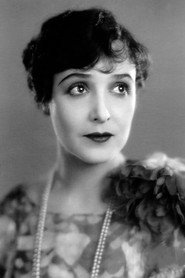 Florence VidorCharlotte Braun
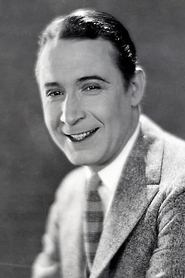 Monte BlueDr. Franz Braun
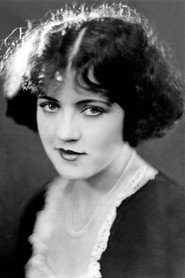 Marie PrevostMizzi Stock
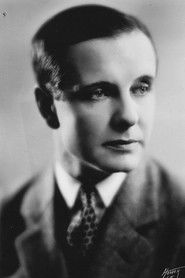 Creighton HaleDr. Gustav Mueller
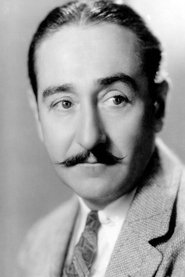 Adolphe MenjouProfessor Josef Stock
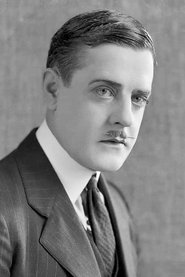 Harry MyersDetective
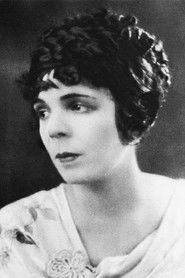 Dale FullerNeurotic patient
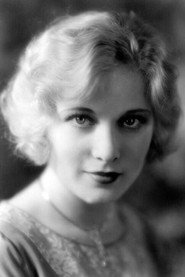 Esther RalstonMiss Hofer
Directing
- Ernst LubitschDirector
Writing
- Lothar SchmidtWriter
- Paul BernWriter
Production
- Ernst LubitschProducer