
Film
The Divine Woman
A 1928 silent romance about a soldier and his lover in Paris, racing against time and duty. Greta Garbo at her luminous peak, playing a woman caught between love and circumstance. It's intimate and modern-feeling—less melodrama, more the quiet ache of knowing someone might leave. For fans of character-driven silents and Garbo's effortless magnetism.
If you liked this
Sunrise: A Song of Two Humans1927
Released the same year, this is peak silent filmmaking—a couple facing temptation and estrangement with poetic visual language. Emotionally devastating and utterly modern in how it handles doubt within love.
But Very slow. The symbolism is heavy-handed at times. You need patience for silent pacing.

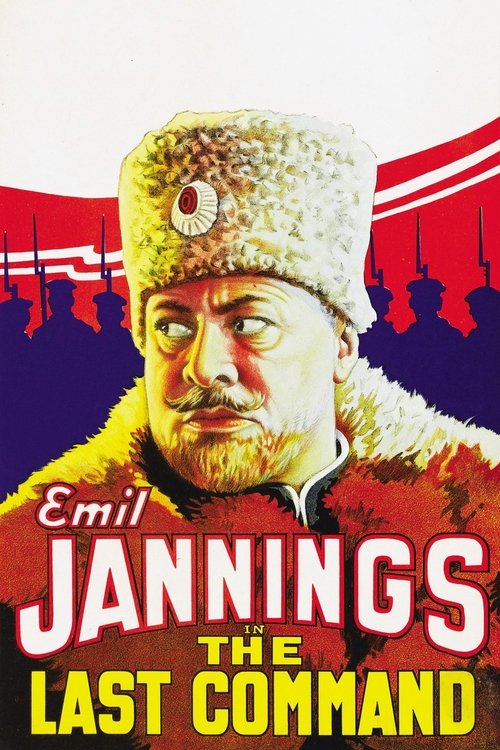
The Last Command1928
Emil Jannings' masterclass in playing a man undone by circumstance and time. Like The Divine Woman, it's about loss and the dignity of accepting what you cannot control. Heartbreaking.
But The political context (Russian Revolution) requires some historical knowledge. Melodrama creeps in toward the end.
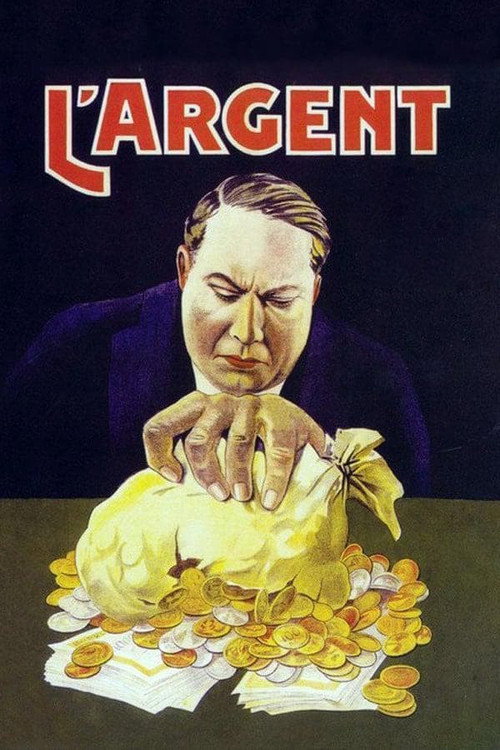
L'Argent1928
Fritz Lang's silent masterpiece about how money destroys lives and relationships. Built on the same intimate observation of human frailty that makes The Divine Woman compelling, but darker and more complex.
But It's bleak and quite long. The social critique can feel preachy. No one escapes unscathed.
Not sure tonight? Get a pick in a minute, starting from The Divine Woman
The wildcard
Something you would not have found on your own.
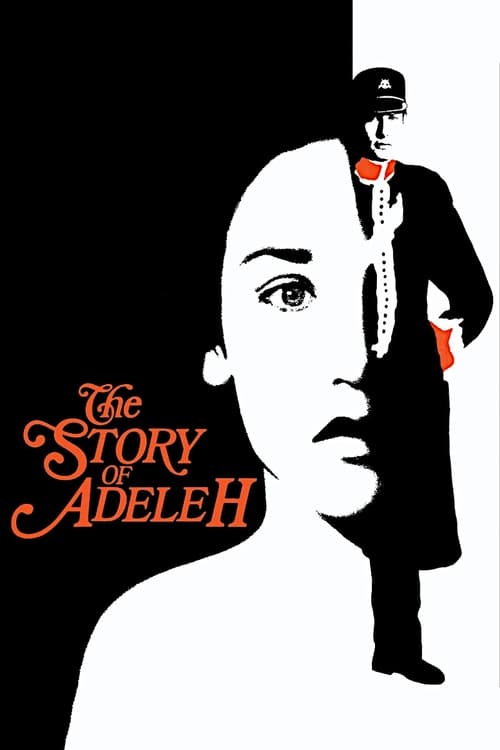
The Story of Adèle H.1975
Both films believe that love between two people can be undone by forces beyond their control—one accepts it, the other cannot. Same tragedy, opposite responses.
Truffaut's portrait of obsessive love starring Isabelle Adjani in a performance of raw, unguarded feeling. It inverts The Divine Woman's acceptance of fate—instead, a woman pursues her soldier across continents and years, refusing to let him go.
But It's repetitive and deliberately frustrating to watch. Adjani's performance is so exposed it borders on uncomfortable. No catharsis, just the long erosion of hope.
More like this (6)
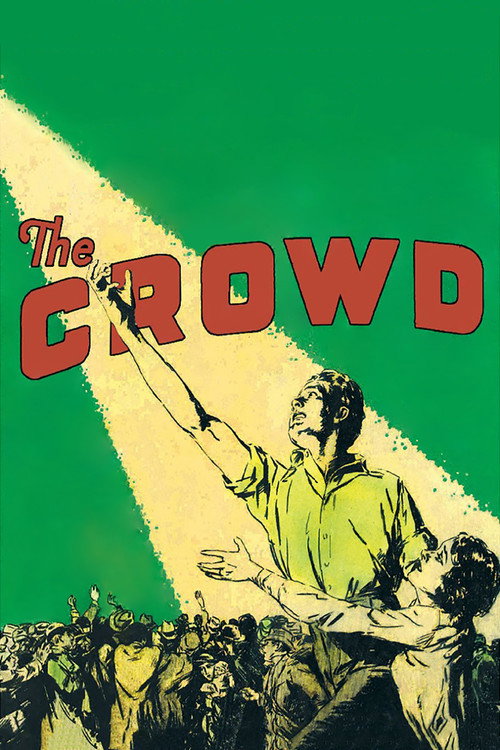
The Crowd1928
King Vidor's portrait of an ordinary marriage tested by poverty and circumstance. Tender and specific in the way The Divine Woman is, finding tragedy in small, true moments between two people.
But Deliberately unglamorous. No star power to lean on. The ending divides viewers on whether it's hopeful or hollow.
Pandora's Box1929
Louise Brooks as a woman whose desire and freedom destroy everyone around her. A fierce counterpoint to Garbo's Marianne—where one surrenders, this film asks what it costs to refuse to.
But It's sexually transgressive for 1929 in ways that still register. Can feel cold and fatalistic to modern viewers.

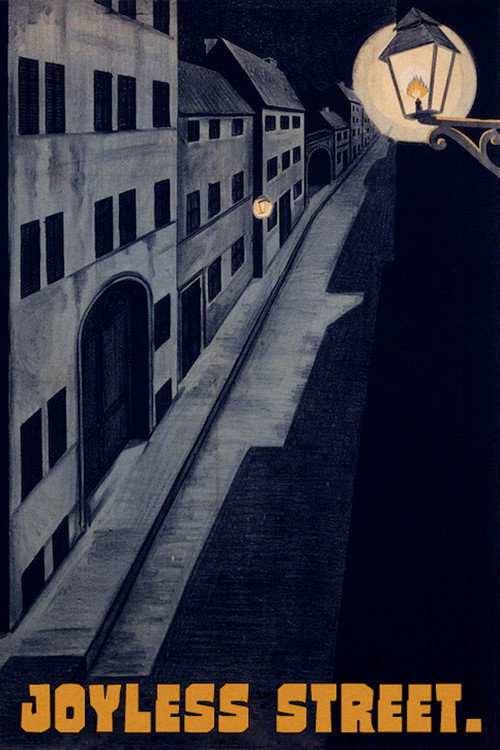
Joyless Street1925
Greta Garbo in post-WWI Vienna, survival and dignity on every frame. An earlier Garbo role that shares The Divine Woman's interest in ordinary people facing extraordinary pressures and heartbreak.
But Technically rougher than her later work. The social conditions depicted are grimly unrelenting. It's a slog.
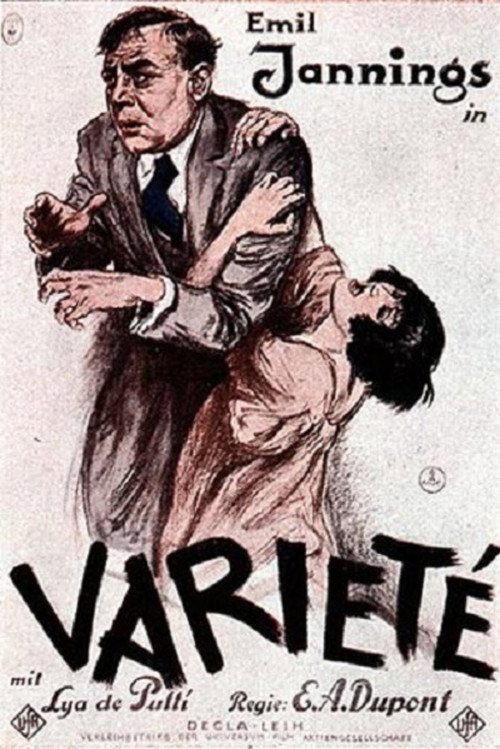
Variety1925
Emil Jannings again, but here as a trapeze artist destroyed by jealousy and his lover's infidelity. Visually inventive and psychologically acute about how love can become possession and obsession.
But The camera work, while brilliant, can be disorienting. It's very much a product of German Expressionism—all shadow and distortion.
The Phantom Carriage1921
Victor Sjöström's meditation on death, redemption, and whether love can save us. A quieter film than its supernatural premise suggests, built on the same melancholy acceptance that haunts The Divine Woman.
But It's genuinely bleak. The pacing is glacial. The moral framework is very Swedish-Lutheran in a way that might feel alien.

The Mischief Makers1958
Where The Divine Woman finds tragedy in the lovers' separation, this finds it in the distance between those who watch love and those who live it. Both are meditations on how proximity doesn't mean understanding.
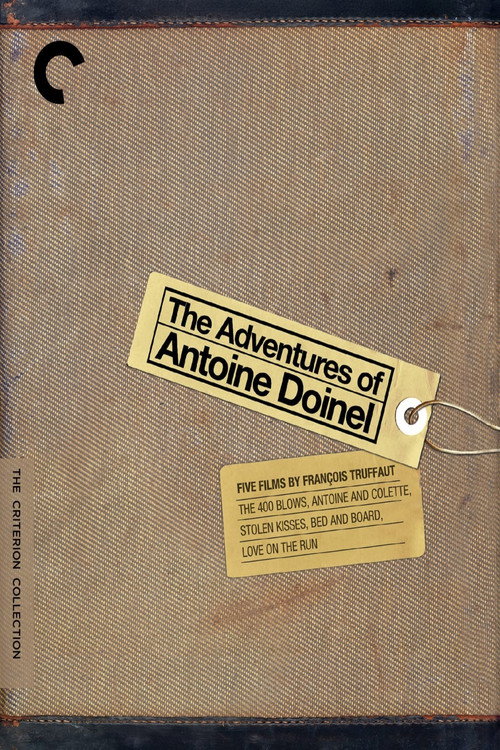
François Truffaut's 26-minute short about adolescent boys watching a young couple in love, unable to fully understand what they're witnessing. A poem about longing and distance, told from outside the romance itself.
But It's a short film, so some will find it slight. Very French New Wave—elliptical, more mood than plot. The narration might feel arch to you.
People
Cast
 Greta GarboMarianne
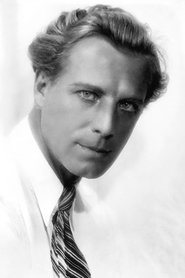 Lars HansonLucien
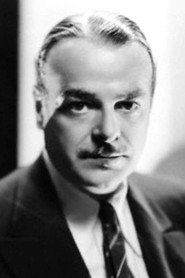 Lowell ShermanHenry Legrand
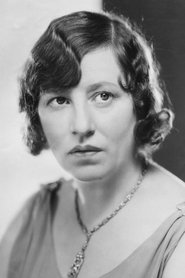 Polly MoranMme. Pigonier
- Dorothy CummingMmme. Zizi Rouck, Marianne's Mother
 Johnny Mack BrownJean Lery
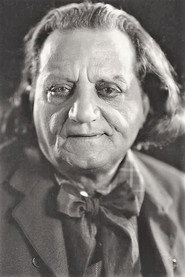 Cesare GravinaGigi
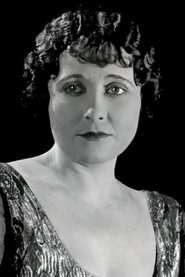 Paulette DuvalPaulette
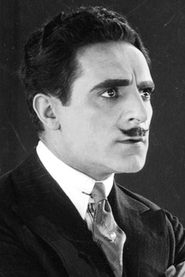 Jean De BriacStage Director
Directing
- Victor SjöströmDirector
Writing
- Gladys UngerTheatre Play
- Dorothy FarnumWriter