
Film
San Francisco
A 1936 melodrama set in the lawless Barbary Coast just before the 1906 earthquake. Clark Gable plays a charming saloon owner torn between crime and redemption, with Jeanette MacDonald as the singer who might save him and Spencer Tracy as the priest determined to try. It's all grand gestures, moral wrestling, and disaster spectacle—earnest in a way that feels almost foreign now, but genuinely moving if you surrender to it.
Should you watch it?
Watch it if you like old-fashioned studio melodrama where a wisecracking tough, a gospel-singing priest and a soprano trade barbs and sing in the same smoky room.
Skip it if you find old studio sentiment and sermonizing hard going, since the morality lessons and sweet-natured speeches lean heavy for a film this long.
What it asks of you: Settle in for nearly two hours of stage-bright dialogue and steady, unhurried escalation, with comedy and sentiment alternating rather than arriving in a rush.
Not sure? Find tonight's pick in a minute.
If you liked this
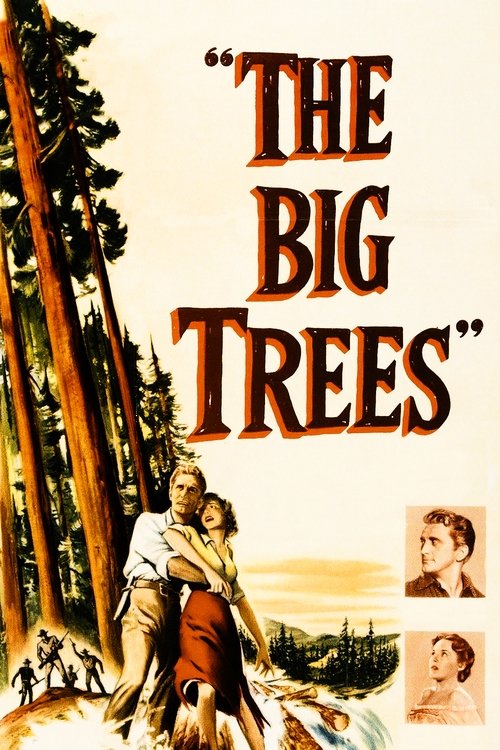
The Big Trees1952
Another California Gold Rush-era adventure with similar themes of frontier roughness meeting civilization and faith. Giant redwood logging sets, Douglas Fir grandeur, and a man learning to be better. That same moral scaffolding Gable's character climbs.
But By 1952 standards it's already dated-looking, and the pacing drags. The message overwhelms the story sometimes.
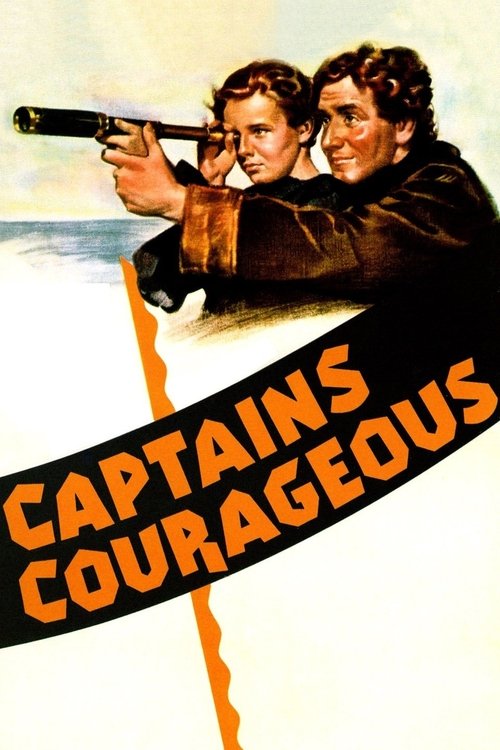
Captains Courageous1937
Spencer Tracy's next big role after this—a gruff man broken down and rebuilt by circumstance and younger characters who believe in him. Similar emotional spine: hardness dissolving. Freddie Bartholomew is the conscience, like MacDonald here, and the ocean gives you that same scale.
But It's sentimental in an old-fashioned way that can feel heavy-handed. The child actor's performance is precious in a way that ages poorly.
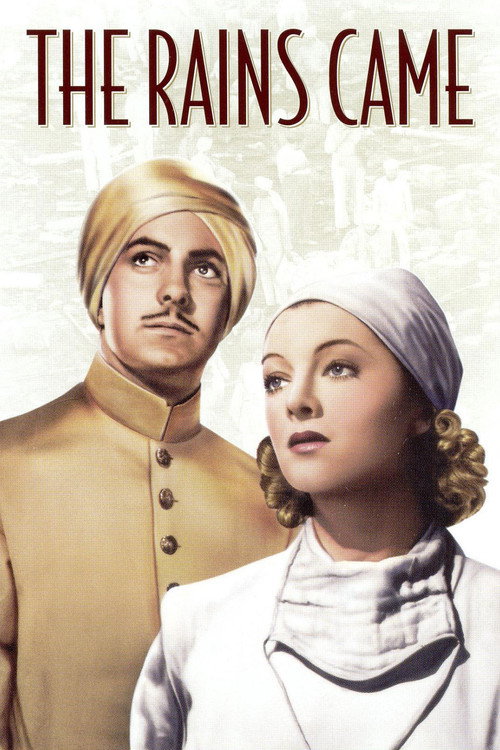
The Rains Came1939
Ensemble drama built around a catastrophic natural disaster—flood instead of earthquake, but the same structure of people's true natures revealed in crisis. Tyrone Power and Myrna Loy; a similar moral reckonings. The spectacle is earned by real stakes.
But It's long and sometimes stagey. The romance feels obligatory alongside the disaster elements, and that split focus can feel confused.
Not sure tonight? Get a pick in a minute, starting from San Francisco
The wildcard
Something you would not have found on your own.
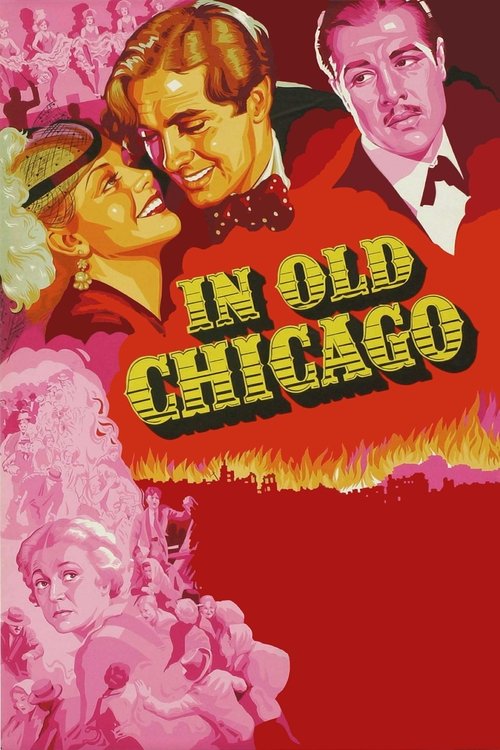
In Old Chicago1938
Both use a massive historical disaster to force spiritual reckoning in characters built on crime and compromise. Both climax with a man's redemption proven through sacrifice in the fire/earthquake itself. The disaster isn't the story—it's the truth-teller.
The great Chicago fire of 1871, but told as a crime and redemption story between two brothers—one good, one bad—with their mother (Alice Brady, luminous) as the conscience. It's San Francisco's exact structure: disaster as moral reckoning, spectacle in service of character, a man choosing to be better. Made right after this film, learning from it.
But The fire itself is less cinematically stunning than the earthquake was. The script can be clunky, and the message sometimes crushes subtlety.
More like this (8)
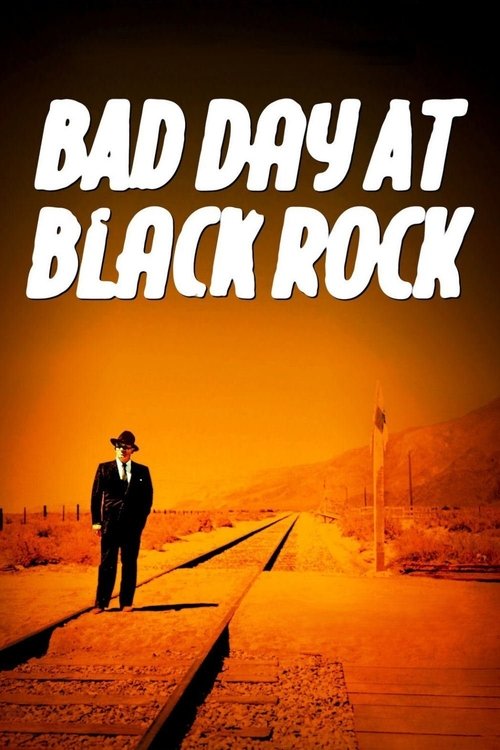
Bad Day at Black Rock1955
A stranger arrives in a corrupt town and forces its conscience awake—the inverse of San Francisco's approach, but the same moral architecture. Spencer Tracy again, even fiercer. Tight, electric, every frame purposeful. This is what happens when that redemption arc meets hard noir.
But It's lean and aggressive in ways that can feel cold. If you want sweep and emotion, this is too controlled.
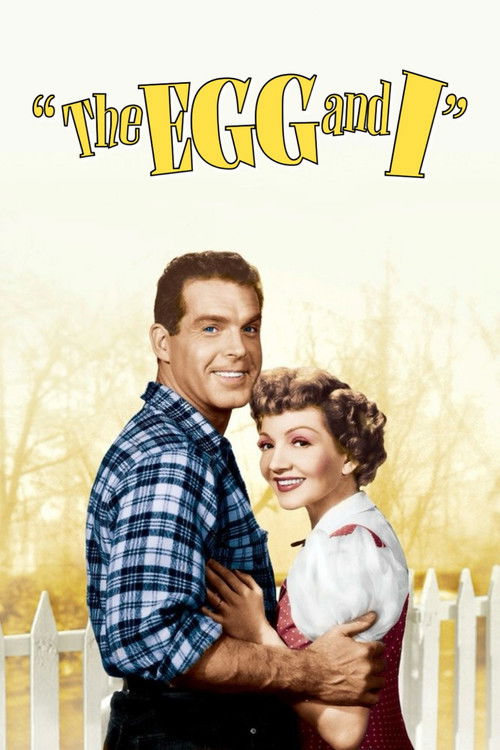
The Egg and I1947
Claudette Colbert and Fred MacMurray before marriage, learning to build something real together in frontier hardship. Less grand than San Francisco but with that same belief in partnership as redemption. Warm, funny, genuine—a softer take on the same engine.
But It's domestic and scaled small. After the earthquake spectacle, the stakes can feel provincial and slow.
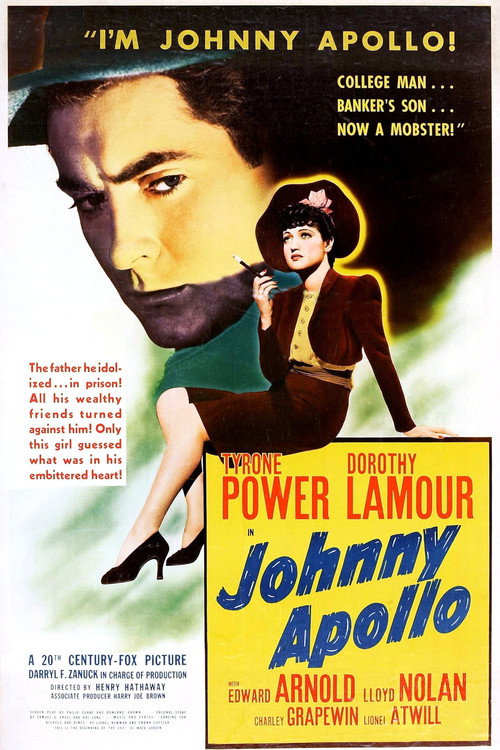
Johnny Apollo1940
Another young man caught between crime and conscience, with a powerful older man (Edward Arnold) representing temptation and Spencer Tracy's gentle authority opposing it. Noir shadows but that same spiritual wrestling underneath. Tyrone Power at his most beautiful and torn.
But The plot is standard—seduction and redemption—and doesn't surprise. The era's attitudes about women and morality can feel suffocating now.
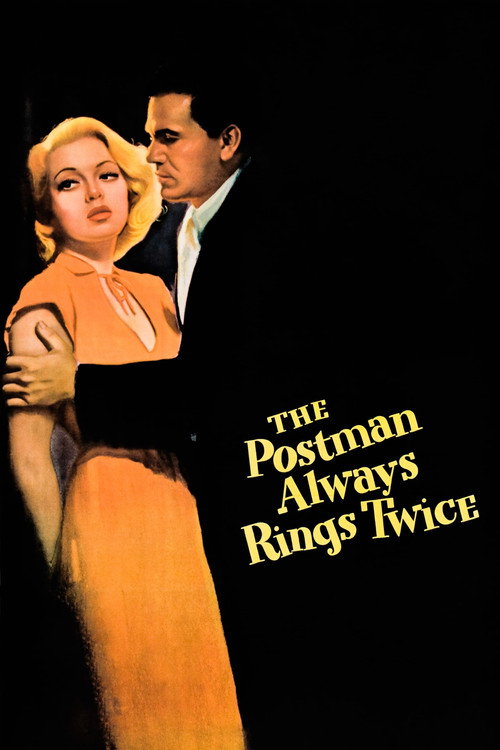
The Postman Always Rings Twice1946
Lana Turner and John Garfield in a saloon setting, passion and crime colliding. Darker than San Francisco, no redemption waiting, just the Barbary Coast's evil twin. If you want to see what happens when nobody believes in salvation, this is it.
But It's bleak and cynical, almost nihilistic. If you watched San Francisco for its hopefulness, this will feel like betrayal.
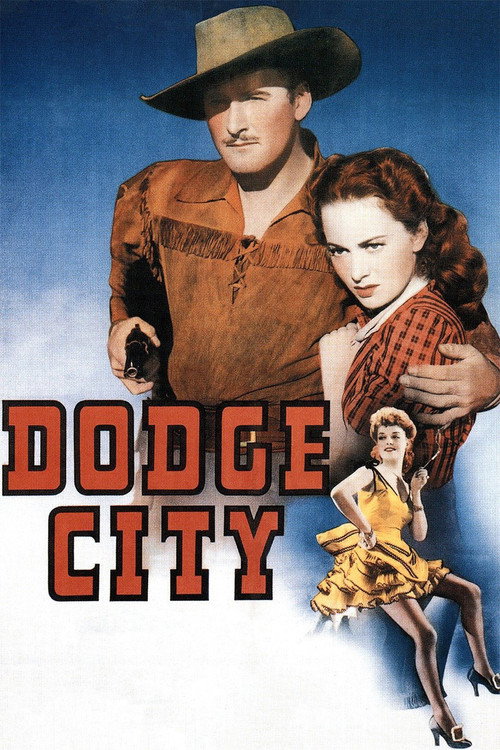
Dodge City1939
Errol Flynn as a man imposing law and order on frontier chaos, with moral clarity and humor. It's San Francisco's energy transplanted to the West—the same belief that one good man matters, that civilization is worth building, that decency can take root.
But It's lighter and looser than San Francisco, almost too cheerful. The action matters more than the emotional stakes, and that can feel hollow.
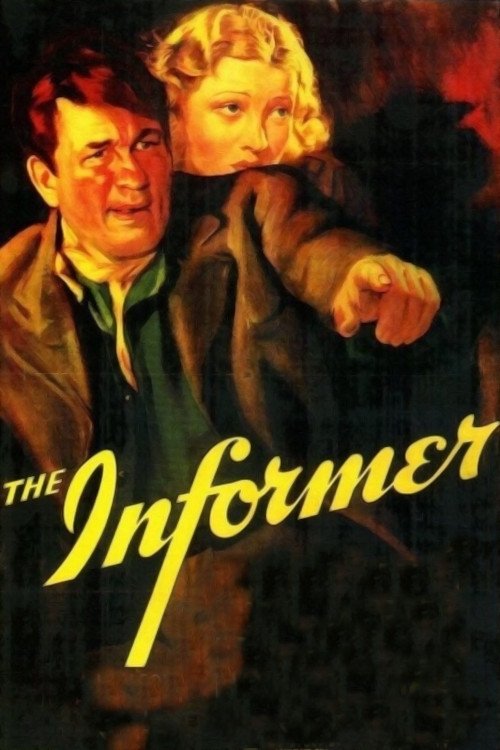
The Informer1935
John Ford directing Victor McLaglen as a man destroyed by betrayal and seeking redemption through sacrifice. Made the year before San Francisco, it shares that moral exhaustion and the belief that suffering can cleanse. The guilt eats him alive the way crime eats Gable's character.
But It's visually mannered in ways that can look affected now. Ford's style overwhelms the story sometimes, and McLaglen's performance is huge in a way that dates it.
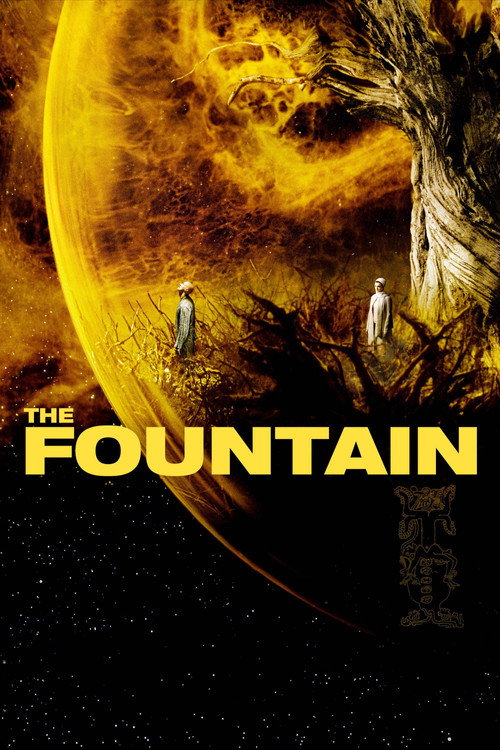
The Fountain2006
Both are unashamed melodramas that use spectacle and scale not to distract from feeling but to match it. Both believe catastrophe reveals character. Both demand you surrender to their sincerity.
Darren Aronofsky's operatic film—three timeframes, one love story, one man's refusal to accept death and loss. It sounds nothing like San Francisco, but it has the same DNA: sweeping, visually overwhelming, utterly sincere about the power of faith and love to transform us. It will wreck you the same way.
But It's formally ambitious to the point of alienation. If you're not prepared to meet it emotionally and intellectually, it can feel pretentious and impenetrable.
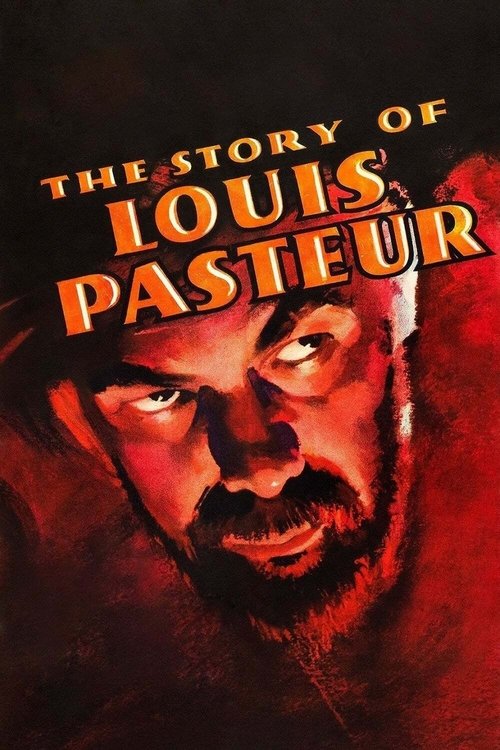
The Story of Louis Pasteur1936
Both are 1936 American dramas about men driven by conviction—spiritual or scientific—to transform their worlds. Both climax with that conviction tested and proven. Both believe individual will and integrity matter against enormous forces.
Same year, same studio, similar length, but biographical rather than romantic drama. Paul Muni as Pasteur, driven by faith in science and the possibility of saving lives through rigor and belief. It's San Francisco's moral architecture applied to real history—a man's conviction that he can make the world better, fighting skeptics and his own doubt.
But It's a biopic, so it's inevitably educational and stiff in places. Science drama doesn't grip the way romantic melodrama does, even when well-made.
People
Cast
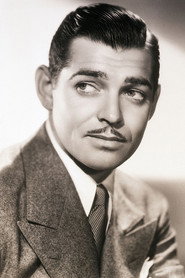 Clark GableBlackie Norton
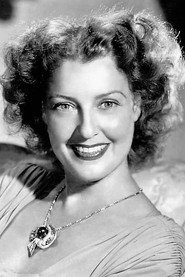 Jeanette MacDonaldMary Blake
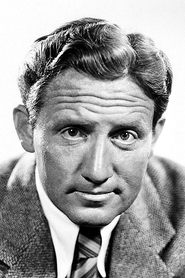 Spencer TracyFather Tim Mullin
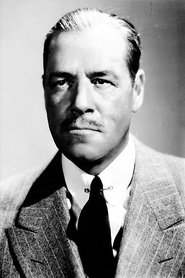 Jack HoltJack Burley
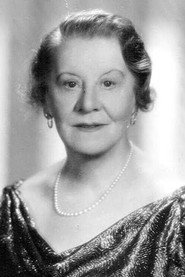 Jessie RalphMrs. Maisie Burley
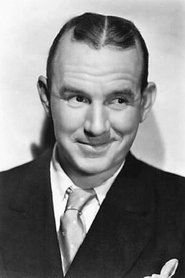 Ted HealyMat
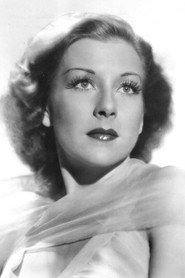 Shirley RossTrixie
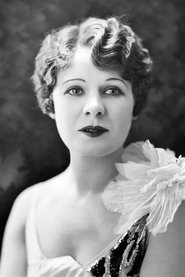 Margaret IrvingDella Bailey
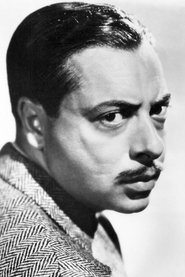 Harold Huber'Babe'
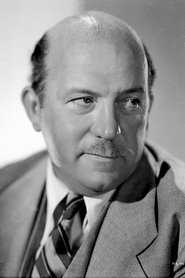 Edgar KennedySheriff
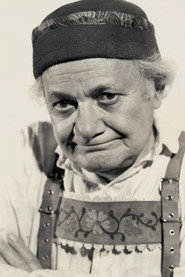 Al SheanProfessor
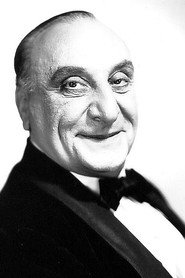 William RicciardiSignor Baldini
Directing
- Joseph M. NewmanAssistant Director
- W.S. Van DykeDirector
- D.W. GriffithSecond Assistant Director
Writing
- Anita LoosScreenplay
- Robert E. HopkinsStory
- Herman J. MankiewiczWriter
Production
- Bernard H. HymanProducer
- John EmersonProducer
- W.S. Van DykeProducer
Recommended by
The Merry Widow, Deluge, In Old Chicago, Naughty Marietta, Rose Marie, The Firefly, The Last Days of Pompeii, Pompeii: The Last Day, The Cat and the Fiddle, Min and Bill, The Gypsy Baron, Hell Divers