
Film
Pompeii: The Last Day
- Horror
- Very dark
A reconstruction of Pompeii's final hours on August 24, 79 AD. Part drama, part documentary, it follows several inhabitants through the catastrophe while grounding itself in geological fact and archaeological evidence. Gripping and immediate, it's history made visceral—perfect for anyone who wants their learning to actually hurt.
If you liked this
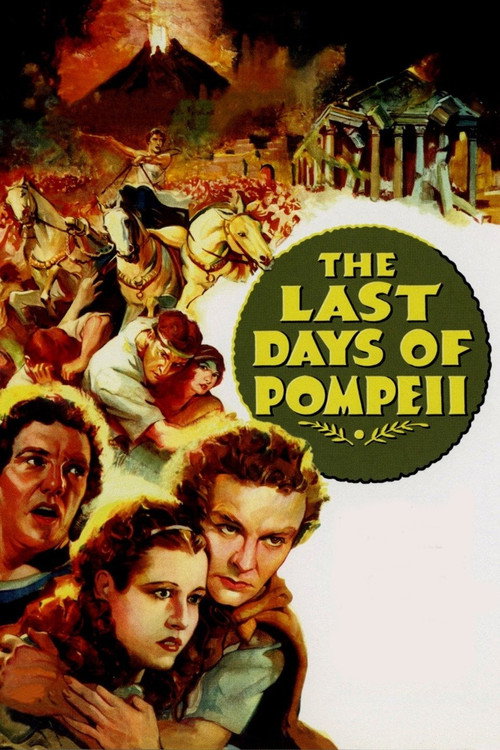
The Last Days of Pompeii1935
A parallel BBC production made the same year, with different characters and a subtly different rhythm. Seeing two teams tackle the same historical moment reveals what each chose to emphasize, and why.
But Comparing two similar works can feel redundant rather than illuminating. If you've just watched one, the other might feel too familiar too quickly.
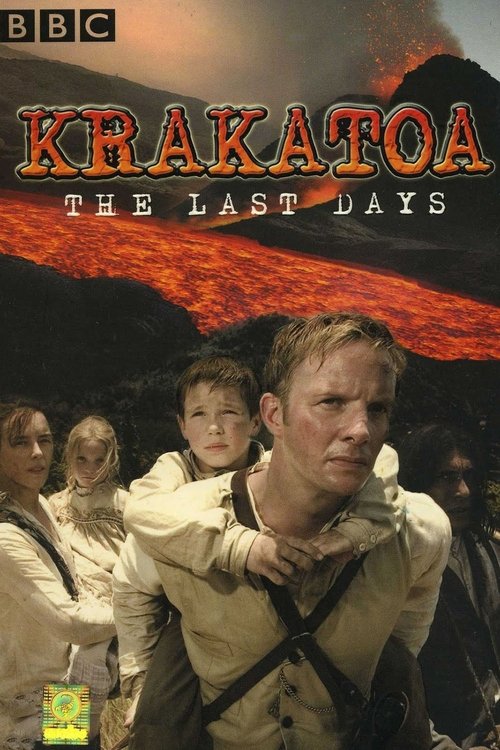
Krakatoa: The Last Days2006
Documentary-drama hybrid about another catastrophic eruption, using the same blend of expert testimony and character reconstruction. Same director, same method applied to a different volcano and different victims.
But The format, while effective, can feel repetitive if you've just absorbed Pompeii. The pacing mirrors the original closely.
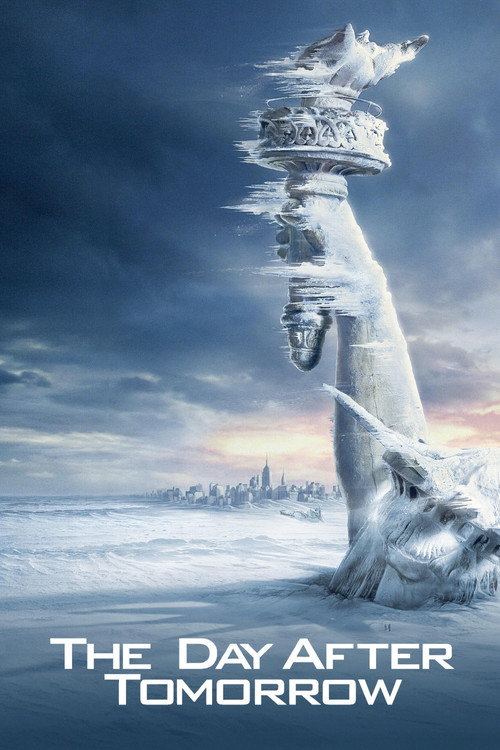
The Day After Tomorrow2004
A disaster film that shares Pompeii's commitment to geological accuracy wrapped in human stakes. Both treat natural forces with respect and refuse to shrink from what they cost.
But This leans far more heavily into Hollywood spectacle and implausible heroics. The science is looser, the tone more action-adventure than elegy.
Not sure tonight? Get a pick in a minute, starting from Pompeii: The Last Day
The wildcard
Something you would not have found on your own.
Shoah1985
Both use testimony and reconstruction to honor the dead and make absence present. Both understand that catastrophe deserves more than spectacle.
Nine and a half hours of documentary testimony about the Holocaust, with no archival footage—only witnesses, survivors, perpetrators speaking. Like Pompeii, it reconstructs final hours and communities erased. Like Pompeii, it refuses to look away, and insists we sit with the weight of it.
But An almost prohibitive time commitment. The gravity is immense and unrelenting. Not an evening's entertainment; a moral undertaking. The conversation Pompeii starts, Shoah forces you to finish.

More like this (5)
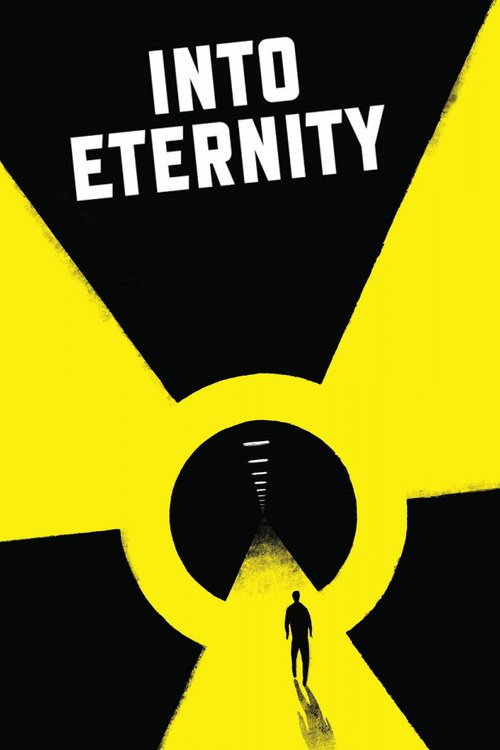
Into Eternity: A Film for the Future2010
A documentary about nuclear waste storage that shares Pompeii's fascination with how we leave messages for people who won't exist yet. Both grapple with permanence and catastrophe.
But Completely different medium and subject. The connection is philosophical rather than narrative, which isn't for everyone.
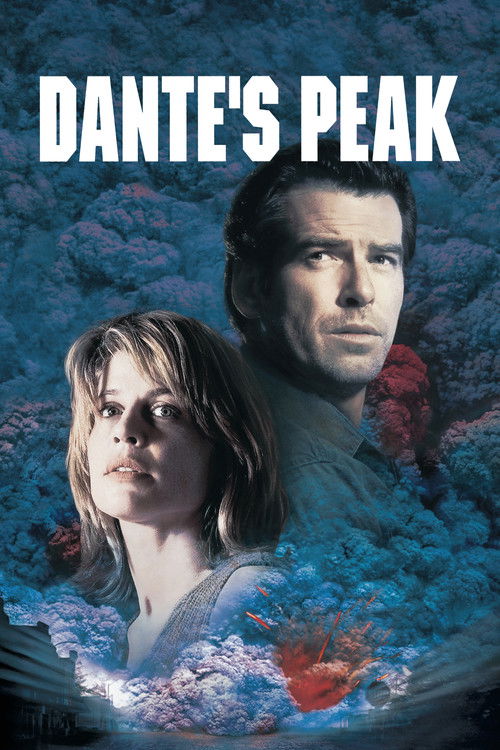
Dante's Peak1997
A volcanologist thriller that takes its subject seriously and builds genuine tension from geological knowledge. Pierce Brosnan against a mountain; it's smarter than it has any right to be.
But Pure Hollywood melodrama where Pompeii is tragedy. A very different emotional register—lighter, more romantic, less haunted.
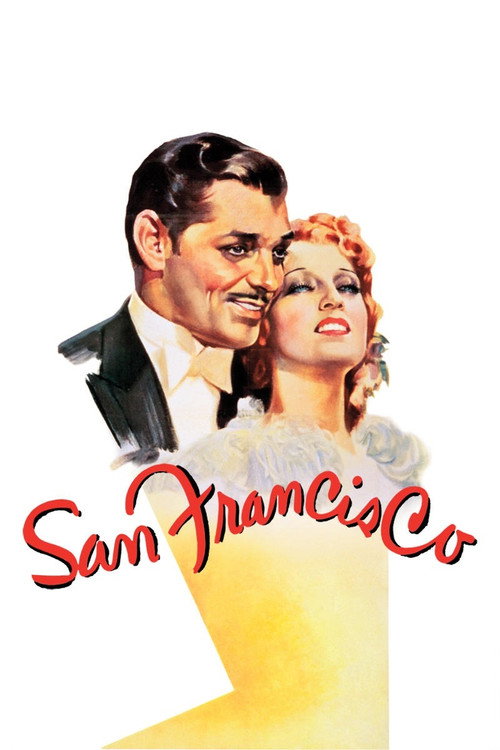
San Francisco1936
A 1936 disaster film where the 1906 earthquake replaces the volcano, but the structure—human lives interrupted by geology—is identical. Watch what 87 years of cinema has learned about the form.
But Black-and-white, theatrical acting, a morality tale wrapped around the spectacle. You're watching cinema history, not immediacy. It's measured where Pompeii is urgent.
Stalker1979
Both treat a place as haunted not by ghosts but by human meaning. Both ask what we project onto spaces marked by catastrophe. Both refuse easy resolution.
A Soviet science-fiction film about a guide leading travelers toward a mysterious room that grants wishes. Visually hypnotic and philosophically dense. The connection isn't plot—it's about how spaces hold history and human yearning, how the landscape itself becomes a character. Pompeii's buried city echoes in Stalker's contaminated zone.
But Deliberately paced (163 minutes), in Russian, with long shots of industrial landscape and railway. Tarkovsky requires patience as a price of admission. Nothing happens in the way you expect.

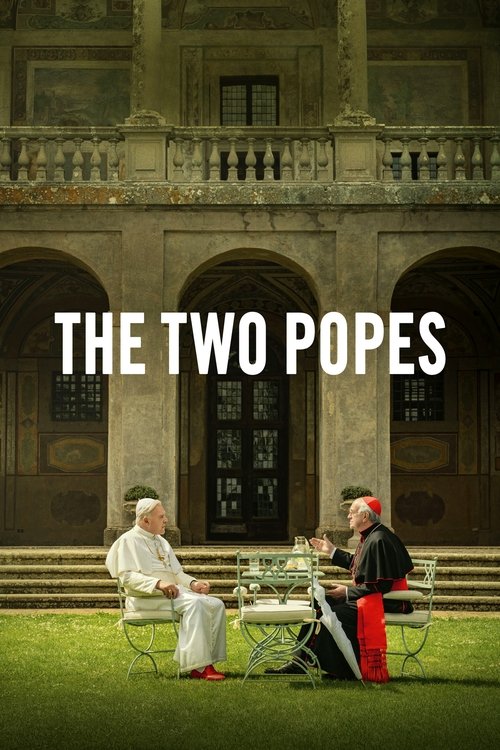
The Two Popes2019
Both dramatize the moment an institution or world becomes aware it's ending. Both ask what we owe to people trapped in systems larger than themselves. Both find humanity in the detail.
A chamber drama about two pontiffs—one old and entrenched, one young and reforming—meeting to negotiate the future of the Church. Sounds distant from Pompeii until you realize both are about institutions facing reckoning, about the weight of history on living people, about how the structures we build to last crumble anyway. It's intimate where Pompeii is epic, but the moral question is identical.
But Very talky, very interior. Dialogue-driven where Pompeii is event-driven. You must care about ecclesiastical politics and theological nuance, or it will feel like homework.
People
Cast
 Alisdair SimpsonNarrator (voice)
 Tim Pigott-SmithPliny the Elder
 Jim CarterPolybius
 Jonathan FirthStephanus
- Rebecca NortonFortunata
- Martin HodgsonGaius
 Robert WhitelockCeladus
- Rachel AtkinsPlinia
- Chad ShepherdAfricanus
- Chrissie CotterillEpidia
- Katharine WhitburnJulia
 Leigh JonesSabinus
Directing
- Peter NicholsonDirector
Writing
- Edward Canfor-DumasWriter
Production
- Ailsa OrrProducer
- Mark JohnstonProducer
- Sandra GorelProducer
Recommended by
A History of Ancient Britain, Time Life's Lost Civilizations, Pompeii: Life and Death in a Roman Town