
Film
Pompeii: Life and Death in a Roman Town
Mary Beard leads you through Pompeii not as a tomb but as a living city frozen in ash. This hour moves past the famous death casts to explore how ordinary Romans actually inhabited their streets, homes, and public spaces. It's intimate archaeology: what people ate, how they worked, where they gathered. Essential viewing for anyone curious about ancient Rome beyond the textbooks.
If you liked this
Civilisations2018
Simon Schama's sweeping exploration of how art reveals what societies value. Like Pompeii, it reads material culture as human story, moving fluidly between objects and the lives that made them.
But Nine hours is a commitment. The grand essay style won't appeal if you prefer narrative momentum over reflection.
Timewatch1982
Focuses on one Pompeian house with the obsessive detail Beard brings. A precursor to this approach: reading one structure as a whole world.
But 1990s documentary production values are dated. The pacing won't match modern archaeology TV.
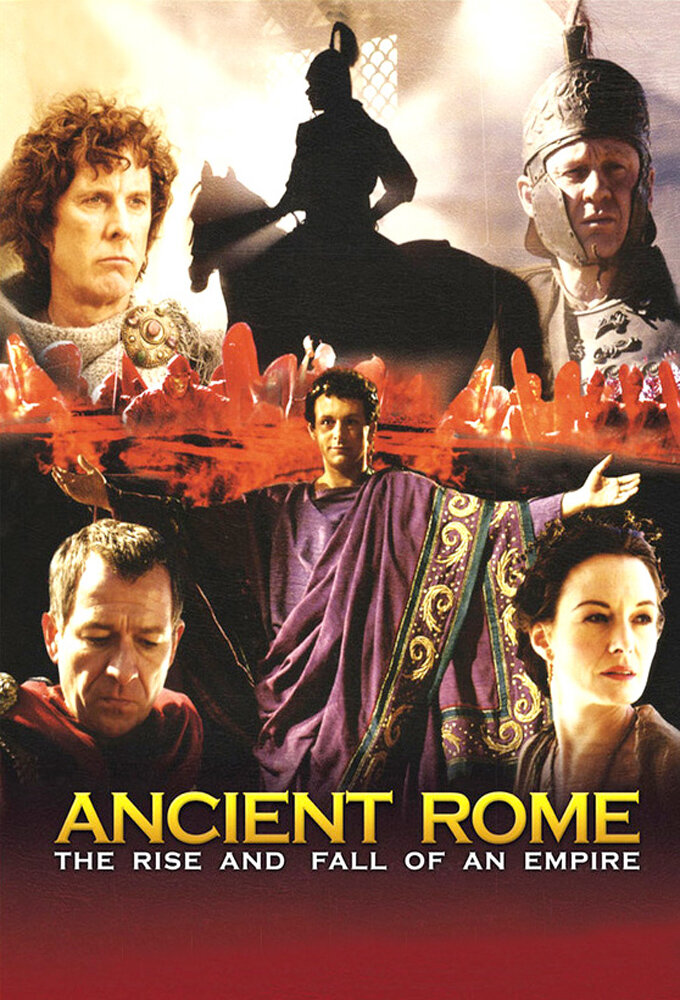
Ancient Rome: The Rise and Fall of an Empire2006
Dramatised sequences of Roman life alternate with scholarly explanation. If you want to see how Pompeians dressed and moved, not just hear about them, this adds visual dimension.
But The dramatisation can feel stiff and overlit. Some prefer pure archaeology to actor re-enactment.
Not sure tonight? Get a pick in a minute, starting from Pompeii: Life and Death in a Roman Town
The wildcard
Something you would not have found on your own.
The Leopard1963
Both explore how societies live in the shadow of inevitable change, and both understand that domestic spaces and material objects tell the truest stories about people.
Visconti's three-hour meditation on a Sicilian aristocrat watching his world die. Like Pompeii, it's about a society frozen at the moment of its transformation, read through rooms and objects and the lives that inhabited them. But it's fiction, which makes the emotional weight devastating.
But Slow, formal, in Italian. It's cinema as painting, not archaeology. If you want information, not contemplation, this will feel oblique and distant.

More like this (2)
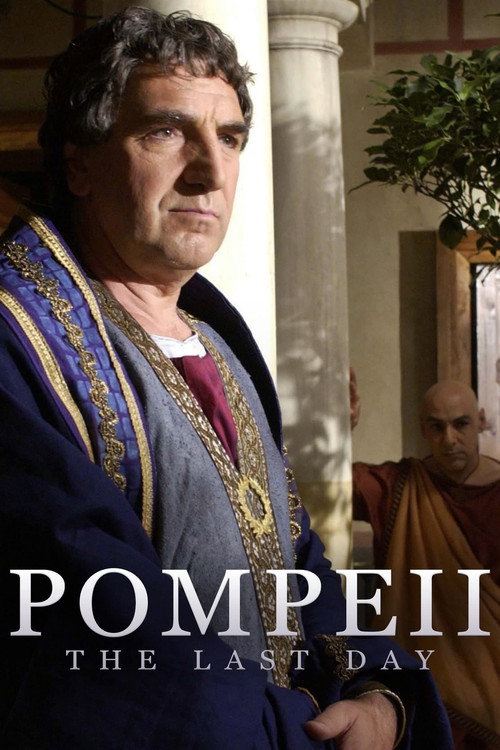
Pompeii: The Last Day2003
A dramatised account of the eruption itself, made with archaeological consultation. If you want to see those Pompeian lives from Beard's film actually living through their final hours.
But Heavy on disaster spectacle. The human stories can get lost in CGI and melodrama.
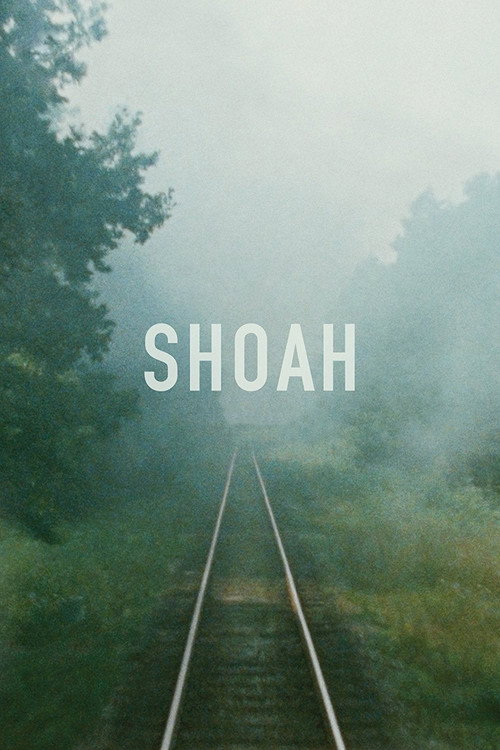
Shoah1985
Both are investigations of catastrophe through testimony and careful attention to place. Both refuse sentiment and insist on rigorous truth-telling about the impossible.
Lanzmann's nine-hour oral history refuses easy answers or archival safety. Like Beard, he interrogates how to know the dead and live with incompleteness. Both ask: what can we truly know about lives we'll never touch?
But Unbearably difficult viewing. The subject matter is unrelenting grief and atrocity. This is archaeological method applied to trauma.
People
Cast
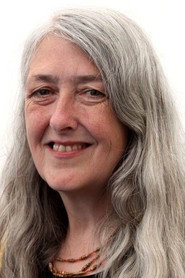 Mary BeardHerself - Presenter
- Fabian KanzHimself
- Mattia BuondonnoHimself
- Andrew Wallace-HadrillHimself
Directing
- Paul ElstonDirector
Writing
- Paul ElstonWriter
Production
- Daisy ScalchiCo-Producer
- Cassian HarrisonExecutive Producer
- Richard BradleyExecutive Producer
- Paul ElstonProducer