
Television series
Timewatch
- Dip in and out
Timewatch is a landmark BBC documentary series that treats history not as settled fact but as active investigation. Each hour-long episode pursues a specific mystery—what really happened, why accounts differ, what evidence survives—with the rigour of detective work. It's for anyone who thinks history is more interesting when you're allowed to doubt it.
Should you watch it?
Watch it if you enjoy history as a slow mystery, the kind of patient, evidence-led investigation that unpicks one puzzle rather than dramatising the past.
Skip it if you want dramatised reconstructions, a charismatic host, or a quick watch, since each entry runs a full hour and the run is enormous.
What it asks of you: Each sitting is a full hour, and with 33 seasons it rewards dipping in and out rather than a binge; expect a measured, unhurried pace and close attention to argument.
Not sure? Find tonight's pick in a minute.
If you liked this
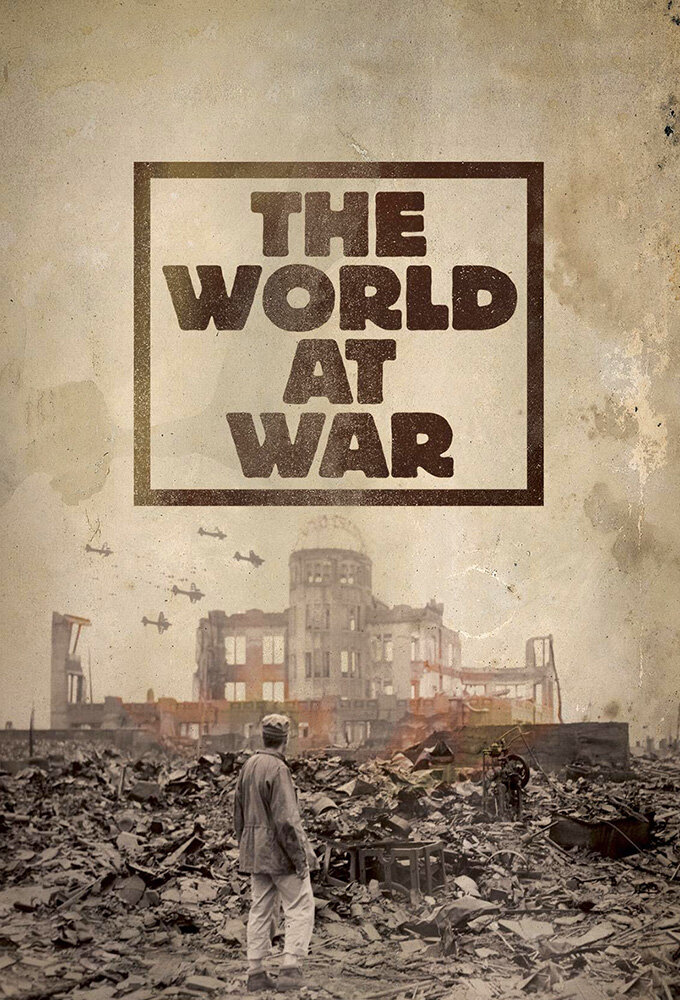
The World at War1973
The definitive World War II documentary series, told through interviews with those who lived it. Combines official archives with human testimony to create an almost overwhelming sense of immediacy and consequence.
But Nearly 40 hours long, and some episodes wade through military strategy in ways that tax patience. The older colour correction can feel murky.
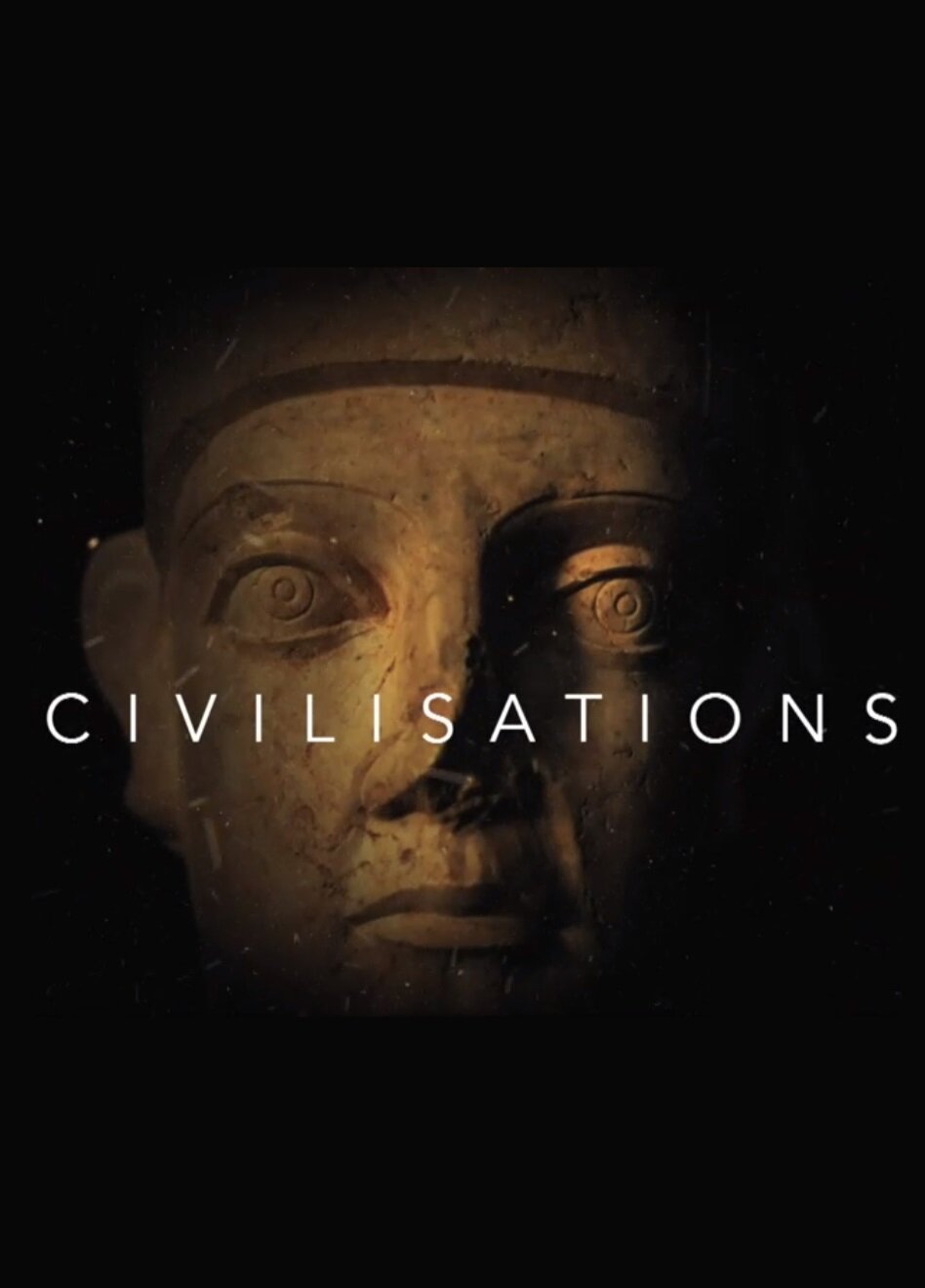
Civilisations2018
A fresh reconsideration of how art and culture developed across the world, moving away from the old Western-centric canon. Beautifully shot, genuinely curious about what we've missed or misunderstood.
But The expansiveness sometimes sacrifices depth. Some episodes skim continents in 60 minutes, which can feel glib.
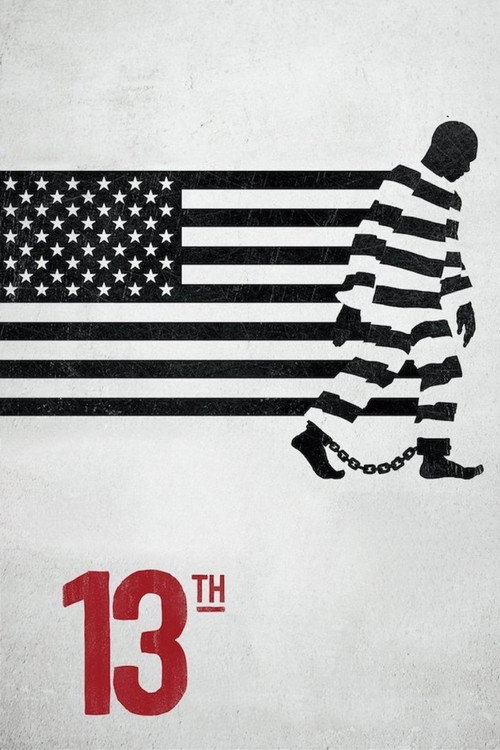
13th2016
Ava DuVernay investigates the American criminal justice system through the lens of the 13th Amendment, connecting slavery to mass incarceration. Urgent, furious, and constructed like an argument you can't shake.
But It's a polemic, not a neutral analysis. The editing is deliberately visceral in ways some find manipulative.
Not sure tonight? Get a pick in a minute, starting from Timewatch
The wildcard
Something you would not have found on your own.
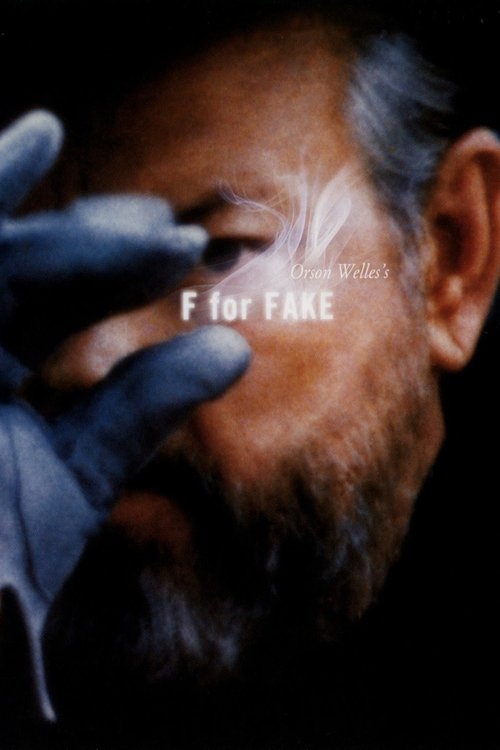
F for Fake1973
Both are obsessed with how we separate fact from fiction, and both use rigorous investigation to reveal how uncertain that boundary really is.
Orson Welles deconstructs documentary itself, investigating art forgery and whether documentaries show truth or illusion. It's a film about how we know what we know, told with magic-show panache.
But Deliberately disorienting. Welles refuses clarity; the form itself is the argument. Some viewers find it pretentious rather than playful.
More like this (6)
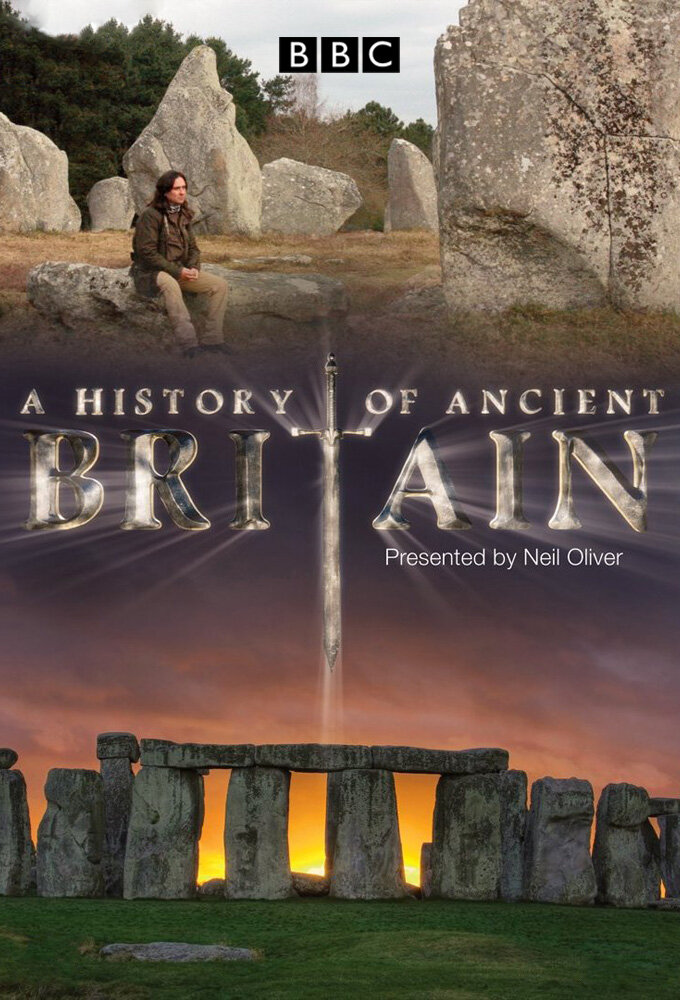
A History of Ancient Britain2011
Simon Schama's three-part reappraisal treats Britain's past not as a parade of inevitability but as a series of near-misses and contingencies. Energetic and genuinely revisionist without being flippant.
But Schama's personality dominates; you're essentially getting his view, and not everyone finds his certainty charming.
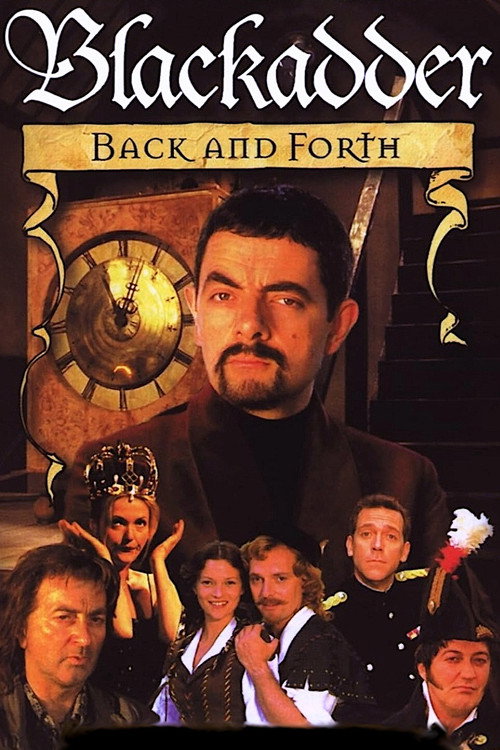
Blackadder: Back & Forth1999
A comedy special that plays with historical accuracy for laughs, using time travel to visit famous British moments. If you want history with genuine wit rather than reverence.
But Entirely British comedy sensibility. Sketchy and silly in ways that can feel slight compared to serious documentaries.
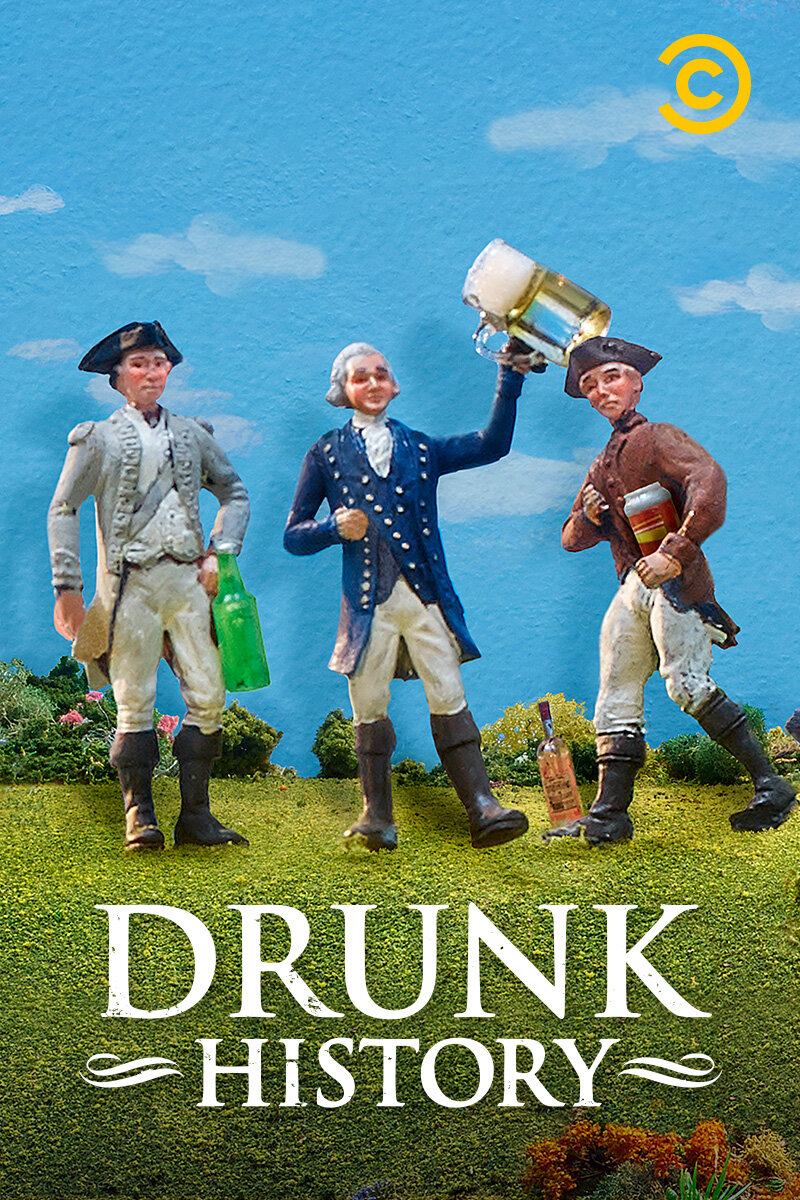
Drunk History2013
Comedians get progressively drunk while recounting real historical events, which are then re-enacted by actors. History as chaos and farce, which is honest about how much we actually understand.
But The premise wears thin. After a few episodes, it's the same joke. Some find it too arch about serious subjects.
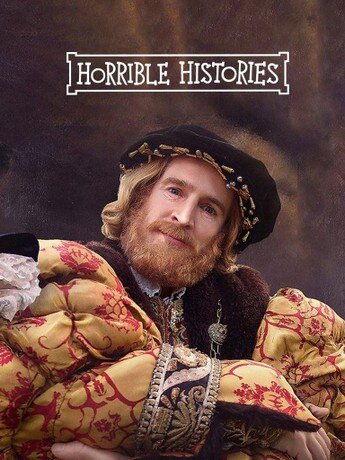
Horrible Histories2009
A sketch show that teaches actual history through comedy, music and absurdist performance. Genuinely educational and often hilarious, with impressive attention to historical accuracy.
But Aimed at children, so the tone is relentlessly jolly. Some adults find the energy exhausting rather than charming.
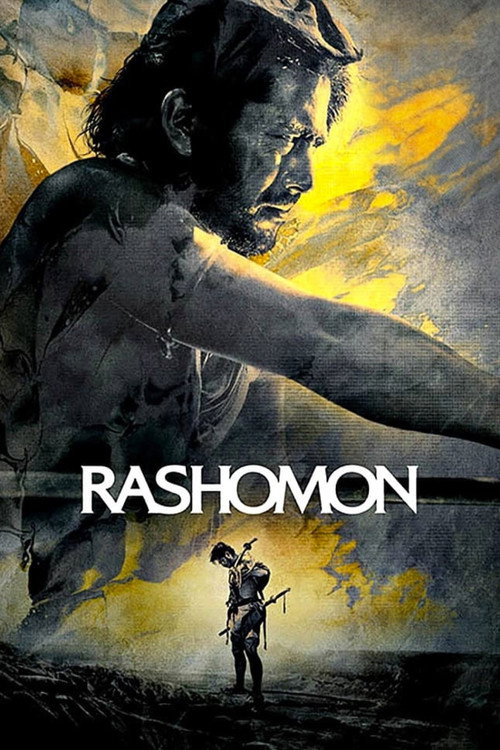
Rashomon1950
Like Timewatch, it treats history as contested—multiple witnesses, multiple truths, no final authority. Both ask: who gets to decide what really happened?
Kurosawa's masterpiece shows the same crime from four contradictory perspectives, each seemingly true. A profound meditation on whether objective truth exists, disguised as a samurai drama.
But Demands active interpretation from you. No narrator arrives to tell you what happened. Some find the ambiguity frustrating rather than fascinating.
The Act of Killing2012
Both use documentary to investigate atrocity when normal testimony fails, and both understand that how a story is told determines what we believe about it.
Joshua Oppenheimer films Indonesian death-squad leaders recreating their own killings in self-mythologising genre pastiche, then asks them to imagine how victims experienced it. Conceptually audacious and morally complex.
But Extraordinarily difficult. Watching perpetrators perform their crimes for the camera, even fictionally, is nauseating by design. The ethics are deliberately uncomfortable.

Recommended by
Walking Through History, Pompeii: Life and Death in a Roman Town