
Film
Into Eternity: A Film for the Future
- Horror
- Very dark
- Slow-burning
Into Eternity documents Finland's construction of Onkalo, a deep underground repository designed to safely contain nuclear waste for 100,000 years. Meditative and architecturally stunning, it's a philosophical film disguised as infrastructure documentation, asking urgent questions about our obligations to distant futures. For anyone grappling with climate, technology, and what we leave behind.
If you liked this
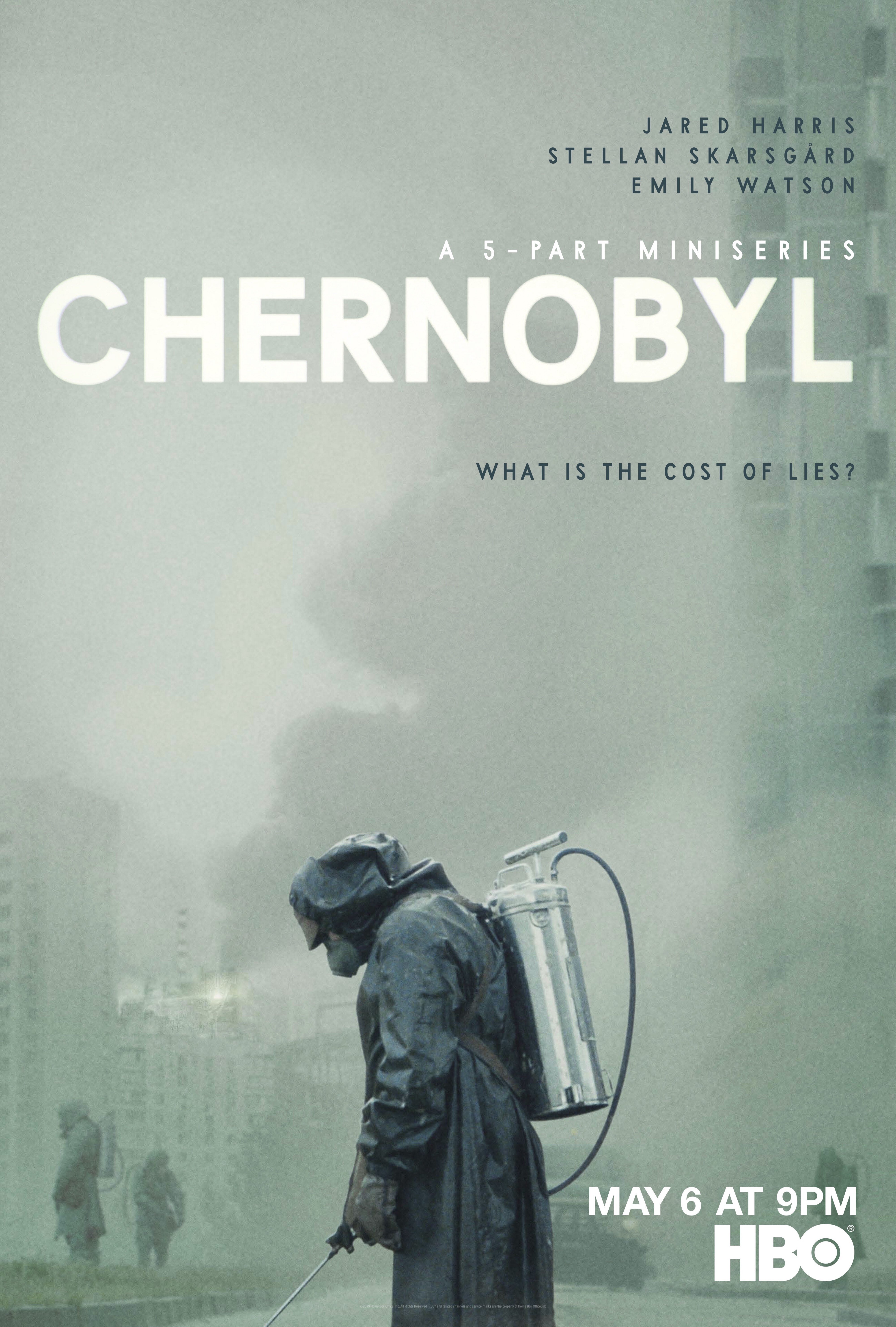
Chernobyl2019
HBO's five-part series examines catastrophic failure with clinical precision and moral weight. Essential viewing for understanding what happens when nuclear safety systems fail and why Onkalo's 100,000-year vision matters.
But Relentlessly bleak. The horror accumulates across episodes rather than resolving, which some find exhausting rather than illuminating.
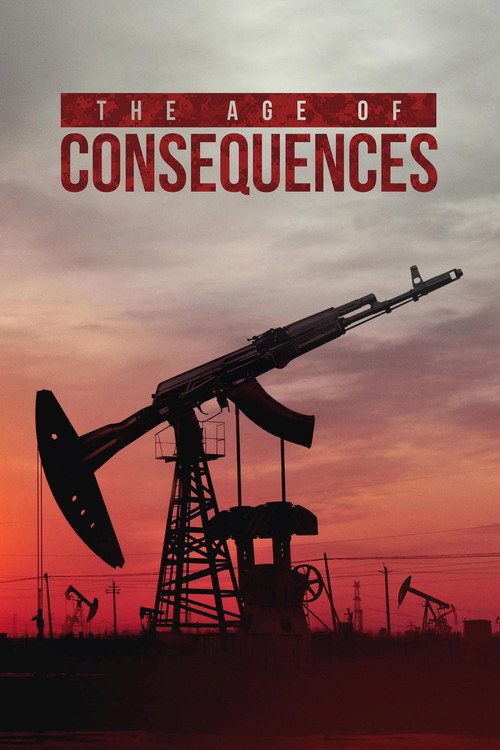
The Age of Consequences2016
Documentary exploring how climate change drives geopolitical instability. Pairs perfectly with Onkalo's meditation on intergenerational responsibility and the long view of human survival.
But Sometimes feels didactic rather than exploratory. Not all arguments land with equal force.
The Last Breath2014
Explores deep-sea mining, another attempt to solve contemporary resource problems by pushing consequences into the future. Thematically mirrors Onkalo's core anxiety about inherited problems.
But Slower-paced and more contemplative than urgently gripping. Requires comfort with ambiguity.
Not sure tonight? Get a pick in a minute, starting from Into Eternity: A Film for the Future
The wildcard
Something you would not have found on your own.
Stalker1979
Both films treat time as a landscape and ask what we owe to futures we'll never see. Tarkovsky's Zone is an imagined sacred space; Onkalo is a real one. Both suggest technology and philosophy cannot be separated.
Tarkovsky's philosophical science fiction follows characters journeying into a mysterious zone toward a wish-granting room. A profound meditation on desire, time, and the unknowable future that speaks directly to Onkalo's themes through pure cinema rather than argument.
But 163 minutes of deliberate pacing and minimal plot. Watching it feels like an endurance test until it suddenly becomes transcendent—and you have to be willing to get there.

More like this (5)
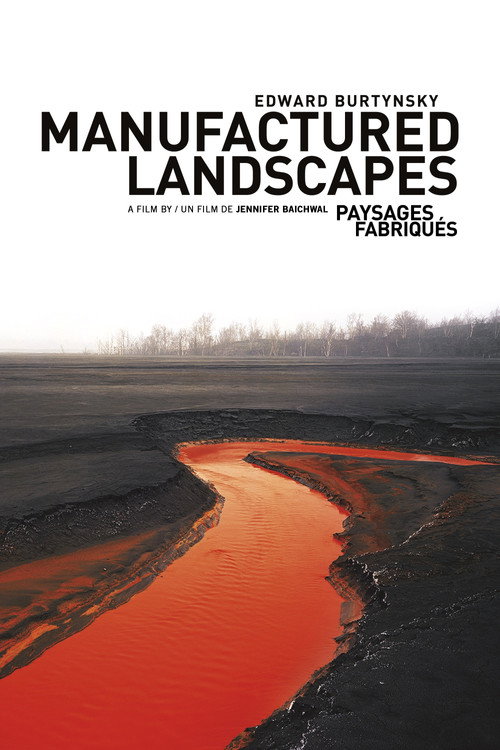
Manufactured Landscapes2006
Tracks the environmental aftermath of industrial production through visual poetry. Like Onkalo, it treats landscapes of human infrastructure as philosophical statements rather than mere documentation.
But Long tracking shots and minimal narration. Some viewers find the pacing hypnotic; others find it ponderous.
The Oil Factor: Behind the War on Terror2005
Examines how resource extraction shapes global conflict, offering context for why we pursue nuclear power and what the real costs of our energy choices are.
But Dated visually and somewhat polemical. The argumentation occasionally oversimplifies complex geopolitics.
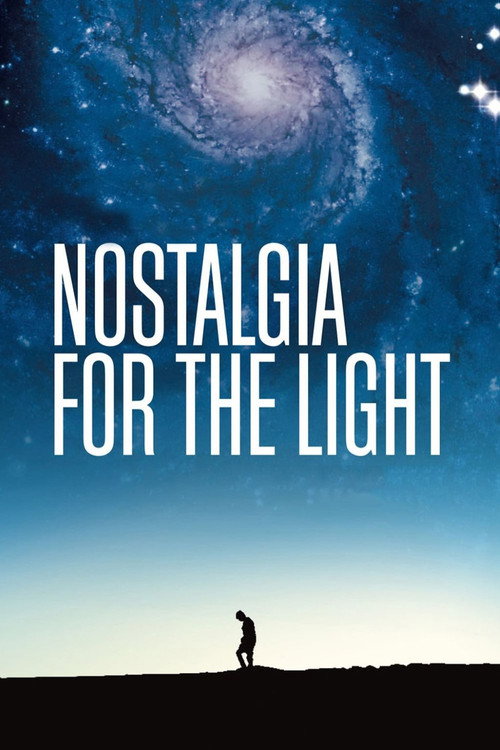
Nostalgia for the Light2010
Chilean documentary contemplating time, memory, and human insignificance through astronomy and archaeology. Shares Onkalo's meditation on deep time and our small place in it.
But Dreamlike and elliptical. Those wanting linear narrative or clear arguments will feel adrift.
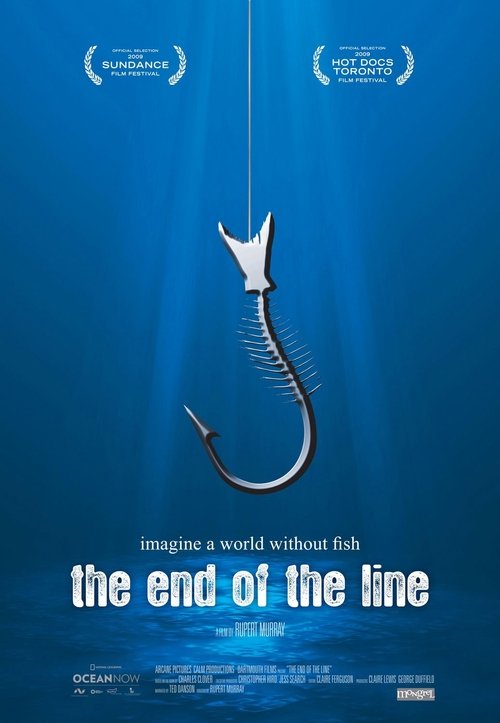
The End of the Line2009
Documents overfishing and ocean collapse with both urgency and nuance. Another meditation on how present convenience creates future catastrophe, mirroring Onkalo's central moral question.
But Can feel like environmental documentary by committee. Some sequences settle into familiar advocacy rhythms.
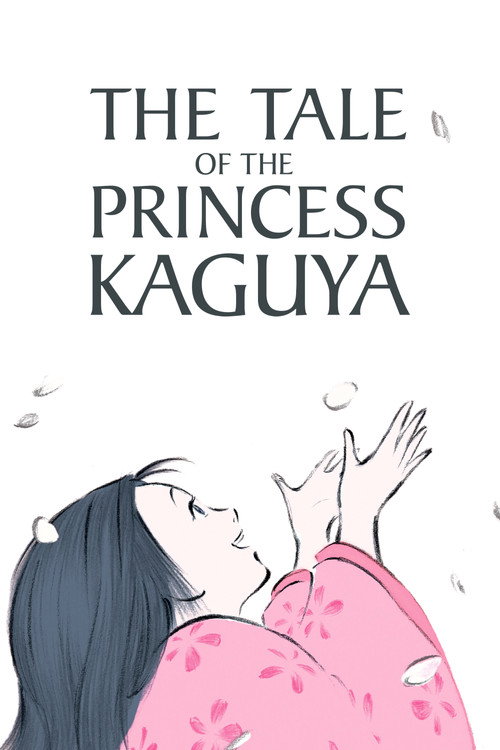
The Tale of The Princess Kaguya2013
Where Onkalo asks what we owe the future, Kaguya asks what the past demands of us. Both treat time non-linearly and find beauty in accepting what we cannot control or keep.
Takahata's animated masterpiece tells a Japanese folktale about a princess who must return to the moon, exploring themes of mortality, obligation, and the weight of the past on the present with devastating grace.
But Animation might suggest lightness; this is profoundly melancholic. Also three hours of deliberate storytelling that resists Western narrative pacing.
People
Cast
Directing
- Michael MadsenDirector
Writing
- Jesper BergmanWriter
- Michael MadsenWriter