
Film
The Oil Factor: Behind the War on Terror
A 2005 documentary that argues for a direct line between American oil interests and post-9/11 military intervention. Using on-the-ground footage from Iraq, Afghanistan, and Pakistan alongside interviews with geopolitical analysts, it constructs a case for economic motivations behind the War on Terror. Polemical, thorough, and unapologetically left-leaning—made for viewers ready to interrogate official narratives.
If you liked this
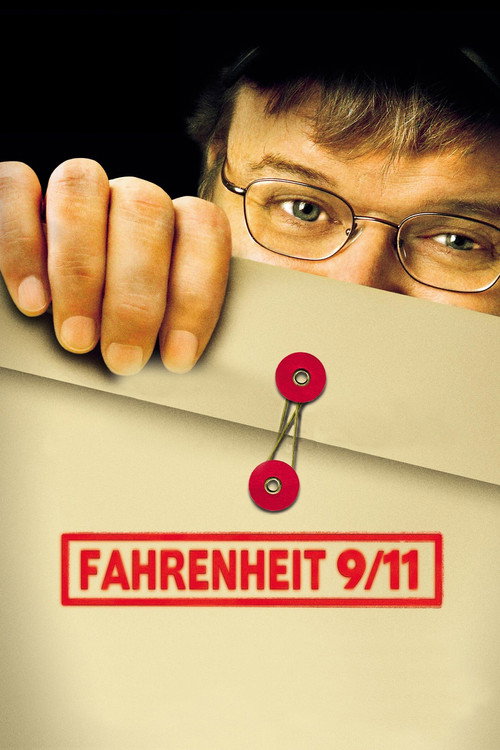
Fahrenheit 9/112004
Michael Moore's incendiary documentary makes the case that the Bush administration lied about WMDs to serve business interests. Shares the same investigative anger and willingness to follow money rather than official scripts.
But Moore's style is deliberately provocative and sometimes editorializes where argument would be stronger. Some sequences feel designed to outrage rather than convince.
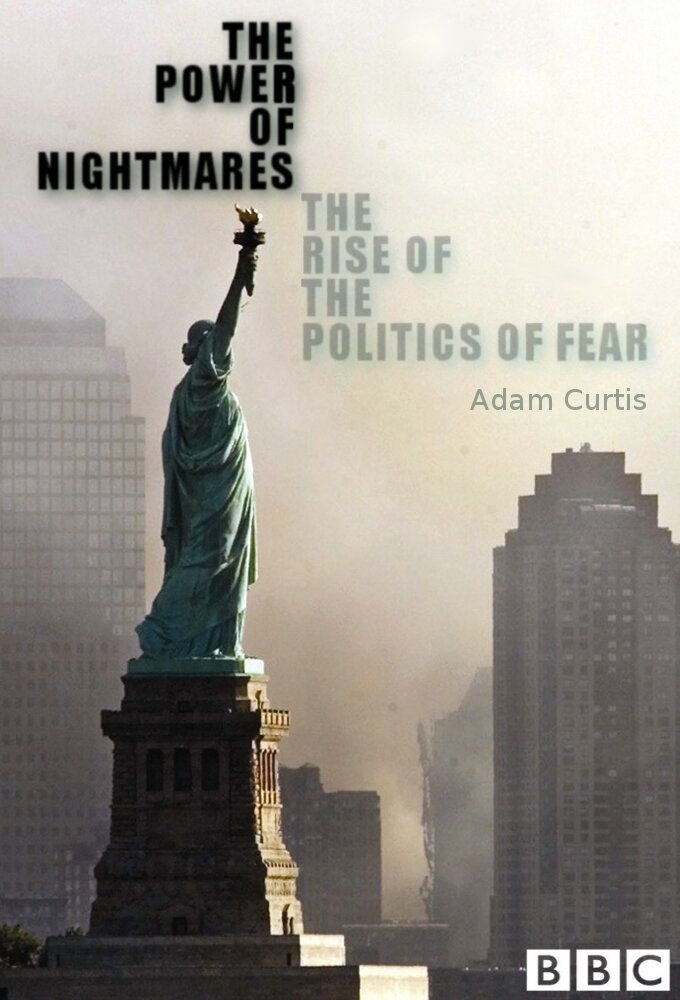
The Power of Nightmares: The Rise of the Politics of Fear2004
Adam Curtis traces how both neoconservatives and Islamists weaponized fear after the Cold War. Uses archive footage brilliantly to show how terror was manufactured as political tool, complementing *Oil Factor*'s economic thesis.
But Curtis's elliptical editing style confuses some viewers. You need to sit with the connections rather than having them spelled out.
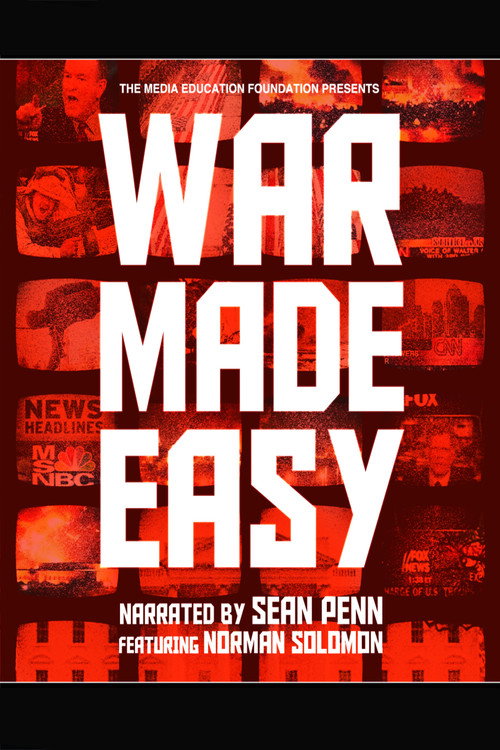
War Made Easy2007
Based on Norman Solomon's book, it dissects how the media enabled the Iraq War through propaganda and selective truth-telling. Directly examines the information landscape that allowed *Oil Factor*'s critiques to be sidelined.
But Recycled news footage can feel repetitive. The arguments, while sound, don't push beyond what engaged viewers already suspect.
Not sure tonight? Get a pick in a minute, starting from The Oil Factor: Behind the War on Terror
The wildcard
Something you would not have found on your own.
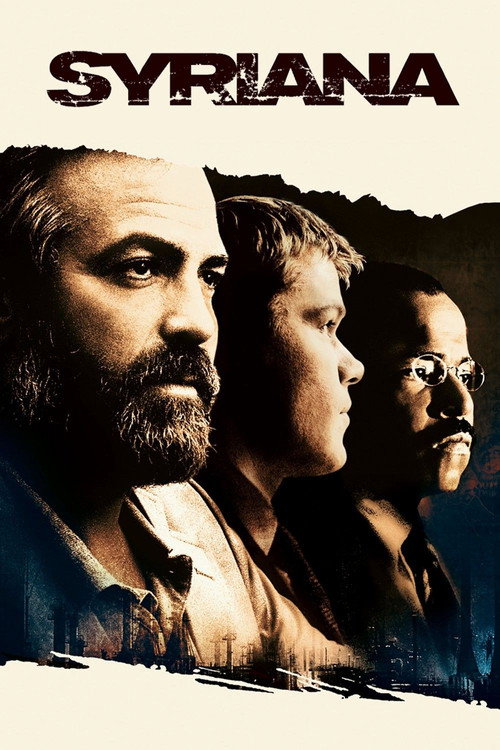
Syriana2005
Both made in 2005, both argue that oil and geopolitical positioning, not terrorism, are the real drivers of American Middle East policy. *Syriana* gives narrative flesh to *Oil Factor*'s skeleton argument.
A narrative film (not documentary) that dramatizes exactly what *Oil Factor* argues in essay form—CIA operatives, oil cartels, and Middle Eastern politics colliding in dark, interconnected ways. Shows you the human texture of the abstract forces the documentary outlines.
But Convoluted plot with multiple timelines and overlapping characters makes it genuinely hard to follow. George Clooney's role is small. Some viewers find the complexity frustrating rather than intellectually engaging.
More like this (5)
Better Late Than Never2016
Adam Curtis again, this time tracing CIA involvement in Afghanistan across decades. Dense but hypnotic archive work showing how American power projection in the region predates 9/11 by half a century.
But Genuinely difficult to follow on first watch. Requires engagement and note-taking to track Curtis's associative logic.
Why We Fight2005
Eugene Jarecki interviews military and political insiders about the military-industrial complex. Released the same year as *Oil Factor*, it reaches similar conclusions through more establishment voices and less confrontational tone.
But Slower burn than *Oil Factor*. The observational approach feels less urgent than direct argument, which some find more credible and others find evasive.
The Corporation2003
A sprawling documentary treating the corporation as a psychological entity, examining its pathology and influence on policy. Provides theoretical framework for understanding how *Oil Factor*'s corporate interests actually shape geopolitics.
But Nearly two and a half hours, essayistic, sometimes repetitive. Can feel like a university lecture rather than cinema.
All the President's Men1976
Shared DNA: both believe that American institutions sometimes serve power over truth, and that sustained questioning is the corrective. *All the President's Men* is the optimistic version—the system worked. *Oil Factor* asks: does it anymore?
Procedural about two journalists uncovering Watergate. Fundamentally about how power conceals truth and how ordinary investigation exposes it. *Oil Factor* operates from the same belief: if you follow the money and ask the right questions, the lie collapses.
But Set in the 1970s and structured like a political thriller rather than polemic. If you want contemporary argument, this historical film removes you from it. Quite slow.
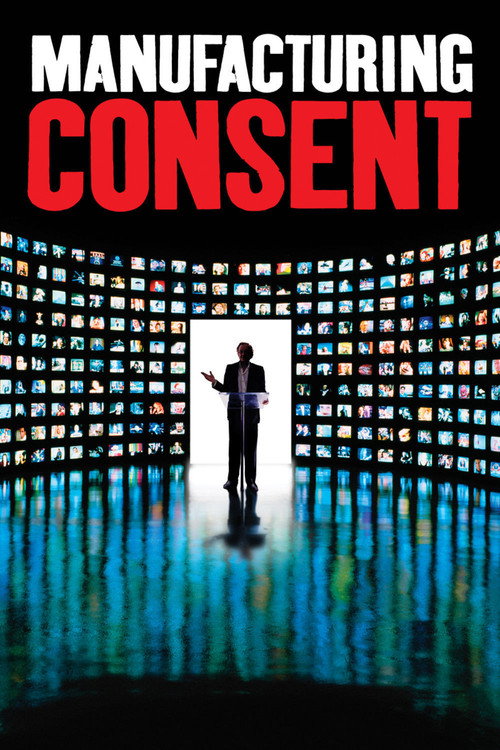
Manufacturing Consent: Noam Chomsky and the Media1992
Chomsky is a primary voice in *Oil Factor* arguing that geopolitical intervention serves capital. This film explains his actual theory and method, making *Oil Factor*'s references to propaganda and manufactured consent tangible and rigorous.
A documentary about Noam Chomsky (who appears in *Oil Factor*) and his theory that media manufactures consent for state and corporate power. Essential theoretical companion to *Oil Factor*—the why behind the documentary's claims about how the public was sold the war.
But Made in 1992, so dated visually. Chomsky is charismatic but dense; the film moves at his pace, which is glacial. You need to think hard and concentrate throughout.
People
Cast
 Ed AsnerHimself
- Michael RuppertHimself
Directing
- Audrey BrohyDirector
- Gerard UngermanDirector
Writing
- Audrey BrohyWriter
- Gerard UngermanWriter