
Film
The Age of Consequences
- Very dark
A bracing documentary that treats climate change as a national security crisis rather than an environmental one. Structured around military and intelligence perspectives, it connects rising temperatures to refugee crises, resource wars, and state collapse. For viewers who find traditional climate advocacy ineffective, this reframes the conversation through geopolitics and hard power—making an abstract threat concrete and urgent.
Should you watch it?
Watch it if you want a policy-minded documentary that treats climate change as a security problem, with the sober briefing-room logic of a thriller rather than a nature-film lament.
Skip it if you need a story with people to follow, because this is mostly argument and grim projection, and its eighty minutes can feel like a lecture at times.
What it asks of you: Eighty minutes of dense, unbroken information, the mood anxious and steady throughout, and it asks you to follow the reasoning closely rather than be moved by it.
Not sure? Find tonight's pick in a minute.
If you liked this
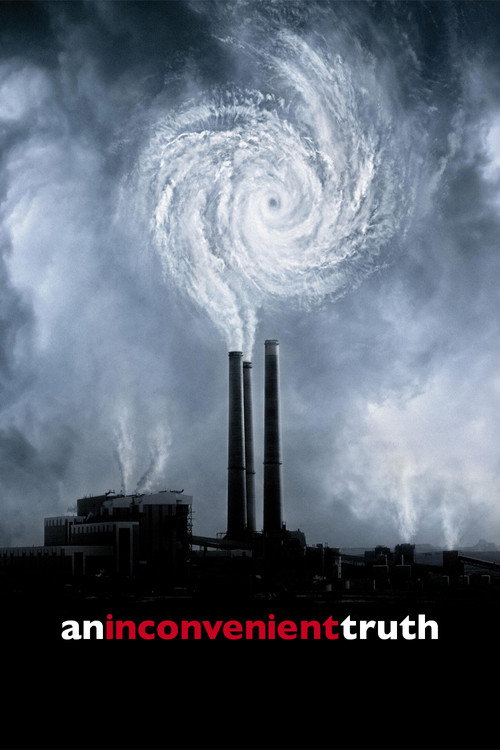
An Inconvenient Truth2006
Al Gore's foundational climate doc remains the most accessible entry point. Clear, visually compelling, and it establishes the scientific baseline that Age of Consequences builds its security argument upon.
But Feels dated now, and Gore's speaking style won't convince anyone who isn't already sympathetic. The solutions offered feel incremental against the scale of the problem.
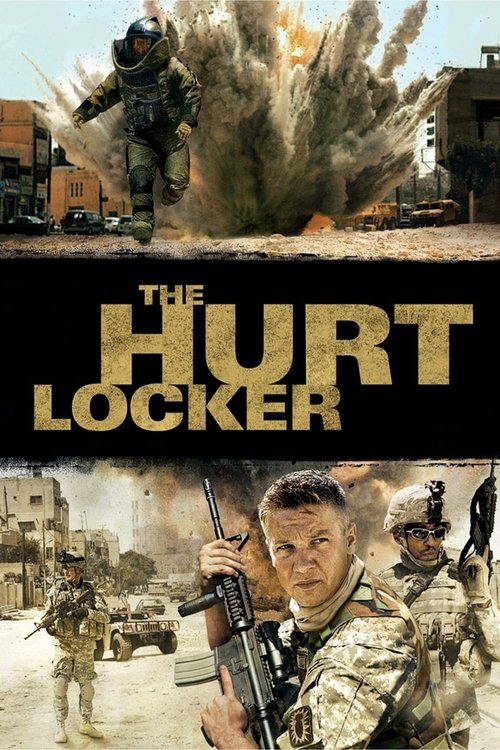
The Hurt Locker2008
Tense, procedurally focused war film that shares Age's interest in military decision-making under impossible conditions. If you want that same claustrophobic pressure applied to a different crisis.
But Fictional drama rather than documentary. Also, it won Best Picture over Avatar and that fight still isn't settled; some will dismiss it on principle.
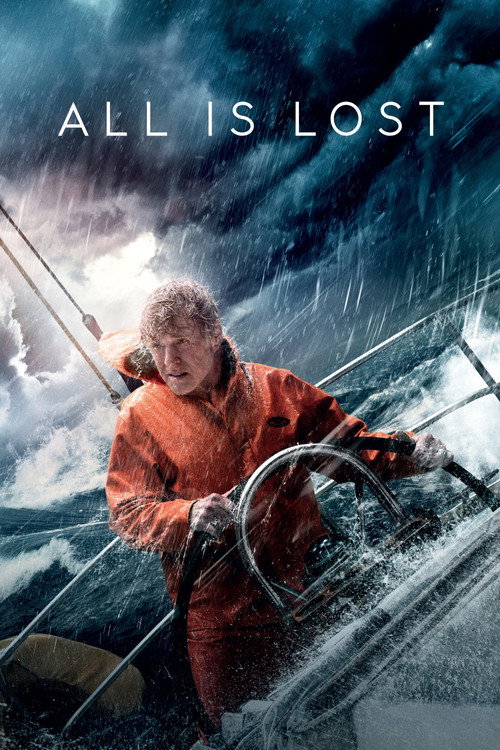
All Is Lost2013
A man alone against resource scarcity and environmental hostility. No dialogue, no explanation—just problem-solving and desperation. Captures the mood of Age of Consequences but compressed into pure survival.
But Deliberately stripped-down and abstract. If you need plot momentum or emotional arcs, this will feel glacial and empty.
Not sure tonight? Get a pick in a minute, starting from The Age of Consequences
The wildcard
Something you would not have found on your own.
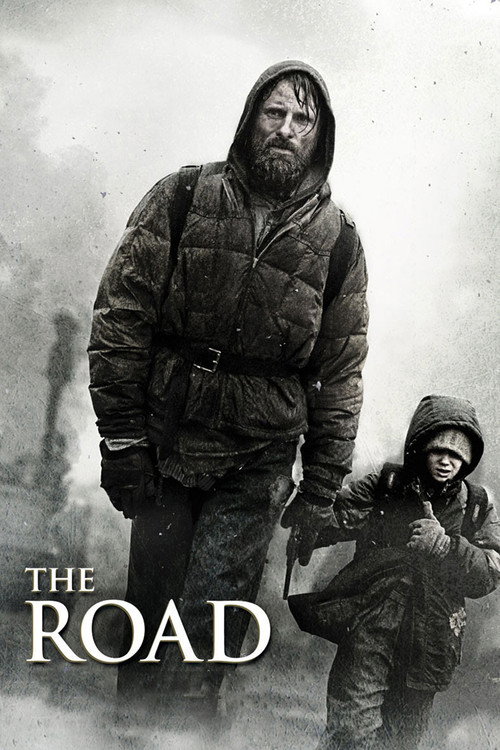
The Road2009
Both present resource scarcity and environmental catastrophe not as policy problems but as defining conditions of human existence. Age asks how governments respond; The Road asks how people endure.
Cormac McCarthy's post-apocalyptic vision adapted faithfully. Watches like a grief documentary about a world after collapse. No politics, no solutions—just the texture of survival in resource scarcity. The mood is Age of Consequences taken to its absolute end.
But Relentlessly bleak, with a father-son dynamic that's emotionally devastating. Not hopeful. Not even intellectually interesting—just dreadful. Watch it only if you can sit with that.
More like this (8)
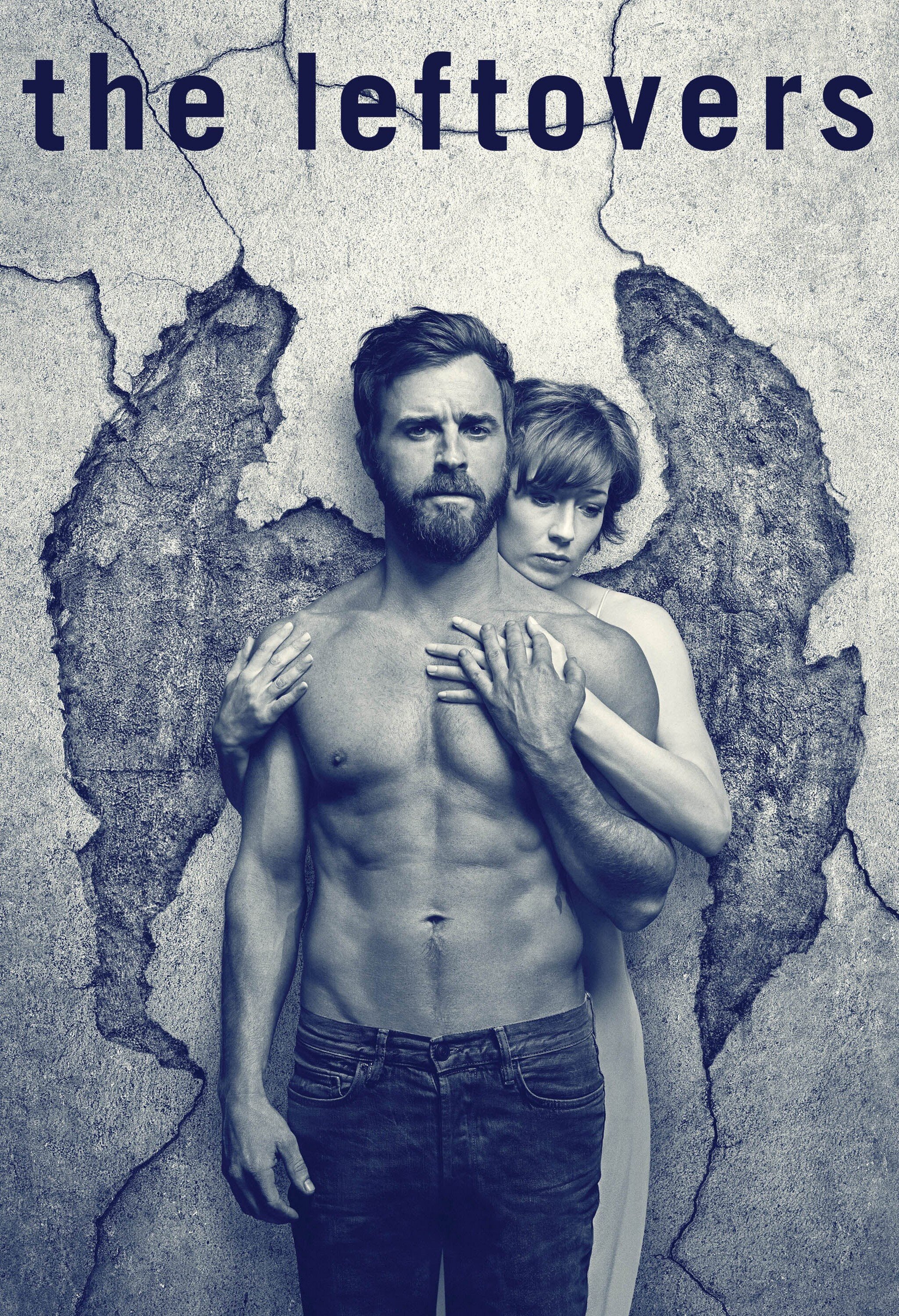
The Leftovers2014
Explores societal collapse after a mysterious mass disappearance. Uses that premise to investigate migration, resource allocation, governance failure—the same anxieties as Age, but through speculative fiction.
But Demands three seasons of investment and gets increasingly abstract and spiritual. The payoff is earned but not guaranteed to satisfy.
Our Planet2019
David Attenborough's mammoth series connects climate change to ecosystem collapse and human dependence. Visually gorgeous where Age is stark, but covers similar ground with urgency.
But Netflix production values can feel like comfort food. It's less confrontational about the consequences than Age—more mournful than alarmed.

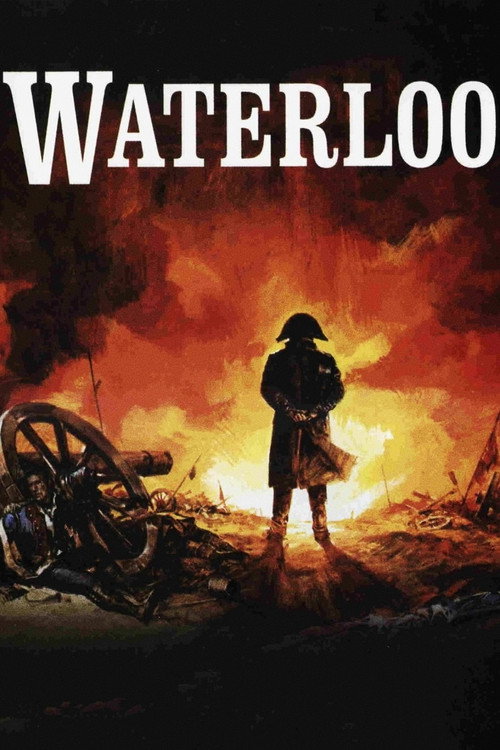
Waterloo1970
Documentary about water scarcity in the American West. Focuses on the same resource-competition themes but zoomed into a manageable regional case study. Excellent pacing and clarity.
But Less ambitious in scope than Age. Won't stick with you the way a larger geopolitical argument might; feels more like local journalism.
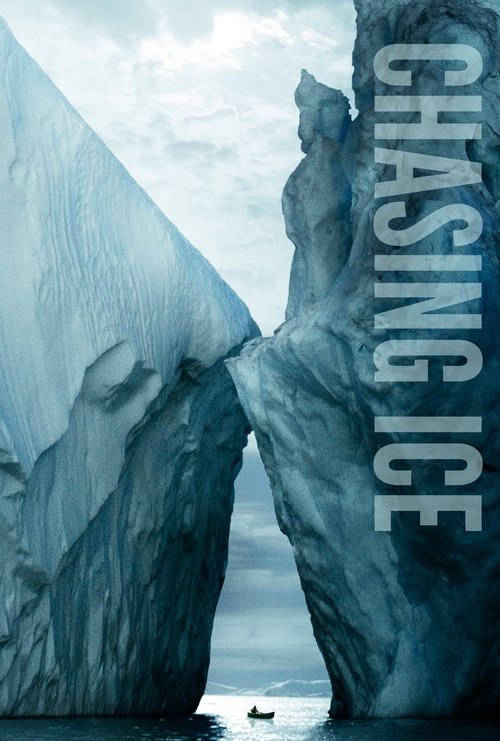
Chasing Ice2012
Photographer James Balog documents glacial collapse. Visual evidence of climate effects in real time. If you respond better to images than arguments, this is essential.
But Relies heavily on the emotional power of time-lapse footage. Once you've seen the glaciers vanish, the film doesn't have much else to say.
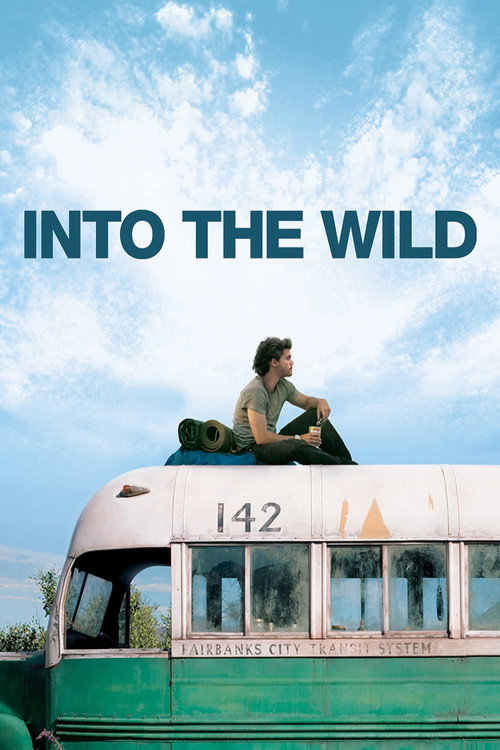
Into the Wild2007
Not overtly about climate, but explores human relationship to scarcity, nature, and resource limits. Complements Age's premise by examining the philosophical and psychological dimensions.
But It's a tragedy about a privileged young man who dies in the wilderness. Some read it as naïve or self-indulgent rather than cautionary.
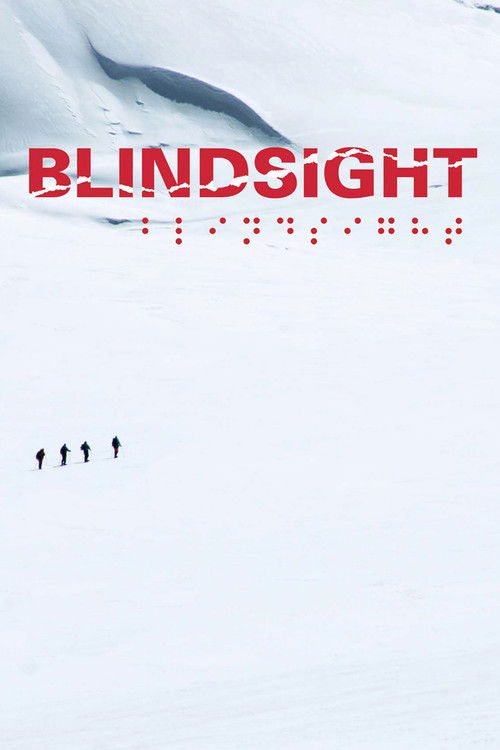
Blindsight2006
Canadian science fiction about a space mission to investigate an alien presence. Cerebral, strange, explores whether survival instinct and intelligence are compatible—thematically aligned with Age's dark premise.
But Visually cheap and philosophically dense. Feels more like an intellectual exercise than entertainment. Obscure even among sci-fi fans.
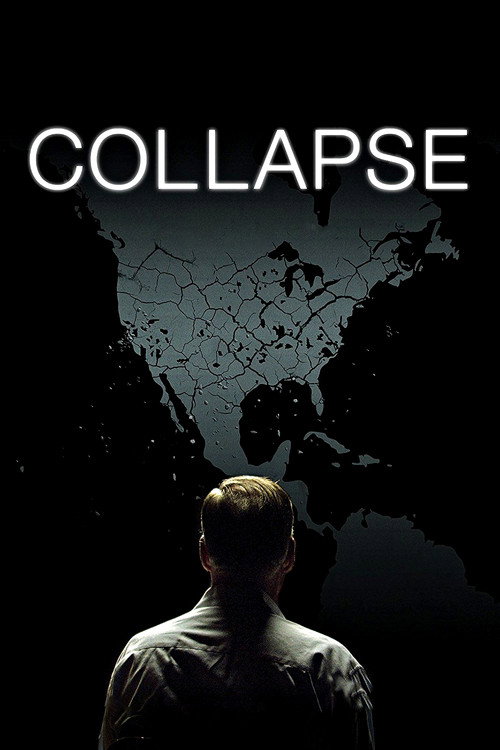
Collapse2009
Both treat the present as a crime scene and the future as evidence. Same intellectual scaffolding, wildly different temperament—one is Pentagon briefing, the other is whistleblower testimony.
Michael Ruppert in a single-camera monologue about resource depletion, peak oil, and systemic failure. Filmed like a man testifying. Obsessive, furious, structured as argument rather than narrative. If Age felt too measured, this is the unhinged version.
But A talking head for 80 minutes. No production value. Ruppert's credibility was later complicated. The apocalyptic certainty can feel dogmatic rather than analytical.
Stalker1979
Age of Consequences asks: what do nations do when resources vanish? Stalker asks: what do people do when their deepest desire becomes possible? Both are about scarcity reshaping human behavior—one geopolitical, one spiritual.
Tarkovsky's science fiction about a man guiding strangers through a mysterious zone toward a room that grants wishes. Slow, philosophical, meditative. Treats resource scarcity and human desire as metaphysical questions rather than logistical ones. Shot in a decaying Soviet Union, it feels like documentary realism applied to existential stakes.
But Extremely slow. No plot payoff. Requires patience bordering on faith. The sound design is deliberately harsh. Some will find it pretentious; others will find it transcendent; most will find it exhausting.

People
Directing
- Jared P. ScottDirector
Writing
- Jared P. ScottWriter
Recommended by
Years of Living Dangerously, The 11th Hour, Youth Unstoppable, A Fierce Green Fire, Into Eternity: A Film for the Future