
Television series
Years of Living Dangerously
- Dip in and out
Years of Living Dangerously pairs A-list celebrities and journalists with frontline climate stories—hurricanes, droughts, vanishing ecosystems—told with cinematic ambition. It's urgent and accessible, designed to move as much as inform. For viewers who want climate change made concrete and human-scaled, not abstract.
Should you watch it?
Watch it if you want the climate case made on location, through families in flooded towns and drought-hit fields, with correspondents who learn as they go rather than lecture.
Skip it if you want a neutral explainer, since this is openly advocacy dressed in celebrity glamour, and its emotional, glossy tone can feel insistent over an hour an episode.
What it asks of you: Settle in for hour-long episodes across seventeen parts over two seasons, with stories that move between continents and a steady pace returning to people's lives rather than statistics.
Not sure? Find tonight's pick in a minute.
If you liked this
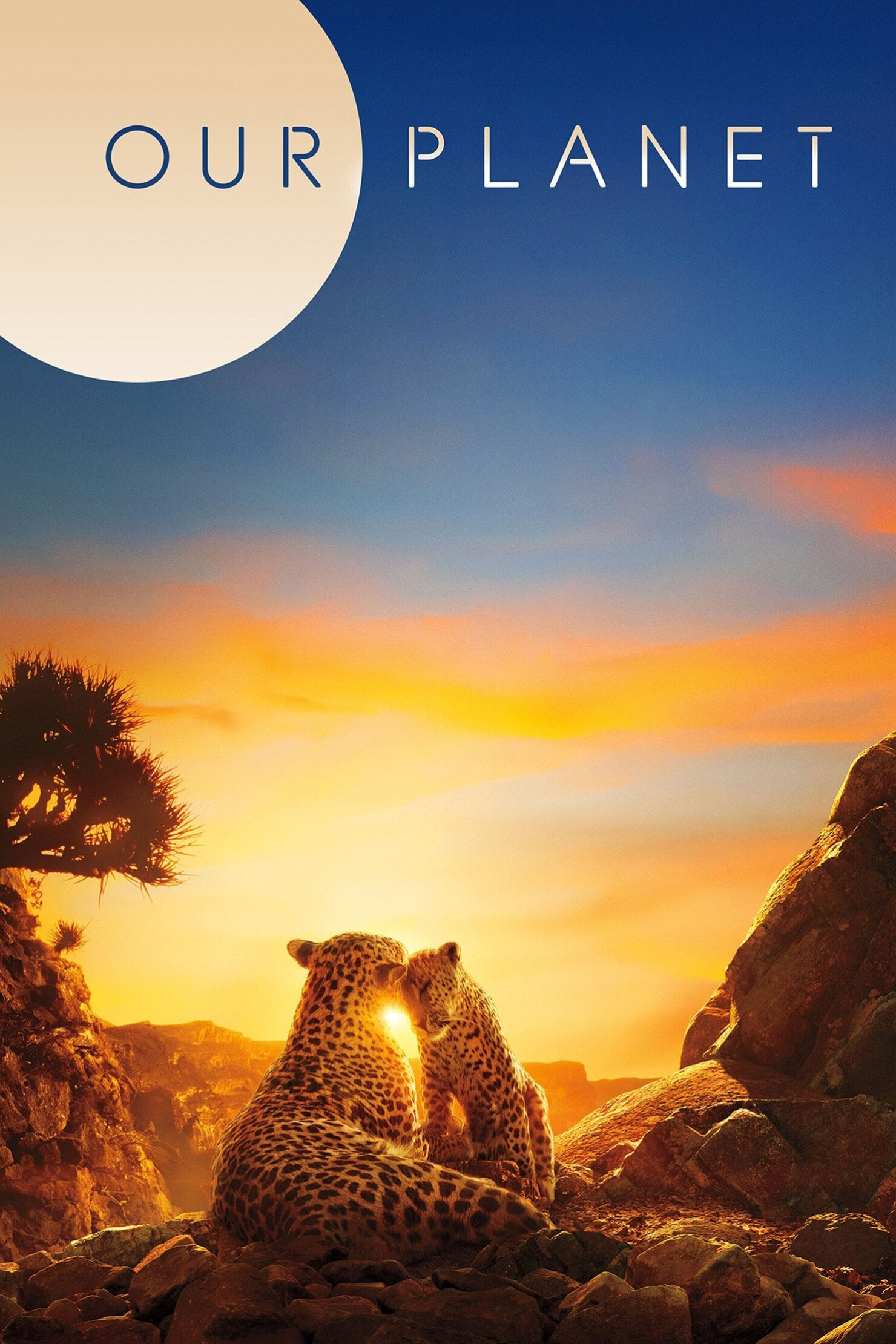
Our Planet2019
Attenborough narrates breathtaking wildlife footage across every ecosystem, showing what's at stake as climate shifts. Visually stunning enough to hold anyone's attention, even the skeptical.
But The beauty can feel like spectacle when paired with crisis. Some find the pacing slow, and narration occasionally oversimplifies complex ecological systems.
The True Cost2015
Follows fashion supply chains from sweatshops to landfills, revealing hidden human and environmental costs. Direct, angry, specific—the opposite of abstraction. Makes the connection between consumption and consequence unavoidable.
But Relentless in tone. No moments of levity or hope, which can feel punishing rather than motivating. Some critiques of its solutions are thin.

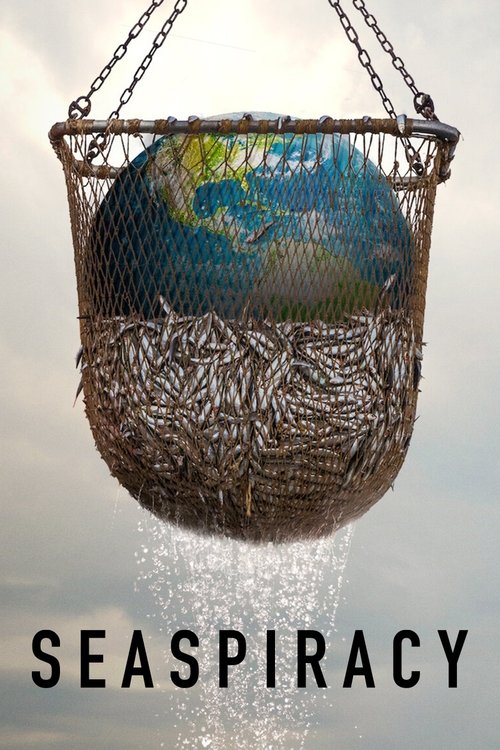
Seaspiracy2021
Documentary activism at maximum throttle: ocean fishing exposed as unsustainable, corrupt, and catastrophic. Propulsive editing and mounting dread keep you locked in. The kind of film that changes what you eat.
But Trades nuance for impact. Some of its claims simplify messy science. The emotional manipulation—building toward each reveal—feels calculated to some viewers.
Not sure tonight? Get a pick in a minute, starting from Years of Living Dangerously
The wildcard
Something you would not have found on your own.
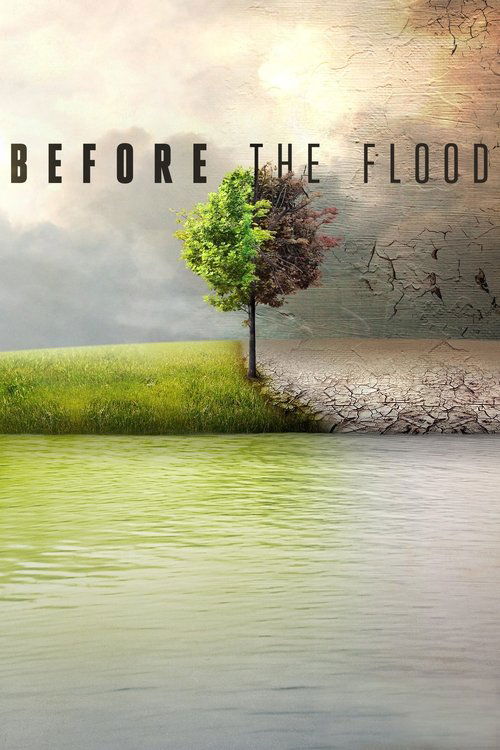
Before the Flood2016
Both use high-profile personalities as a gateway to environmental storytelling, but Before the Flood trusts the places more than the star; it's inversion rather than mere variation.
Leonardo DiCaprio travels to witness climate impacts firsthand—but the film is less about celebrity and more about the specificity of each place's crisis. Shot by Fisher Stevens with real cinematographic care, it's activism that doesn't feel like preaching.
But DiCaprio's presence may feel like greenwashing to critics. Some sequences feel self-indulgent. The solutions remain vague—the film is better at diagnosis than prescription.
More like this (5)
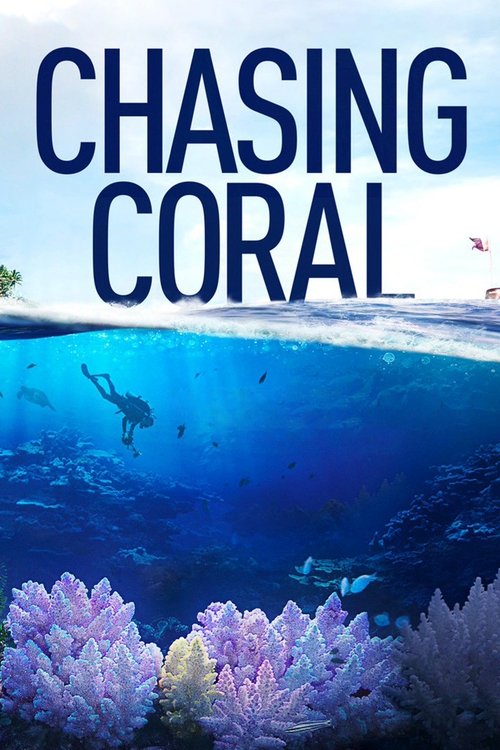
Chasing Coral2017
Follows scientists documenting the largest coral bleaching event on record. Intimate, urgent, filmed with real craft. Not lecturing—you're watching discovery happen, and stakes become visceral.
But Specific to one ecosystem, which limits scope for some. Visually repetitive in the final third. The science can outpace the storytelling momentum.
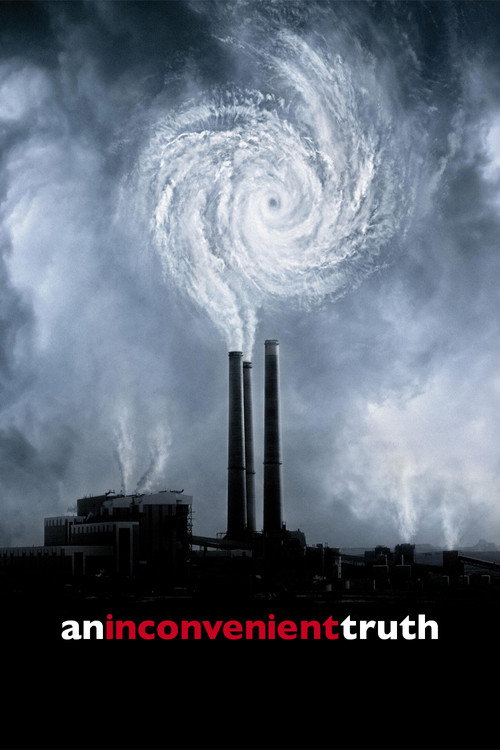
An Inconvenient Truth2006
Al Gore's slide-show-turned-film feels quaint now, but it was the first to make climate change feel like an emergency to millions. Still contains lucid explanations of atmospheric physics and feedback loops.
But Hasn't aged as prediction. Gore's presentation style feels dated. Some solutions it proposed have proven insufficient or contested.
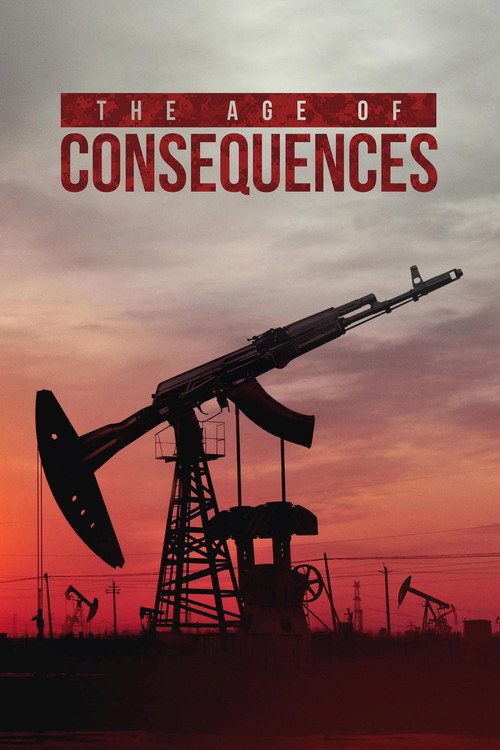
The Age of Consequences2016
Military and intelligence experts break down climate change as a security threat—wars, migration, resource collapse. Reframes environmentalism as pragmatic national interest rather than moral hand-wringing.
But Dry, talking-heads heavy. The geopolitical framing may feel coldly instrumental if you want emotional or moral urgency. Low production values.
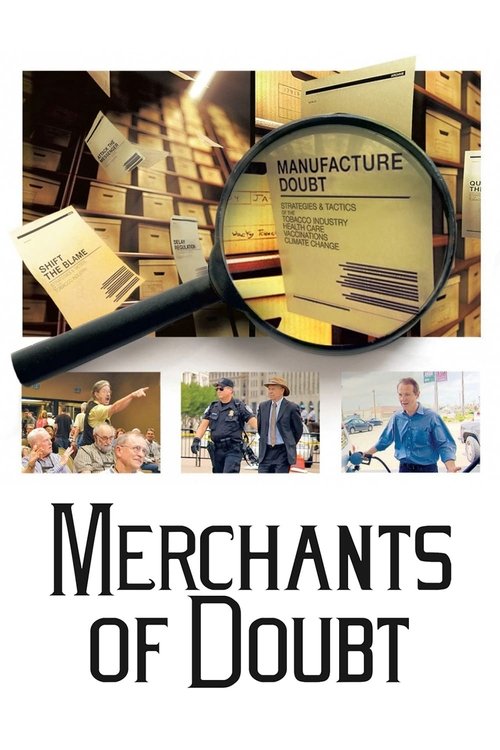
Merchants of Doubt2014
Exposes the PR machinery that manufactures doubt about climate science—the playbook, the money, the actors. Not about the science itself, but how it gets distorted. Clarifying anger.
But Heavy on talking heads and archival clips. The editing can feel choppy. Focuses on industrial denial rather than solutions, which some find incomplete.
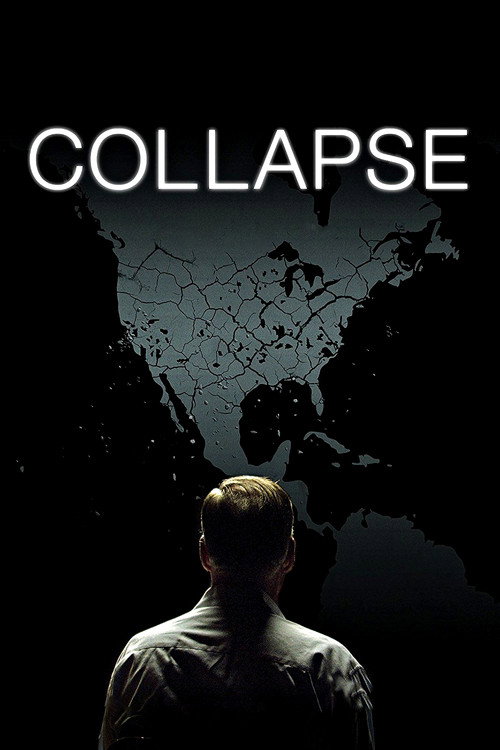
Collapse2009
Both build warnings from specific historical and present-day examples, but Collapse uses one voice and deep time instead of multiple correspondents and urgent present-tense reporting—same engine, radically different register.
Jared Diamond, one interview, ninety minutes, explaining societal collapse through history—Easter Island, Maya, Vikings, modern civilizations. It's climate-adjacent, not climate-focused, but the systems thinking is identical and often more lucid.
But Single-speaker format. Diamond's sweeping civilizational theories are contested by scholars. Filmed simply, almost austerely. Some find it philosophically fatalistic rather than activating.
People
Production
- Maria WilhelmCo-Executive Producer
- Arnold SchwarzeneggerExecutive Producer
- Daniel Abbasi Executive Producer
- David GelberExecutive Producer
- James CameronExecutive Producer
- Jerry WeintraubExecutive Producer
- Joel Bach Executive Producer
- Solly GranatsteinExecutive Producer