
Film
Waterloo
Waterloo is a sprawling 1970 epic that stages the final, defining battle between Napoleon and the Duke of Wellington. Rod Steiger and Christopher Plummer carry a film that trades spectacle for intimate character study, watching two great commanders measure each other across mud and cannon fire. It's for anyone who loves military history told as human drama, not CGI fantasy.
Should you watch it?
Watch it if you love big-canvas historical spectacle, with sweeping troop movements, candlelit councils of generals and a Napoleon played as a restless, sulking genius rather than a cartoon.
Skip it if your patience runs thin for grand pageantry and long stretches of political talk, since at 134 minutes it asks for real stamina.
What it asks of you: Settle in for a long, stately sit with broad canvases, slow-building set pieces and a historical sweep that rewards patience over quick cuts.
Not sure? Find tonight's pick in a minute.
If you liked this
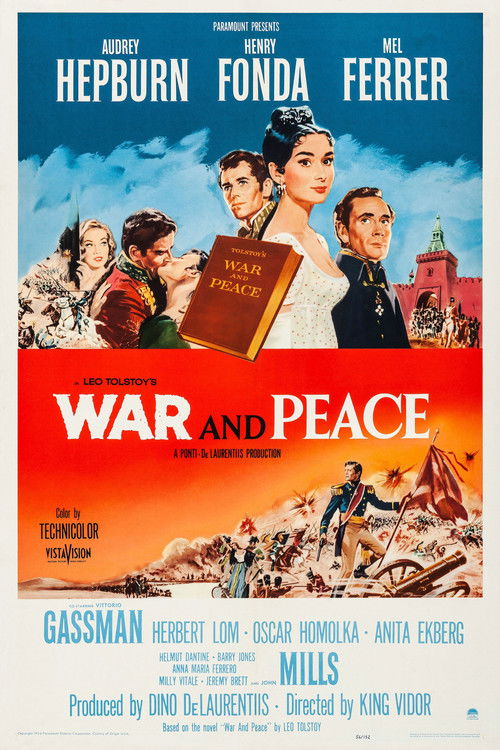
War and Peace1956
Audacious Soviet epic that treats Napoleon's invasion of Russia as a canvas for exploring fate, ambition, and ordinary people caught in history's machinery. Visually stunning and philosophically restless.
But Nearly four hours long, in Russian with subtitles, and interested in psychology over action—glacial pacing if you're after excitement.
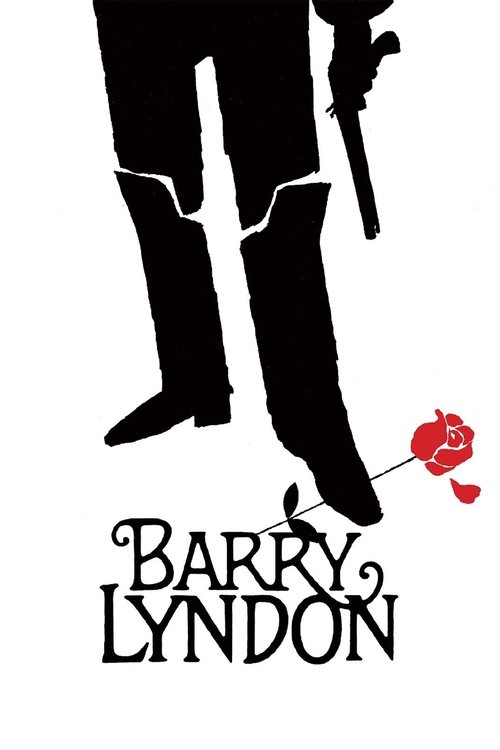
Barry Lyndon1975
Kubrick's masterpiece uses 18th-century warfare as backdrop for a portrait of ambition and decline. Lit like candlelit paintings, morally pitiless, unforgettable. A film about the cost of surviving history.
But Austere and slow, with a narration that keeps you at arm's length. Beauty doesn't mean accessible, and Kubrick doesn't comfort you.
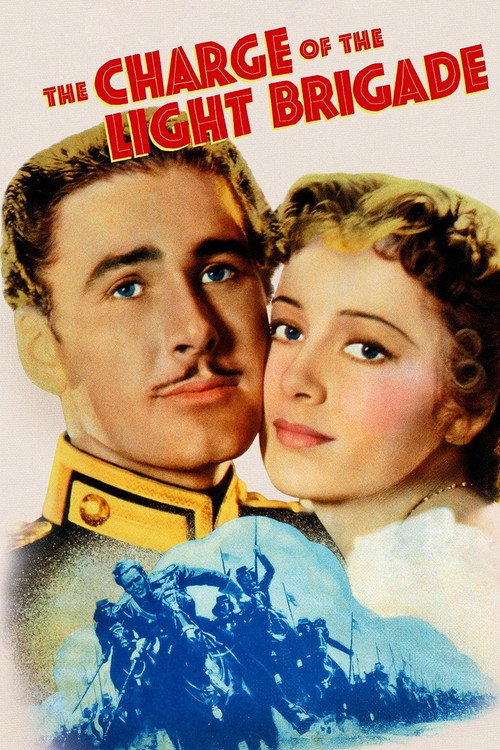
The Charge of the Light Brigade1936
Errol Flynn swashbuckles through the Crimean War with genuine historical stakes underneath the adventure. Raoul Walsh directing, lush Technicolor, and real moral weight beneath the romance.
But Pre-war Hollywood adventure film: the women exist largely to be rescued or mourned, and the pacing can feel quaint now.
Not sure tonight? Get a pick in a minute, starting from Waterloo
The wildcard
Something you would not have found on your own.
The Battle of Algiers1966
Both are Pontecorvo and Waterloo fixate on military command and strategy, but where Waterloo watches generals on a battlefield, Algiers watches them in a city, turning the stage from cavalry charges to asymmetrical terror and counterterror. Same question—how do commanders move people like pieces?—asked from the opposite angle.
Gillo Pontecorvo's masterpiece of urban warfare, shot in documentary style, that shows insurgency and counter-insurgency from both sides with radical clarity. Not a historical epic—it's a tactical, moral interrogation of how people fight when they have no army.
But Deliberately austere, in Italian and Arabic, and politically unsparing. It will not flatter anyone and it assumes you can hold complexity.

More like this (8)
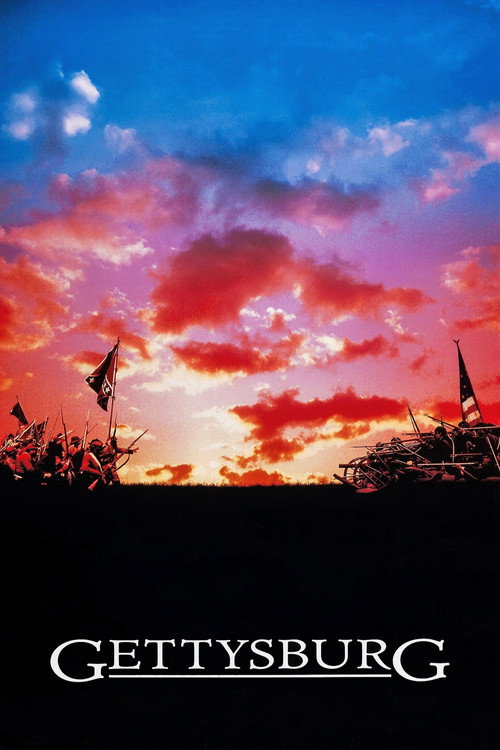
Gettysburg1993
Ted Turner's four-hour commitment to the American Civil War's pivotal battle, with meticulous attention to period detail and command decisions. Intelligently acted, deeply researched, genuinely moving about the cost of war.
But Four hours of deliberate, scholarly filmmaking with no stars to hang on. If you need momentum, this doesn't have it.
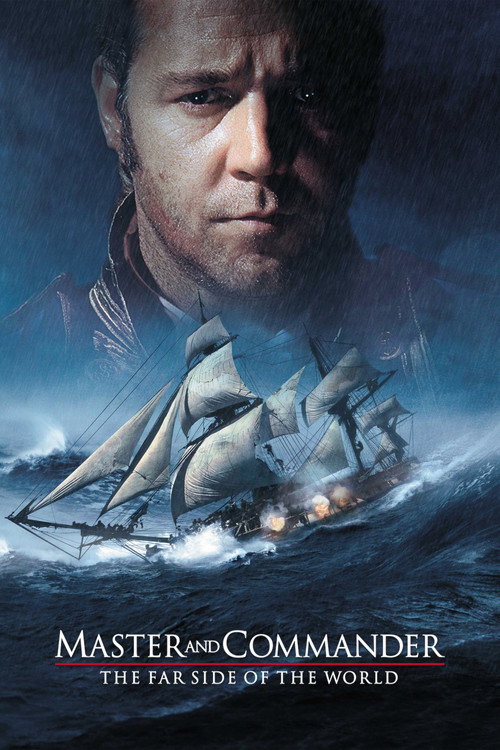
Master and Commander: The Far Side of the World2003
Russell Crowe as a Napoleonic-era naval captain hunting a French ship across the ocean. Brilliantly realized world, excellent ensemble cast, and the pursuit doubles as a character study of ambition and duty.
But Heavy on naval procedure and period detail. If naval jargon feels like background noise to you, stretches will frustrate.
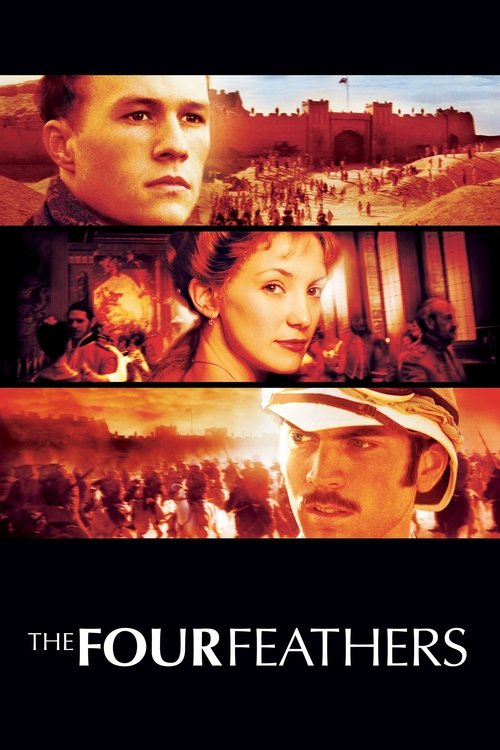
The Four Feathers2002
British officers in the Mahdi War navigate honour, cowardice, and redemption. Visually sumptuous, emotionally intelligent, and surprisingly moving about friendship and second chances.
But Colonial adventure story with modern sensibilities—some will find it conflicted in its politics, others just middling costume drama.
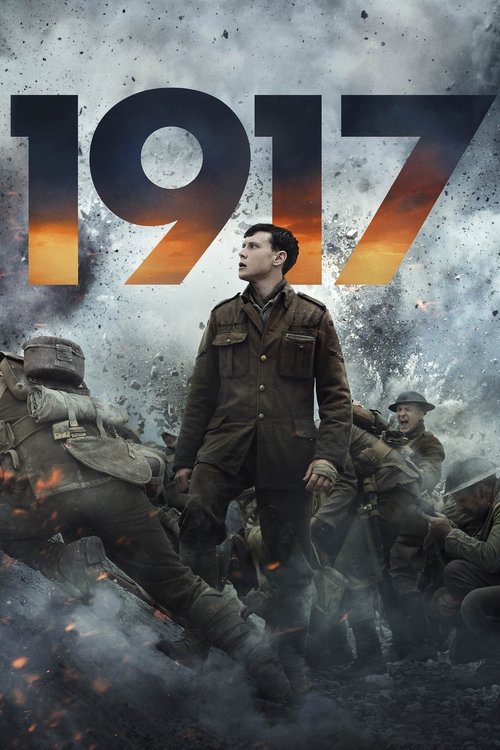
19172019
World War One trench warfare as a single continuous take: immersive, devastating, and puts you in a soldier's exhausted body. Technically dazzling and emotionally devastating without ever losing focus.
But Relentless in its grimness and discomfort. Beautiful filmmaking, but you're never allowed to rest or look away.
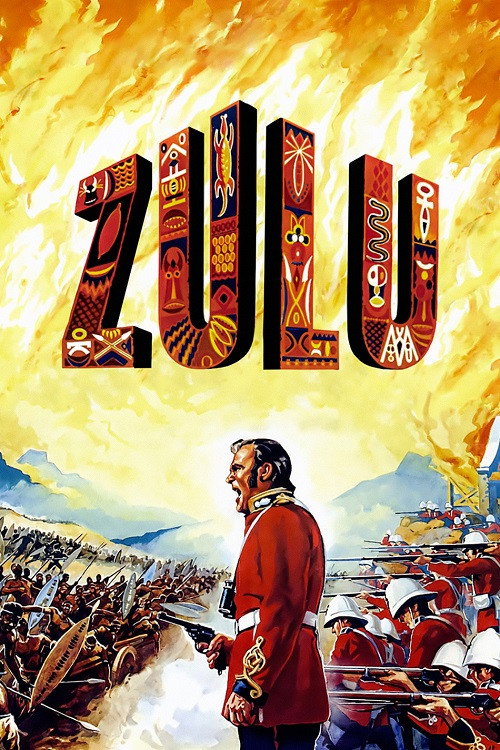
Zulu1964
Slim Whitman and Michael Caine under siege at Rorke's Drift, learning to respect Zulu warriors while fighting for their lives. Thrilling, morally complex for its era, surprisingly humane about the enemy.
But Colonial British action film: even with nuance, its perspective hasn't aged perfectly, and some will find the premise uncomfortable.
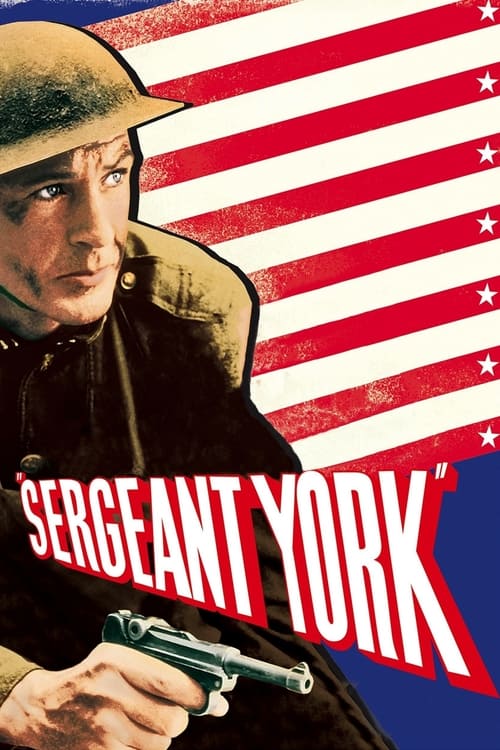
Sergeant York1941
Gary Cooper as the soft-spoken Tennessee farm boy who became America's most decorated WWI hero. Old-fashioned and stirring, with genuine warmth and a real man's real journey from reluctance to bravery.
But Entirely of its propaganda moment: earnest, uncynical, and designed to make war feel noble. That tone is not fashionable anymore.
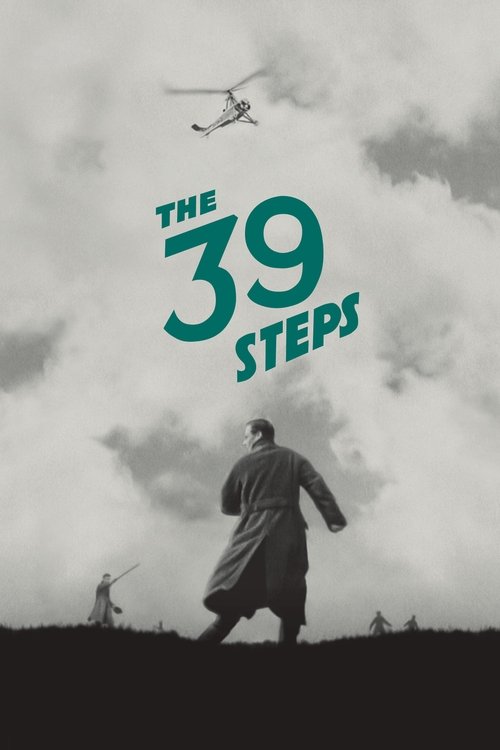
The 39 Steps1935
Waterloo is about what great men do in history. The Thirty-Nine Steps is about what ordinary people do while history happens around them. The same era, opposite scales.
Hitchcock's chase thriller set against pre-WWI espionage, where the world of power and danger is always just offscreen. Witty, elegant, and uses history as atmosphere rather than subject—the war itself barely matters, but you feel its gravity throughout.
But A thriller, not a war film. If you're looking for historical grandeur or battle sequences, you'll find neither.
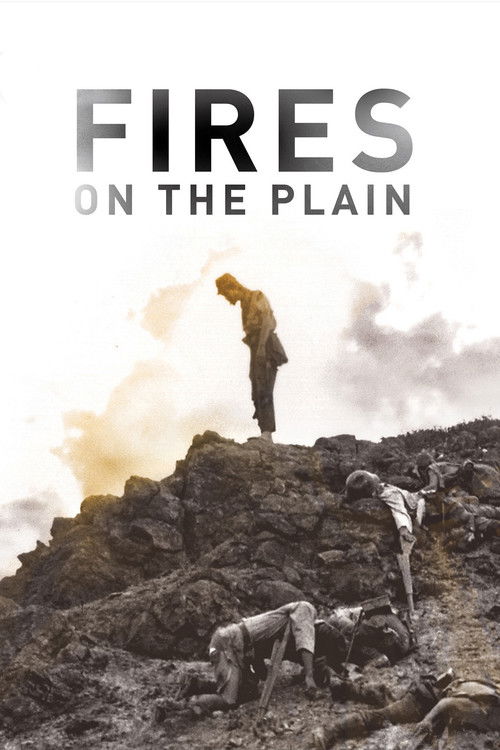
Fires on the Plain1959
Waterloo romanticises military command as a meeting of wills. Fires on the Plain is what happens to the men who follow those wills—the cost paid by soldiers with no command, no strategy, only hunger and despair. The same moment in history from the mud rather than the tent.
Kon Ichikawa's Japanese masterpiece about stragglers in the Philippines in the war's final weeks, hungry and alone. Devastating account of soldiers as victims of history rather than its agents, and the absolute psychological and physical disintegration that comes with it.
But Japanese post-war cinema, black and white, deeply bleak, and interested in suffering rather than heroism. Not cathartic, not heroic, deeply uncomfortable to watch.
People
Cast
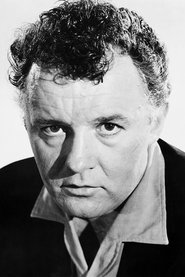 Rod SteigerNapoleon Bonaparte
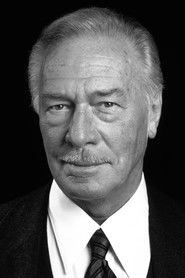 Christopher PlummerArthur Wellesley, Duke of Wellington
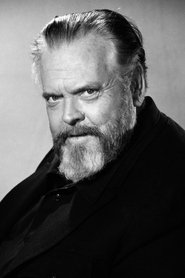 Orson WellesLouis XVIII
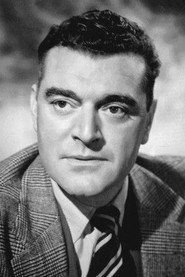 Jack HawkinsGeneral Sir Thomas Picton
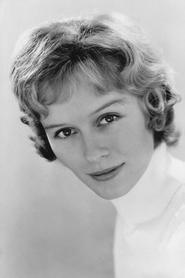 Virginia McKennaDuchess of Richmond
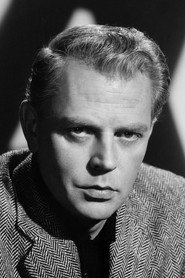 Dan O'HerlihyMarshal Michel Ney
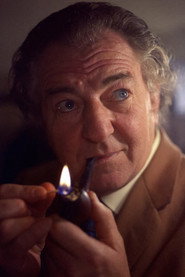 Rupert DaviesGordon
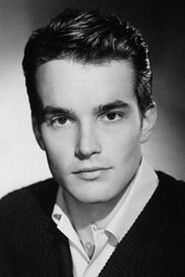 Philippe ForquetLa Bedoyere
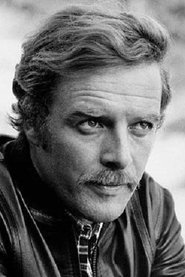 Gianni GarkoDrouot
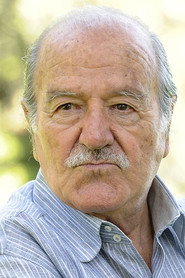 Ivo GarraniMarshal Soult
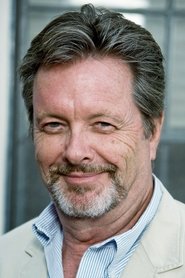 Ian OgilvyDe Lancey
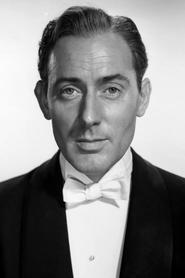 Michael WildingColonel Sir William Ponsonby
Directing
- Elvira D'AmicoContinuity
- Sergei BondarchukDirector
- Vladimir DostalFirst Assistant Director
Writing
- H.A.L. CraigScenario Writer
- Sergei BondarchukScenario Writer
- Vittorio BonicelliScenario Writer
- H.A.L. CraigScreenplay
Production
- Richard C. MeyerAssociate Producer
- Dino De LaurentiisProducer
- Guglielmo AmbrosiProduction Manager
- Guy LuongoProduction Supervisor
- Piotor M. SviridovProduction Supervisor
Recommended by
Culloden, Zulu, The Duellists, Zulu Dawn, Sharpe, Désirée, The Iron Duke, Sharpe's Rifles, The Age of Consequences, Outlaws - For Greater Glory, Napoleon, War and Peace, The Charge of the Light Brigade, Napoléon