
Film
The Iron Duke
A 1934 British drama centred on the Duke of Wellington navigating post-Napoleonic diplomacy and personal intrigue. George Arliss commands the screen as the iron-willed general-turned-statesman, caught between duty and desire. It's a portrait of masculine principle under pressure, executed with the theatrical grandeur and mannered elegance typical of early sound cinema. For viewers drawn to character studies and period intrigue.
If you liked this
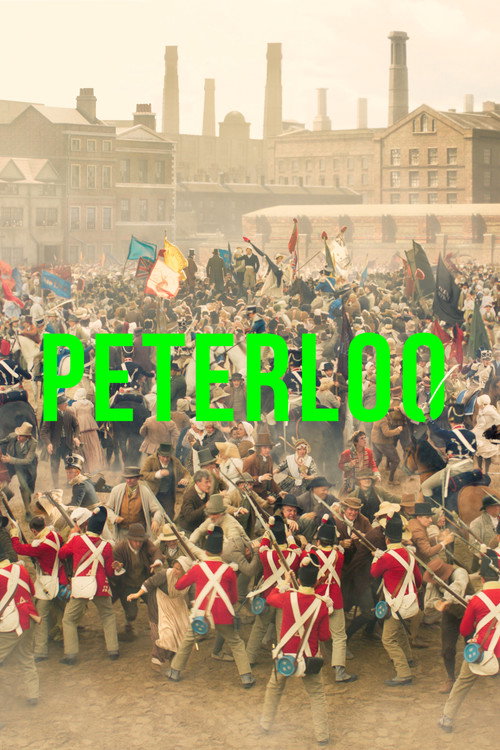
Peterloo2018
Mike Leigh's visceral account of the 1819 massacre outside Manchester. Political passion, moral reckoning, and ensemble brilliance. Shares Wellington's era and explores how idealism collides with power.
But Leigh's naturalistic dialogue and long takes can feel glacial. The politics are front-and-centre; some find his didacticism exhausting.
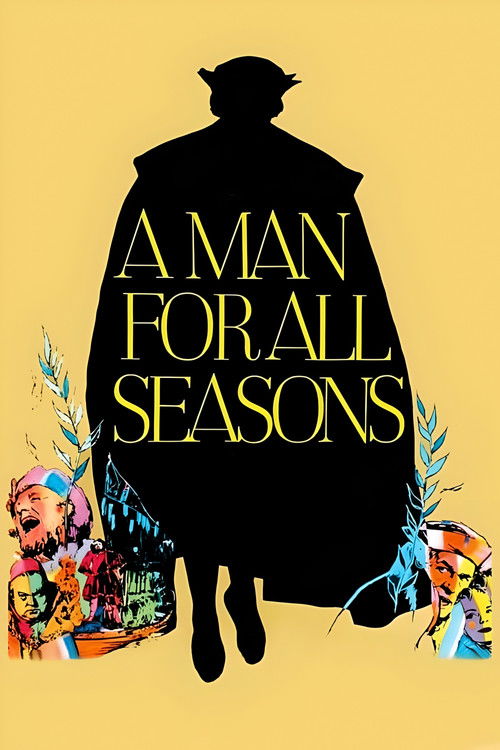
A Man for All Seasons1966
Fred Zinnemann's masterpiece about principle versus pragmatism. Thomas More faces Henry VIII with the same unbending moral core Wellington embodies. Handsomely shot, intelligently written, genuinely moving.
But It can feel theatrical and slightly reverential. The pacing is deliberate; impatience will cost you.
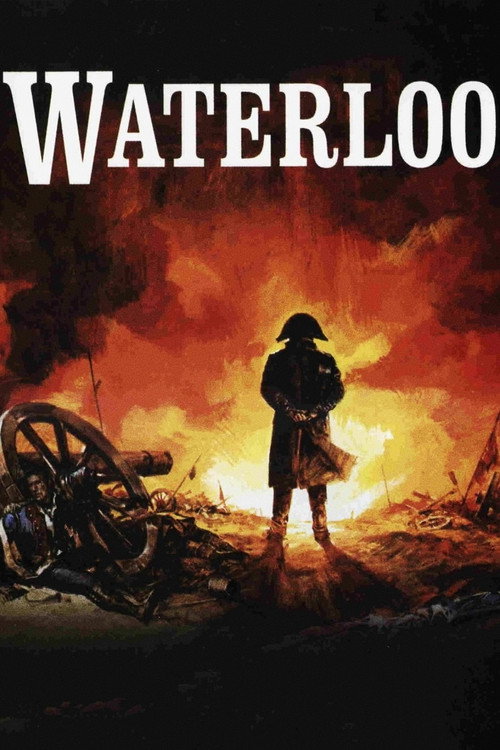
Waterloo1970
Sergei Bondarchuk's epic recreation of the battle itself. Rod Steiger as Napoleon, Christopher Plummer as Wellington. Immense scale, genuine spectacle, and surprisingly intimate character work amid the cannon fire.
But Soviet-Italian co-production means tonal unevenness. It's long, and battles can blur together if you're not invested in military tactics.
Not sure tonight? Get a pick in a minute, starting from The Iron Duke
The wildcard
Something you would not have found on your own.
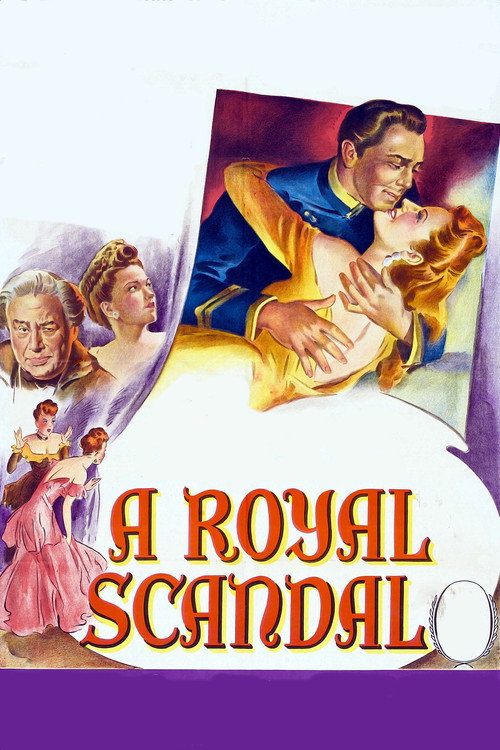
A Royal Scandal1945
Both are 1930s-to-1940s British/American period dramas about powerful figures navigating diplomatic intrigue, but Scandal inverts tone entirely—replacing Wellington's austere duty with Dietrich's playful seduction. Same era, opposite register.
Otto Preminger's audacious farce: Marlene Dietrich as Catherine the Great, Anne Baxter as a lady-in-waiting, political intrigue mistaken for romance. Shot in a day (nearly), played with verve rather than reverence. Post-war Hollywood remembering pre-war Europe's comic edge.
But Deliberately camp and rushed. If you need historical accuracy or dramatic weight, this will feel like costume mockery.
More like this (8)
The Remains of the Day1993
James Ivory explores duty, regret, and the cost of emotional restraint. Anthony Hopkins as a butler whose quiet nobility masks profound loneliness. A meditation on principle that dare not speak its name.
But It's glacial and internal. If you need plot momentum or emotional catharsis, you'll feel starved.

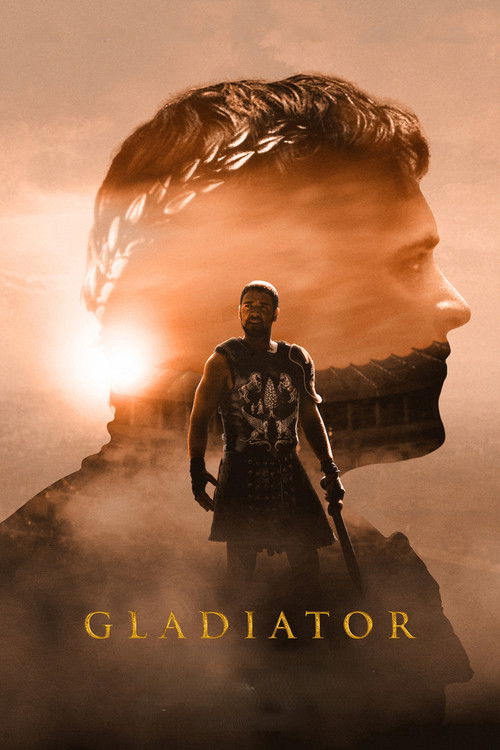
Gladiator2000
Ridley Scott's muscular epic about a general stripped of everything, fighting to restore order. Russel Crowe commands attention; the film moves with propulsive energy. Similar arc of the warrior in politics.
But Overwrought melodrama disguised as gravitas. The dialogue lurches between portentous and goofy.
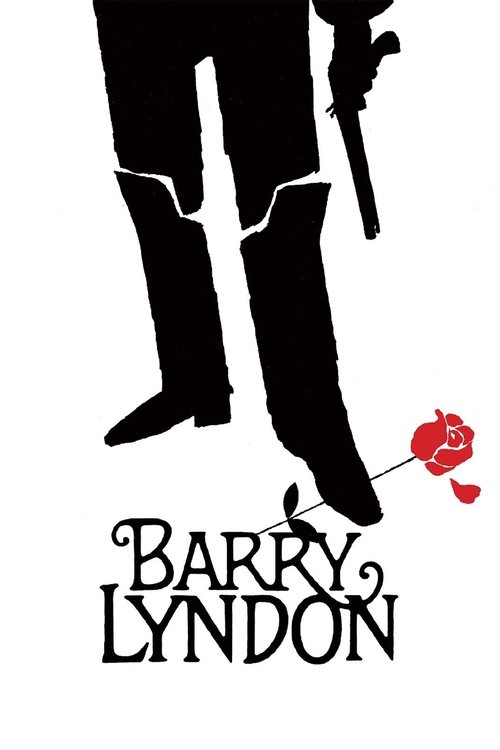
Barry Lyndon1975
Kubrick's maligned masterpiece—a picaresque about an Irish rogue navigating 18th-century Europe and warfare. Shot to resemble paintings, morally corrosive, entirely original. Wellington's era, wholly different sensibility.
But Deliberately artificial, glacially paced, and its protagonist is contemptible. Some find it wilfully alienating.
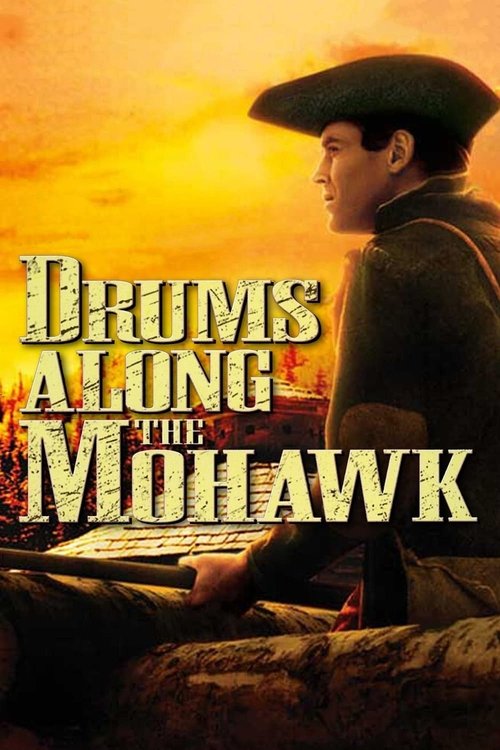
Drums Along the Mohawk1939
John Ford's frontier drama with Henry Fonda and Claudette Colbert. Revolutionary war backdrop, emotional authenticity, and Ford's gift for finding grandeur in ordinary courage. Similar era, different continent, same moral weight.
But The politics are complicated by Ford's romantic view of manifest destiny. It requires tolerance for dated attitudes.
The Leopard1963
Luchino Visconti's sumptuous meditation on aristocracy facing historical change. Burt Lancaster as a noble forced to navigate a shifting world. Gorgeously composed, deeply melancholy, about power and its illusions.
But Deliberately slow, operatic, and in Italian. If you resist artifice or subtitles, you'll find it forbidding.

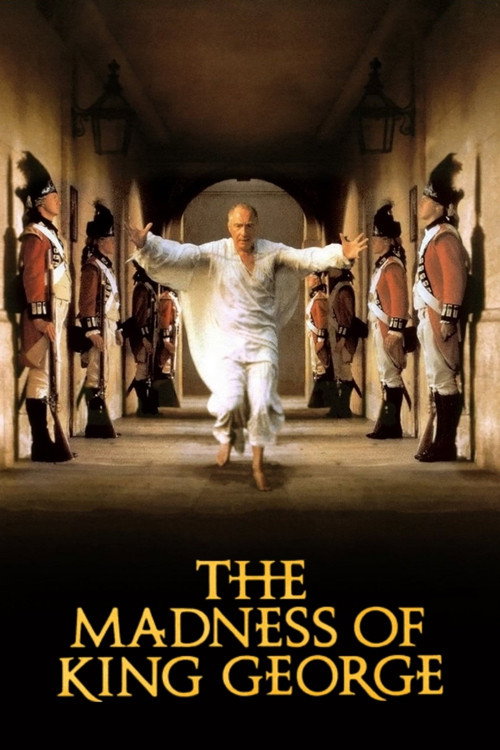
The Madness of King George1994
Tom Hooper's witty, moving portrait of mental illness and political machination. Nigel Hawthorne excels; the screenplay crackles. Wellington's world, different protagonist, same stakes of power and reason.
But Theatrical and occasionally arch. The court intrigue can feel more Restoration comedy than genuine drama.
Kes1970
Both centre on a figure of rigid principle navigating a world that opposes them. Wellington commands through aristocratic authority; Loach's boy commands through love and discipline. Same inner architecture, inverted class positions.
Ken Loach's unsparing masterpiece about a working-class boy in 1960s Yorkshire training a kestrel. Nothing like Wellington's drawing rooms, yet it shares the iron discipline of a man against the world, the refusal to compromise. British cinema at its most humanely unsentamental.
But Bleak, northern, working-class, and entirely unsentimental. No grandeur, no uniforms, no diplomacy—only a boy and a bird.

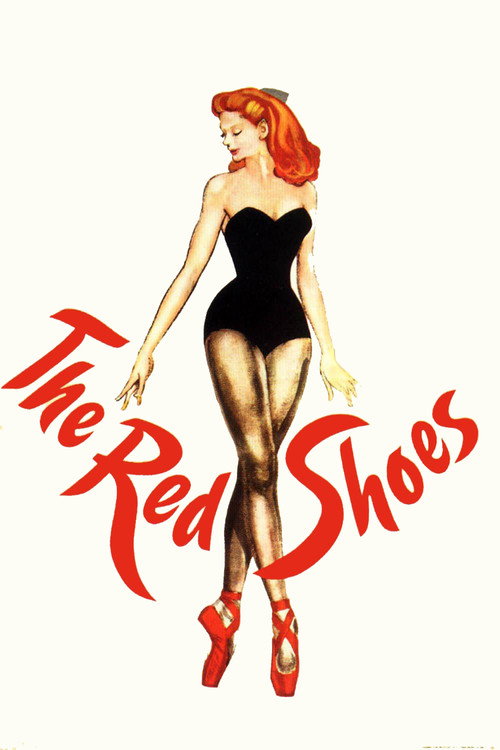
The Red Shoes1948
1948 British cinema obsessed with domination and principle, but where Wellington wields authority through duty, Pressburger's impresario wields it through art and manipulation. Both command utterly; both destroy what they touch.
Powell and Pressburger's baroque masterpiece about an obsessive impresario and his star dancer. Moira Shearer is mesmerising. Lush, artificial, operatic—a world of pure artifice and consuming passion. Visually incomparable; narratively perverse.
But It's melodramatic and faintly misogynistic. If you find theatrical excess exhausting or can't accept its treatment of its female lead, it will alienate you.
People
Cast
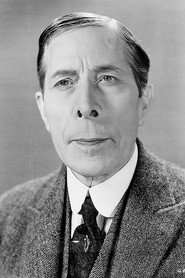 George ArlissDuke of Wellington
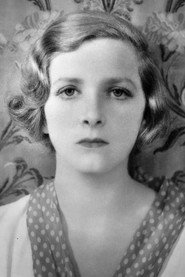 Gladys CooperMadame - Duchess d'Angoulème
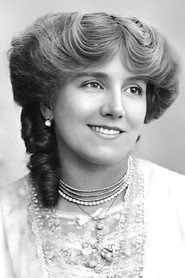 Ellaline TerrissKitty - Duchess of Wellington
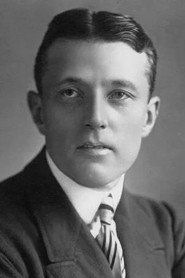 A.E. MatthewsLord Hill
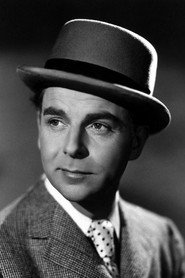 Emlyn WilliamsBates
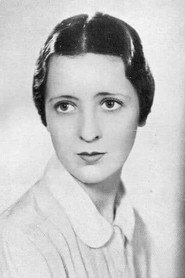 Lesley WareingLady Frances Webster
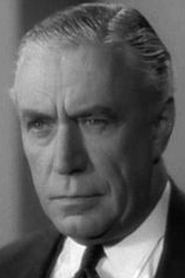 Peter GawthorneDuke of Richmond
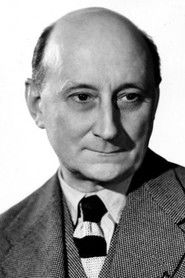 Felix AylmerLord Uxbridge
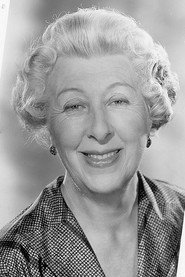 Norma VardenDuchess of Richmond
- Walter SondesWedderburn Webster
- Alan AynesworthLouis XVIII
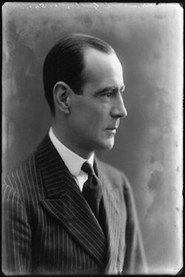 Campbell GullanD'Artois
Directing
- Victor SavilleDirector
Writing
- H.M. HarwoodStory
- Bess MeredythWriter
Production
- Michael BalconProducer