
Film
A Royal Scandal
A 1945 romp with Tallulah Bankhead as Catherine the Great, juggling power and desire when she falls for a soldier caught in court intrigue. It's a breezy historical comedy that doesn't take itself seriously, all sharp dialogue and theatrical performance. Perfect for anyone who loves Old Hollywood glamour and doesn't mind anachronism.
If you liked this
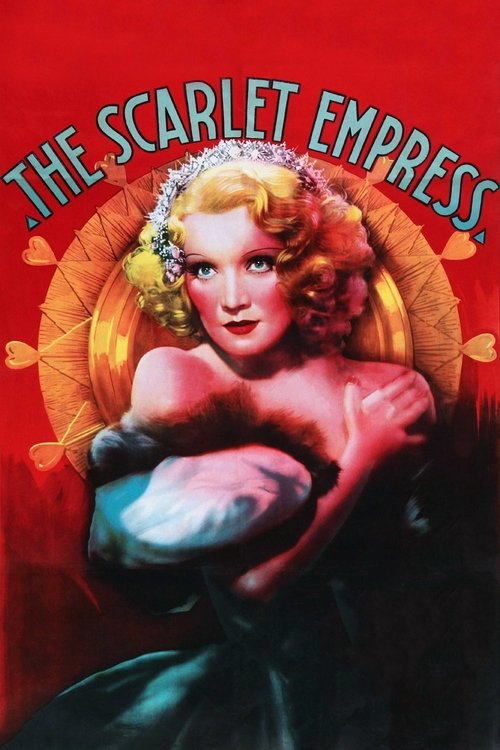
The Scarlet Empress1934
Marlene Dietrich in full imperial regalia, directed by Josef von Sternberg. It's visually extravagant, deeply strange, and treats Catherine with the same romantic irreverence you'll find here—but with more shadow and seduction.
But Silent-era pacing and melodrama; the eroticism is buried under layers of artifice that modern audiences sometimes find slow.
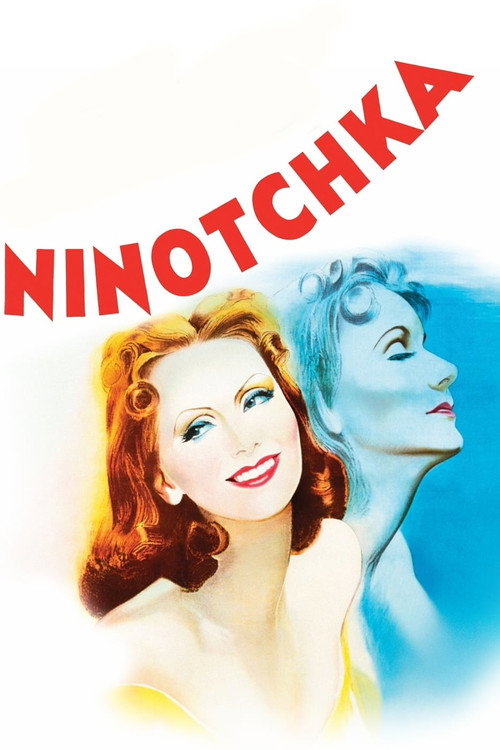
Ninotchka1939
Greta Garbo as a rigid Soviet diplomat undone by Paris and romance. Same DNA as *A Royal Scandal*—sophisticated comedy built on the collision between ideology and desire, with impeccable comic timing.
But The Cold War politics feel quaint now, and the film sides entirely with the West in ways that can feel smug.
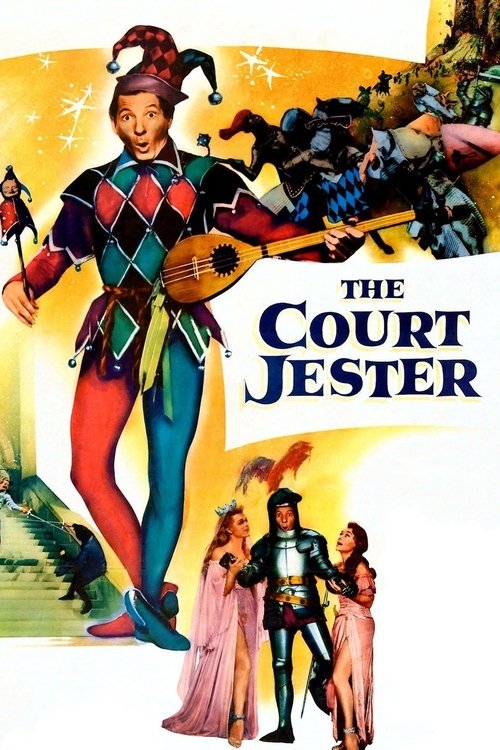
The Court Jester1955
Danny Kaye in medieval mayhem, all pratfalls and wordplay. It has that same theatrical energy and commitment to absurdity over historical accuracy that makes *A Royal Scandal* so much fun.
But Kaye's persona dominates the film; if you find him exhausting rather than charming, you'll want to leave early.
Not sure tonight? Get a pick in a minute, starting from A Royal Scandal
The wildcard
Something you would not have found on your own.
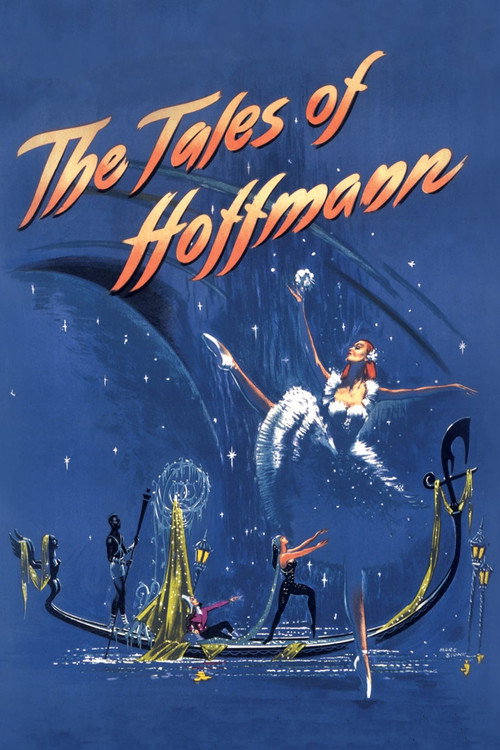
The Tales of Hoffmann1951
Both are films that reject naturalism in favor of theatrical truth. Catherine's court isn't trying to be historically accurate—it's trying to be dramatically alive. *Hoffmann* does the same with myth and music.
Michael Powell and Emeric Pressburger's operatic fantasy, with Moira Shearer at its core. It's theatrical artifice taken to the absolute limit—sets and costumes and emotion all at maximum. If you loved Bankhead's uninhibited performance style, this is what happens when you give it a full orchestra and Technicolor.
But It's structured like an opera, with long musical sequences and a dreamlike logic that requires patience. If you want plot momentum, you'll be frustrated.
More like this (8)
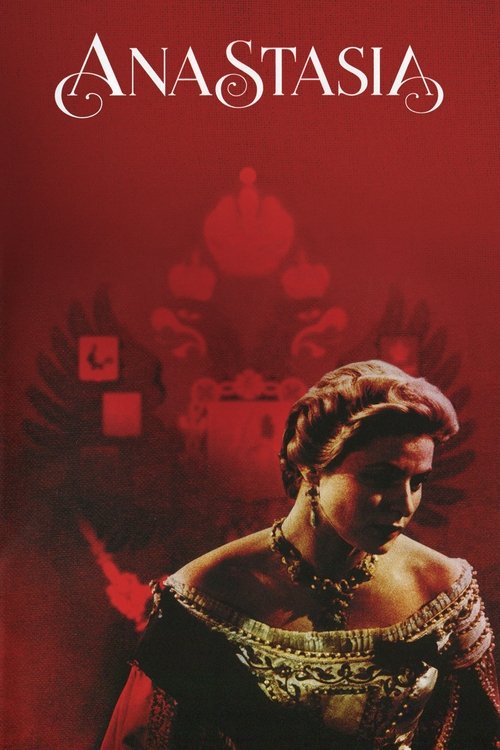
Anastasia1956
Ingrid Bergman and Yul Brynner in a stylish, witty take on imperial Russian intrigue. Same period, same appetite for elegant deception and romance amid court politics, but with genuine emotional stakes.
But The plot hinges on a historical claim that's basically nonsense, which can feel manipulative if you're watching for authenticity.
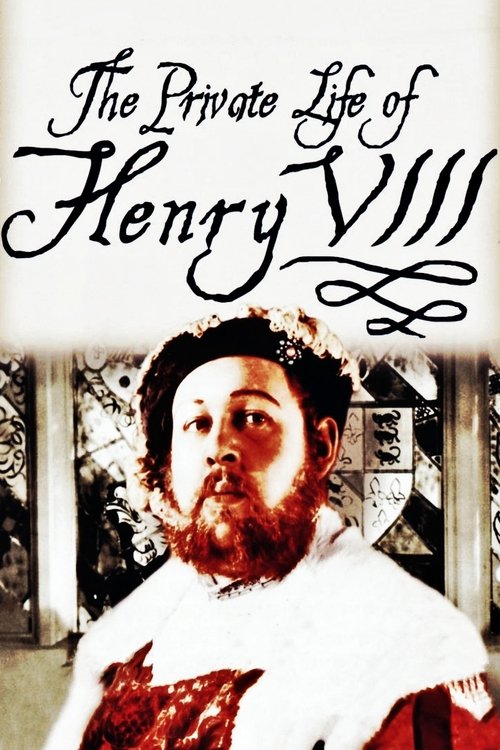
The Private Life of Henry VIII1933
Charles Laughton's Henry is as theatrically larger-than-life as Bankhead's Catherine. It established the template for historical comedy-drama: treat the monarch as a person first, legend second.
But Early sound recording makes dialogue occasionally hard to parse, and the attitudes toward women are even more dated than in *Royal Scandal*.
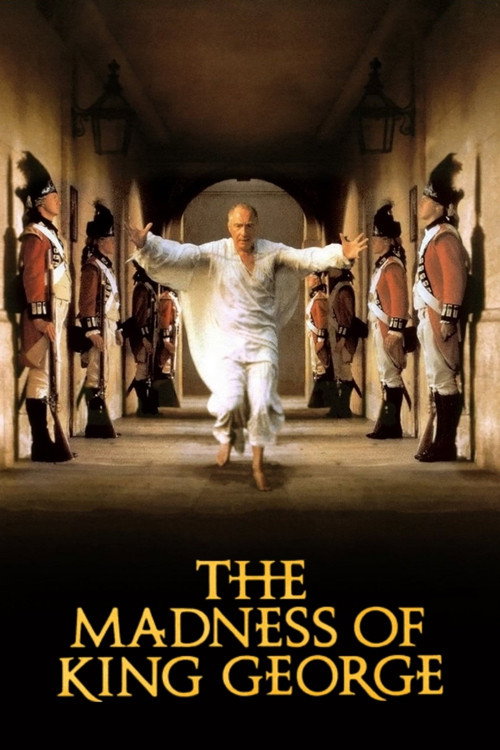
The Madness of King George1994
A sharper, more psychologically complex take on royal authority under pressure. The wit is drier and the emotional core is stronger, but it has the same sense of personality clashing with circumstance.
But It's genuinely serious about mental illness and power; nothing like the theatrical breeziness of the 1945 film.
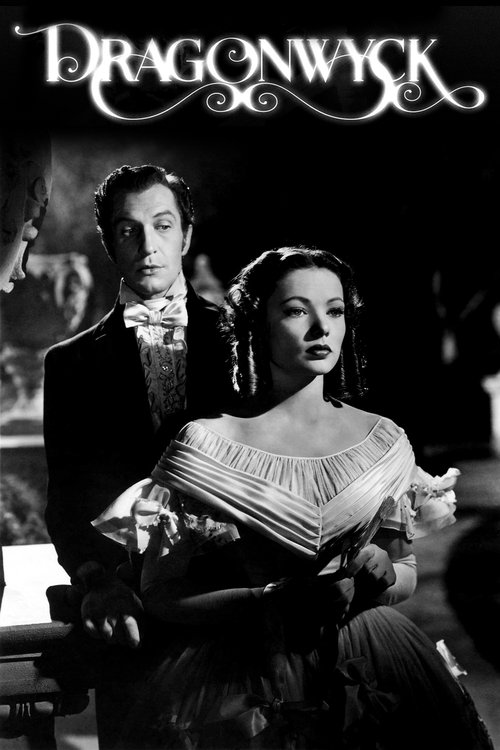
Dragonwyck1946
Gene Tierney and Walter Huston in a dark historical drama with Vincent Price (also in *Royal Scandal*) as the ambiguous male lead. Shows what Price could do when the tone shifted from comedy to menace.
But It's got Gothic heaviness and moral ambiguity that's the opposite of escapist fun.
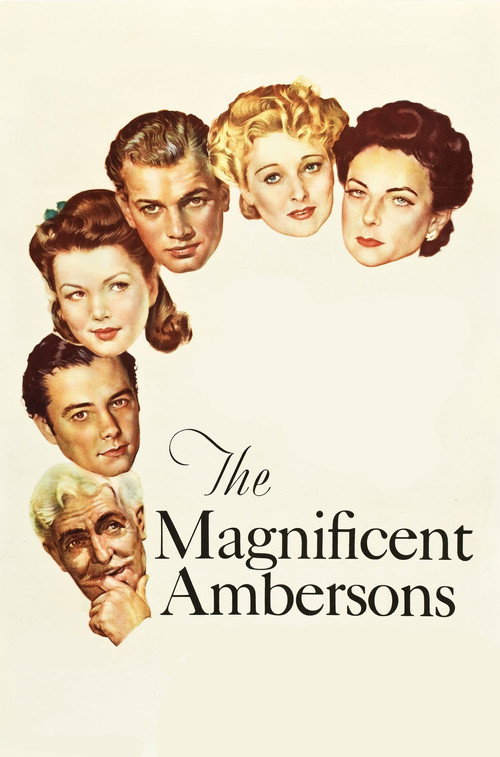
The Magnificent Ambersons1942
Orson Welles's study of power, pride, and family collapse in a historical American setting. It has architectural grandeur and emotional complexity that will deepen what you liked about *Royal Scandal*.
But It's a studio-compromised edit of Welles's vision, and the tone is elegiac rather than entertaining.
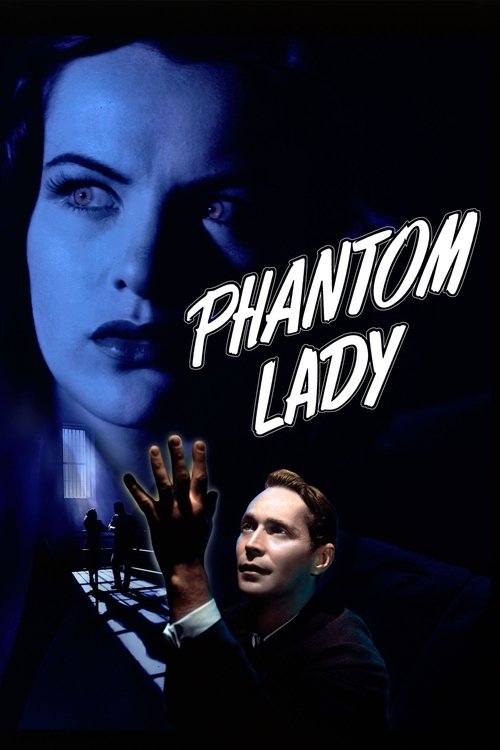
Phantom Lady1944
Ella Raines and Franchot Tone in a wartime thriller with immense visual style and genuine suspense. It's from the same year's Hollywood ecosystem as *Royal Scandal*, but shows the darker side of performance and deception.
But The sexual politics are murky and troubling by modern standards; the female lead is often objectified in ways that can feel gratuitous.
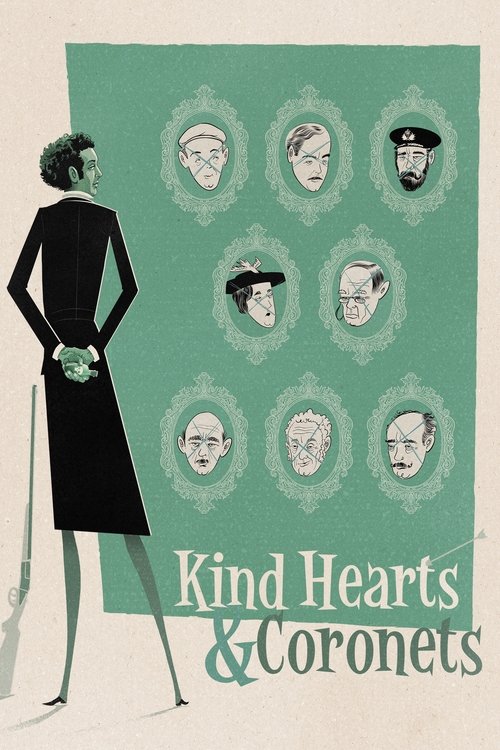
Kind Hearts and Coronets1949
Both films treat power and desire as comedy, but *Kind Hearts* is willing to go much darker. Catherine flirts with abdication; Dennis Price will commit murder for a dukedom. Same theatrical register, opposite moral temperature.
Alec Guinness in eight roles, Dennis Price as a murderous schemer, and Valerie Hobson as the woman caught between them. It's a black comedy about ambition, class, and the absurdity of inheritance played with perfect comic control and genuine darkness underneath.
But The humor depends on understanding British class structures and attitudes toward aristocracy that can seem impenetrable. It's also morally cynical in a way that can feel cold.
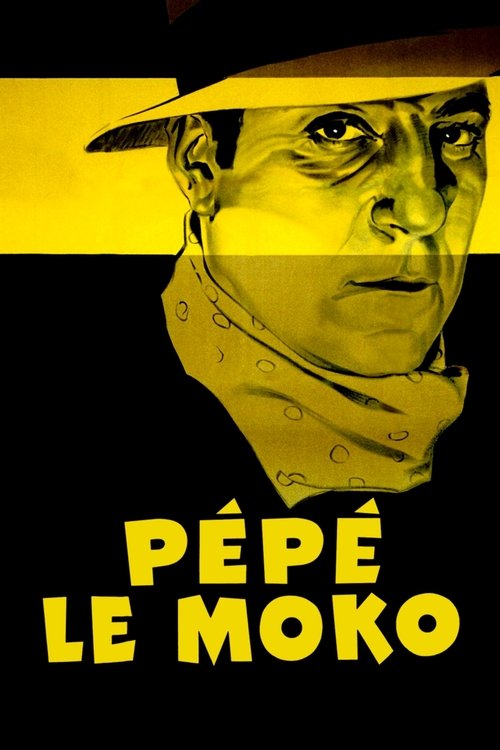
Pépé le Moko1937
Where *Royal Scandal* is bright and the woman holds power, *Pépé le Moko* is dark and the woman destroys the man. Same central tension—desire as a crack in armor—but explored in completely different registers.
Jean Gabin in a French poetic realist masterpiece about a fugitive caught between the underworld and a wealthy woman. It's gorgeous, melancholic, and achingly romantic—the inverse of *Royal Scandal*'s tone, but with the same theme: passion as a threat to power and survival.
But It's in French, it moves slowly, and it ends in tragedy. The romance is beautiful but doomed in a way that's the opposite of escapist.
People
Cast
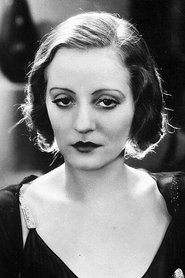 Tallulah BankheadCatherine the Great
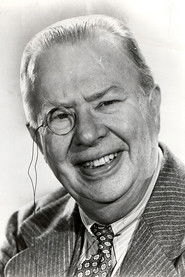 Charles CoburnNicolai Iiyitch
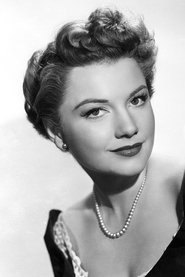 Anne BaxterAnna Jaschikoff
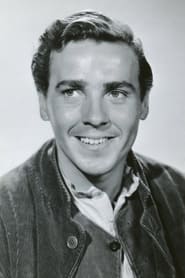 William EytheAlexei Chernoff
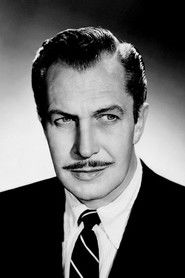 Vincent PriceMarquis de Fleury
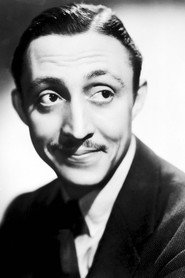 Mischa AuerCaptain Sukov
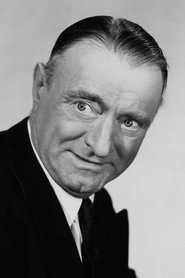 Sig RumanGeneral Ronsky
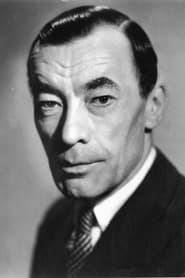 Vladimir SokoloffMalakoff
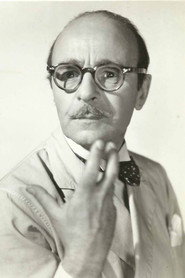 Mikhail RasumnyDrunken General
- Paul BaratoffRussian General (uncredited)
- Eugene BedayRussian General (uncredited)
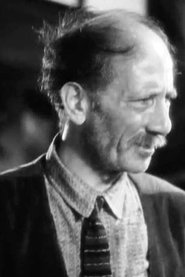 Egon BrecherWassilikow (uncredited)
Directing
- Otto PremingerDirector
Writing
- Bruno FrankAdaptation
- Edwin Justus MayerScreenplay
- Lajos BiróTheatre Play
- Melchior LengyelTheatre Play
Production
- Ernst LubitschProducer
- Gertrude KingstonResearch Assistant
- Frances C. RichardsonResearcher