Television series
Napoléon
Other titles called Napoléon: the 1927 film, the 2023 film.
A four-part French miniseries that strips away legend to show Napoleon as a man of contradictions—ambitious but insecure, brilliant but ruthless, shaped by love and loss as much as military genius. Intimate and sweeping at once, it won an Emmy for costumes and refuses easy heroics. For those wanting history that complicates rather than simplifies.
If you liked this
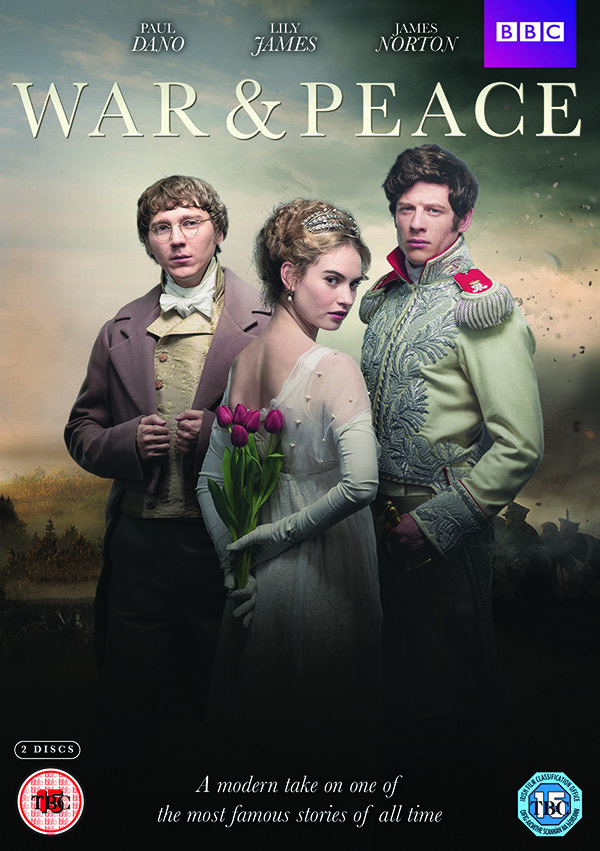
War & Peace2016
BBC's lavish adaptation captures the same scope and intimacy, weaving personal lives through historical upheaval with equal weight. Epic battles matter less than the people caught in them.
But Six hours is a commitment, and the narrative switches between dozens of characters. The pacing can feel slow if you want constant action.
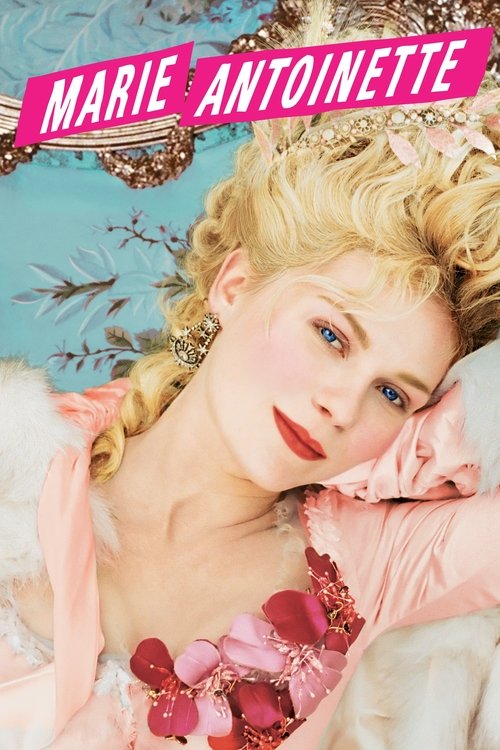
Marie Antoinette2006
Sofia Coppola's take on the French royal family is anachronistic and luxurious, yes—but like this Napoleon, it centers on the person inside the role, their isolation and hunger for meaning amid impossible circumstance.
But The style overwhelms substance for many. It's more mood than plot, and if you dislike artifice and pop soundtracks in period pieces, it's unbearable.
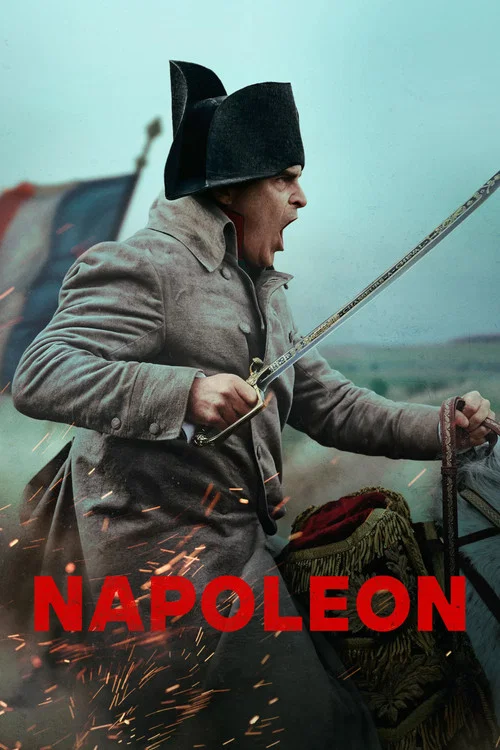
Napoleon2023
A newer entry that also aims for complexity over mythology. Phoenix's performance is strange and vulnerable; the film doesn't flatter its subject. Worth comparing to how this miniseries handles the same man.
But Three and a half hours, choppy editing, and critics found it bloated. It's a fascinating mess rather than a satisfying whole.
Not sure tonight? Get a pick in a minute, starting from Napoléon
The wildcard
Something you would not have found on your own.
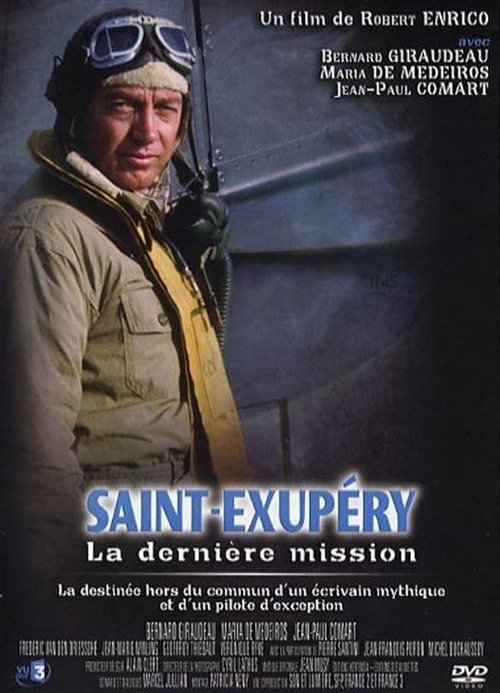
Saint-Exupéry: La dernière mission1996
Both are French productions wrestling with how France transforms its heroes into symbols. Both show men exhausted by their own mythology.
French miniseries about the author and aviator, set partly during WWII. Like this Napoleon, it's a meditation on how myth-making works, how a man becomes legend, how private despair lives alongside public brilliance.
But Visually flat and slow-moving for a modern viewer. It privileges interior life over narrative momentum.
More like this (6)
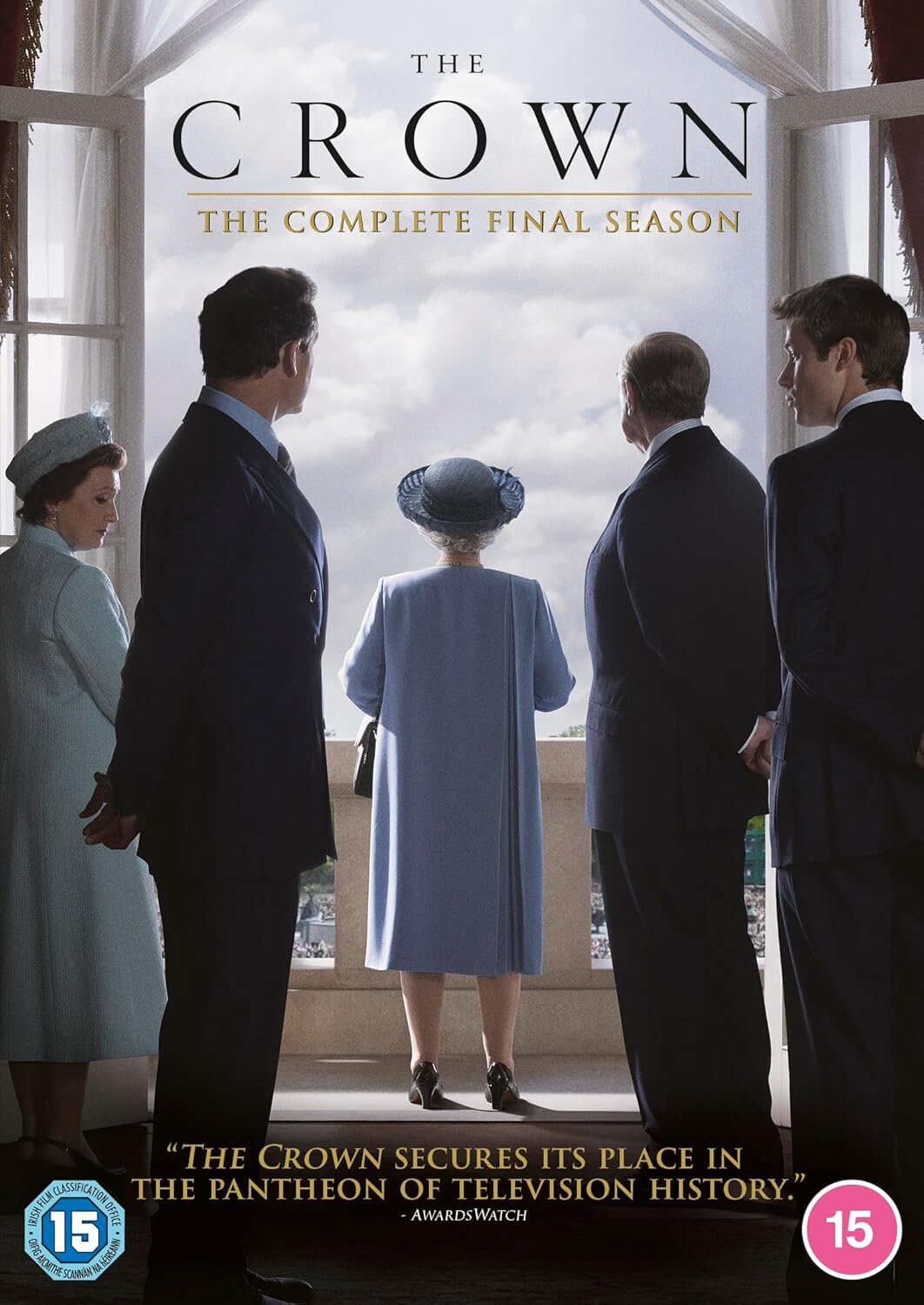
The Crown2016
Shares the miniseries' approach: dramatizing the private struggles of those with absolute power, showing how duty and desire collide. Impeccably acted and shot.
But Heavy on invented dialogue and emotion. If you prefer your history rigorous rather than felt, the dramatic license will bother you.
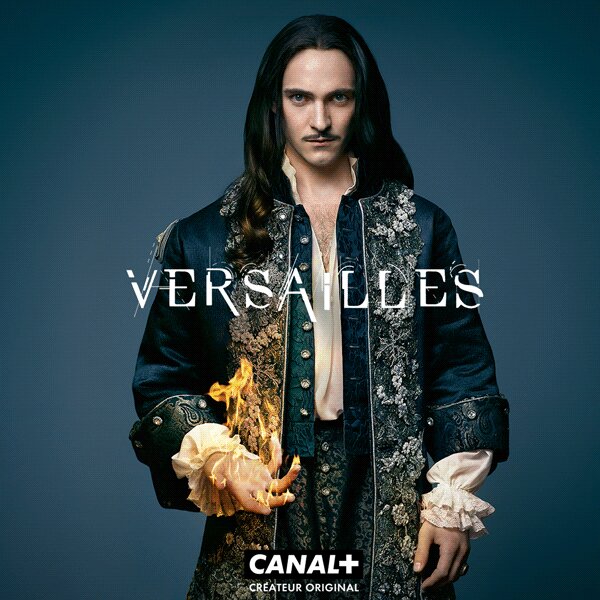
Versailles2015
French production about Louis XIV that understands court politics, ambition, and the performance of power. The same era's DNA, different reign. Gorgeously made.
But Soapier and more melodramatic than this Napoleon. If you want restraint and psychological realism, it veers toward costume drama excess.
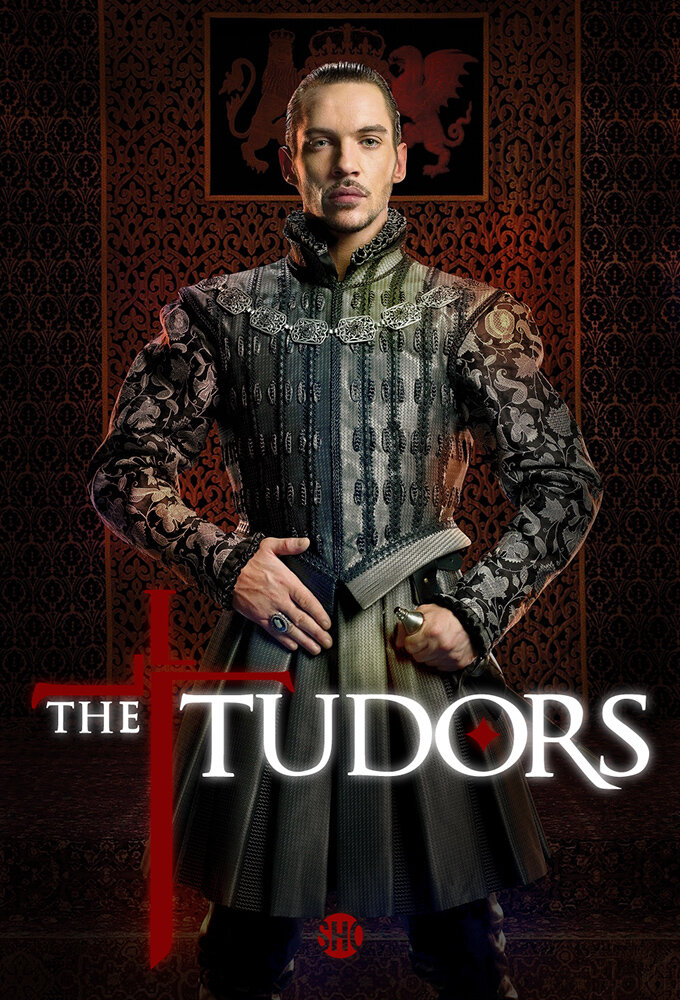
The Tudors2007
Another miniseries that humanizes a historical figure with absolute power, showing the paranoia, loneliness, and hunger beneath the throne. Gripping character study wrapped in spectacle.
But It prioritizes intrigue and sex over historical accuracy. The tone is sometimes too modern for a period piece.
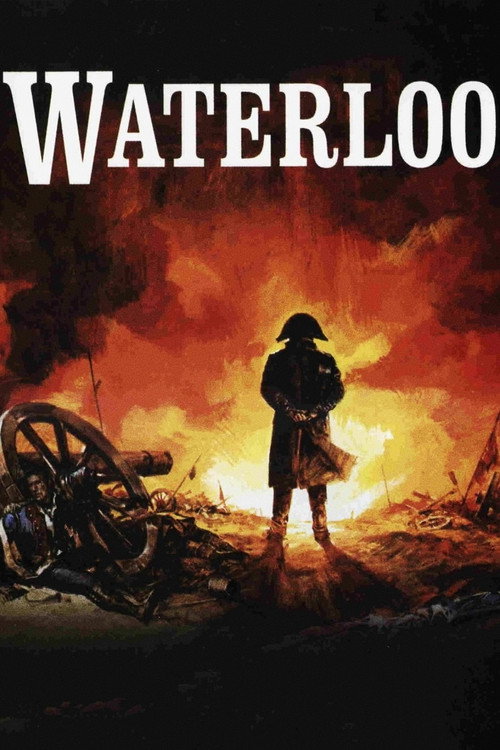
Waterloo1970
An older epic that focuses on the day itself, the strategy and chaos of the battle. Rod Steiger as Napoleon is immense. Historical filmmaking in a different register.
But It's a 1970 film: the pacing feels glacial by modern standards, and the battle scenes lack the intimacy of contemporary work.
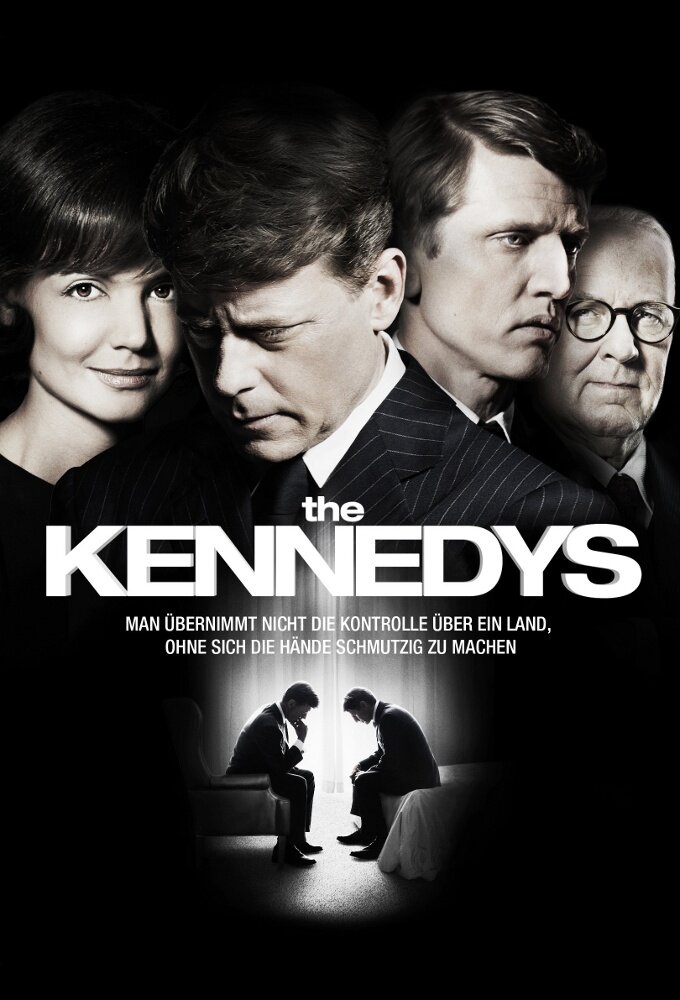
The Kennedys2011
Another prestige miniseries about powerful men shaped by history and personality. Different era and country, but the same DNA of power, charisma, and the gap between public and private self.
But Melodramatic and occasionally clunky. It reaches for profundity and sometimes misses.
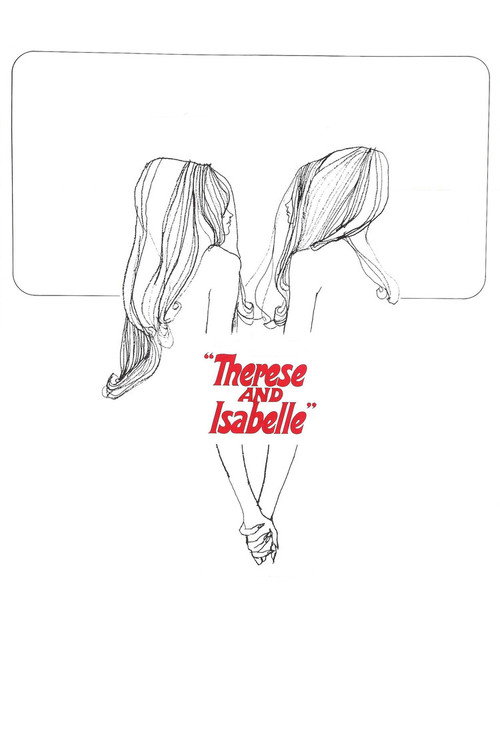
Therese and Isabelle1968
Like this Napoleon, it argues that history is personal first. It also refuses to subordinate desire and sensation to historical importance—treats them as equally real.
A radical approach: a film about intimacy and desire during wartime (Vichy France). It makes personal love the historical event, not backdrop. Quietly revolutionary in its refusal to be about The War.
But Explicit in ways that may discomfort. Art-house pace; no plot momentum whatsoever. Some will call it slow rather than meditative.