
Film
Zulu Dawn
Zulu Dawn examines the catastrophic 1879 Battle of Isandlwana through the lens of imperial hubris and military miscalculation. Deliberately paced, it's a historical drama that excavates how arrogance and rigid hierarchy can unravel even the most disciplined forces. For viewers drawn to the friction between grand strategy and brutal reality.
Should you watch it?
Watch it if you are drawn to character-driven war films where arrogance in the officers' tents matters as much as the fighting, and you like history that argues with itself.
Skip it if you want battle spectacle and rapid action, since this is a deliberate, dialogue-heavy film of planning, rivalry and waiting, with the fighting arriving in sustained stretches.
What it asks of you: It's about 117 minutes, moves at a measured pace, and rewards patient attention to conversations about strategy and rivalry more than quick payoffs.
Not sure? Find tonight's pick in a minute.
If you liked this
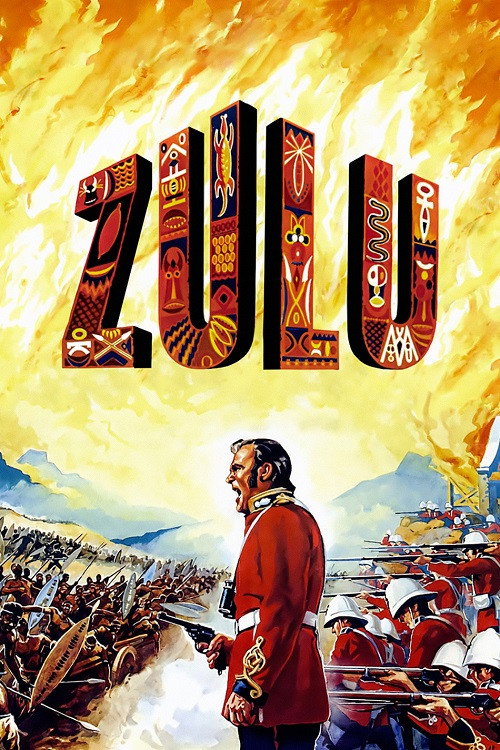
Zulu1964
The prequel's spiritual companion—a taut, visceral account of Rorke's Drift that shows what happened *after* Isandlwana. Epic in scope but intimate in focus, with Michael Caine in a star-making role.
But Shot and paced as a conventional action film, which will feel dated if you're expecting Zulu Dawn's reflective weight. Very British in its triumphalism.
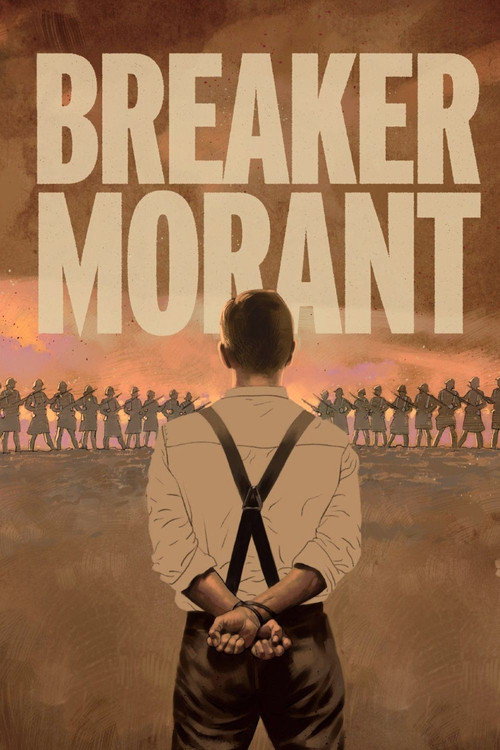
Breaker Morant1980
An Australian masterpiece about three soldiers court-martialed during the Boer War. Asks searching questions about obedience, morality, and who bears responsibility when empires wage war. Sharp dialogue, impeccable performances.
But Courtroom drama rather than battlefield spectacle. The injustice it depicts is infuriating—deliberately so—and there's no cathartic resolution.
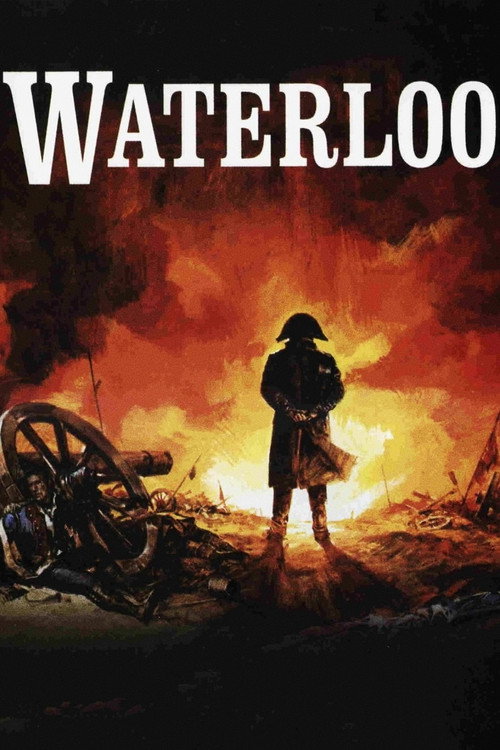
Waterloo1970
Sergei Bondarchuk's sprawling Soviet-Italian co-production about Napoleon's final battle. Uses thousands of extras to show war's grinding mathematics. Rival powers, strategic folly, the weight of command.
But Three hours of sometimes ponderous filmmaking. The perspective is Eurocentric; the emotional core can feel distant and cold.
Not sure tonight? Get a pick in a minute, starting from Zulu Dawn
The wildcard
Something you would not have found on your own.
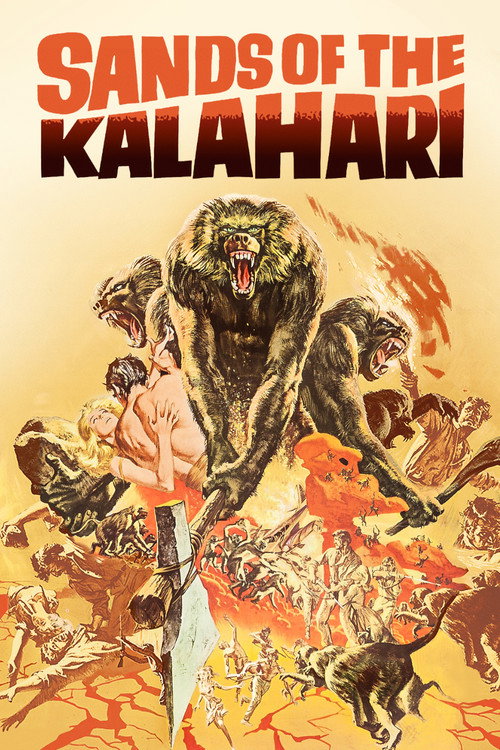
Sands of the Kalahari1965
Both examine how rigid hierarchies and masculine authority fail under duress. Both suggest that British imperial confidence is a fragile thing.
A survival drama where crash survivors in the Kalahari Desert descend into tribal hierarchy and savagery. Like Zulu Dawn, it's obsessed with how leadership fractures under pressure and how easily civilization collapses. Stanley Baker anchors it with bruised authority.
But Not a war film at all—the conflict is psychological and interpersonal. The pacing is slow, deliberate, sometimes claustrophobic. It's a meditation disguised as an adventure.
More like this (6)
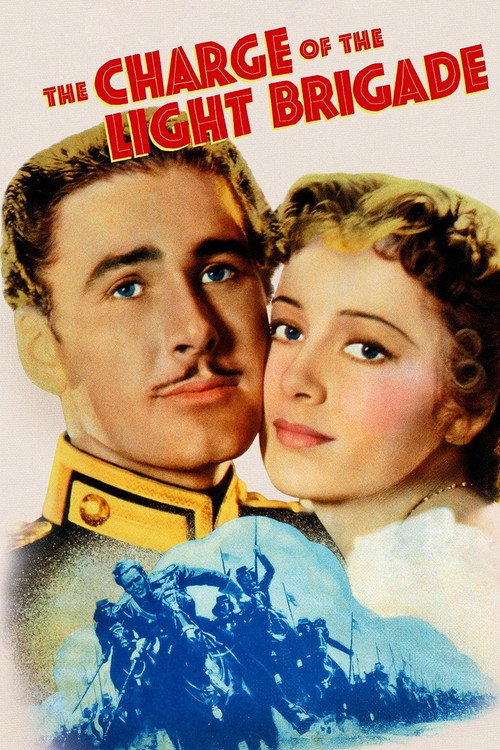
The Charge of the Light Brigade1936
Errol Flynn in a rip-roaring adventure that romanticizes the Crimean War. Swashbuckling, deliberately mythic, gorgeously shot. Shows how earlier Hollywood handled imperial military history.
But Unabashedly propagandistic and simplistic. The Charge itself is sanitized entertainment, not historical interrogation.
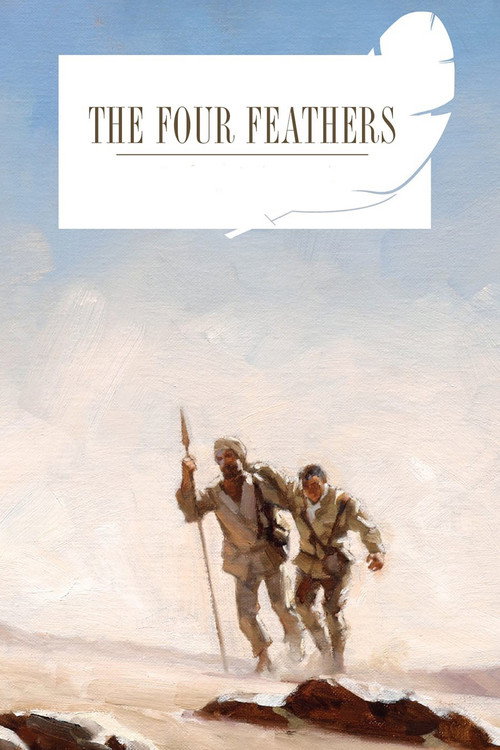
The Four Feathers1939
A British adventure about honor and redemption during the Mahdist War in Sudan. Beautifully mounted Technicolor film with genuine tension. Explores the personal cost of imperial service.
But A period piece with stiff dialogue and conventional morality. The imperial frame is never seriously questioned, only the individual's courage.
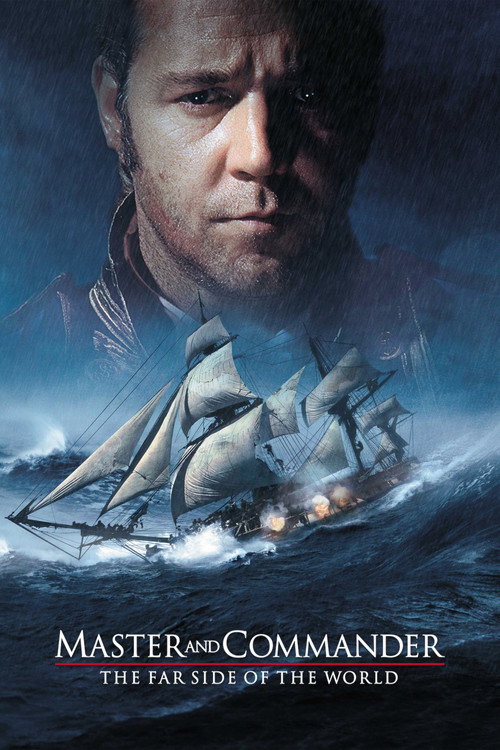
Master and Commander: The Far Side of the World2003
Russell Crowe as a British naval captain during the Napoleonic Wars. Smart, gripping, obsessed with the logistics and friction of command. Treats warfare as a thinking game.
But Assumes you're invested in 19th-century naval tactics. Leisurely pacing means action scenes are few and far between.
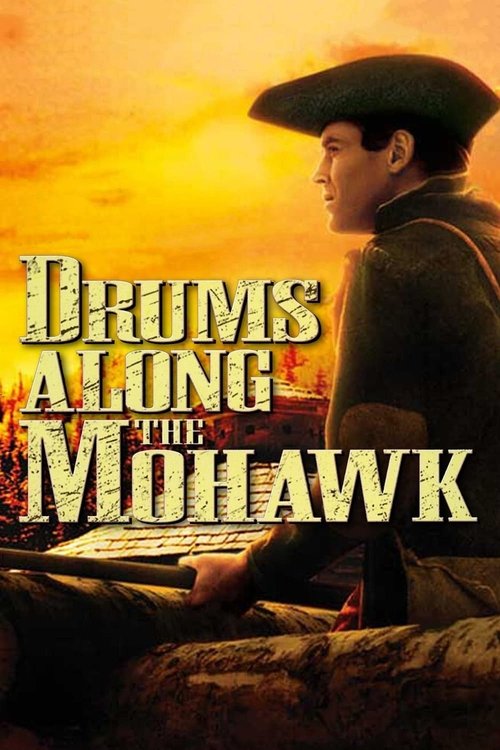
Drums Along the Mohawk1939
John Ford's frontier drama during the American Revolution. Less interested in battles than in the moral chaos war creates for civilians. Ford's directorial hand is sure, the cinematography luminous.
But Early Ford, which means racial attitudes that feel historically embedded but still uncomfortable. More intimate than military-focused.
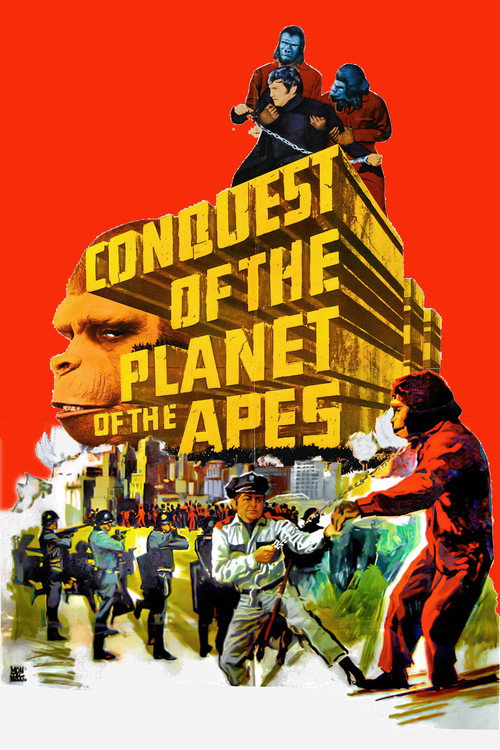
Conquest of the Planet of the Apes1972
Both depict the moment when the colonized see through the myth of their rulers' superiority. Both suggest that empires contain the seeds of their own overthrow.
Science fiction allegory about colonized populations rising up against oppressive hierarchies. What looks like spectacle is really about power, subjugation, and the moral rot at the heart of empire. Roddy McDowall transforms it from B-movie to something genuinely unsettling.
But It's a Planet of the Apes film, which means ape makeup and B-movie aesthetics. The metaphor is not subtle, and some find it dated. Takes itself very seriously.
Come and See1985
Where Zulu Dawn examines colonial catastrophe with measured control, Come and See shows total warfare's apocalyptic reality. Both reject the mythology of military grandeur; both insist on reckoning with actual human cost.
Elem Klimov's shattering Soviet film about a boy conscripted to fight Nazi occupation. Unbearably intense, visually ravaged, it shows war not as tactics or heroism but as industrial annihilation. A masterpiece of anti-war cinema.
But Profoundly difficult. The violence is not choreographed for entertainment; it's relentless, graphic, morally harrowing. One of cinema's most punishing watches. Subtitled.

People
Cast
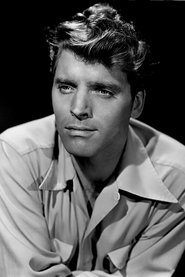 Burt LancasterCol. Anthony Durnford
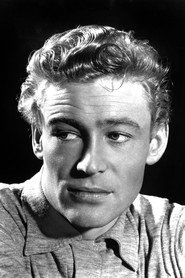 Peter O'TooleLord Chelmsford
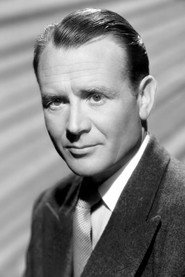 John MillsSir Henry Bartle Frere
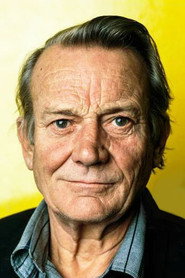 Denholm ElliottColonel Pulleine
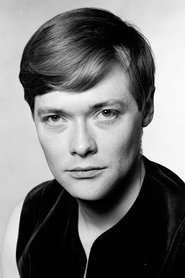 Simon WardLt. Vereker
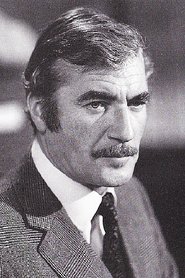 Nigel DavenportCol. Hamilton-Brown
 Michael JaystonCol. Crealock
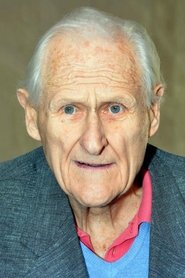 Peter VaughanQSM Bloomfield
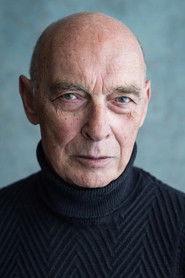 James FaulknerLt. Melvill
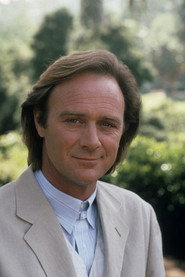 Christopher CazenoveLt. Coghill
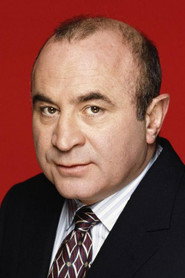 Bob HoskinsC.S.M. Williams
 David BradleyPte Williams
Directing
- Douglas HickoxDirector
- David TomblinSecond Unit Director
- Peter MacDonaldSecond Unit Director
Writing
- Anthony StoryScreenplay
- Cy EndfieldScreenplay
- Cy EndfieldStory
Production
- Dieter NobbeAssociate Producer
- Irene LambCasting
- James FaulknerCo-Producer
- Barrie Saint ClairExecutive Producer
- Nate KohnProducer