
Film
Gettysburg
Ron Maxwell's epic re-enactment of the three-day Battle of Gettysburg plays like a battle-by-battle, general-by-general master class in Civil War strategy and human character under impossible pressure. It's long, scrupulous, and built entirely on the conviction that understanding how and why men fought matters as much as the outcome. Ideal for history enthusiasts and anyone who wants to grasp what actually happened there.
Should you watch it?
Watch it if you like historical epics that linger on officers arguing over what a battle means, and you don't mind waiting for the fighting to arrive.
Skip it if you want battlefield action moving at pace, since long stretches are talk in tents and on horseback, and at over four hours it asks a lot of patience.
What it asks of you: Settle in for over four hours of unhurried talk, with the fighting arriving in long, grinding bursts rather than tidy set pieces.
Not sure? Find tonight's pick in a minute.
If you liked this
Glory1989
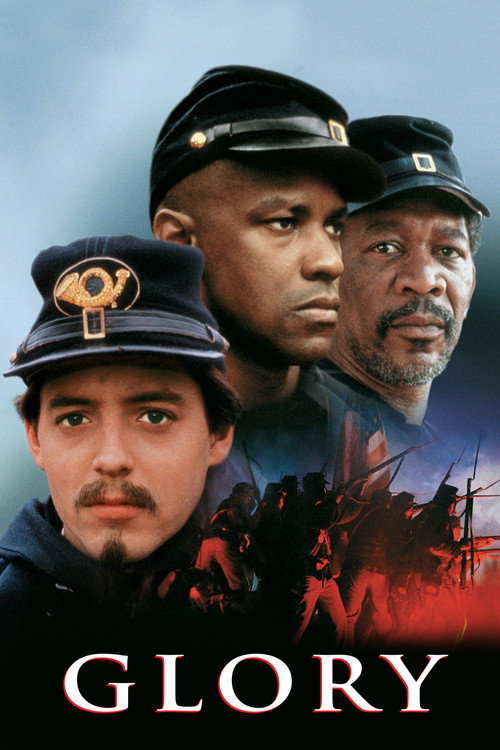
A visceral dramatization of the 54th Massachusetts, America's first Black regiment, with Matthew Broderick leading a powerhouse cast through training, racism, and the horrors of battle. Complements Gettysburg's tactical scope with intimate human cost.
But Lean and fast—a different animal from Gettysburg's methodical length. Some may find it too focused on moral anguish where Gettysburg dwells in command decisions.
The Civil War1990
Ken Burns's documentary series treats the entire war with the same reverence and exhaustive detail Gettysburg lavishes on three days. Photographs, letters, and voices create a haunting companion to any battle study.
But Black-and-white archival footage and a stately pace that makes even Gettysburg seem brisk. Demands patience, but rewards it.
Killer Angels1989
Jeff Shaara's novel—which inspired the film's dialogue—is essential reading for anyone gripped by Gettysburg's portrayal of Lee, Longstreet, and Chamberlain. The book deepens what the film can only sketch.
But It's a book, not a screen, and no film adapts Killer Angels directly. Reading instead of watching feels like work to some; it is.
Not sure tonight? Get a pick in a minute, starting from Gettysburg
The wildcard
Something you would not have found on your own.
The Red Badge of Courage1951
Both are fascinated by the idea of manhood tested by combat, but Gettysburg finds meaning in duty and strategy while Crane finds it in raw psychology. They answer the same question from opposite angles.
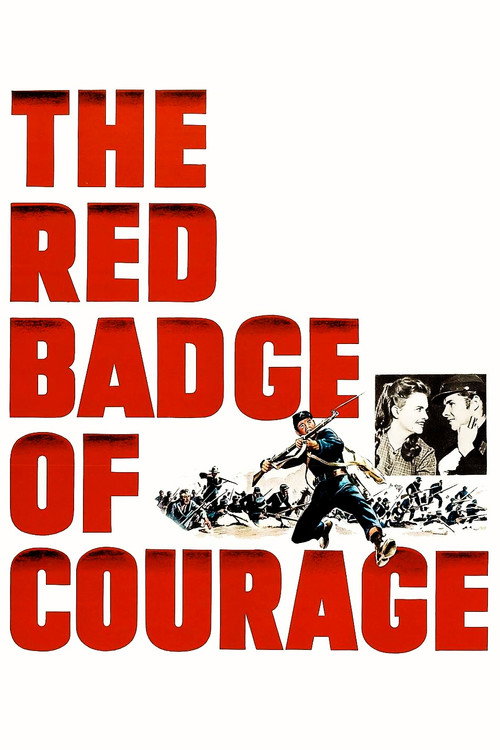
John Huston's black-and-white adaptation of Stephen Crane's novel captures the psychological interior of a single soldier—terror, shame, cowardice, redemption—during an unnamed Civil War battle. Where Gettysburg is panoramic, this is claustrophobic and unflinching about what war does to a young mind.
But Abstract and elliptical compared to Gettysburg's documentary precision. The battle is impressionistic rather than mapped; some find this deliberately vague approach frustrating.
More like this (3)
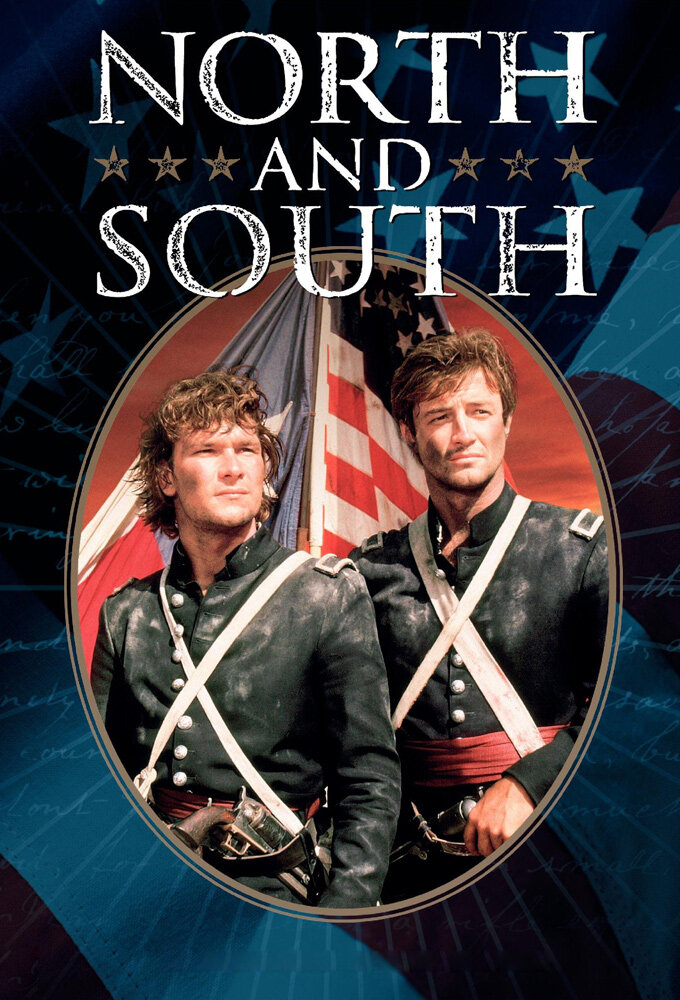
North and South1985
This ABC miniseries traces intimate family lives before, during, and after the war, starring Patrick Swayze and James Read. Gettysburg's battles become personal when you've watched these characters' entire arcs.
But 1980s melodrama sensibility, with romance subplots that can feel dated. Some swoon where others might squirm.
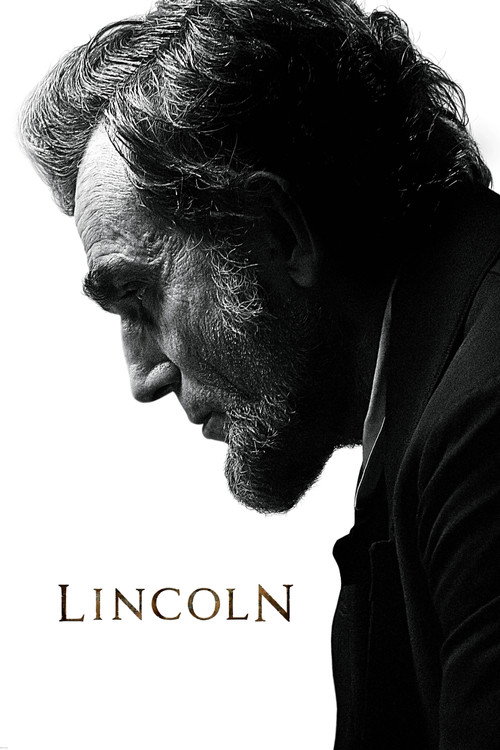
Lincoln2012
Daniel Day-Lewis in a chamber drama about the President during the last months of the war. Gettysburg is the battlefield; Lincoln is the home front, showing how military victory translates to political reality.
But Deliberately slow and speech-heavy. If you found Gettysburg's length burdensome, this will test you further.
Come and See1985
Gettysburg honors the dignity of soldiers and the weight of command; Come and See obliterates any remaining romanticism about warfare. Watch them as counterarguments, not companions.
Elem Klimov's Soviet masterpiece follows a boy conscripted into the Red Army as he witnesses atrocities on the Eastern Front. It's a war film that offers no consolation, strategy, or nobility—only the machinery of human destruction in its rawest form. Harrowing and necessary.
But Not in English, and more importantly, traumatizing by design. This is not entertainment. It is a film that inflicts purposeful harm to make a moral point about war's cost. Some viewers leave it behind; others never forget it.

People
Cast
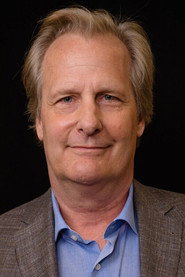 Jeff DanielsCol. Joshua Chamberlain
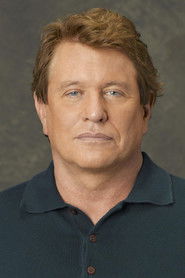 Tom BerengerLieut. Gen. James Longstreet
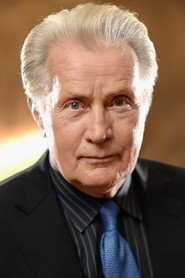 Martin SheenGen. Robert E. Lee
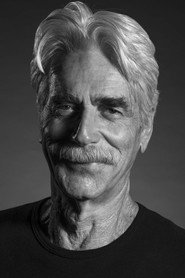 Sam ElliottBrig. Gen. John Buford
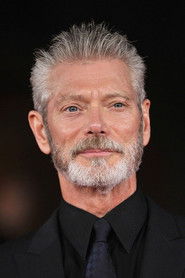 Stephen LangMaj. Gen. George E. Pickett
 C. Thomas HowellLieut. Thomas D. Chamberlain
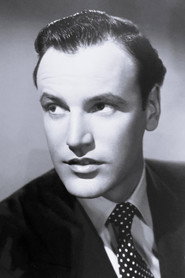 Richard AndersonMaj. Gen. George G. Meade
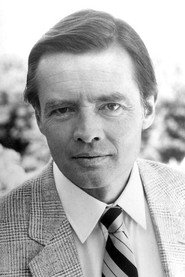 Richard JordanBrig. Gen. Lewis A. Armistead
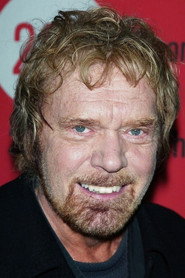 Kevin ConwaySergeant Buster Kilrain
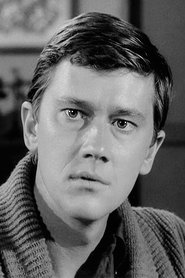 Andrew PrineBrig. Gen. Richard B. Garnett
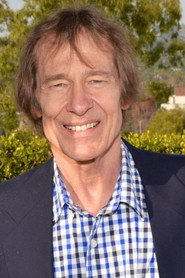 Cooper HuckabeeHenry T. Harrison
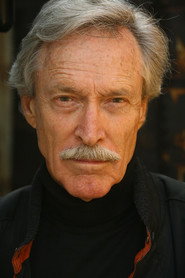 Patrick GormanMaj. Gen. John Bell Hood
Directing
- Chemen A. OchoaAdditional Second Assistant Director
- Ronald F. MaxwellDirector
- Skip CosperFirst Assistant Director
- Dawn C. DreilingScript Supervisor
- Jay SmithSecond Assistant Director
- Karen Estelle CollinsSecond Assistant Director
- Steve BoyumSecond Unit Director
Writing
- Michael ShaaraNovel
- Ronald F. MaxwellScreenplay
Production
- Joy ToddCasting
- Nick LombardoCo-Producer
- James WilbergerExecutive In Charge Of Production
- Mace NeufeldExecutive Producer
- Robert RehmeExecutive Producer
- Moctesuma EsparzaProducer
- Robert KatzProducer
- Cal NaylorUnit Manager
- Graham FordUnit Production Manager
Recommended by
Lincoln, Waterloo, The Alamo, North and South, Gods and Generals, Midway, Sharpe's Rifles, The Red Badge of Courage, Cinco de Mayo: The Battle, Buffalo Soldiers, Andersonville