
Film
The Charge of the Light Brigade
Other titles called The Charge of the Light Brigade: the 1936 film.
Tony Richardson's 1968 film transforms the doomed cavalry charge into a sweeping critique of military hierarchy and imperial folly. Handsomely mounted with a powerhouse ensemble cast, it's a war film that distrusts war—and the men who wage it. For anyone who wants spectacle yoked to moral seriousness, or who loved Kubrick's *Paths of Glory* but wants something more visually sumptuous.
If you liked this
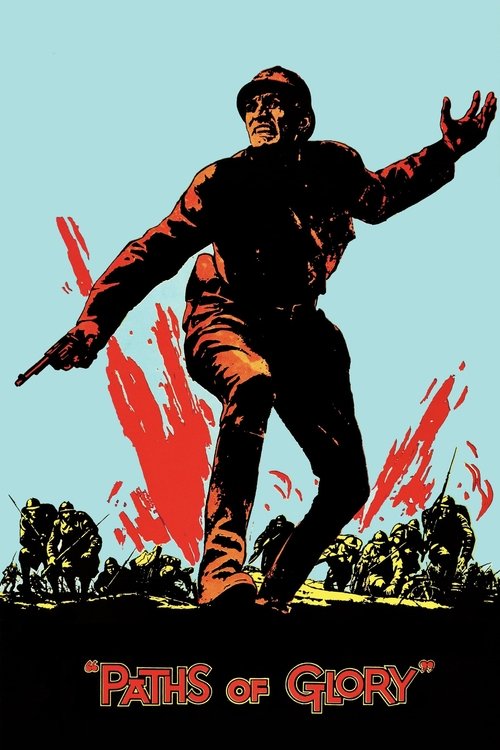
Paths of Glory1957
Kubrick's devastating indictment of military brass sacrificing soldiers for vanity. Similar structure: grand gesture, catastrophic cost, and the machinery of command grinding forward regardless. Absolutely essential cinema.
But Black and white, deliberately static camera work, and a trial sequence that prioritizes argument over action. Not designed to be thrilling.
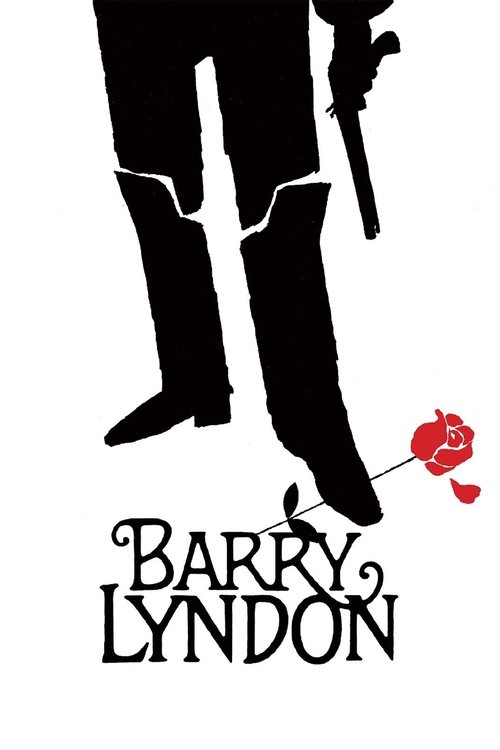
Barry Lyndon1975
Kubrick again, but this time painting 18th-century warfare and aristocracy as a series of painterly tableaux. Like *Charge*, it makes spectacle itself an occasion for doubt. Visually ravishing and morally unsparing.
But Glacially paced. The philosophical inquiry demands patience; narrative urgency takes a back seat.
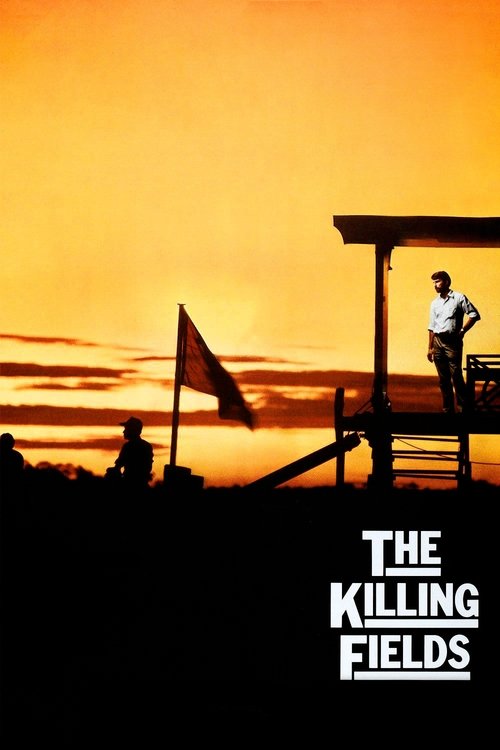
The Killing Fields1984
Roland Joffé's wrenching account of Cambodia under the Khmer Rouge, featuring Sam Waterston and Haing S. Ngor. Shares *Charge's* unflinching portrait of how institutional power destroys individuals. Emotionally overwhelming.
But Extremely graphic violence and depictions of genocide. Not a comfortable watch; it shouldn't be.
Not sure tonight? Get a pick in a minute, starting from The Charge of the Light Brigade
The wildcard
Something you would not have found on your own.
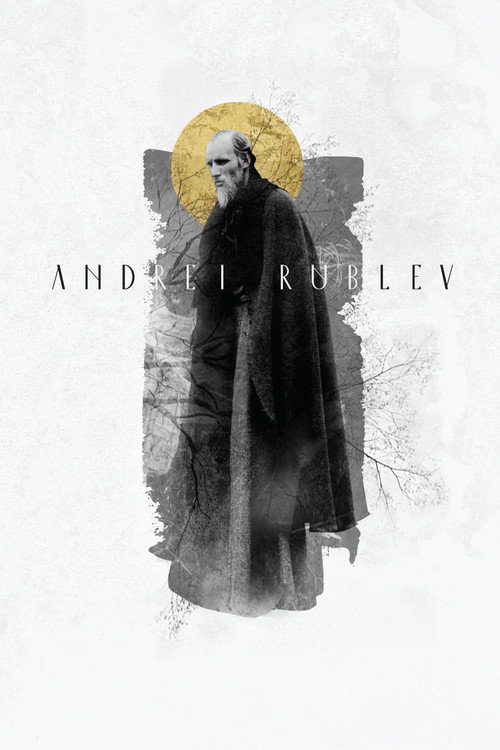
Andrei Rublev1966
Both films use sumptuous period imagery and ensemble casts to argue against romantic visions of the past. Both distrust institutional power and the men who wield it.
Tarkovsky's three-hour meditation on art, faith, and power in medieval Russia—released two years before *Charge*. Both are dense, visual, and skeptical of authority. Both treat history as an occasion for moral reckoning, not nostalgia. Slow-burn mastery.
But Dialogue-sparse, painterly, and requires surrender. Many viewers find it impenetrably slow and austere. Not designed for conventional narrative gratification.
More like this (7)
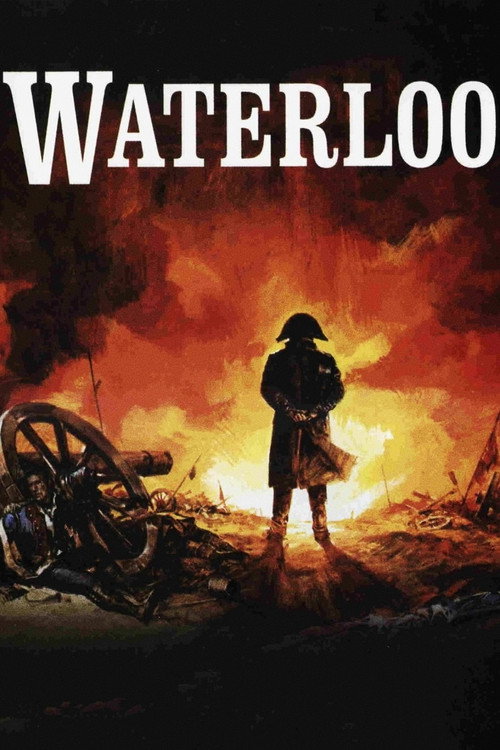
Waterloo1970
Sergei Bondarchuk's epic restaging of Napoleon's final battle, with Rod Steiger as the man himself. Massive in scale and deeply interested in how warfare is mechanized, directed, and ultimately tragic. A genuine spectacle.
But Soviet-Italian co-production from the Cold War; the politics are baked in. Runtime approaches three hours and the pacing is methodical.
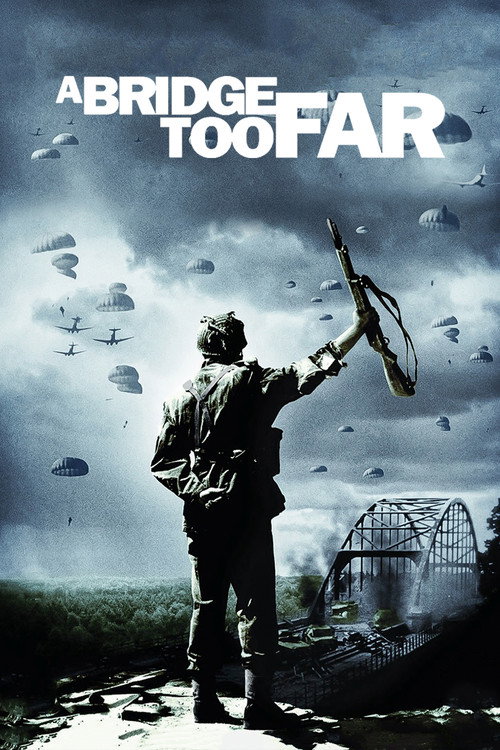
A Bridge Too Far1977
Richard Attenborough's ensemble war drama about Operation Market Garden. Like *Charge*, it's structured around a single, ambitious military gamble that unravels—and it asks who pays the price for miscalculation at the top.
But Star-studded cast occasionally feels like a succession of cameos. Diffuse focus can dilute emotional stakes.
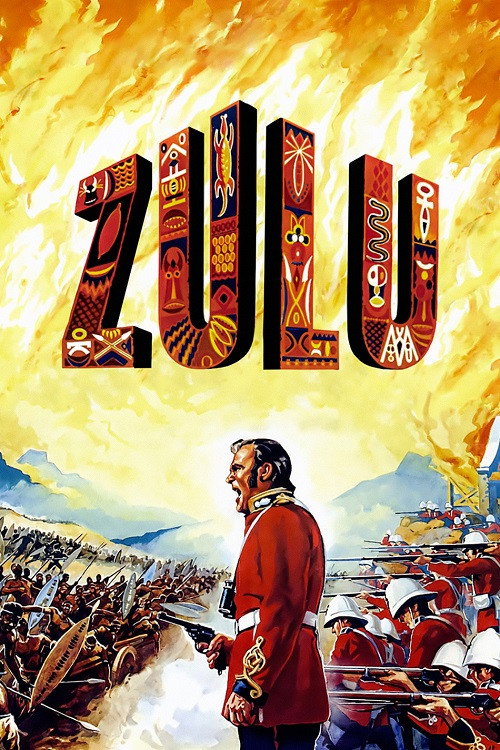
Zulu1964
Michael Caine and Stanley Baker in a siege film about the Battle of Isandlwana. Where *Charge* critiques the gentry, *Zulu* shows ordinary soldiers finding dignity in an impossible stand. Gripping and morally complex.
But Released four years before *Charge*, it's more straightforwardly martial and less interested in condemning the system sending men to die.
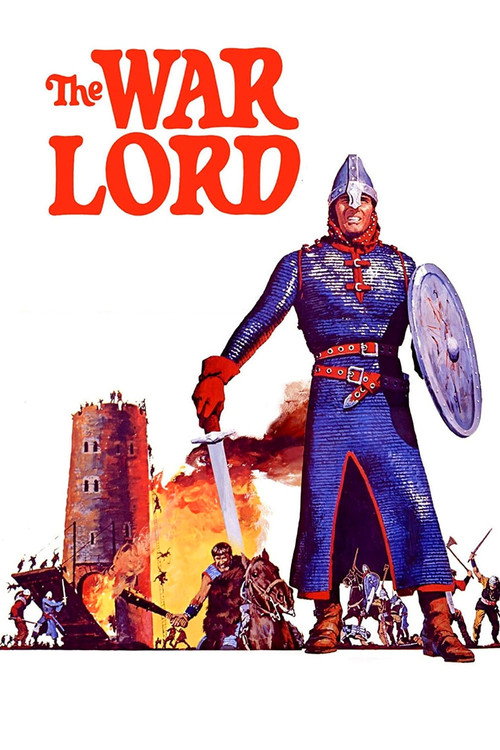
The War Lord1965
Charlton Heston as a Norman knight in medieval times, wrestling with duty, desire, and the exercise of power. Like *Charge*, it's a period piece fascinated by how authority corrupts and isolates. Thoughtful and often beautiful.
But The plot hinges on a troublesome droit du seigneur subplot. It's more drama than action, and the tone can feel uneven.
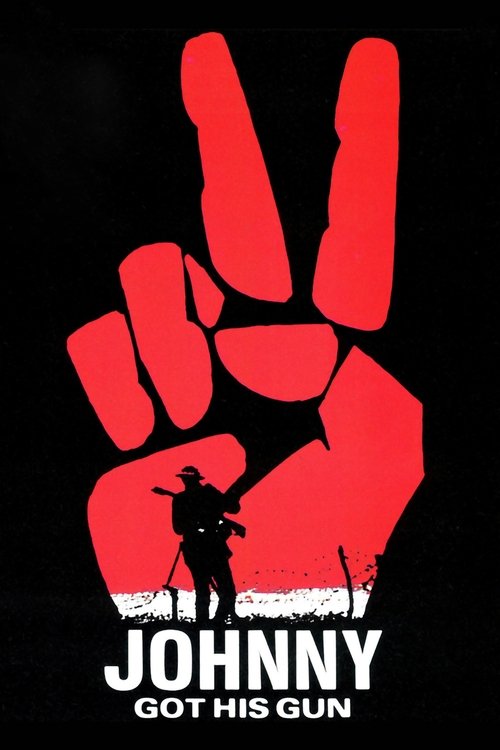
Johnny Got His Gun1971
Dalton Trumbo's harrowing, surreal anti-war film about a disfigured WWI veteran trapped in his own body. Raw, angry, and structurally audacious. Makes *Charge's* critique of military folly visceral and personal.
But Deeply depressing and deliberately punishing. The stylized nightmare sequences can feel overwrought, and the message is never subtle.
The Battle of Algiers1966
Both examine how power hierarchies order men to commit atrocities, and how those men later reckon with what they've done. Both distrust the official narrative of events.
Pontecorvo's black-and-white docudrama about urban terrorism and colonial counter-insurgency during the Algerian War. Shot as newsreel realism but composed with the precision of opera. A masterpiece about how violence spreads and justifications collapse.
But Formally demanding, deliberately stripped of conventional dramatic comfort. Bluntly political, and it doesn't offer easy moral resolution. Some find it propagandistic.

Kes1970
Both are structured around someone—cavalry officer, schoolboy—trapped within an institution that doesn't serve them. Both show how ordinary cruelty persists within systems, and how little the individual can do.
Ken Loach's intimate, realist film about a working-class boy in industrial Yorkshire who trains a hawk. Seems unrelated to *Charge*—until you realize both are about systems crushing the individual. Here it's not war but poverty and institutional indifference.
But Slow, unglamorous, and deeply sad. English regional accent and working-class milieu; some find it bleak and resistance-free. No grand narrative, no heroics.

People
Cast
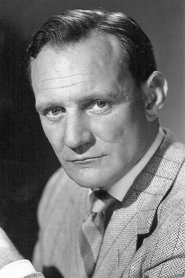 Trevor HowardLord Cardigan
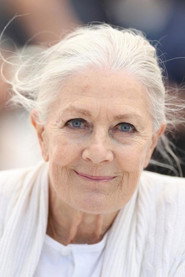 Vanessa RedgraveMrs Clarissa Morris
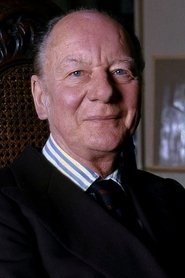 John GielgudLord Raglan
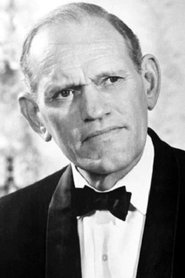 Harry AndrewsLord Lucan
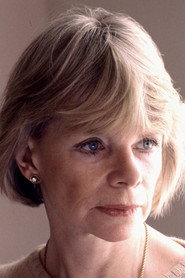 Jill BennettMrs. Fanny Duberly
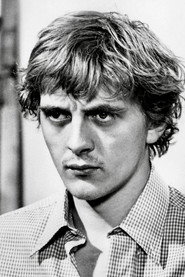 David HemmingsCapt. Louis Edward Nolan
- Ben ArisLt. Maxse
- Micky BakerTrooper Metcalfe
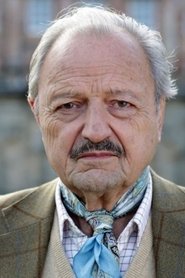 Peter BowlesPaymaster Capt. Duberly
- Leo BrittGeneral Scarlett
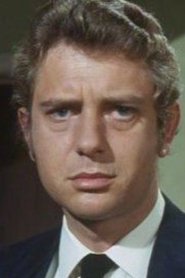 Mark BurnsCaptain Morris
- John J. CarneyTrooper Mitchell
Directing
- Clive ReedAssistant Director
- Tony RichardsonDirector
- Dusty SymondsSecond Assistant Director
- Christian de ChalongeSecond Unit Director
Writing
- Cecil Woodham-SmithStory
- Charles WoodWriter
- John OsborneWriter
Production
- Neil HartleyProducer
- Michael StevensonUnit Manager