
Film
Young Winston
A sweeping historical drama of Churchill's restless youth: boarding school rebellion, cavalry charges in colonial Africa, capture and escape, journalism, and the ambition that carried him toward Parliament. It's a portrait of temperament before legend, handsomely mounted and genuinely gripping about the making of a man who refused to be ordinary.
If you liked this
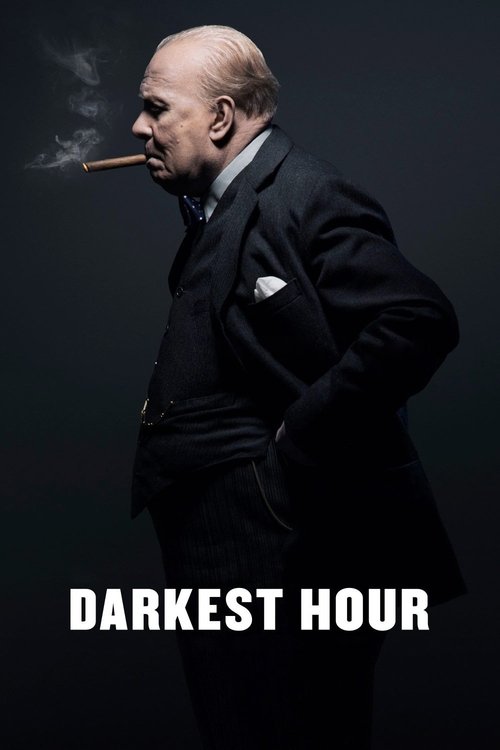
Darkest Hour2017
Gary Oldman's total commitment to Churchill during the 1940 crisis, with meticulous period detail and a script that captures his wit and will under impossible pressure. A masterclass in acting and historical drama.
But It's Churchill at his most famous and mythologized. If you want the real man rather than the icon, the earlier years interest more.
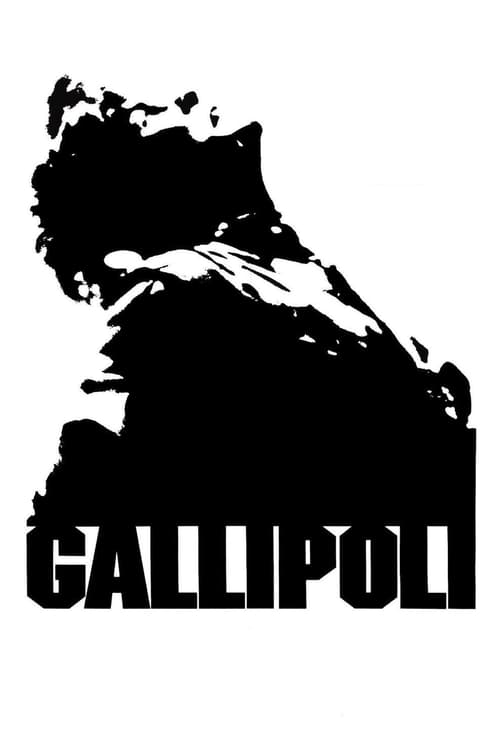
Gallipoli1981
Peter Weir's haunting film about young men marching toward a futile battle. Like Young Winston, it finds truth in a pivotal imperial moment through intimate human detail and refuses easy patriotism.
But It's quieter and more elegiac than Young Winston, with less of the biographical sweep. The tragedy is its whole point.
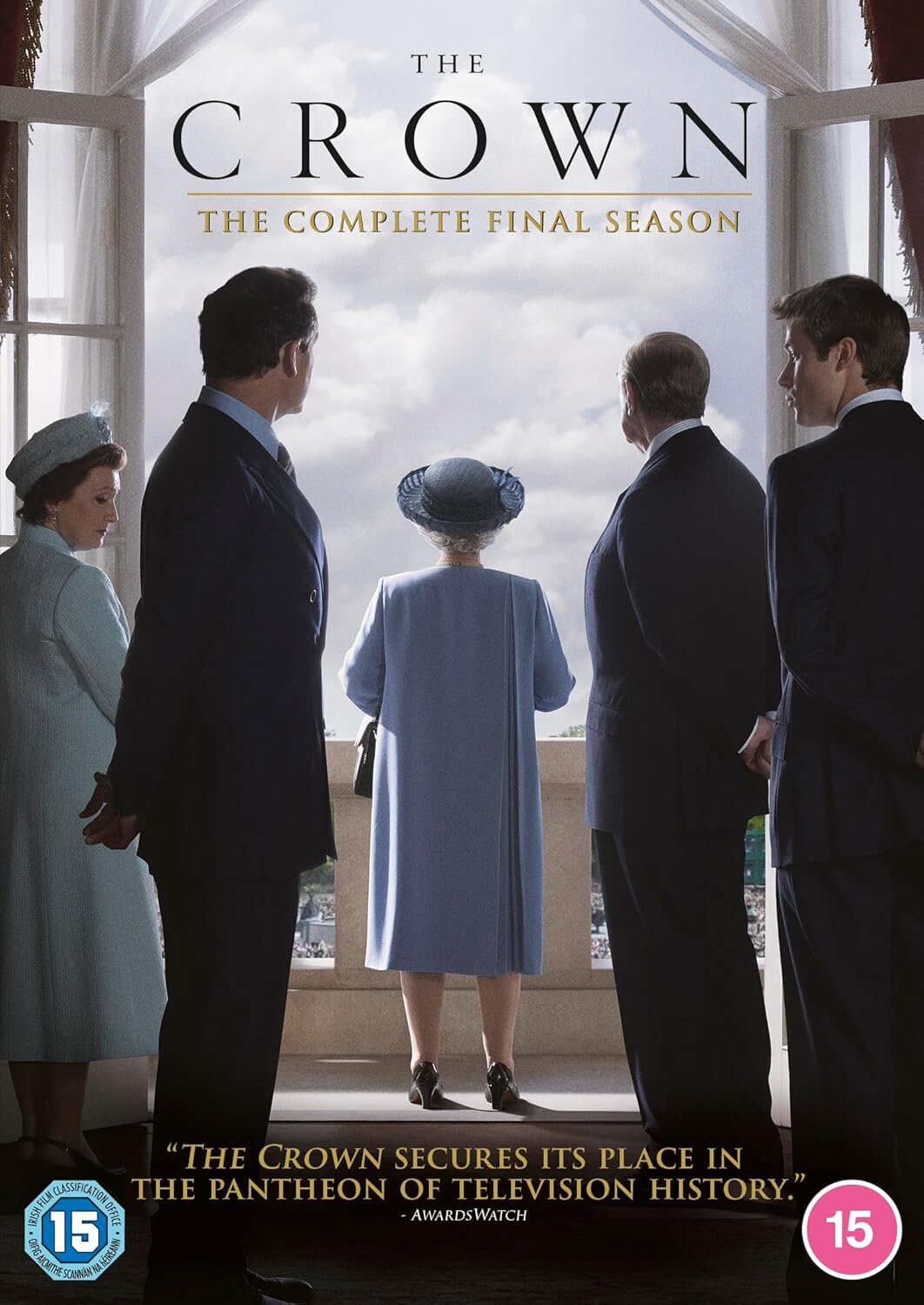
The Crown2016
A decade of Churchill's life rendered with the same care for performance and period. Starts exactly where Young Winston ends, so you get to see the arc continue with John Lithgow in the later years.
But It's a sprawling series, not a focused film. The early Churchill episodes are superb but buried in seasons of other stories.
Not sure tonight? Get a pick in a minute, starting from Young Winston
The wildcard
Something you would not have found on your own.
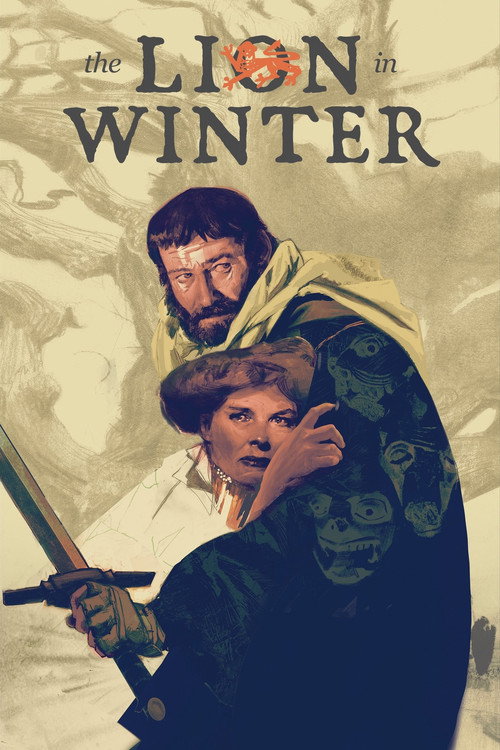
The Lion in Winter1968
Both films understand that the making of a powerful life is about psychology and will overcoming circumstance. Both do their best work in scenes of confrontation and persuasion.
James Goldman's play about power and family, with Peter O'Toole and Katharine Hepburn in brilliant verbal combat. It finds the same essential truth about ambition and legacy that Young Winston pursues, but through an entirely different engine: wit, argument, and the terror of aging out of relevance.
But It's almost entirely dialogue, set in one castle at Christmas. No action, no spectacle. If you want cinema rather than theater, this will feel static.
More like this (7)
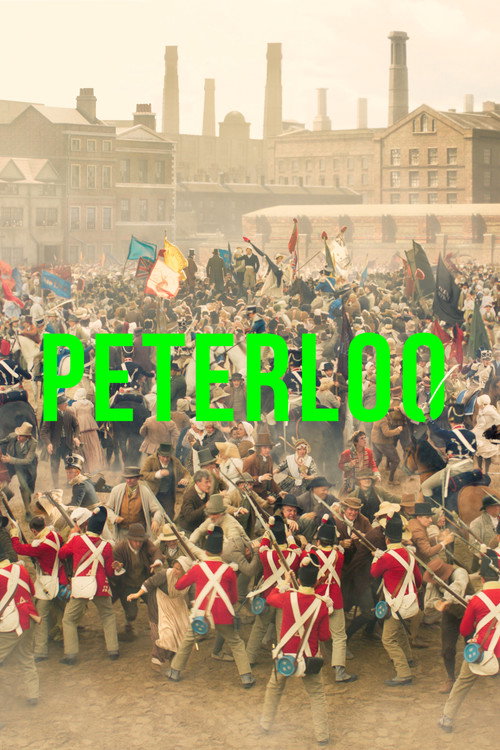
Peterloo2018
Mike Leigh's angry, vivid film about working-class political awakening in 1819. Like Young Winston, it uses historical detail and ensemble acting to make political transformation visceral and personal.
But It's a Leigh film: deliberately paced, emotionally heavy, more interested in process than plot. Not entertainment in the Young Winston sense.
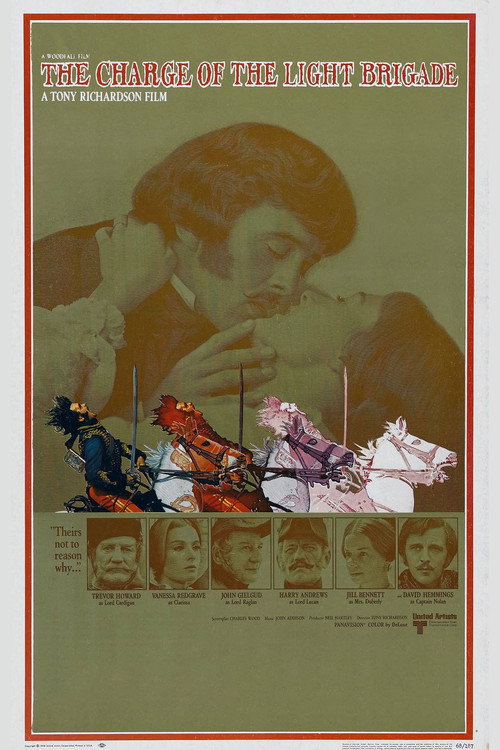
The Charge of the Light Brigade1968
Tony Richardson's revisionist cavalry film about imperial folly, with the same era's sensibility about war and heroism. Gorgeous, strange, skeptical about the mythology Young Winston still partly buys into.
But It's a different beast entirely—more experimental, less narrative drive. And the politics are far more cynical.
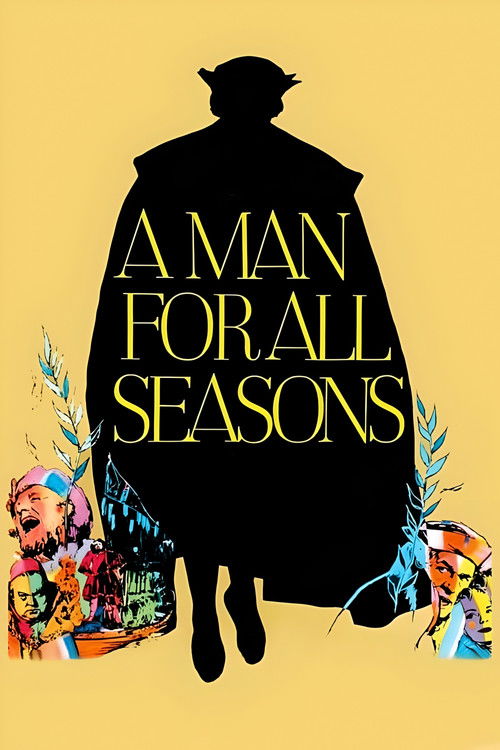
A Man for All Seasons1966
Fred Zinnemann's grave, beautifully acted film about Thomas More and principle. Another biographical drama about a man shaped by conscience and duty, with the same refusal to sentimentalize history.
But It's a stage play adapted for film, which shows in its formality. Much less action, much more dialogue and philosophy.
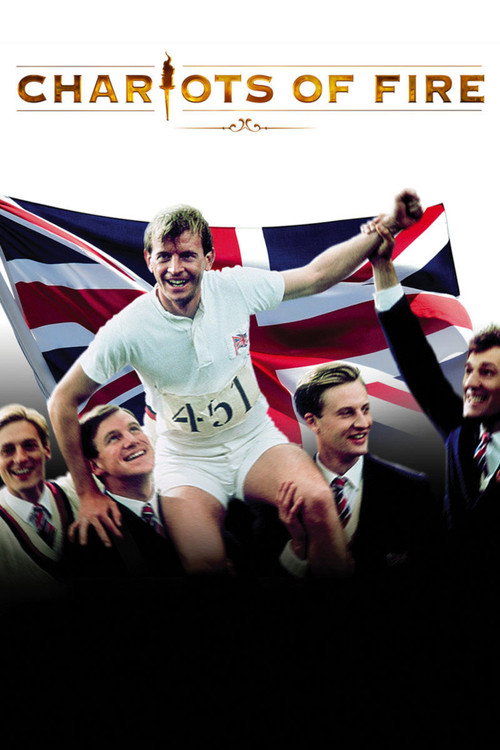
Chariots of Fire1981
Hugely entertaining British period drama with spectacle and character. It shares Young Winston's faith in individual will and historical moment, with the same ensemble energy and sumptuous cinematography.
But It's about athletes, not statesmen, and the emotional register is very different. Much lighter than Young Winston, despite the period detail.
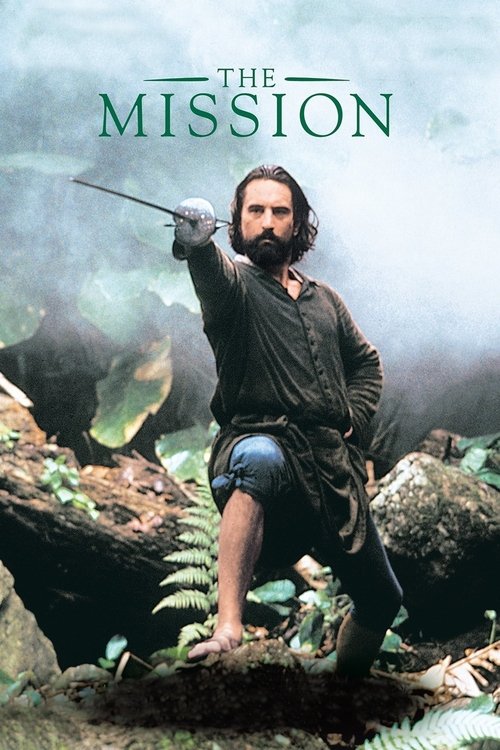
The Mission1986
Roland Joffé's ambitious colonial-era drama about power, faith, and empire. It has the scope and moral seriousness of Young Winston, with stunning cinematography and genuine stakes.
But It's much darker and more pessimistic about imperialism. The pacing is slow and the ending uncompromising in ways Young Winston isn't.
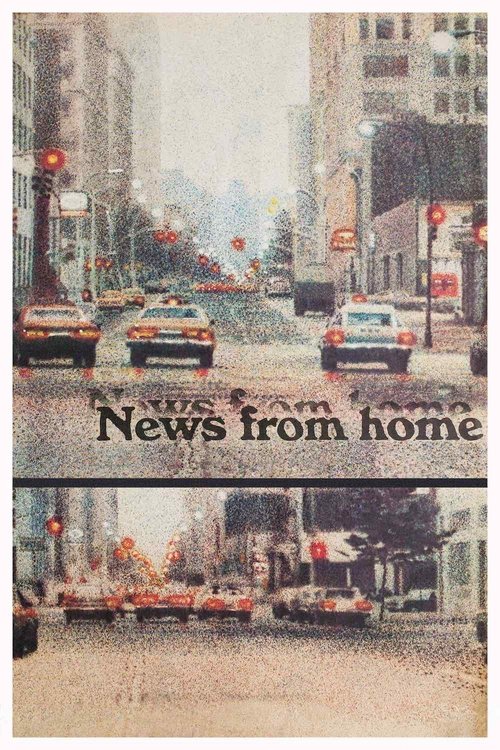
News from Home1976
Both are meditations on early adulthood as a series of departures and transformations. Both find their deepest emotion in the gap between ambition and home.
Chantal Akerman's structural poem—letters from her mother read aloud over New York City footage, no plot or dramatization. It's about ambition, distance, duty, and the loneliness of becoming yourself. Radically minimal where Young Winston is lush, but asking the same question: what does a life become when you chase it this hard?
But It's an avant-garde film with no narrative, characters, or conventional drama. For many viewers it will read as deliberately boring. It requires active engagement from the start.
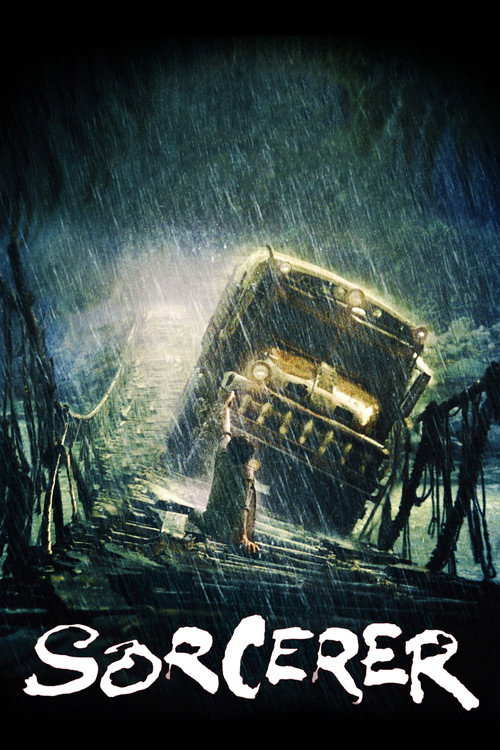
Sorcerer1977
Both films believe that who you are emerges not from intention but from what you do when the world is hostile. Both use extreme circumstances to test their subjects' nerve and will.
William Friedkin's remake of The Wages of Fear: desperate men gambling their lives in the jungle, every choice narrowing their options. Like Young Winston, it's about character revealed through ordeal, with the same gorgeous location cinematography and refusal to make survival easy or comfortable.
But It's brutal and relentless, with no hero's arc. Churchill survives and triumphs; these men do neither. And Friedkin's style is punishing—long, tense, deliberately slow.
People
Cast
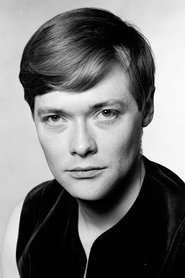 Simon WardWinston Churchill
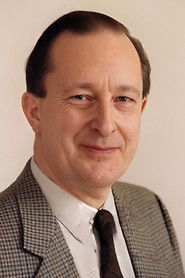 Peter CellierLe capitaine du 35e Sikhs
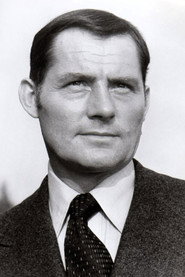 Robert ShawLord Randolph Churchill
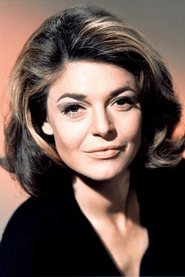 Anne BancroftLady Jennie Churchill
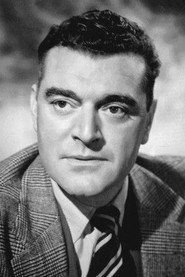 Jack HawkinsMr. Welldon
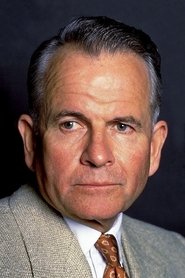 Ian HolmGeorge E. Buckle
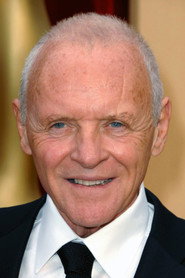 Anthony HopkinsDavid Llyod George
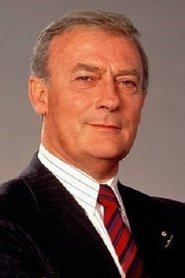 Edward WoodwardCaptain Aylmer Haldane
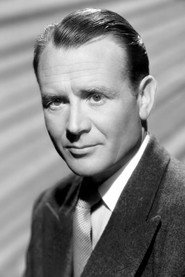 John MillsGeneral Kitchner
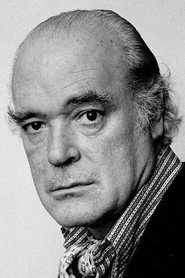 Patrick MageeGeneral Bindon Blood
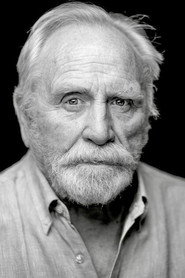 James CosmoOfficer on Train
 Jane SeymourPamela Plowden
Directing
- Ann SkinnerContinuity
- Richard AttenboroughDirector
Writing
- Carl ForemanScreenplay
Production
- Miriam BrickmanCasting
- Carl ForemanProducer