Television series
Secret Army
A BBC drama following a Belgian resistance network smuggling shot-down Allied airmen back to Britain during WWII. Tense, character-driven, and grounded in real operational detail, it's a thinking person's spy thriller that treats the work as unglamorous logistics and constant danger. For anyone who loves espionage with stakes that actually matter.
Should you watch it?
Watch it if you like wartime stories where the danger lives in small talk, forged papers and a bored officer's suspicion, and where a band of amateurs slowly learns to be careful.
Skip it if you want the Second World War in its full cinematic sweep, since this is a modest drama with 1970s pacing and plenty of talk between safe houses.
What it asks of you: Commit to fifty-five-minute episodes across three series, forty-two in all, with patience for slow, dialogue-heavy scenes that build tension rather than release it.
Not sure? Find tonight's pick in a minute.
If you liked this
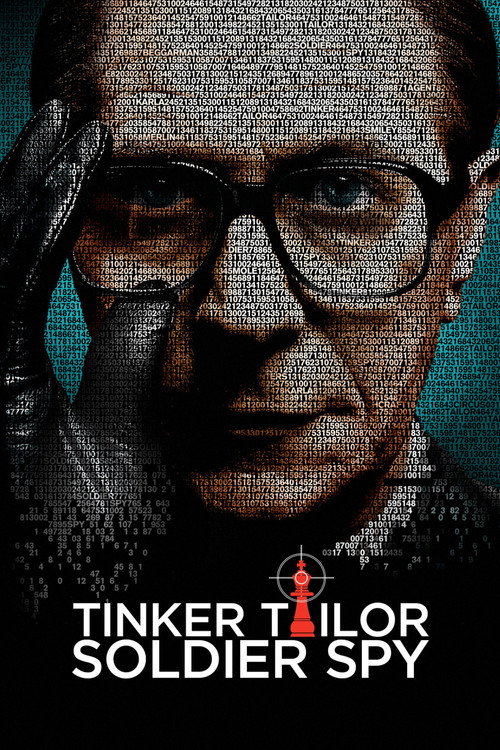
Tinker Tailor Soldier Spy2011
Le Carré's Cold War masterpiece about betrayal and mole-hunting within British intelligence. Methodical, atmospheric, built on dialogue and performance rather than action. If you loved the procedural tension of Secret Army, this is the cerebral endpoint.
But Alec Guinness is muted to the point of invisibility, and the pacing is glacial. Genuinely requires attention; it will punish distraction.
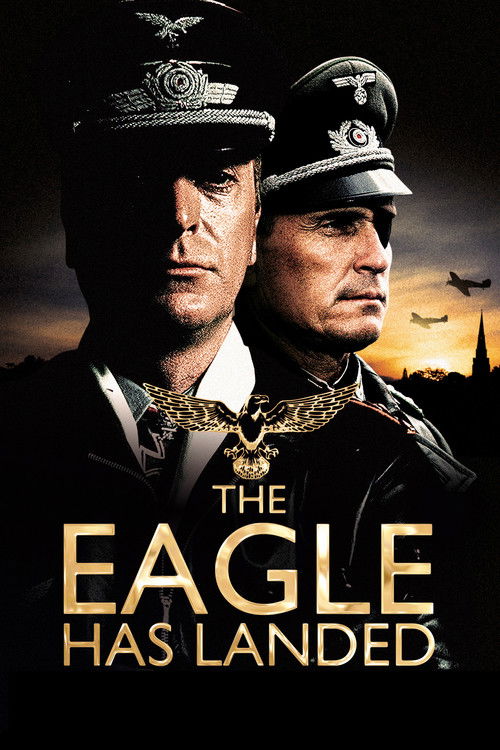
The Eagle Has Landed1976
WWII commando thriller with Jack Higgins' knack for intricate planning and double-crosses. Military precision meets human uncertainty. The kind of film that respects an audience's appetite for detail without sacrificing momentum.
But Donald Sutherland chews the scenery as the villain, and the climax leans more action-film than spy-craft. Some won't forgive the tonal shift.
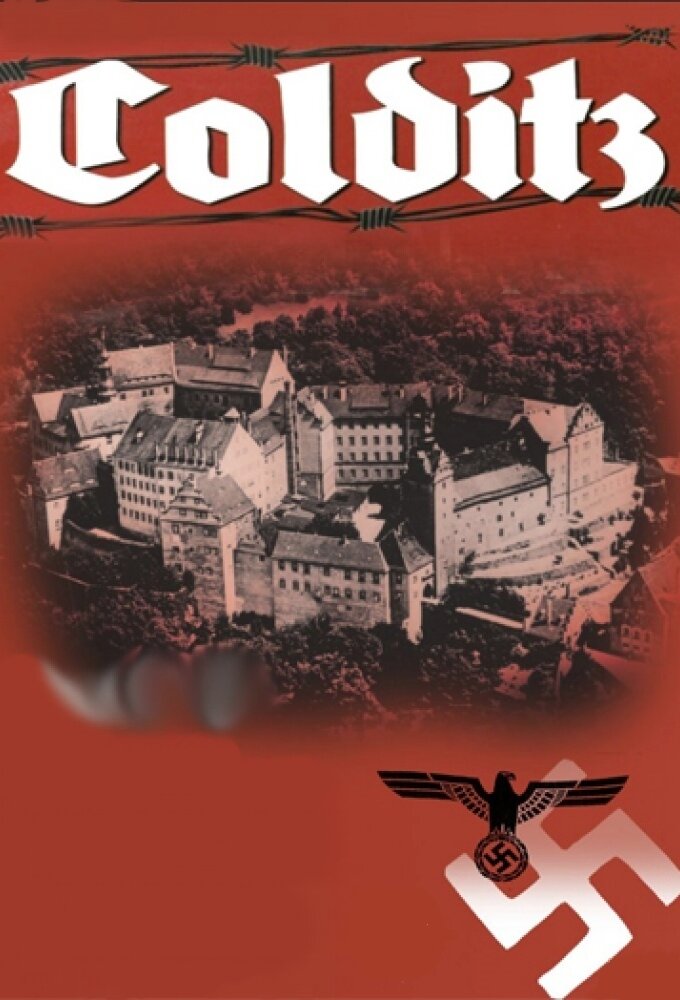
Colditz1972
BBC POW drama series where the real tension comes from escape planning, psychology, and the chess game between captors and prisoners. Similar DNA to Secret Army: intelligence work rendered as meticulous human effort under pressure.
But Episodic and occasionally dated in its production values. The payoff is cumulative, not immediate—doesn't suit viewers wanting neat resolutions.
Not sure tonight? Get a pick in a minute, starting from Secret Army
The wildcard
Something you would not have found on your own.
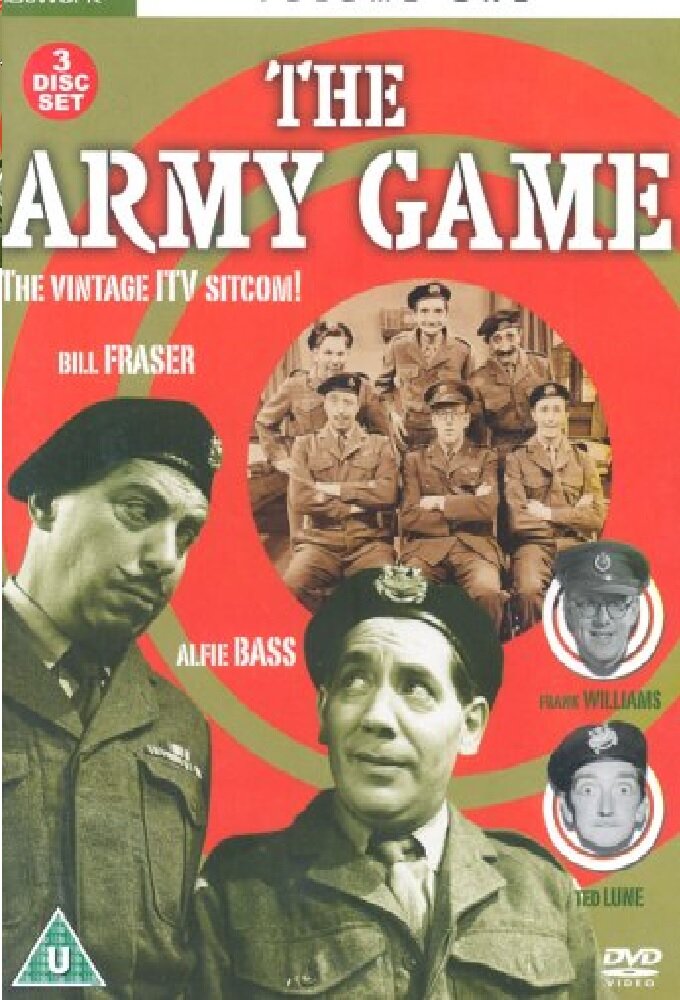
The Army Game1957
Both Secret Army and The Army Game are BBC productions interested in how ordinary people experience military structures and state power. One plays it for laughs, one for stakes, but both treat the military as a social fact worth exploring rather than background scenery. They're asking the same question: what happens when civilians are thrust into systems built to control them?
British sitcom about conscripts in an Army barracks during peacetime. Seems fluff—is actually a window into post-war British culture, class anxiety, and the lived experience of ordinary men in uniform. Breezy, funny, but grounded in real social observation.
But It's a 1950s sitcom: broad comedy, studio sets, laugh track. The humour has aged, and viewers seeking drama will find it jarring. Patience required to let it breathe.
More like this (8)
The Third Man1949
Carol Reed's Vienna noir about occupied territory, black markets, and moral compromise. That atmosphere of danger lurking beneath bureaucratic surfaces, the sense that every conversation is reconnaissance. It's what Secret Army echoes.
But Orson Welles is barely in it despite the billing, and the zither score is distracting to modern ears. The pacing is deliberate—patience required.

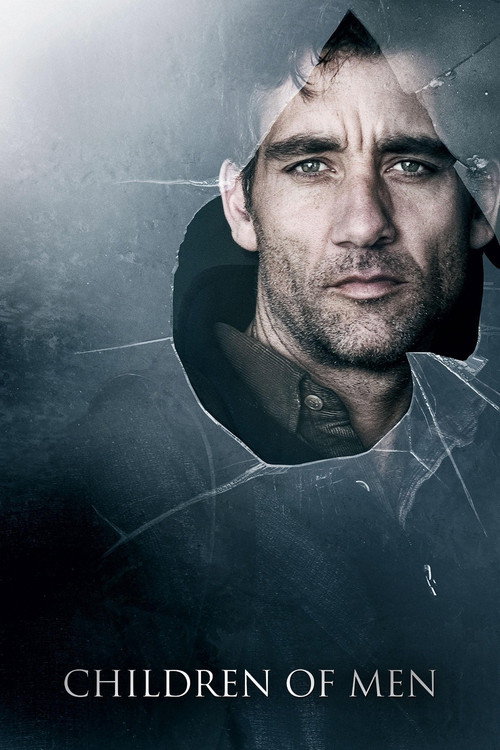
Children of Men2006
Cuarón's dystopia functions like a resistance thriller: low-key, document-focused, about moving people through hostile checkpoints. The aesthetic of ordinary people doing dangerous work in a world turned hostile. Morally urgent without melodrama.
But The depiction of refugees and violence is bleak and unrelenting. Long takes and minimal cutting can feel deliberately uncomfortable rather than immersive.
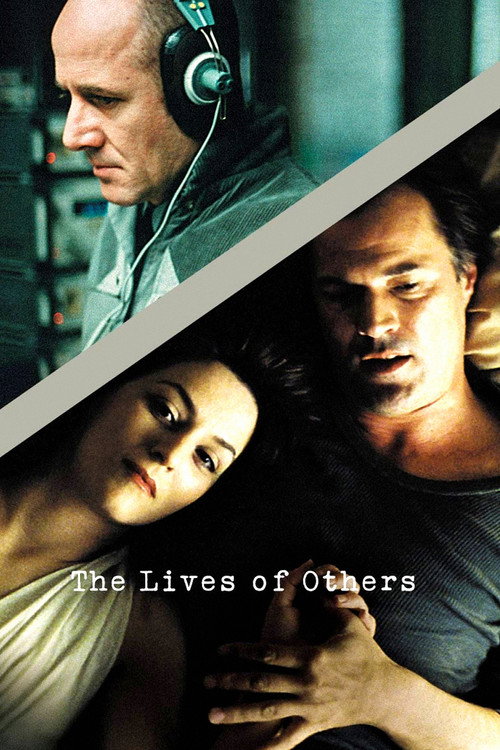
The Lives of Others2006
East German secret police surveillance drama. Methodical, character-centered exploration of what it means to choose conscience over compliance. The espionage is internal—moral rather than tactical—but the tension is absolute.
But Subtitled and dense with political context. Some viewers find the pacing ponderous; others locate that pacing as the entire point.
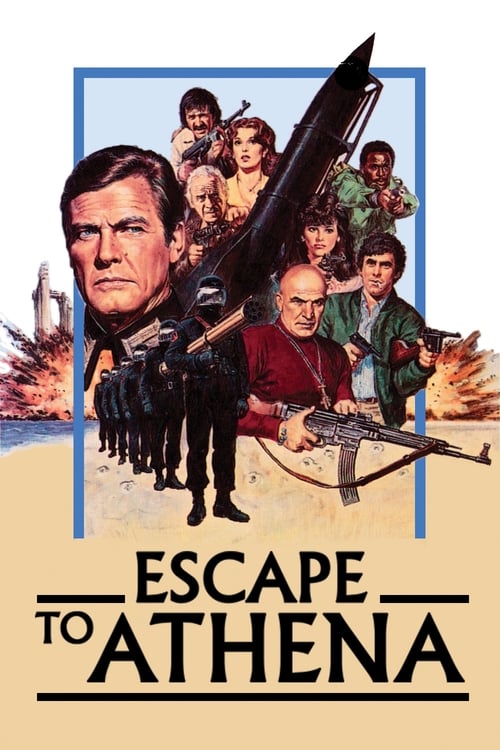
Escape to Athena1979
POW escape film with surprising depth: Roger Moore and Telly Savalas in a WWII mission that blends heist logic with wartime stakes. Lighter than Secret Army but built on the same satisfaction of a plan coming together.
But It's a Roger Moore film from 1979. If that sentence fills you with dread, your instincts are partially correct. Dated and uneven, though more entertaining than it should be.
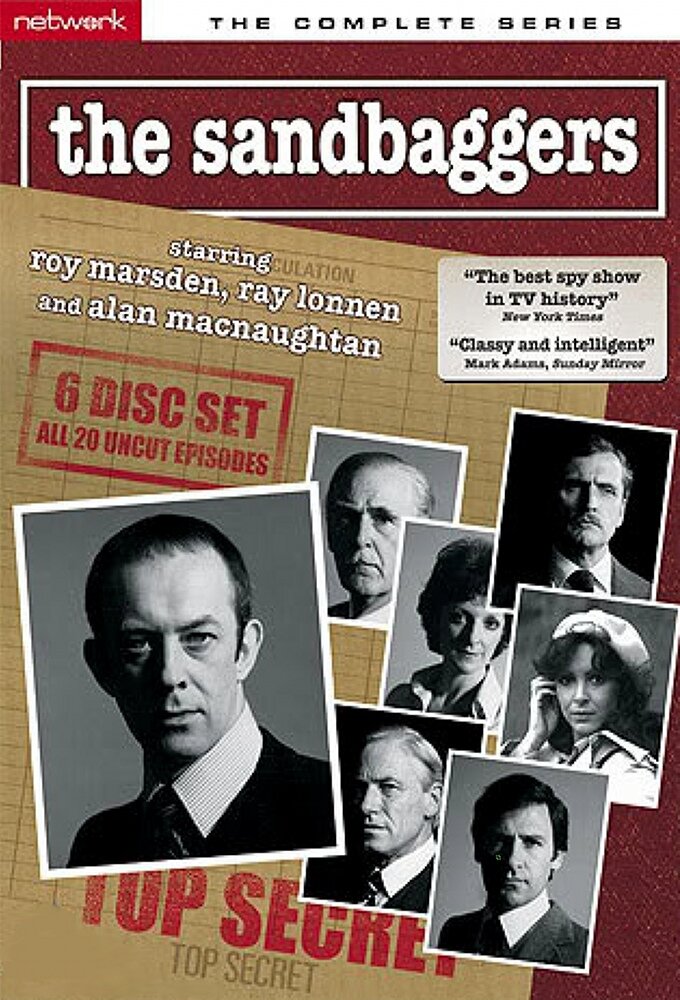
The Sandbaggers1978
ITV spy series contemporaneous with Secret Army, following a covert ops team. Realistic espionage tradecraft, political complexity, characters who make mistakes and live with them. Intelligent and pared-down, no Hollywood gloss.
But Almost impossible to find in good quality. Cancelled mid-series and rarely repeated; seeking it out requires real determination.
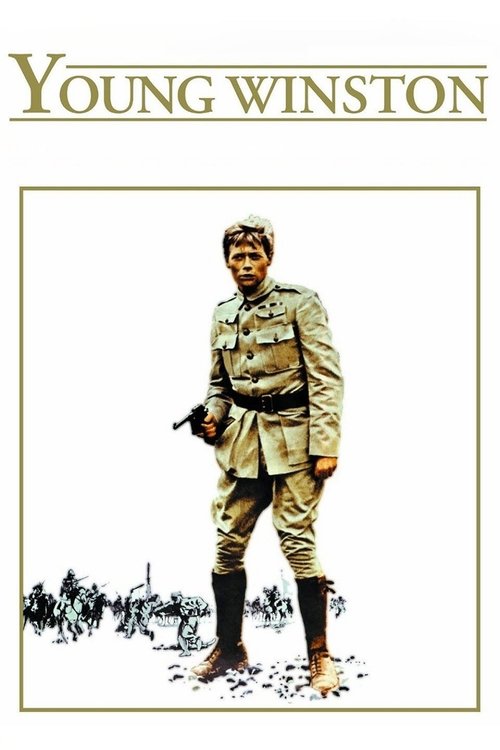
Young Winston1972
Richard Attenborough's chronicle of Churchill's early life during colonial wars and the Boer War. Sweeping but intimate, it's a war film more interested in ambition and conscience than bullets. An unusual entry point to thinking about WWII drama.
But At 145 minutes it's a commitment, and it's essentially a very long political biography. The battle scenes matter less than the drawing-room strategy, which isn't everyone's appetite.
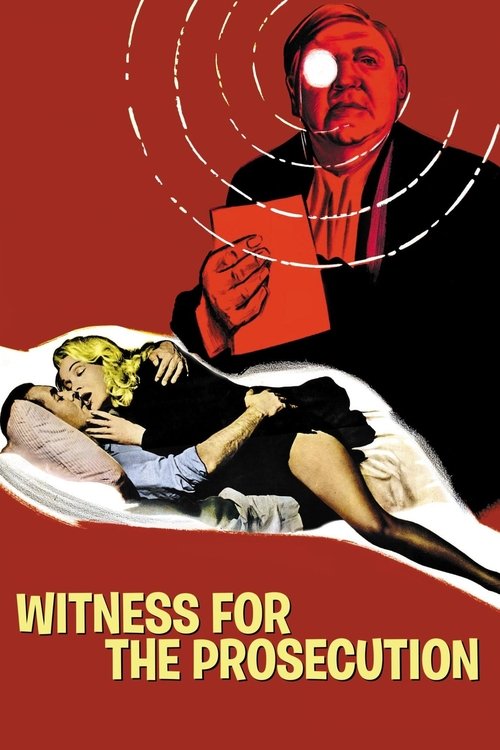
Witness for the Prosecution1957
Both works are obsessed with the performance of identity under pressure. In Secret Army, agents must live convincing false lives or die. In Witness, a witness's true identity is a plot mechanism. Both ask: when lying is essential, when does the lie become the only truth? Both treat deception not as moral failing but as survival.
Courtroom thriller built on secrets, false identities, and the question of whether anyone can truly know another person. Agatha Christie's plot is a machine, but it's the human mechanics—trust, betrayal, performance—that matter. Relentless and perfectly constructed.
But It's a stage-bound courtroom drama; very little happens outside dialogue and revelation. If you need movement and spectacle, this will feel static. Also spoiler-sensitive—the ending's brilliance depends on not seeing it coming.
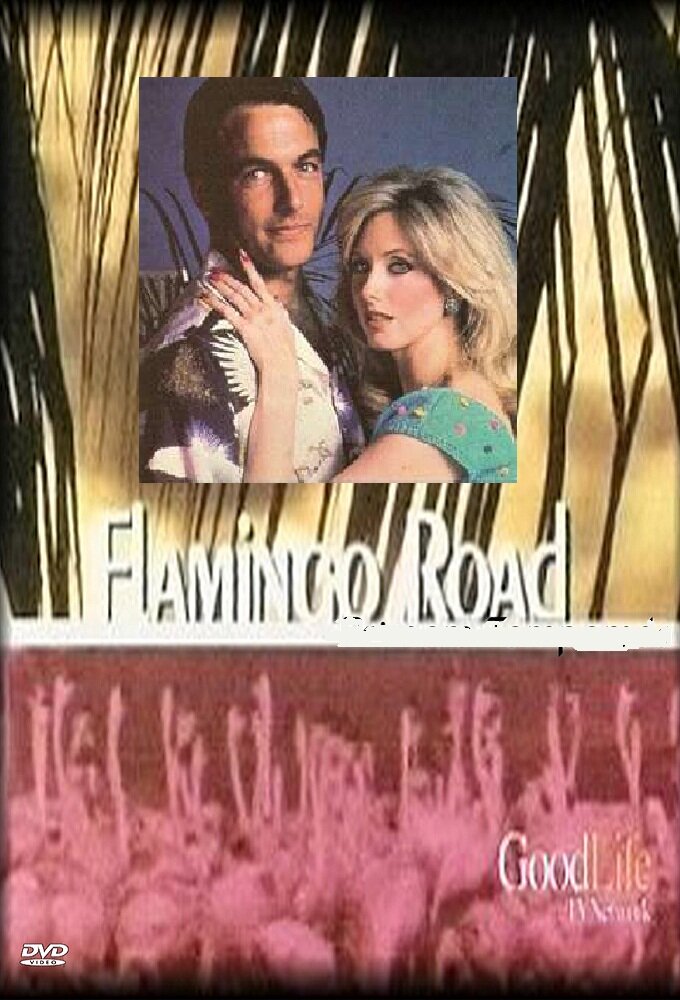
Flamingo Road1981
Secret Army operates in a world where one person holds another's life in their hands—arrest means death. Flamingo Road plays the same power dynamic but domestically: one person holds blackmail over another. Both are really about coercion, leverage, and the ordinary cruelty of people with power over people without it. One is wartime espionage, one is Southern Gothic trash, but they're studying the same emotional machinery from opposite angles.
American soap following a woman blackmailed into servitude in a Southern town. Sounds trashy (and is); actually a sharp study of power, leverage, and how ordinary cruelty becomes systemic. Joan Crawford owns every frame. Camp, unironic, utterly gripping.
But It's a primetime soap: heightened dialogue, melodrama, ridiculous plotting. If you need realism or restraint, this will feel absurd. The appeal requires you to surrender to soap logic entirely.