
Television series
Colditz
Colditz follows Allied prisoners of war held in a fortress castle during World War II as they scheme, plan, and attempt daring escapes. It's a tense procedural of ingenuity against confinement—less about action and more about the psychological chess match between captors and captives. For anyone who loves disciplined, clever plotting and the particular electricity of stories about people outwitting systems.
If you liked this
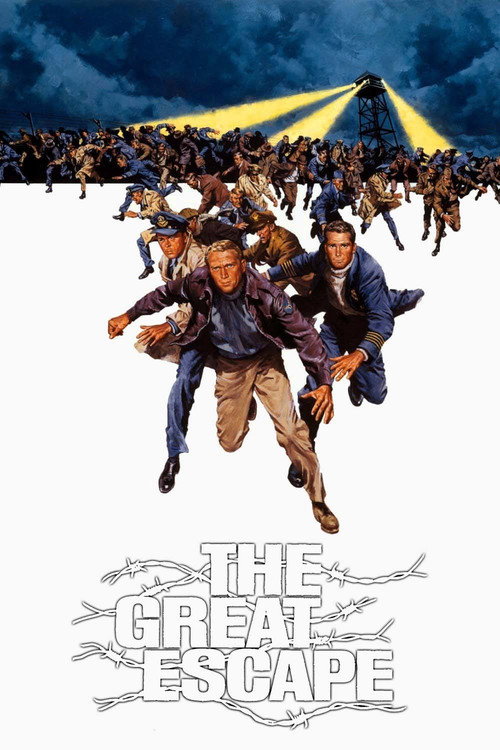
The Great Escape1963
The definitive escape film, with sweeping scope and a stellar ensemble cast executing an intricate plan. If you loved the ingenuity and camaraderie of Colditz, this is the cinema version of that exact impulse.
But Two hours of measured build-up before the actual escape. It's a long film that asks patience, and some of the character work gets buried in the scale.
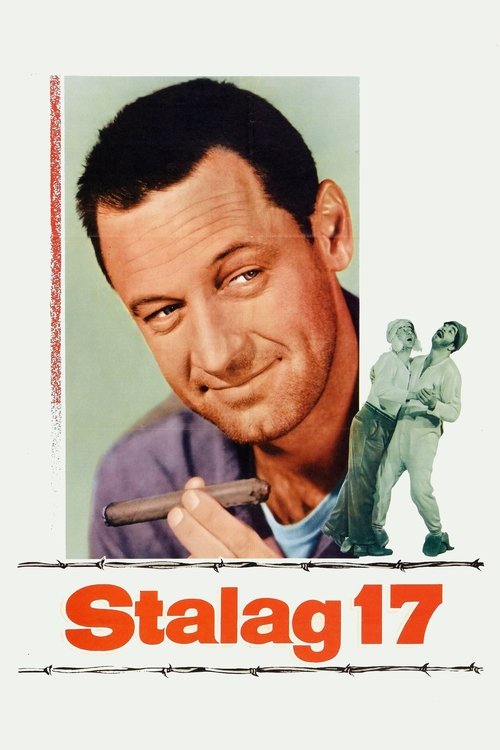
Stalag 171953
A tighter, darker take on POW life—less about heroics and more about paranoia, suspicion, and survival. Billy Wilder brings real cynicism to the prison camp story, finding the human cost beneath the spectacle.
But It's cynical and cold in places. The moral landscape is murkier than Colditz, which some find uncomfortable.
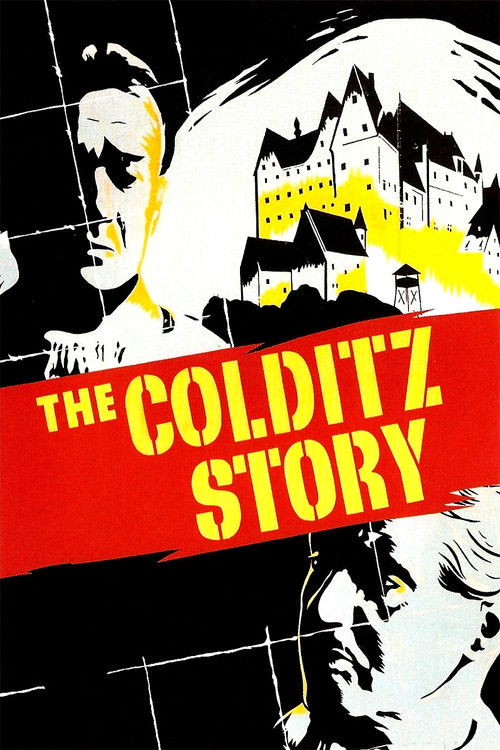
The Colditz Story1955
The actual film that inspired the TV series, based on the real P.R. Reid's memoir. It has the same DNA as the show but compressed into a feature, with the authentic weight of true events and real escapes.
But It's slower and more episodic than modern films; the pacing feels very 1950s. Some threads feel loose because the real story doesn't have three-act structure.
Not sure tonight? Get a pick in a minute, starting from Colditz
The wildcard
Something you would not have found on your own.
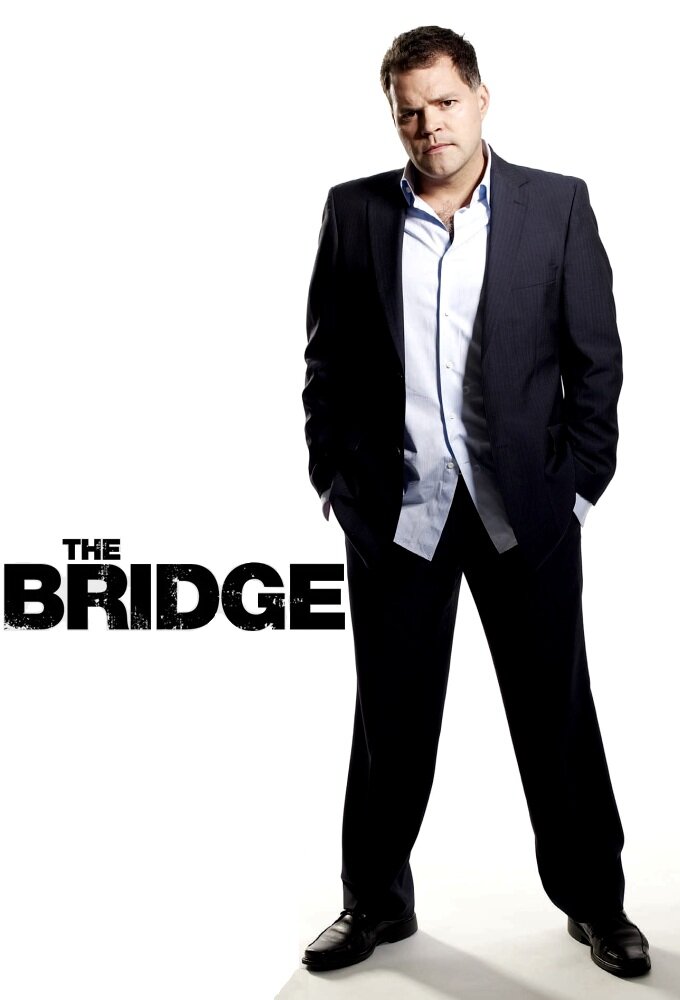
The Bridge2010
Both use procedural structure as a way to examine how intelligent people navigate impossible constraints; both pit individual will against institutional machinery; both find their tension in planning, deception, and the long war of wits.
A Scandinavian thriller about two detectives hunting a killer, but it's really about systems of order breaking down and small acts of defiance within them. The procedural patience and cat-and-mouse psychology are pure Colditz, transplanted to a contemporary crime narrative.
But It's bleak and methodical to the point of coldness. The pace is European—glacial—and the darkness is unrelenting. Many will find it oppressive.
More like this (8)
Catch-221970
Not a prison film, but a masterclass in depicting systems of confinement and the men trapped inside them. The tonal shifts between absurdity and horror mirror the psychological reality of Colditz's pressure-cooker atmosphere.
But It's bewildering and deliberately incoherent. If you want a story that resolves cleanly, this will frustrate you.
The Wooden Horse1950
A British POW escape film with the same methodical, unglamorous approach as Colditz. It celebrates patience and improvisation over daring, and the three-man bond feels genuinely earned.
But Genuinely obscure now; it's not slick cinema. The drama is muted and the pacing deliberate in ways that can feel stately.
Escape to Athena1979
A more action-oriented take on the POW escape template, with Roger Moore and Telly Savalas. It's fun and propulsive, showing how the genre evolved after Colditz.
But It trades realism for adventure. If you're watching Colditz for authenticity and psychological depth, this will feel like schlock.
King Rat1965
A POW camp drama that focuses on moral corruption—how survival compromises character. It's bleaker than Colditz and more interested in what confinement does to the soul.
But There's no escape, no heroism, no redemption arc. It's a study of degradation, which makes it depressing if you need hope in your war stories.
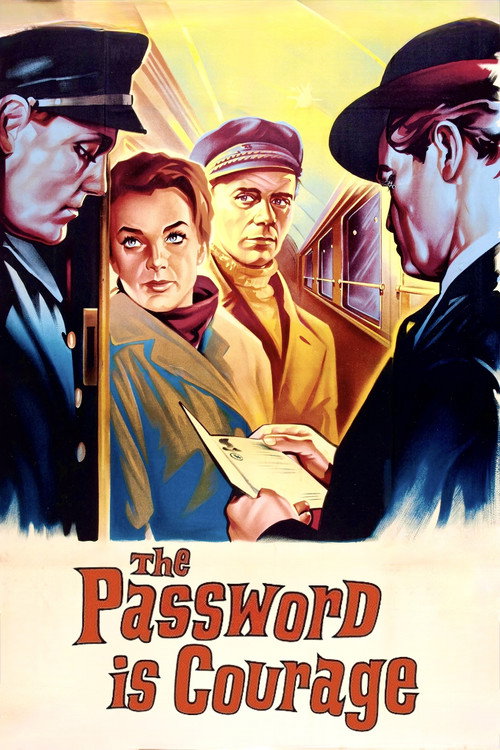
The Password Is Courage1962
Based on a real escape artist, it has Colditz's ingenuity and resourcefulness but cranks up the individual derring-do. It's lighter and more picaresque than the TV series.
But The tone is almost comedic at times, which dilutes the stakes. It feels dated and a touch hammy compared to Colditz's discipline.
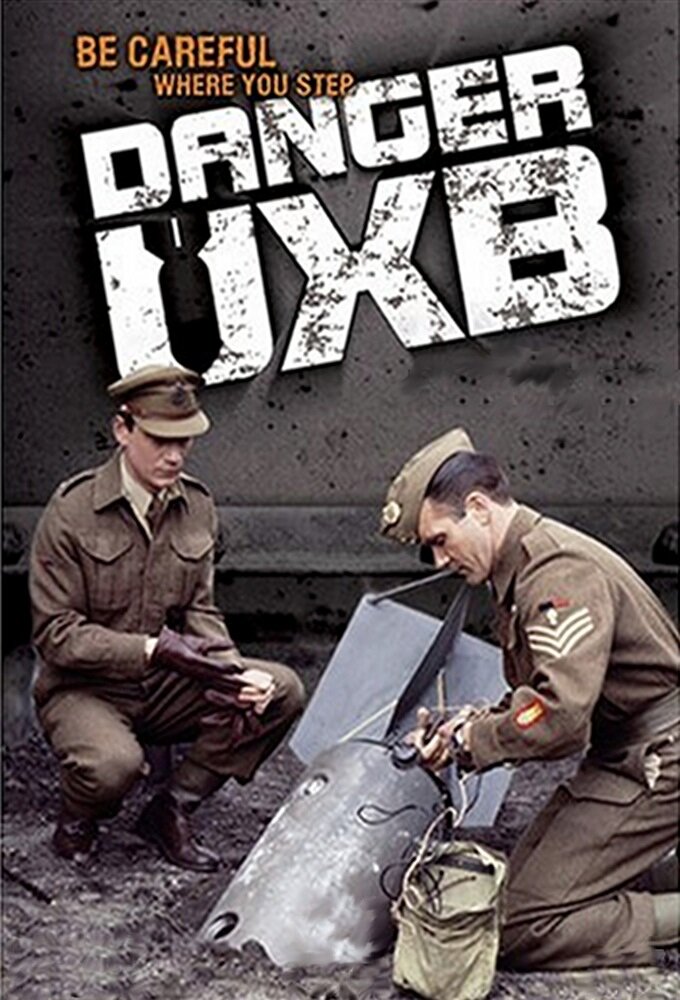
Danger UXB1979
A British drama series about bomb disposal during the Blitz—same era, same network sensibility, same focus on men executing technical procedures under impossible pressure. The procedural tension is nearly identical.
But It's not about escape or agency in the same way. The men are trying to survive by doing their duty, not by outwitting captors, so the emotional texture is quite different.
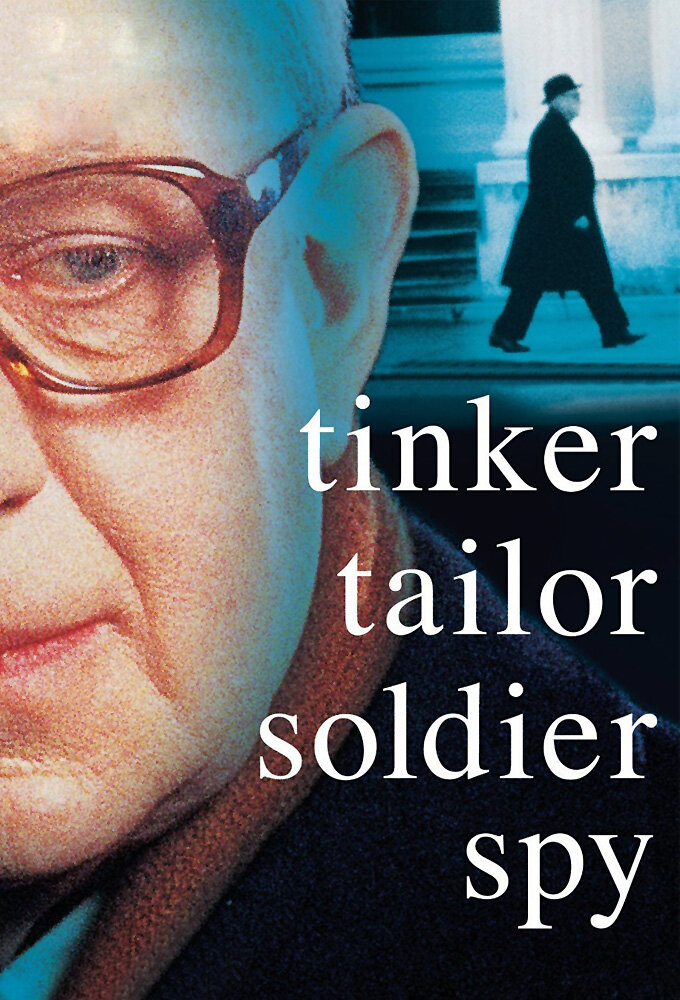
Tinker Tailor Soldier Spy1979
Both are about captivity—literal in Colditz, institutional in Tinker Tailor—and both dramatize escape or survival through intellectual superiority and patience rather than physical heroics.
A Soviet mole hunted within British Intelligence—it's espionage as paranoid chess game. Like Colditz, every scene is about information, trust, and layers of deception. Nothing is action; everything is psychological positioning.
But Glacially paced. There is no comfort and no clear resolution. If you need catharsis or momentum, this will feel like slow strangulation.
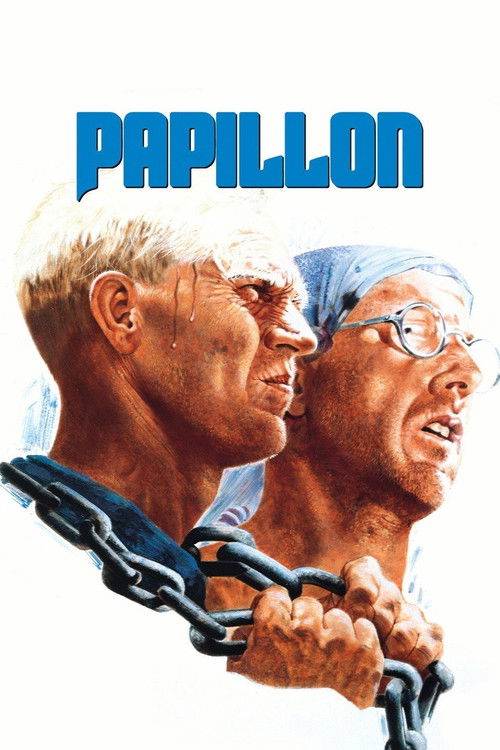
Papillon1973
Both follow men imprisoned for war (literal or judicial) and use their attempts at escape as a study of what resilience and ingenuity can achieve; both are ultimately about the indomitable refusal to accept captivity.
A French prison escape epic based on real events, with Steve McQueen as a lifer wrongly convicted. It has Colditz's escape obsession but adds physical suffering and a spiritual dimension—the prison is internal and external.
But Brutal and gratuitously violent in places. The depiction of prison degradation is unflinching, and not everyone wants that visceral a portrait of confinement.
People
Cast





Recommended by
Secret Army, Escape to Victory, The One That Got Away, Warship