
Film
The Last Breath
- Body horror
- Crime
- Very dark
A 2014 Albanian film confronting a harrowing true story from 1990s Kosovo: a young woman subjected to medical experiments during pregnancy by Serbian forces. It's an unflinching, deeply difficult watch—intimate and brutal—made for those willing to sit with historical trauma and witness survival against impossible odds.
Should you watch it?
Watch it if you want a restrained, character-first account of a true story from 1990s Kosovo, where the cruelty is seen through one woman's stubborn endurance rather than spectacle.
Skip it if you want a tidy, suspense-driven thriller or any relief from a grim true story, since its tone stays heavy and its subject offers little respite.
What it asks of you: Patience comes first here: a heavy, measured story that keeps you inside its hardship with little breathing room or lightness along the way.
Not sure? Find tonight's pick in a minute.
If you liked this
Spotlight2015
Methodical, powerful journalism drama about uncovering systematic institutional abuse. Focuses on the process of truth-telling and how courage accumulates across a team determined to expose what was hidden.
But Deliberately paced and restrained. There's no catharsis, only the grim satisfaction of facts assembled. Some find it too procedural to feel emotionally present.

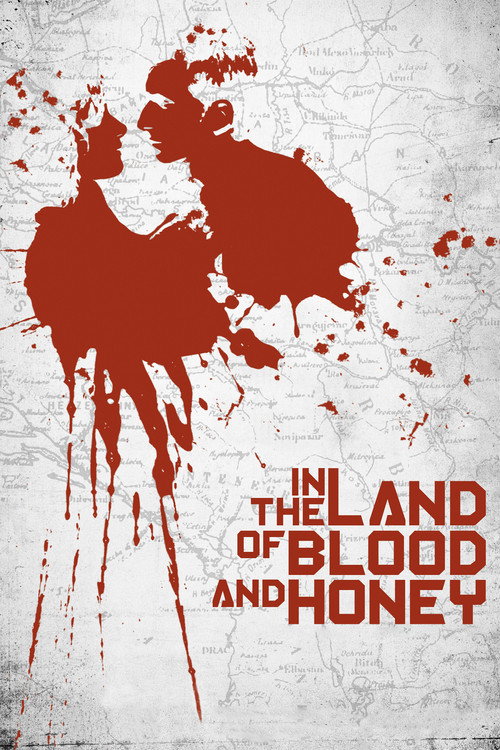
In the Land of Blood and Honey2011
Angelina Jolie's directed account of a relationship shattered by the Bosnian War and ethnic cleansing. Visceral, unflinching look at how conflict destroys intimacy and individual humanity simultaneously.
But Constructed as a love story amid atrocity, which some find reductive. The film's structure asks you to care about two people while horror piles around them—not everyone welcomes that tension.
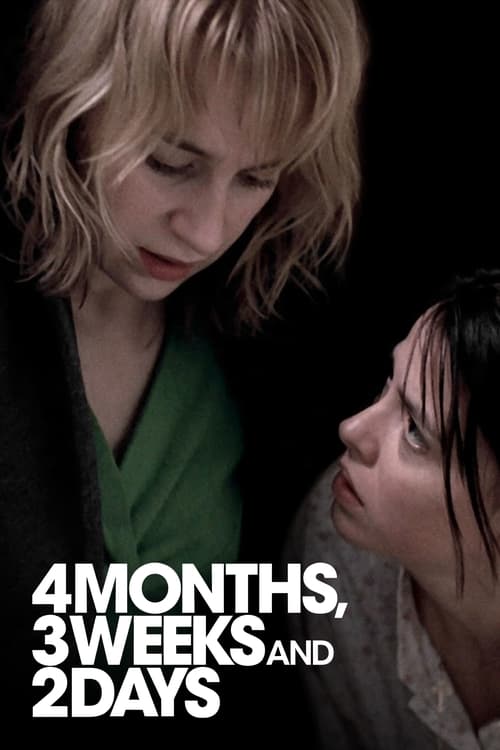
4 Months, 3 Weeks and 2 Days2007
Romanian New Wave masterpiece about two young women navigating an illegal abortion under Ceaușescu's regime. Methodical, tense, and deeply humane—shows how ordinary people survive extraordinary state cruelty with dignity intact.
But Long takes, minimal score, no emotional shortcuts. The tension comes from watching rather than being told how to feel. Demands active patience from the viewer.
Not sure tonight? Get a pick in a minute, starting from The Last Breath
The wildcard
Something you would not have found on your own.
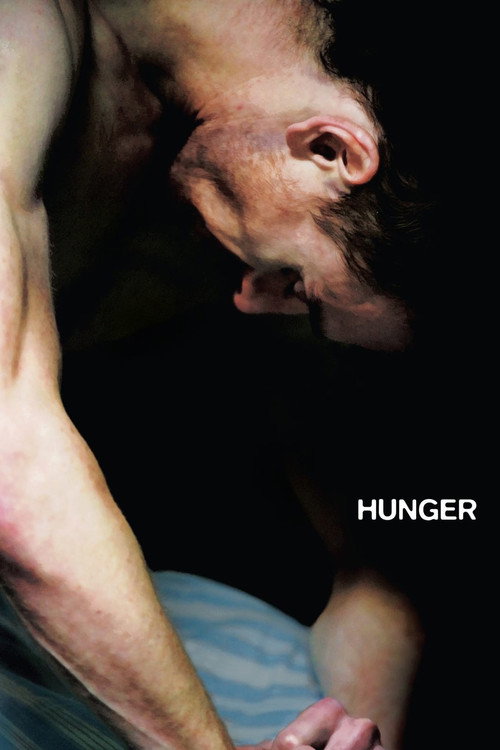
Hunger2008
Both films centre on a woman and man subjected to institutional violence that weaponises the body. Both use unflinching formal choices—sparse dialogue, long takes, refusal to dramatize—to make witnessing unavoidable rather than cathartic.
Steve McQueen's debut: visceral account of IRA prisoner Bobby Sands and his fatal hunger strike. Uses the body as text—minimal dialogue, maximum physical and spiritual devastation. One of cinema's most honest films about state violence.
But Extended sequences of bodily degradation. McQueen refuses to cut away or soften anything. The last thirty minutes test your endurance deliberately. Not everyone wants cinema to demand that much.
More like this (6)
Come and See1985
Soviet war film that refuses to look away from what conflict does to civilians and the young. Savage, necessary cinema about witnessing atrocity and what it costs the person who sees.
But Extremely graphic and psychologically punishing. It's a masterpiece many people watch once and never again. Not entertainment; ordeal.

The Act of Killing2012
Documentary asking perpetrators of mass violence in Indonesia to re-enact their crimes. Extraordinary moral clarity achieved through an unsettling method—lets you watch conscience arrive in real time.
But The perpetrators are not punished or even truly confronted. Some viewers find the film's restraint maddening; others see it as its moral strength. Viscerally uncomfortable throughout.

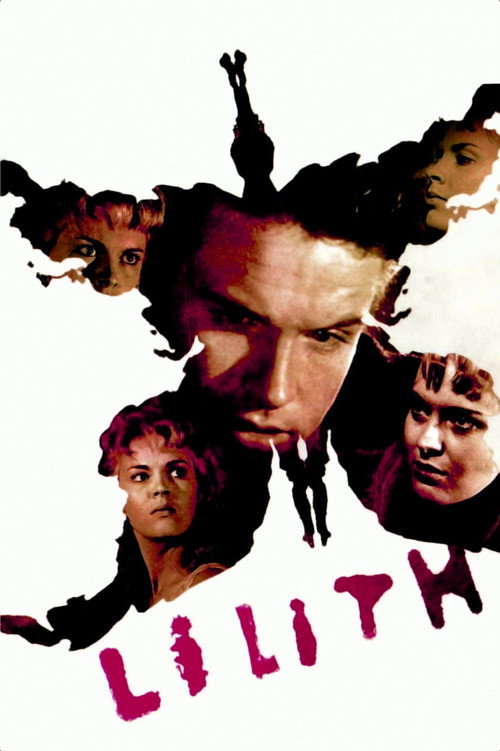
Lilith1964
Warren Beatty in a psychological thriller about a patient and therapist at a mental institution. Explores obsession, institutional power, and the fragility of sanity with genuine unease and complexity.
But The gender politics haven't aged well. It's also oblique and slow-burn; if you're looking for plot momentum, you'll find it frustratingly abstract.
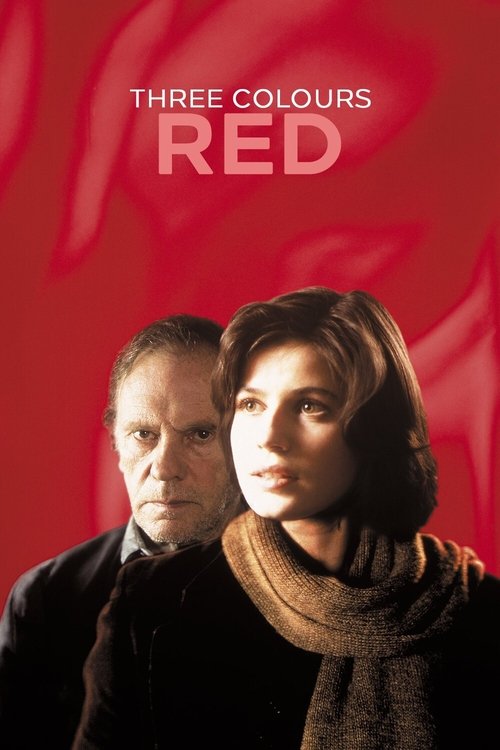
Three Colors: Red1994
Kieslowski's final film meditates on fraternity and chance through interconnected lives in post-Cold War Europe. Quiet, philosophical, haunting—shows how individual kindness survives indifference.
But Deliberately understated. Events happen offscreen; resolution is spiritual rather than narrative. Can feel deliberately evasive if you want plot.
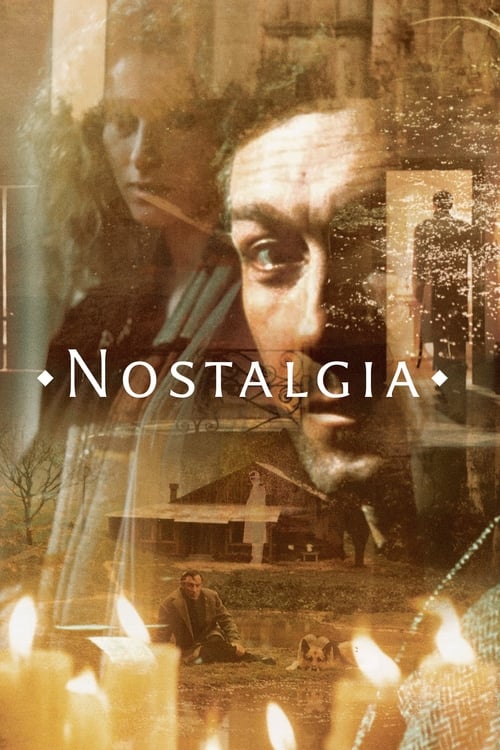
Nostalgia1983
Tarkovsky's meditative masterpiece about displacement, memory, and what we carry from one life to another. Essential for understanding how cinema can hold grief without melodrama.
But Glacially paced, repetitive imagery, minimal dialogue. Most of its four-hour runtime is watching light change. Requires genuine devotion from the viewer.
Requiem for a Dream2000
Both examine how institutions and power structures weaponise the body—one through medical experimentation, one through systemic neglect disguised as care. The Last Breath is quietly devastating; this is howlingly so. Different registers, same skeleton.
Darren Aronofsky's descent into addiction across four lives. Formally dazzling (split-screens, rapid cuts, visual repetition) but emotionally devastating. Shows how systems—medical, social, chemical—exploit vulnerable bodies.
But Exhausting to watch. The formal style is deliberately punishing; it mirrors the characters' dissolution. Some find the visual pyrotechnics distract from the human cost rather than deepening it. Ends bleakly.

People
Cast
 Fioralba KryemadhiElise
Directing
- Leart RamaDirector
Recommended by
Nuclear Nation, Village at the End of the World, Girl Model, The Tsunami and the Cherry Blossom, Over the Rainbow, Seconds from Disaster, Black Mother, Blindsight, I Survived..., The River and the Wall, The Art Of Fighting, La Longue Marche, Sing Me a Song, Shark Week, Pressure, Deepsea Challenge 3D, All the Beauty and the Bloodshed, Into Eternity: A Film for the Future, Hanging by a Wire, XTREME ENDURANCE: RACE TO THE POLE, Stumped