
Film
Village at the End of the World
A 2012 documentary following Niaqornat, a Greenlandic village of 59 people facing extinction if its population drops below 50. As the community fights to keep the fish factory alive and secure Danish subsidies, the sole teenager plans his escape. Intimate, funny, and heartbreaking—a portrait of a place caught between survival and inevitable change.
Should you watch it?
Watch it if you like patient, observational documentaries where the drama comes from small civic decisions and a community quietly deciding whether it can keep going.
Skip it if you want plot-driven momentum, since this moves at an unhurried pace and its quieter stretches can drag even at a short running time.
What it asks of you: Eighty minutes of patient pacing that lets routine and waiting stretch out, rewarding stillness more than close attention to what people say.
Not sure? Find tonight's pick in a minute.
If you liked this
The Act of Killing2012
A documentarian embeds with perpetrators of mass atrocity to examine how they remember their crimes. Profoundly unsettling yet strangely human—it asks hard questions about complicity and historical reckoning.
But Extremely graphic and morally complex. You will feel uncomfortable, and that's intentional. Not cathartic or easy.

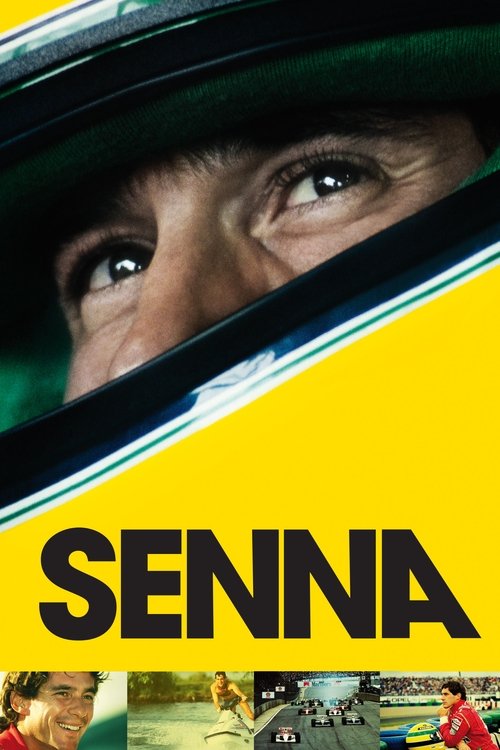
Senna2010
A portrait of a brilliant, driven man through archival footage and interviews. Thrilling even if you don't care about racing—it's really about ambition, ego, and the cost of greatness.
But Heavy on racing footage and technical jargon if that bores you. The ending is known before you start.
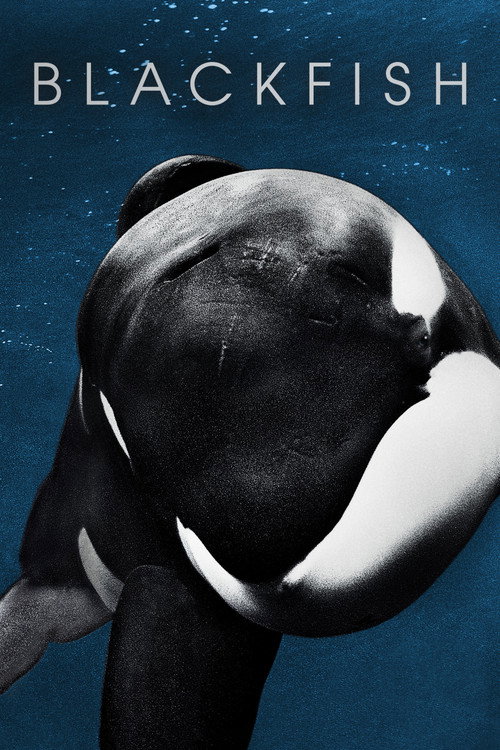
Blackfish2013
An investigation into captive orcas at SeaWorld that doubles as a meditation on harm, power, and what we owe creatures in our care. Gripping and genuinely moving.
But Activist cinema with a clear thesis. If you distrust advocacy docs, the directorial hand will show.
Not sure tonight? Get a pick in a minute, starting from Village at the End of the World
The wildcard
Something you would not have found on your own.
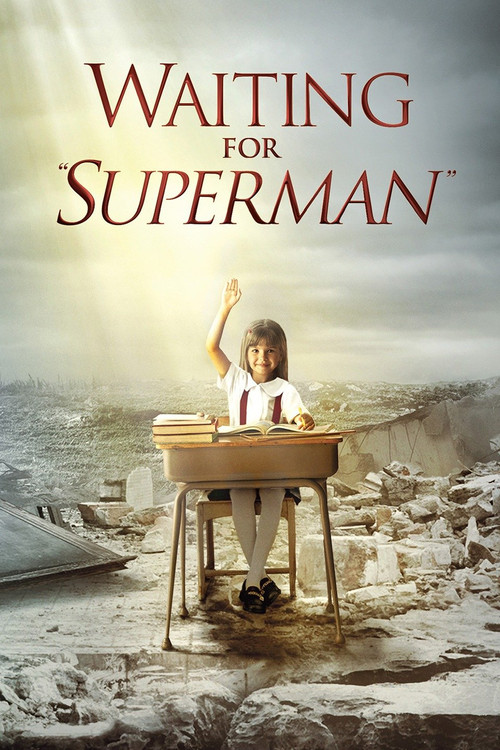
Waiting for "Superman"2010
Both examine communities—one literally, one functionally—held together by care and proximity but threatened by systems beyond their control. Both ask what happens when a place or institution can't afford to keep everyone.
A documentary about education inequality in America that uses the personal stories of children and their families to probe systemic failure. Heartbreaking and urgent.
But Widely criticized for oversimplifying complex issues and vilifying teachers. If you've read the backlash, it's hard to watch neutrally.
More like this (6)
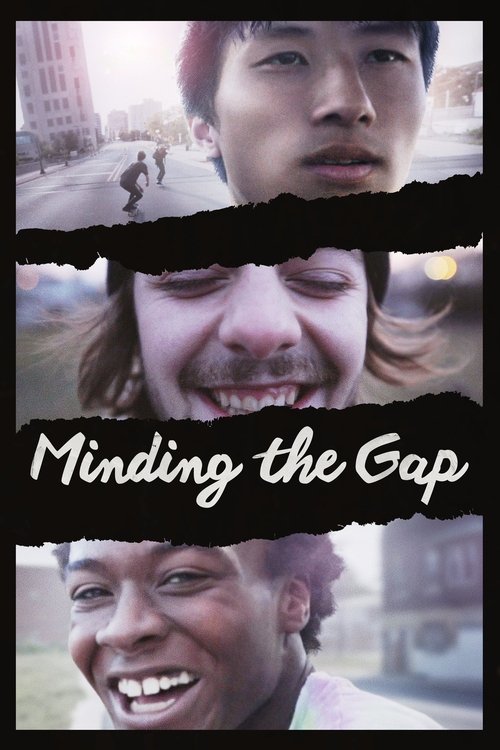
Minding the Gap2018
Three young men in a rust-belt Illinois town bond over skateboarding while grappling with abuse, poverty, and belonging. Deeply personal and structurally inventive.
But The director's own trauma becomes part of the story. Some find that self-centering; others find it brave.
The Last Breath2014
A man who lost his livelihood to an industrial accident revisits the underwater site where it happened. Spare, meditative, genuinely affecting.
But Slow and reflective. Minimal dialogue. If you need constant narrative movement, it will feel thin.
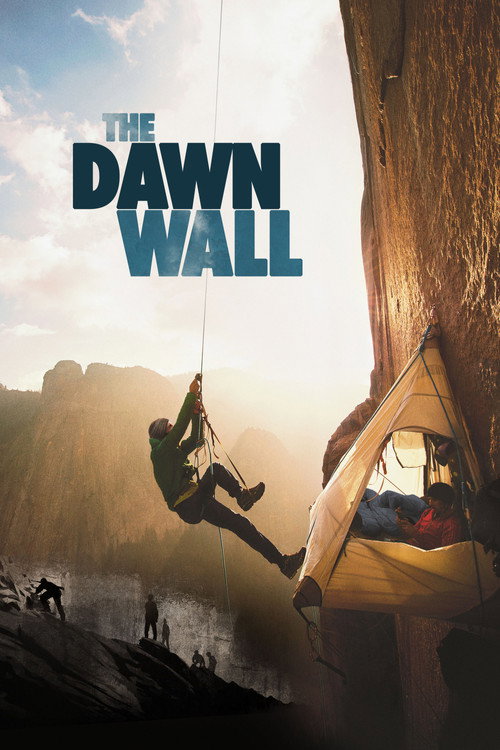
The Dawn Wall2017
Two climbers attempt an impossible rock face in Yosemite. It's about perseverance, partnership, and what drives us to risk everything for something that doesn't matter.
But Breathtaking vertigo sequences. If heights terrify you, you will spend 100 minutes uncomfortable.
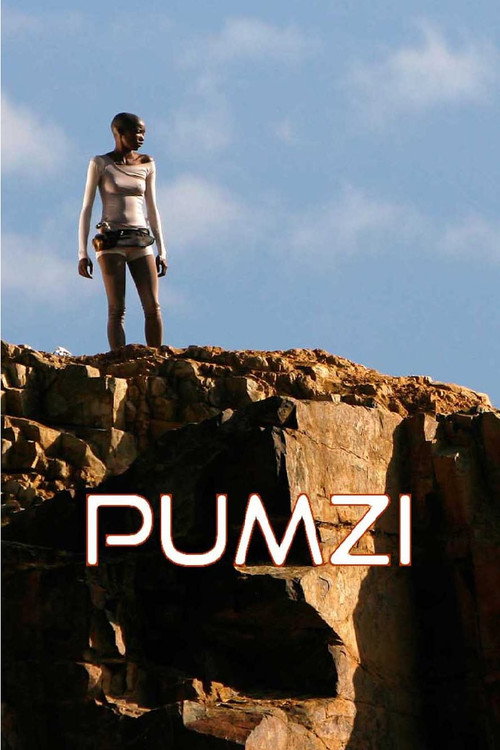
Pumzi2009
A science-fiction short set in a post-apocalyptic Africa, a woman tends a single plant in an underground bunker. Visually gorgeous and haunting—speculative, not didactic.
But Very slow. The story is almost secondary to atmosphere. Not a conventional narrative experience.
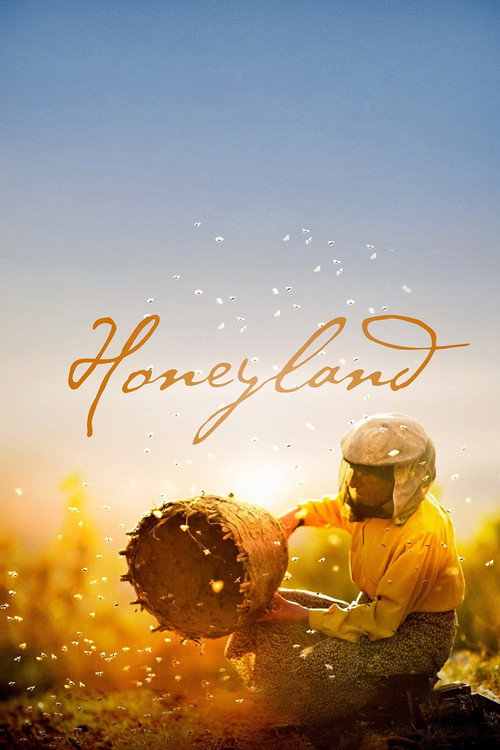
Honeyland2019
A Macedonian woman tends her ancient beehives on a mountainside while her mother deteriorates. Gorgeously shot, deeply sad, a portrait of a way of life vanishing.
But Deliberately paced. Subtitled. More elegy than drama—if you need plot momentum, this won't satisfy.
La Haine1995
Both follow young men with nowhere to go. Village shows exodus as loss; La Haine shows it as apocalypse. Same structural trap—youth and stagnation—expressed as documentary realism versus genre cinema, but the cage is identical.
A French film about three young men in a housing project over 24 hours. Shot in black-and-white, it's raw, funny, and volcanic—a portrait of boredom, rage, and impossible futures.
But Bleak and violent. Made 30 years ago but never dated. French with subtitles. The ending will sit with you wrong.

People
Directing
- David KatznelsonCo-Director
- Sarah GavronDirector
Production
- Helle FaberCo-Producer
- Jerry RothwellExecutive Producer
- Jonny PerseyExecutive Producer
- Stewart Le MarechalExecutive Producer
- Al MorrowProducer