Television series
I Survived...
- Survival adventure
- Dip in and out
First-person survival stories where ordinary people recount brush with death in their own words. Unflinching, intimate, and genuinely harrowing—these aren't dramatised. You hear what it felt like to face the unsurvivable and what kept them alive. For anyone drawn to real human resilience and the strange clarity that emerges when stakes become absolute.
Should you watch it?
Watch it if you are drawn to real-life accounts where ordinary people recount, in their own words, what carried them through a catastrophe and why they came out the other side.
Skip it if you want a plot with shaping, dramatic structure or a single protagonist; these are self-contained testimonies, and the episodes can feel repetitive when you watch many in a row.
What it asks of you: Its shape is self-contained chapters, so it works in small doses; with 115 episodes across six seasons, you can dip in and out without losing the thread.
Not sure? Find tonight's pick in a minute.
If you liked this
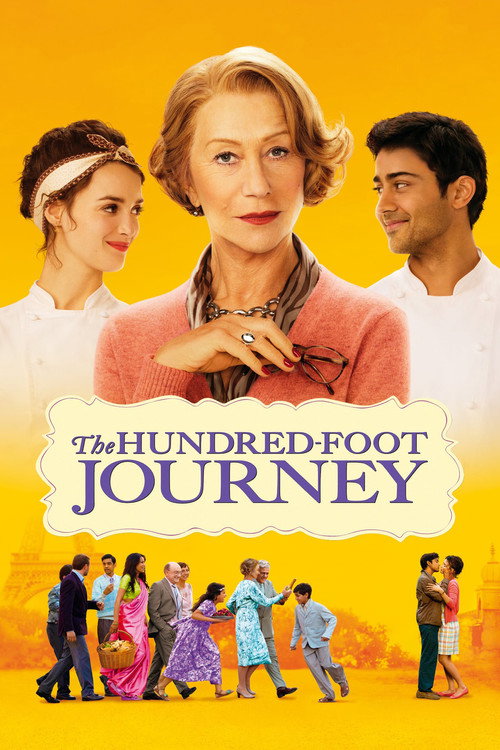
Alive1993
A plausible, gripping account of the 1972 Andes plane crash and the moral weight of survival itself. Unflinching about hunger, cold, grief, and what humans will do to live.
But Slow in places. The survival mechanics take precedence over spectacle, and some find that pacing tedious.
Touching the Void2003
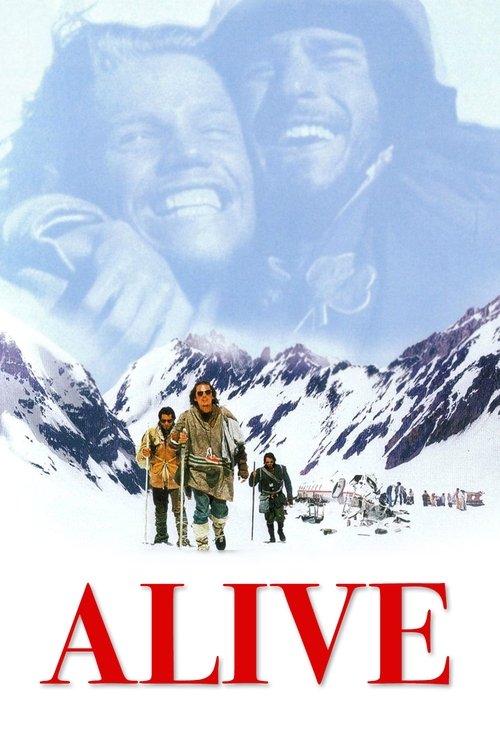
A mountaineer tells his own descent into a crevasse with such clarity and horror that you're physically present in the ice. Documentary that feels like a thriller with no artifice.
But Visceral. If vertigo disturbs you, the rope scenes will stay with you in ways that are uncomfortable rather than cathartic.
The Deepest Breath2023
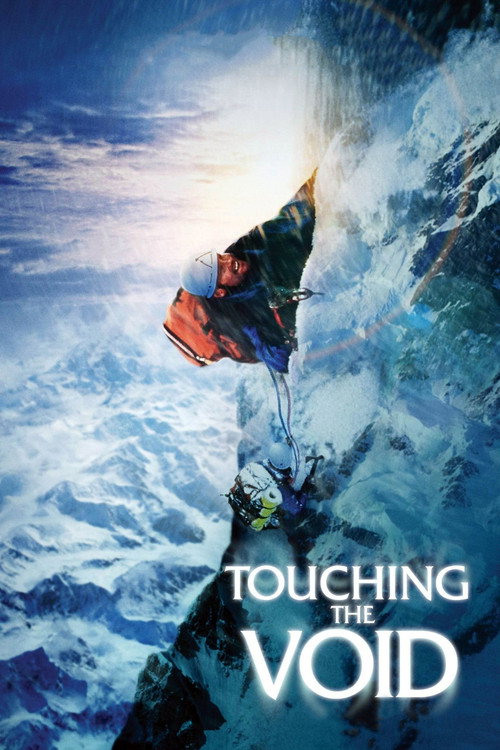
A love story between a freediver and his safety diver, told through the pursuit of a world record. Breathtaking, tragic, and morally complex without preaching.
But Slow-burn. The underwater footage is magnificent but static; this isn't action cinema, it's meditation interrupted by catastrophe.
Not sure tonight? Get a pick in a minute, starting from I Survived...
The wildcard
Something you would not have found on your own.
The Ghost Image - On the set of Ghostland2018
Both centre on a person bearing witness to their own ordeal, but this explores how the mind protects itself through distortion and reinvention rather than straight testimony.
A survival story—brutal home invasion—told entirely from the psychological aftermath. Not about the event but the way trauma rewrites your memory of it. Same engine as *I Survived* (what does a person carry forward?) filtered through horror film language.
But Deliberately artificial and stylised. If you approach survival stories for realism, the heightened aesthetic feels exploitative.

More like this (7)
The Last Breath2014
A diver tells how he survived 30 minutes on the ocean floor after a decompression accident. Claustrophobic, intimate, and a perfect match for the *I Survived* format.
But Confined largely to one interview. If you need visual variety or external drama, this will feel austere.
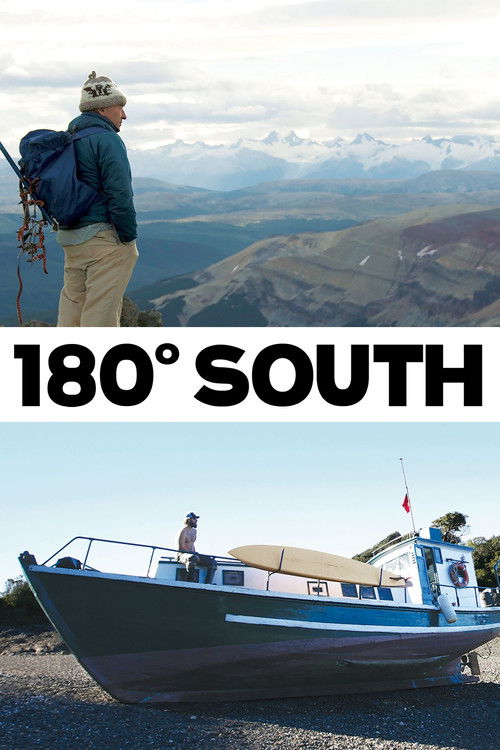
180° South2010
A climber retraces a legendary journey with grace and reflection. More philosophical than *I Survived* but operating in the same gear—what survival teaches you about living.
But Contemplative where you might want urgency. The philosophical bent will feel indulgent if you're after pure adrenaline.
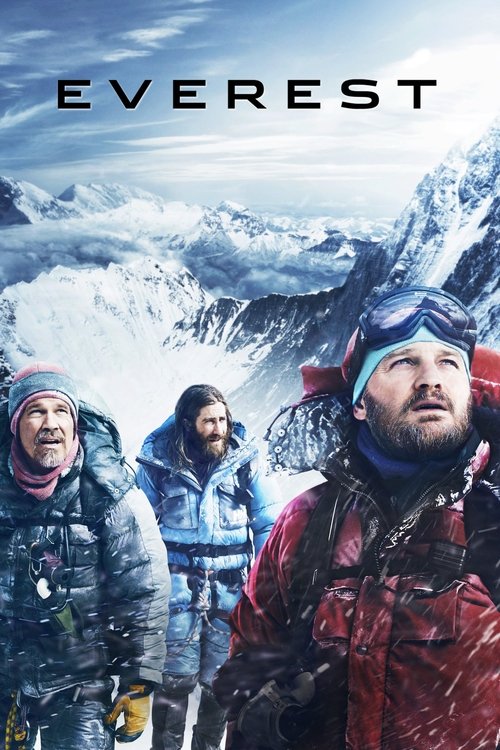
Everest2015
The 1996 disaster reconstructed with rigour and without melodrama. You understand both the goal and the price. Respectful to the dead without being sanctimonious.
But Ensemble cast and multiple perspectives dilute individual human voice. Closer to thriller than intimate testimony.
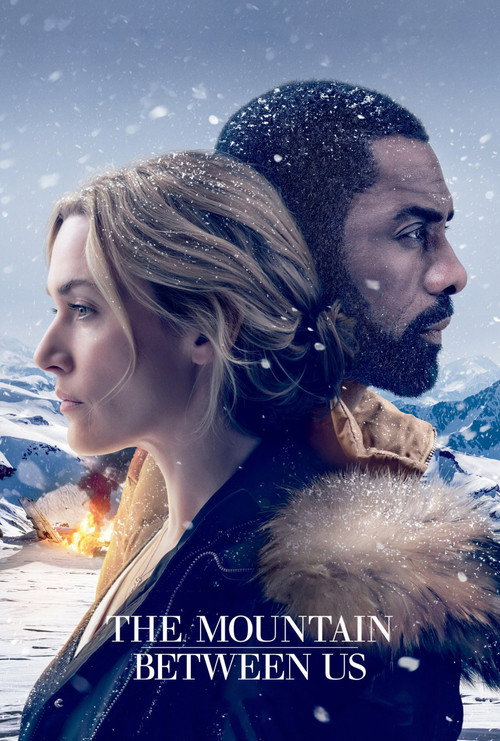
The Mountain Between Us2017
Plane crash followed by a high-altitude survival story. Character-led, focuses on the psychological toll of isolation and the weight of choices.
But Fiction softens the edges. The cinematography is beautiful in ways that real survival stories don't get to be, which can feel false.
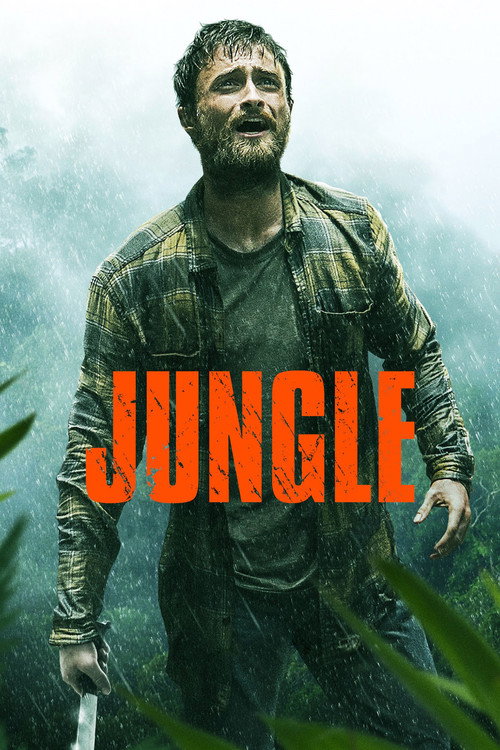
Jungle2017
A lost hiker alone in the Amazon for weeks, based on a true story. Claustrophobic and hallucinatory; survival becomes internal rather than physical.
But Self-destruction is part of the narrative. If despair without relief exhausts you, this won't feel cathartic.
The Act of Killing2012
Both use first-person testimony to explore how humans narrate their own actions. Here the witness is the aggressor, forcing a question *I Survived* doesn't need to ask.
Indonesian death squad perpetrators are asked to re-enact their murders. A survival story in reverse: what do people do to survive moral knowledge of themselves? Stunning, horrifying, and unlike anything else.
But Morally vertiginous and enraging. Difficult viewing that doesn't offer closure or catharsis; some will feel manipulated by watching someone avoid reckoning.

The Hundred-Foot Journey2014
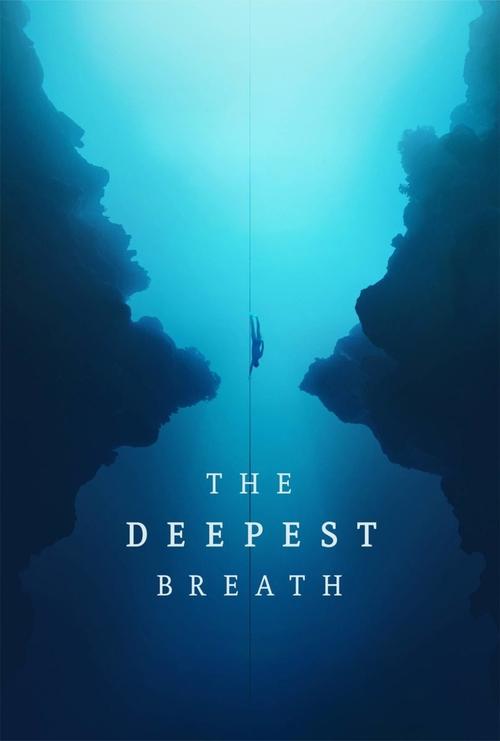
Same theme—what does it take to survive?—but asked by a family, not a person, and answered with humour instead of adrenaline.
A refugee family rebuilds after losing everything. Not a survival thriller—a survival comedy that believes in human resilience without trauma-lighting it. Food, community, joy as weapons.
But Twee. It resolves conflict with warmth rather than acknowledging scars. If you've just watched *I Survived*, this might feel evasive.