
Film
The Ghost Image - On the set of Ghostland
A 73-minute documentary following the brutal, intimate production of Pascal Laugier's *Incident in a Ghostland* in Winnipeg. You watch actors and crew navigate psychological horror filmmaking—the toll of trauma scenes, the director's vision, the gap between what audiences see and what it costs to make. It's both a craft masterclass and a portrait of artists pushing themselves into darkness.
Should you watch it?
Watch it if you want to see how a nasty, punishing horror film gets made, and you like watching a crew talk through doubts as candidly as they talk about the craft.
Skip it if you want the finished film itself, since this stays behind the cameras and may leave you craving more of the movie being made.
What it asks of you: Seventy-three minutes, mostly talk and set work at a deliberate pace, with a mood that is more reflective than frightening; bring patience rather than appetite for dread.
Not sure? Find tonight's pick in a minute.
If you liked this
Hearts of Darkness: A Filmmaker's Apocalypse1991
The gold standard of chaotic auteur documentary. Follows Coppola's descent into madness making *Apocalypse Now*—the crew fracturing, the budget exploding, the director losing control. Essential viewing for anyone curious about the price of vision.
But Methodically paced and sometimes slow. If you want quick cuts and drama, this meditative, unglamorous look at failure will feel like watching paint dry.
Burden2018
A narrative film about an ex-white supremacist seeking redemption. Tackles moral extremity and psychological transformation with the same unflinching gaze as *Ghostland*—uncomfortable, committed, asking what redemption actually costs.
But The subject matter is raw and the tone is austere. It doesn't offer catharsis or easy answers, and some viewers find that punishing rather than rewarding.
Overnight2003
Watches a screenwriter's sudden success implode in real time. Unsparing portrait of ego, delusion, and creative self-destruction. The same unflinching access to failure and human weakness that animates the *Ghostland* doc.
But The subject becomes indefensible quite quickly. Watching someone's life implode is fascinating, but some find it uncomfortably cruel.
Not sure tonight? Get a pick in a minute, starting from The Ghost Image - On the set of Ghostland
The wildcard
Something you would not have found on your own.
Antebellum2020
Both use horror's formal vocabulary—shock, repetition, body horror—to examine how trauma replays itself. The structure and the content are inseparable.
A narrative horror film that deconstructs the mechanics of trauma cinema itself. Like *Ghostland*, it uses the form to examine how we process and re-enact psychological damage. The connection is structural—both ask what happens when horror becomes a mirror.
But Relentlessly bleak and formally demanding. The twist, when it arrives, is disturbing rather than satisfying, and some viewers feel exhausted rather than enlightened by the experience.
More like this (5)
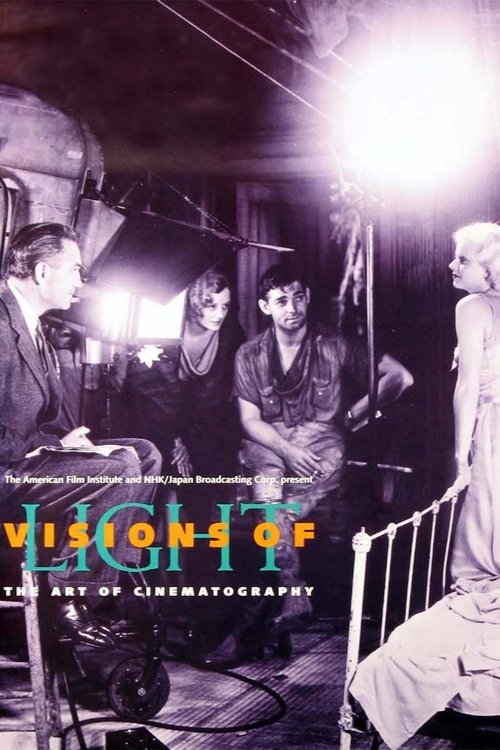
Visions of Light1992
Cinematographers discussing the grammar of light in cinema. Meditative, learned, generous—artists explaining their craft with genuine passion. Perfect for anyone enchanted by how images get made.
But Purely celebratory and somewhat academic. There's no tension or friction—just admiration for technique. Can feel static if you crave human drama.
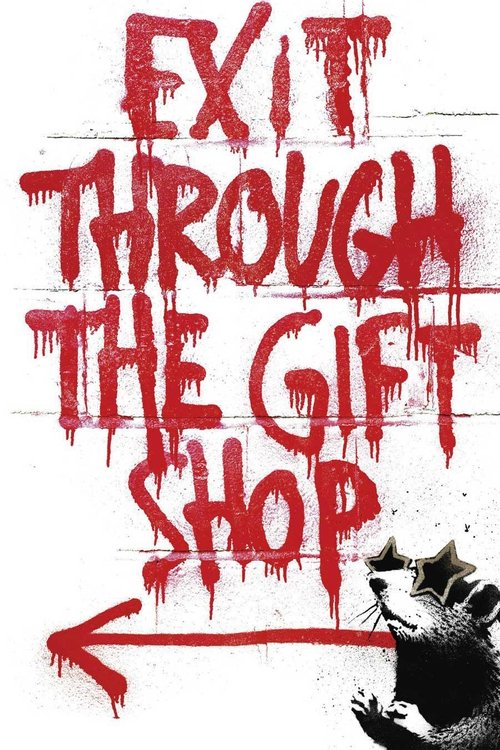
Exit Through the Gift Shop2010
Banksy's documentary about street art, production, and the commodification of rebellion. Fast, funny, visually clever—explores how artistic integrity collapses under market pressure.
But The authenticity of the doc itself is contested. Some viewers feel manipulated by what might be a stunt, which undermines its philosophical claims.
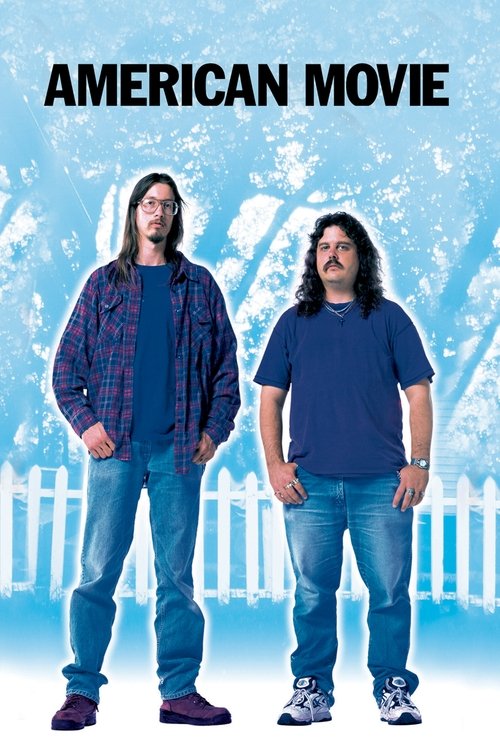
American Movie1999
Documentary following an indie filmmaker obsessed with finishing his horror film on a shoestring budget. Deeply funny and deeply sad—about artistic drive, working-class struggle, and the gap between ambition and resources.
But The humor lands differently depending on whether you see the subject as noble or delusional. It's not a warm film, and some find its portrait of its protagonist cruel.
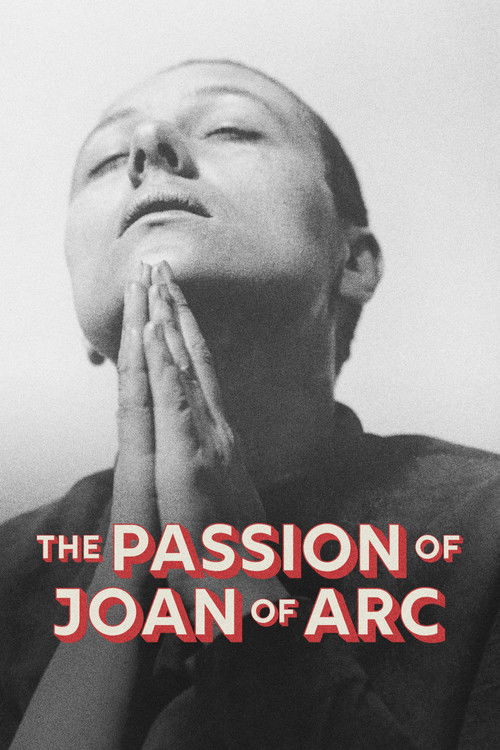
The Passion of Joan of Arc1928
Both are essentially about watching a person undergo trauma on camera—but where *Ghostland* is modern horror, *Passion* is spiritual cinema. Both trust the camera to witness suffering without sensationalizing it.
Carl Theodor Dreyer's silent masterpiece about trial and suffering. Shot entirely in close-up, it's a 90-minute examination of a woman's face enduring psychological and physical extremity. Pure cinema devoted to the inner experience of torment.
But Silent, slow, and visually austere. If you're accustomed to dialogue and narrative momentum, the abstraction and absence of sound will feel alienating rather than profound.
Possession1981
Both use grotesque imagery and extreme performances to externalize internal states. The horror isn't about jump scares; it's about watching psyches break down from the inside out, filmed without flinching.
Andrzej Żuławski's surrealist nightmare about a marriage collapsing into literal monstrosity. Visceral, formally chaotic, psychologically devastating. It's a horror film that prioritizes psychological truth over logic—the same commitment you see in Laugier's work.
But Deliberately incoherent and unwilling to explain itself. The chaos is intentional, but it exhausts some viewers. You have to surrender to it rather than parse it, and that's not for everyone.

People
Cast
 Mylène FarmerSelf - Pauline Keller
 Crystal ReedSelf - Beth (Adult)
 Taylor HicksonSelf - Vera (Teenager)
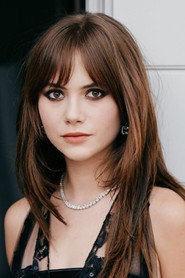 Emilia JonesSelf - Beth (Teenager)
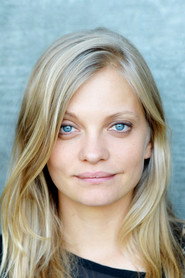 Anastasia PhillipsSelf - Vera (Adult)
 Rob ArcherSelf - Fat Man
- Kevin PowerSelf - Candy Truck Woman
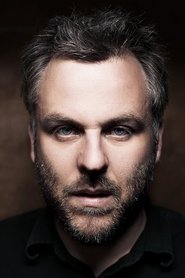 Pascal LaugierSelf - Director
Directing
- Thierry SausseDirector
Recommended by
10x10, I Survived..., Jay and Silent Bob Strike Back, The Boy Behind the Door, The Monster Project, Animalistic, Unmanned: America's Drone Wars, The Decline, Bodycam