
Film
The Monster Project
A found-footage horror film where aspiring documentarians interview people claiming to be monsters, only to discover their subjects might be telling the truth. It's low-budget genre fun with a documentary aesthetic and an escalating sense of dread. For viewers who enjoy scrappy indie horror and don't mind rough edges if the core idea lands.
Should you watch it?
Watch it if you like docu-style horror where the camera itself gets treated as a suspect, and staying unsure what's real is the appeal.
Skip it if you want a straightforward monster movie, because this is mostly talk, conversation and a crew's mounting unease rather than full-blooded creature action.
What it asks of you: Expect a lean hour and a half of patience, with the dread building in small, deliberate steps rather than release, and your attention doing most of the work.
Not sure? Find tonight's pick in a minute.
If you liked this
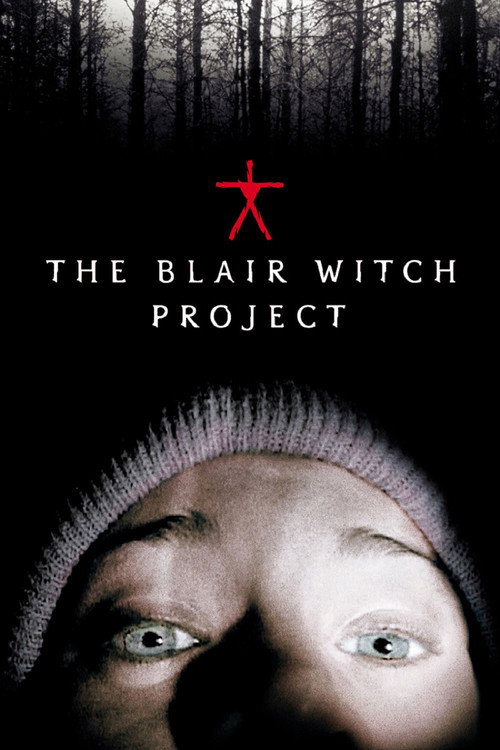
The Blair Witch Project1999
The foundational found-footage horror that proved a simple concept and genuine dread could terrify without big budgets. Influenced everything that came after, including The Monster Project's structure and tone.
But Shot in 1994, it looks and sounds genuinely ugly by modern standards. The shaky camera work still makes some viewers motion-sick.
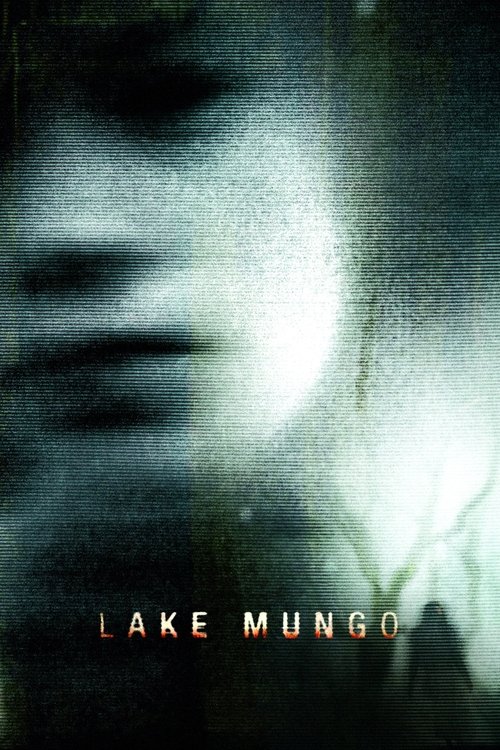
Lake Mungo2009
An Australian ghost story told through interviews, photographs, and video footage that builds an atmosphere of genuine unease. Proof that found-footage works when you trust the audience to piece things together slowly.
But Deliberately paced and understated. There are no jump scares or traditional horror beats, which frustrates viewers wanting a more conventional scare.
The Wailing2016
A Korean mystery-horror that uses interviews and interrogation as its central structure. Layered, paranoid, and genuinely disturbing in ways that linger long after you finish watching.
But Nearly three hours long and deliberately ambiguous about what's actually happening. The pacing demands patience and the ending refuses to give easy answers.

Not sure tonight? Get a pick in a minute, starting from The Monster Project
The wildcard
Something you would not have found on your own.
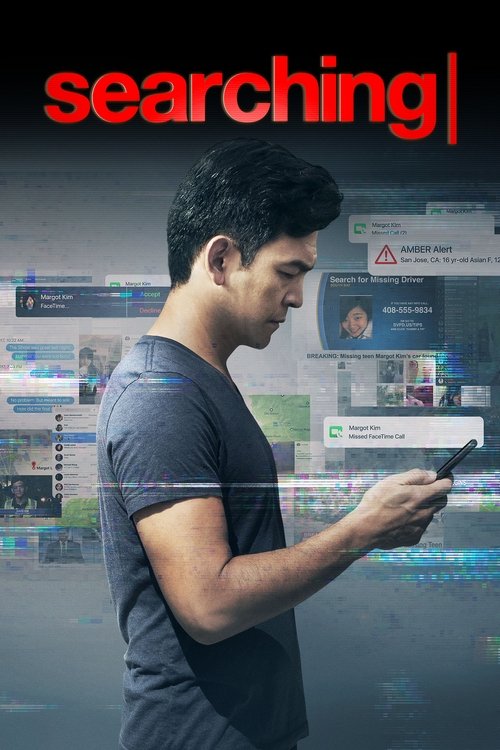
Searching2018
Both use found-footage/interview formats as their core structure, trusting the format itself to generate unease. Where The Monster Project uses it to document the unknown, Searching uses it to investigate the already-lost.
A thriller told entirely through computer screens and video calls, finding genuine emotion and mounting dread in the format. It's what The Monster Project might have become if it leaned fully into the interview structure as a narrative constraint rather than window dressing.
But The desktop aesthetic is deliberately flat and clinical. Some viewers find the screen-based storytelling visually exhausting or emotionally distant.
More like this (8)
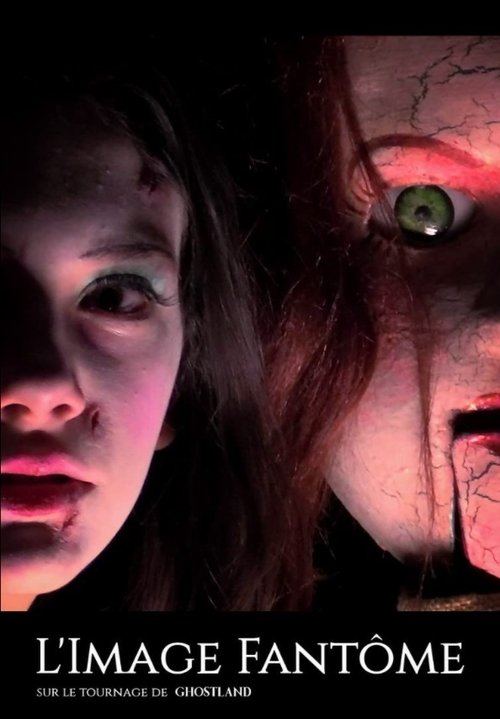
The Ghost Image - On the set of Ghostland2018
Pascal Laugier's follow-up to Martyrs uses a fractured, documentary-like narrative to explore trauma and delusion. Visually inventive and psychologically unsettling in a way that matches The Monster Project's ambitions.
But The tonal shifts between surreal horror and grounded drama are jarring. Some viewers find the narrative structure confusing rather than engaging.
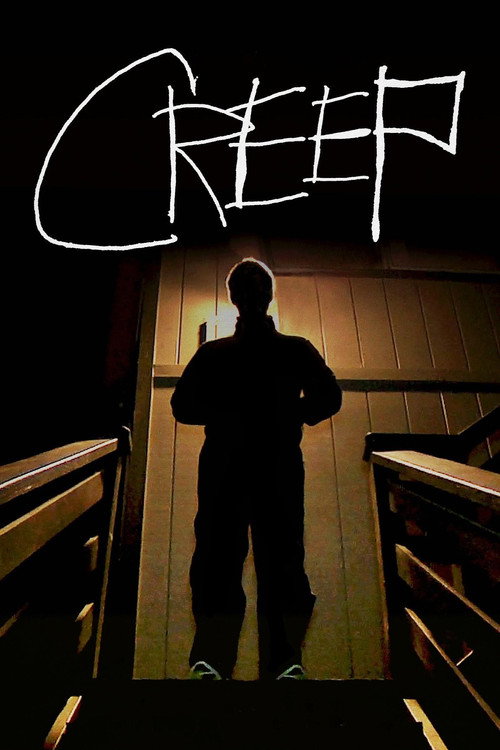
Creep2014
A two-character found-footage film where a videographer documents a mysterious man for a day. The mounting discomfort comes entirely from dialogue and performance, proving you don't need elaborate scares.
But It's essentially a 81-minute two-person conversation. If you don't connect with the dynamic between the characters, you're stuck for the entire runtime.
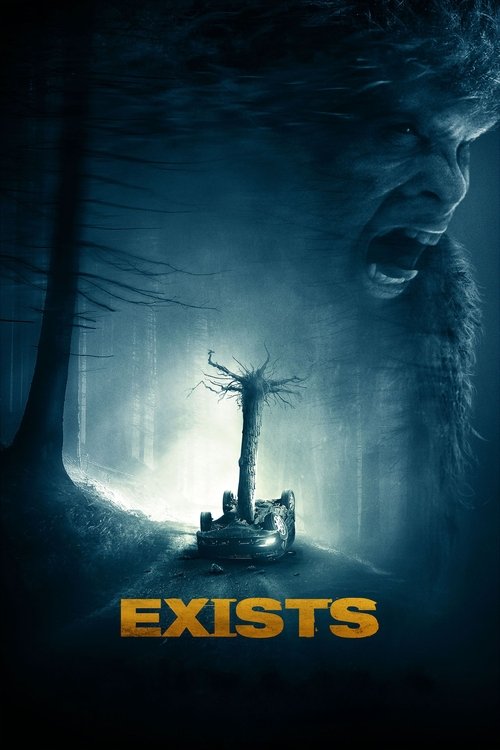
Exists2014
Found-footage Bigfoot horror from director Eduardo Sánchez (Blair Witch). Takes its creature seriously as a threat and builds genuine tension around the unknowable.
But The camera work is intentionally chaotic. Viewers sensitive to motion or quick cuts will find it exhausting rather than immersive.
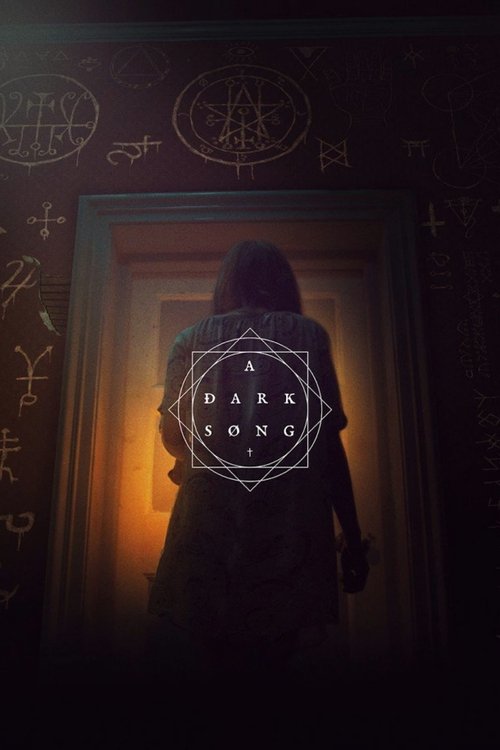
A Dark Song2016
An Irish occult thriller built on extended interviews and conversations between two people. Atmospheric and strange, with a moral weight beneath the supernatural elements that feels earned.
But Slow and meditative to the point where some viewers will find it tedious. The payoff is emotional rather than visceral, which won't satisfy everyone.
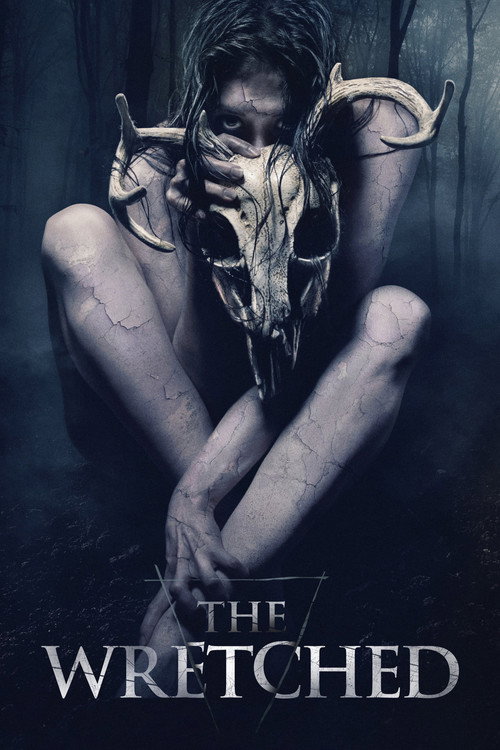
The Wretched2019
Modern found-footage adjacent horror with a sympathetic protagonist and a creature concept that feels fresh. Fast-paced and genuinely entertaining while still maintaining atmosphere.
But The narrative gets increasingly convoluted in the third act. The resolution feels rushed after the patient build-up that came before.
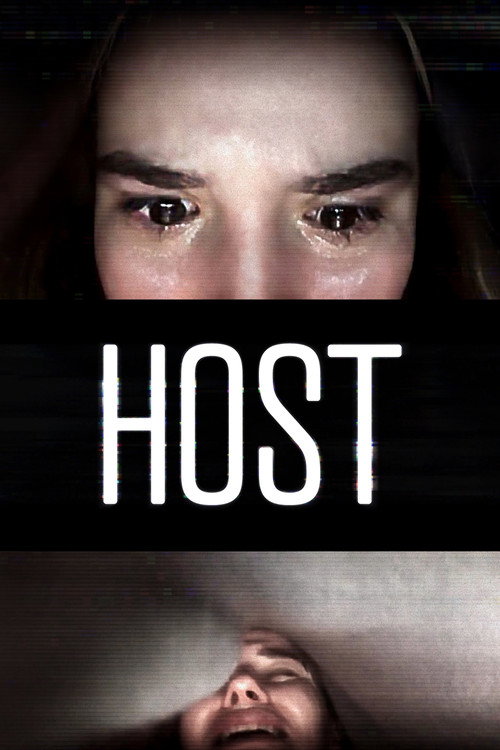
Host2020
A pandemic-era Zoom séance film that proves you can build horror within tight technical constraints. Inventive use of the platform and a genuine sense of escalating danger.
But At 56 minutes, it's almost a proof-of-concept rather than a full film. The gimmick is clever but some find it slight once you see through the central conceit.
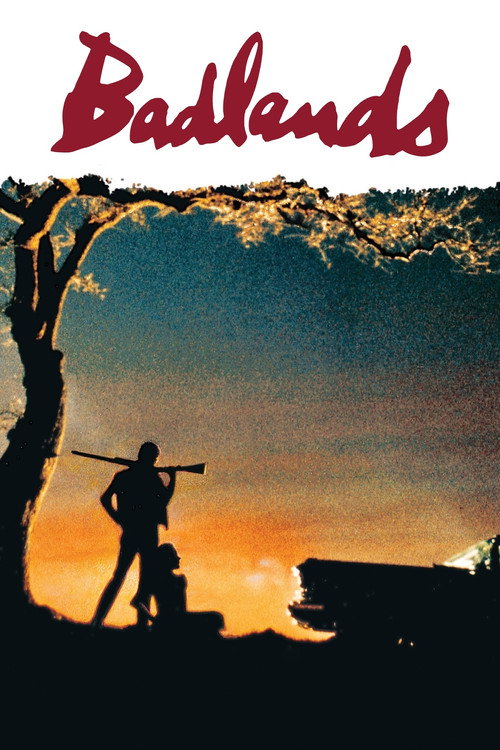
Badlands1973
Both films center on people claiming an identity (monster, outlaw) and force us to reckon with our own assumptions about them. Both ask whether understanding someone makes them more or less dangerous.
Malick's poetic outlaws-on-the-run film uses voiceover and a dreamy aesthetic to romanticize violence and transgression. The same question as The Monster Project haunts it: what do we really know about the monsters we think we understand?
But Deliberately paced and impressionistic rather than narrative-driven. The philosophical questions matter more than plot mechanics, which bores viewers wanting conventional storytelling.
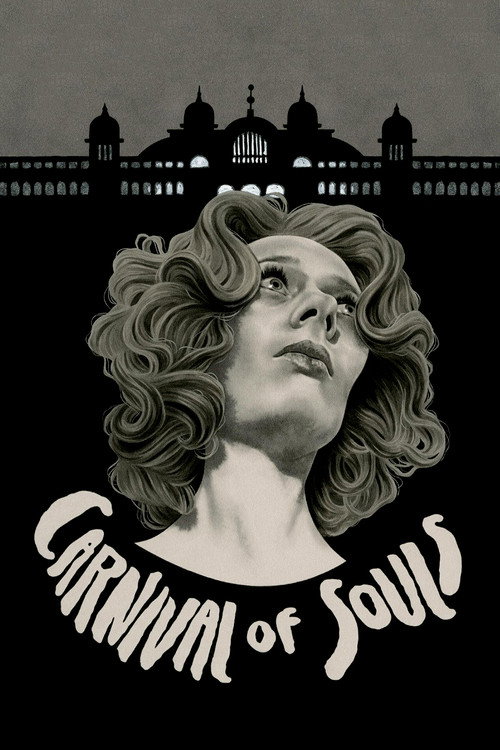
Carnival of Souls1962
Both are ultra-low-budget films that generate horror through persistence and mood rather than spectacle. Both treat the supernatural as something documentary-ordinary, encountered in mundane spaces, which makes it stranger rather than less scary.
A black-and-white cult film about a woman haunted by something after a car accident, made on no budget with documentary-like starkness. Genuinely eerie and the closest spiritual ancestor to indie horror's DNA—proof that dread doesn't require money.
But Shot in 1962 with the production values to match. The pacing is glacial by modern standards and there's minimal dialogue, which can feel like abandonment rather than atmosphere.
People
Cast
 Yvonne ZimaShayla
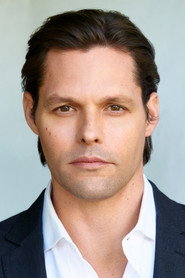 Justin BrueningDevon
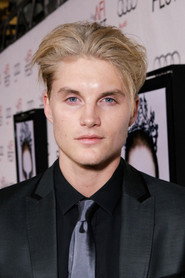 Toby HemingwayBryan
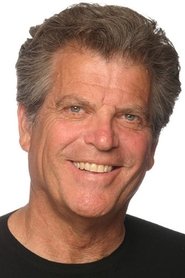 Jim StormRichard
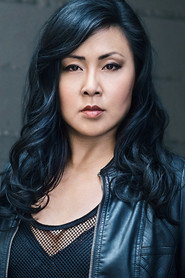 PeiPei Alena YuanShiori
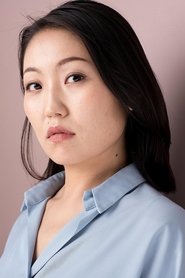 Shiori IdetaShiori
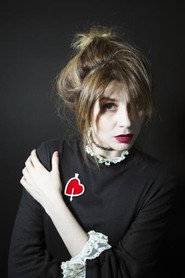 Shayne EastinKaren Nathan
- Murielle ZukerMurielle
- Jamal QuezaireJamal
- IxtlanSteven
- Susan StanglMartha
- Chase OlswangSmiling Man
Directing
- Victor MathieuDirector
- David Michael HarwellFirst Assistant Director
- Michael CoulombeScript Supervisor
Writing
- Corbin BillingsScreenplay
- Shariya LynnScreenplay
- Victor MathieuScreenplay
- Shariya LynnStory
- Victor MathieuStory
Production
- Jordan BassCasting
- Lauren BassCasting
- Corbin BillingsProducer
- Michael BurkenbineProducer
- Phillip SebalProducer
- Victor MathieuProducer